Ancient Egypt
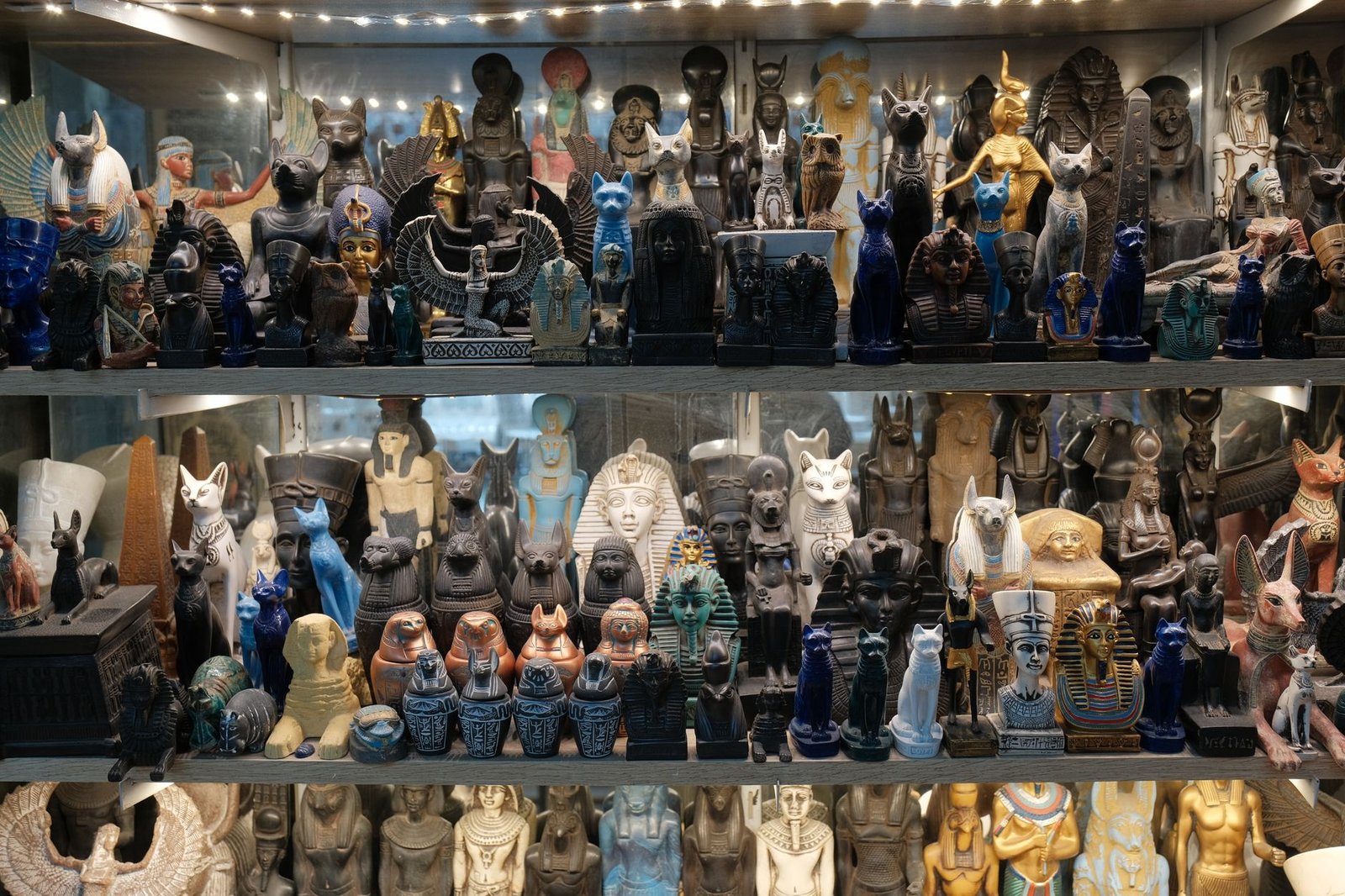
Who Is Wepwawet in Egyptian Mythology?
Wepwawet in Egyptian mythology is a jackal-headed deity associated with warfare, royal authority, funerary rites, and the opening of paths, guiding kings and the dead through perilous journeys. Often linked to Upper Egypt and the city of Asyut, he is distinct from Anubis and reveals how Egyptians connected protection, movement, and power in both life and the afterlife.
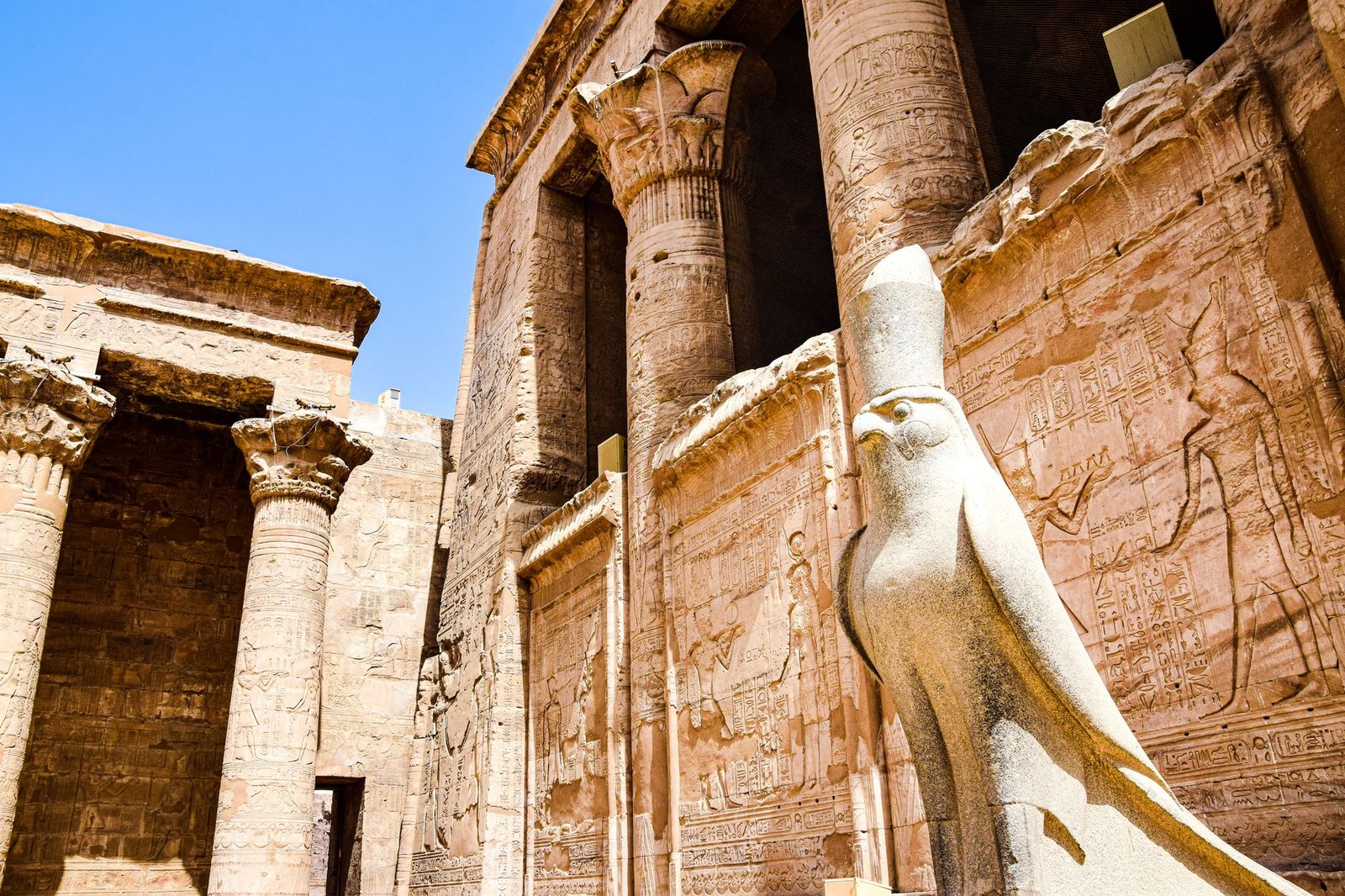
Who Are the Four Sons of Horus in Egyptian Mythology?
The four sons of Horus in Egyptian mythology—Imsety, Hapy, Duamutef, and Qebehsenuef—were protective deities closely tied to burial rites, canopic jars, and the preservation of the dead. Their roles reveal how ancient Egyptians connected bodily protection, divine guardianship, and the hope of rebirth, making them essential figures in funerary religion.
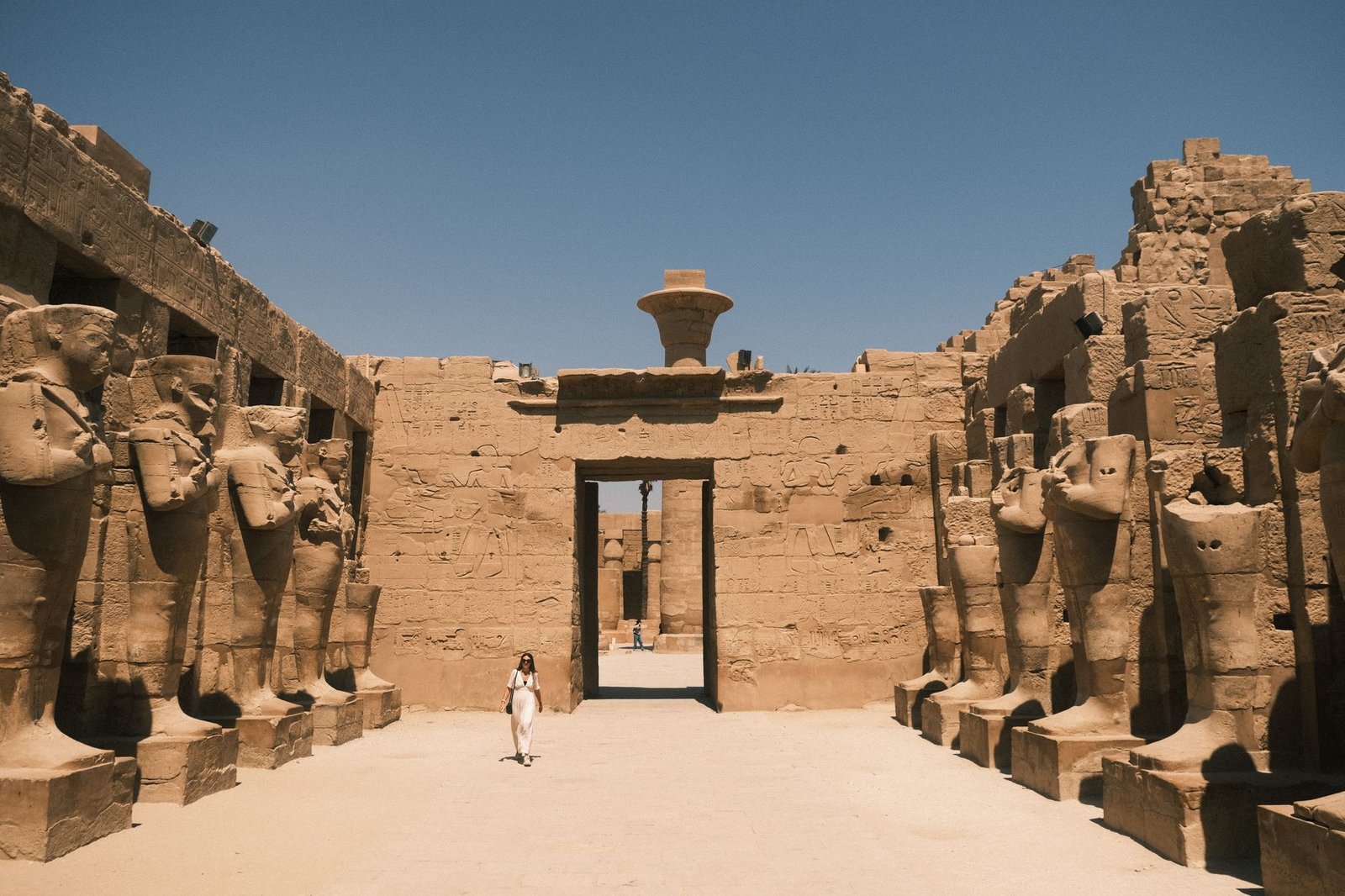
Who Is the King of the Egyptian Gods? A Clear Answer
In ancient Egyptian religion, the question of who is the king of the Egyptian gods usually points to Amun-Ra, the powerful fusion of Amun and Ra that came to symbolize divine kingship in the New Kingdom. Yet the answer shifts with time, place, and theology, revealing a complex pantheon where solar creation, hidden power, and royal legitimacy were often intertwined.
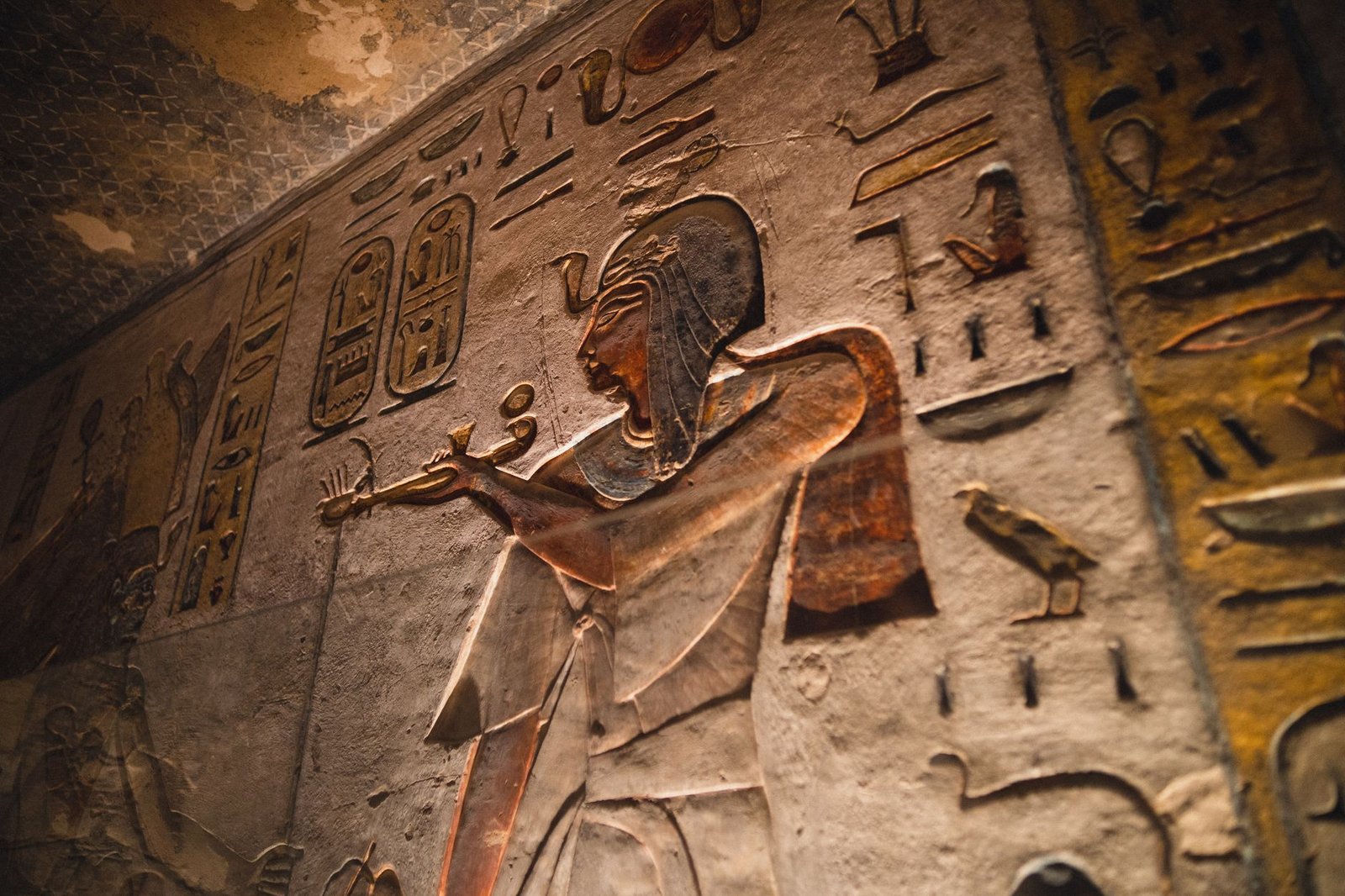
Egyptian Gods During the Amarna Period: Changes Explained
During the Amarna period, the Egyptian gods were not simply replaced but reorganized as Akhenaten elevated the Aten above the traditional pantheon and restricted the public power of major deities such as Amun. This excerpt explains how religious imagery, royal authority, and temple worship were reshaped in ways that still puzzle historians and redefine the meaning of divine kingship.