Ancient Greece

Cornucopia of Abundance: Meaning, Symbolism, and History
The Cornucopia of Abundance, or horn of plenty, is an enduring symbol of prosperity rooted in Greek and Roman myth, where overflowing fruit and grain signified divine favor, fertility, and harvest wealth. Its long history in art, coinage, and emblematic tradition reveals how a single image came to embody the idea of plenty across centuries and cultures.

Laurel Wreath of Triumph: Meaning, History, and Symbolism
The laurel wreath of triumph is an enduring emblem of victory in Greek and Roman culture, woven from sacred bay leaves and linked to Apollo, athletic contests, military honors, and poetic achievement. Its story reveals how a simple wreath became a powerful sign of triumph, authority, and divine favor—meanings that continue to shape modern symbols today.

Palladium of Vesta: Meaning, History, and Symbolism
The Palladium of Vesta refers to a complex Roman religious idea linking the protective Palladium with Vesta’s sacred hearth and eternal flame, symbols of a city’s divine security. Often discussed in antiquarian and mythological studies, it invites closer examination of how Romans understood ritual objects, civic identity, and the survival of Troy’s legacy in Rome.

Serpent of Aesculapius Arrival in Rome: History and Legend
The Serpent of Aesculapiuss Arrival in Rome recounts how, amid a plague in 293 BCE, Roman leaders consulted divine texts and sent envoys to Epidaurus to obtain the healing god Aesculapius. When a sacred serpent reportedly returned with them and disembarked on the Tiber Island, the episode helped establish a lasting cult, linking Greek religion, public health, and Rome’s sacred landscape.

Patera: Sacrificial Offering Bowl in Ancient Rituals
A **patera** is a shallow sacrificial offering bowl used in ancient Greco-Roman ritual, especially for libations of wine, oil, water, or milk presented to gods and ancestors. Appearing in art, archaeology, and literature, it became a lasting symbol of sacrifice, priesthood, and sacred exchange—yet its exact meanings and cultural variants reveal a more complex history.

Difference Between Lares and Penates in Roman Religion
In Roman religion, the difference between Lares and Penates reveals two closely related but distinct forms of domestic worship: the Lares protected the home, family, and local community, while the Penates guarded the household’s provisions and prosperity. Exploring their roles, origins, and cult illuminates how Romans linked daily life, ancestral continuity, and civic identity within the intimate sphere of religion.

Aquila vs Eagle of Jupiter: Mythology and Symbolism
Aquila vs Eagle of Jupiter examines how the Latin word for “eagle” developed into one of Rome’s most powerful religious and political symbols. By tracing the bird’s role in myth, military insignia, and imperial imagery, the topic reveals why Jupiter’s sacred eagle mattered far beyond natural history and continues to invite closer study.

Roman Symbols: The Complete Guide to the Sacred Objects and Signs of Roman Mythology
Roman mythology’s sacred objects reinforced both religious devotion and civic identity, from the household shrine to the battlefield standard. This ...
Juno: Roman Goddess of Marriage and Queenship
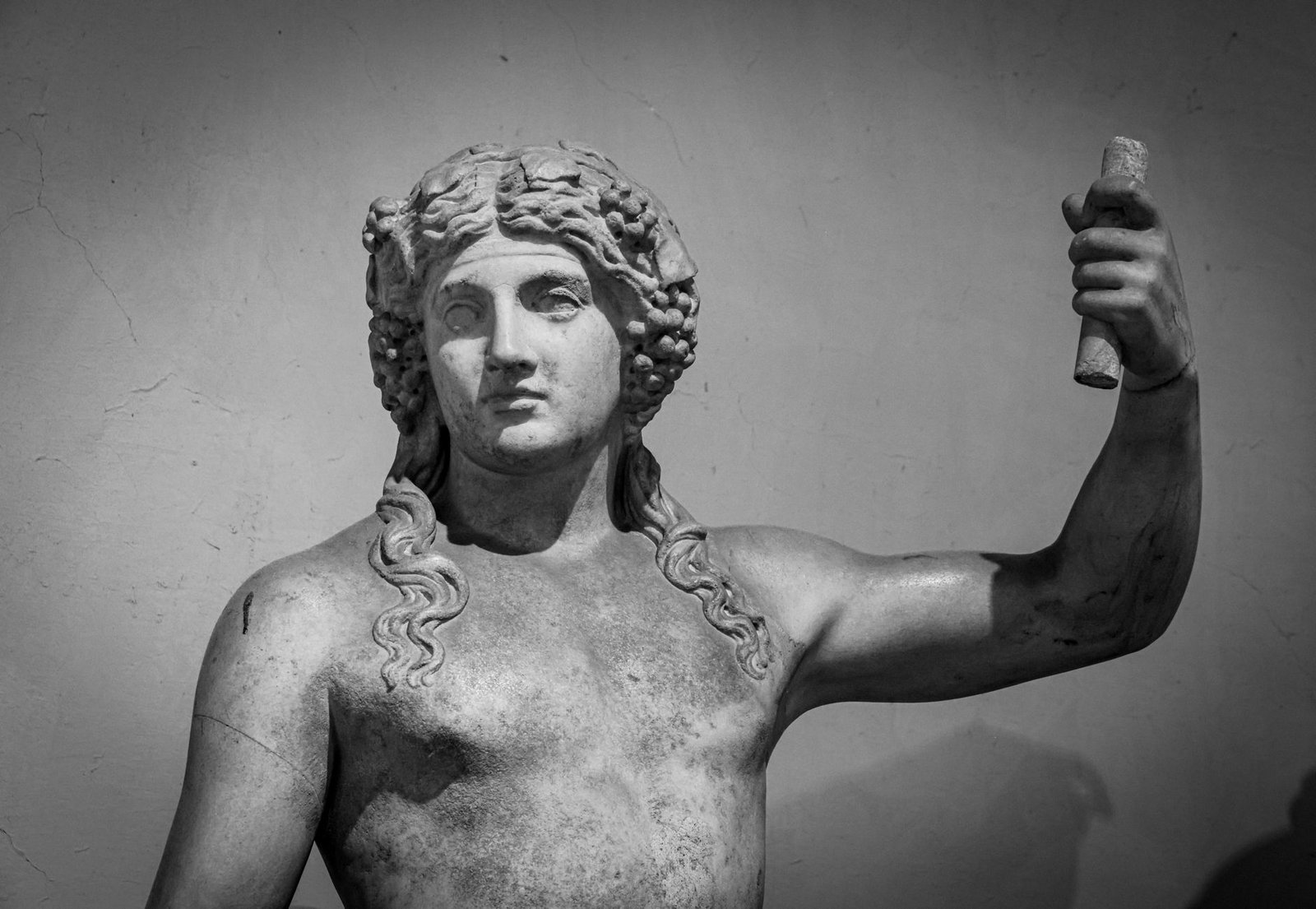
Juno is one of the most important deities in Roman religion and mythology, revered as queen of the gods, protector of marriage, and guardian of the Roman state. This article explores her ancient origins, shifting meanings, and enduring influence in Roman worship, showing how Juno united sovereignty, fertility, and female authority in one complex figure.
Minerva: Roman Goddess of Wisdom and War
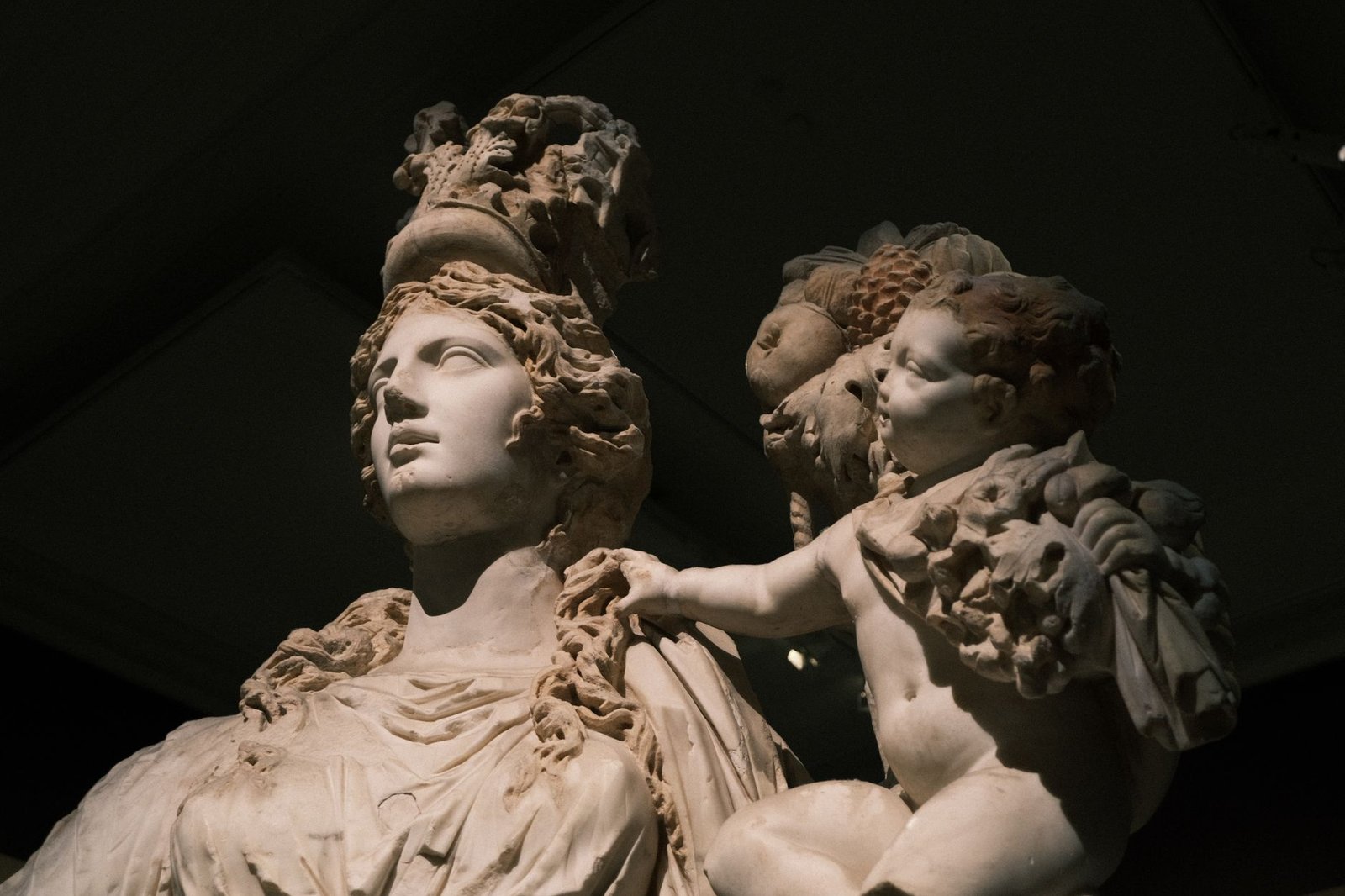
Minerva is a major deity of Greco-Roman religion, revered in Roman tradition as the goddess of wisdom, strategic warfare, crafts, learning, and disciplined action. This article explores her uncertain origins, her role in Roman public life and ritual, and the enduring influence that made Minerva a lasting symbol of intellect, protection, and cultural identity.