Ancient Greece

Thunderbolt of Jupiter: Meaning, Mythology, and Symbolism
The Thunderbolt of Jupiter is a central symbol of Greco-Roman religion, linking Rome’s chief god to lightning, storms, divine judgment, and sovereign power. Exploring its origins, meanings, and artistic representations reveals how this celestial weapon came to embody both destructive force and the authority of the heavens.
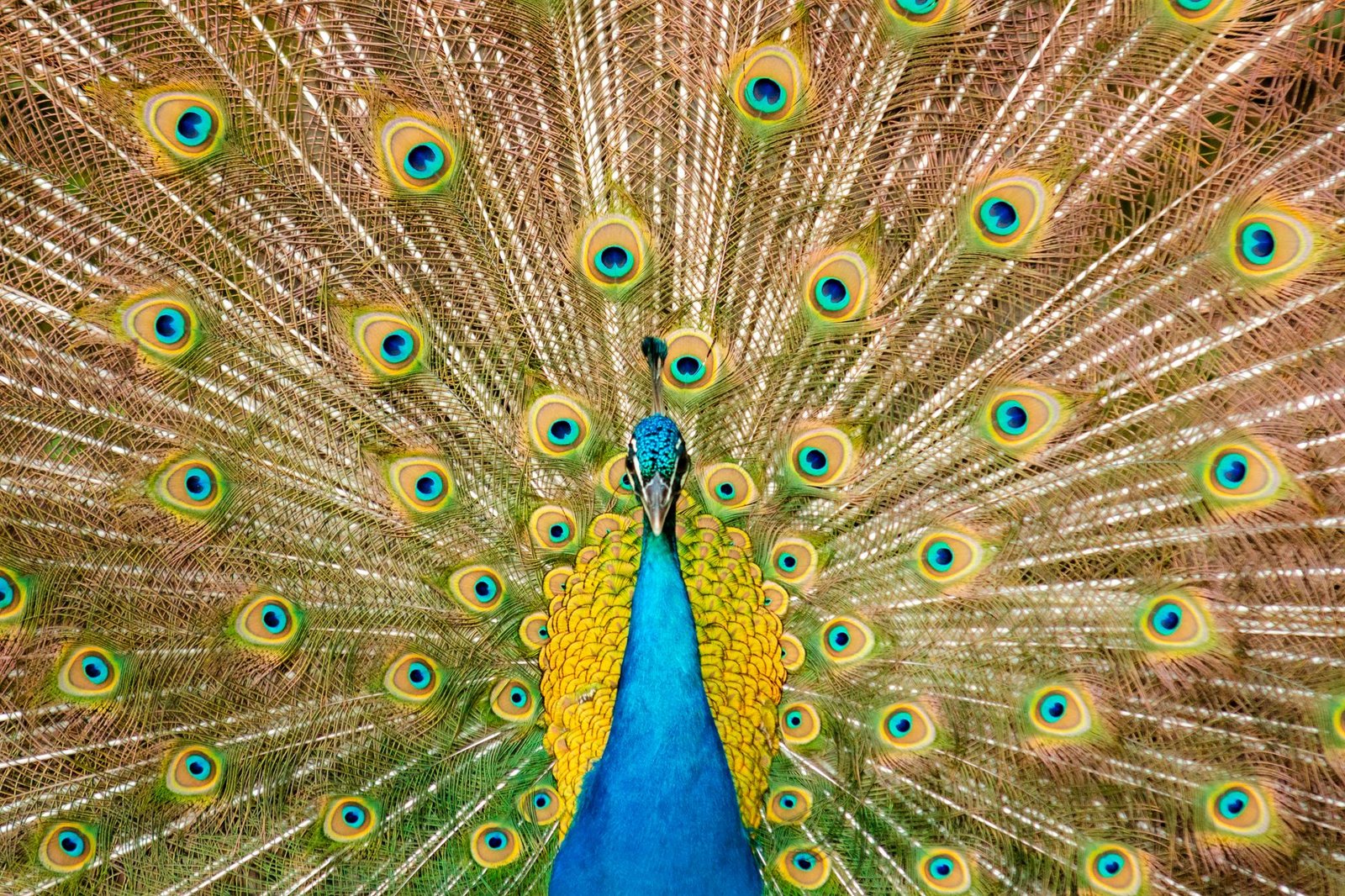
Peacock of Juno: Mythology, Symbolism, and Meaning
The Peacock of Juno is a renowned symbol in Greco-Roman mythology, linking the Roman queen of the gods with a bird revered for splendor, vigilance, and imperial dignity. Tracing its origins through myth, art, and religious meaning, the article explores how this emblem came to represent divine authority and the enduring legacy of Juno’s power.

Owl of Minerva: Meaning, Symbolism, and Philosophy
The Owl of Minerva is a lasting symbol of wisdom, careful judgment, and the reflective insight associated with Athena and her Roman counterpart, Minerva. From ancient Greek iconography to Hegel’s famous phrase, its history reveals how a simple bird became a profound metaphor for understanding that arrives only after events unfold.
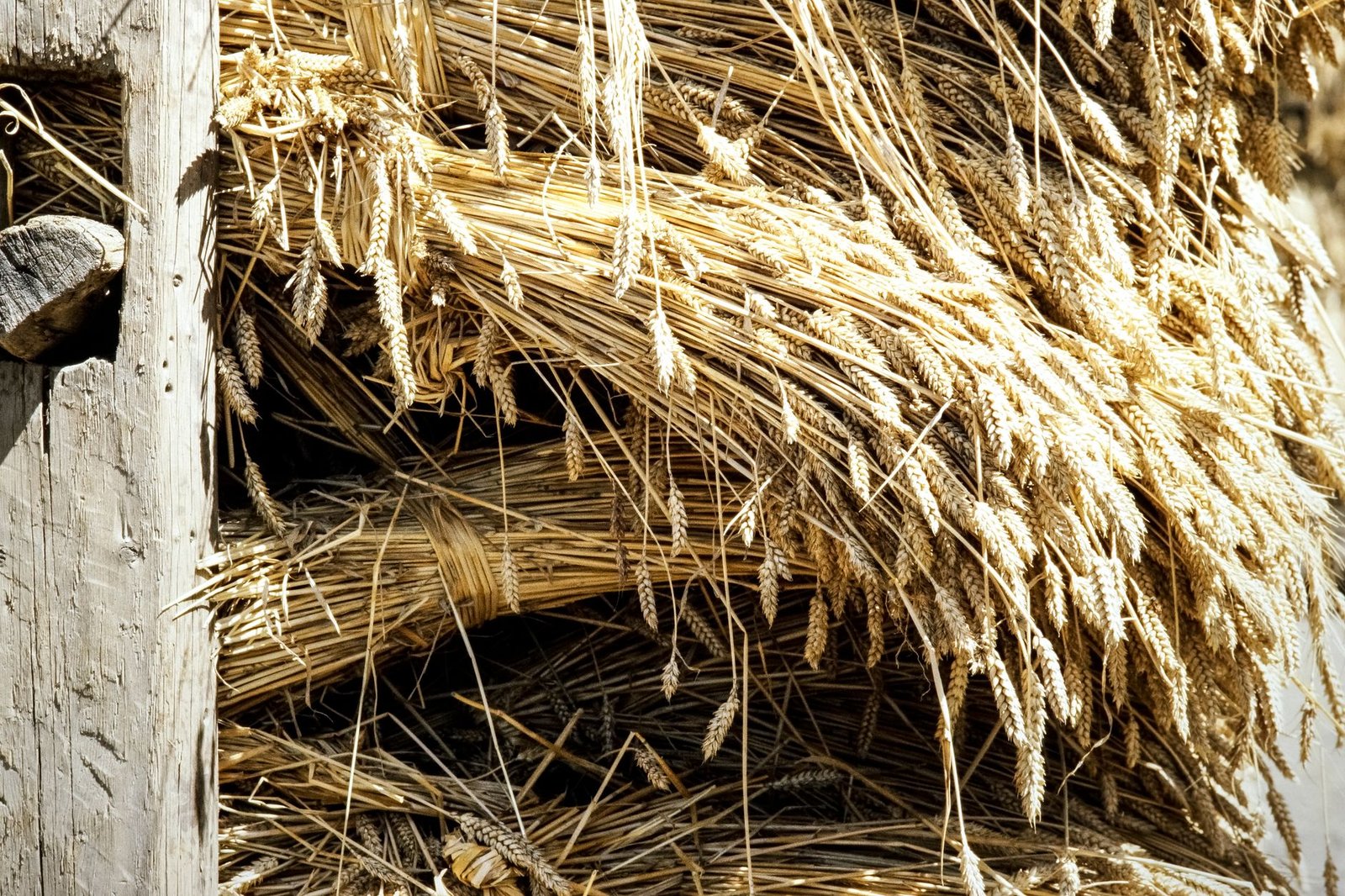
Wheat Sheaf of Ceres: Meaning, Symbolism, and History
The wheat sheaf of Ceres is a lasting symbol of Roman agriculture, embodying harvest, fertility, abundance, and the civilized order created by cultivation. Seen in ancient art, coinage, and modern heraldry, it reveals how closely grain, religion, and political stability were intertwined in the Greco-Roman world.

Caduceus of Mercury: Meaning, Symbol, and History
The caduceus of Mercury is a herald’s staff entwined with two serpents, often crowned by wings, and in classical mythology it signified messengership, safe conduct, negotiation, and practical intelligence. Though frequently mistaken for the symbol of healing, its history is distinct from the Rod of Asclepius, and its long artistic and cultural afterlife reveals why this ancient emblem still invites careful study.
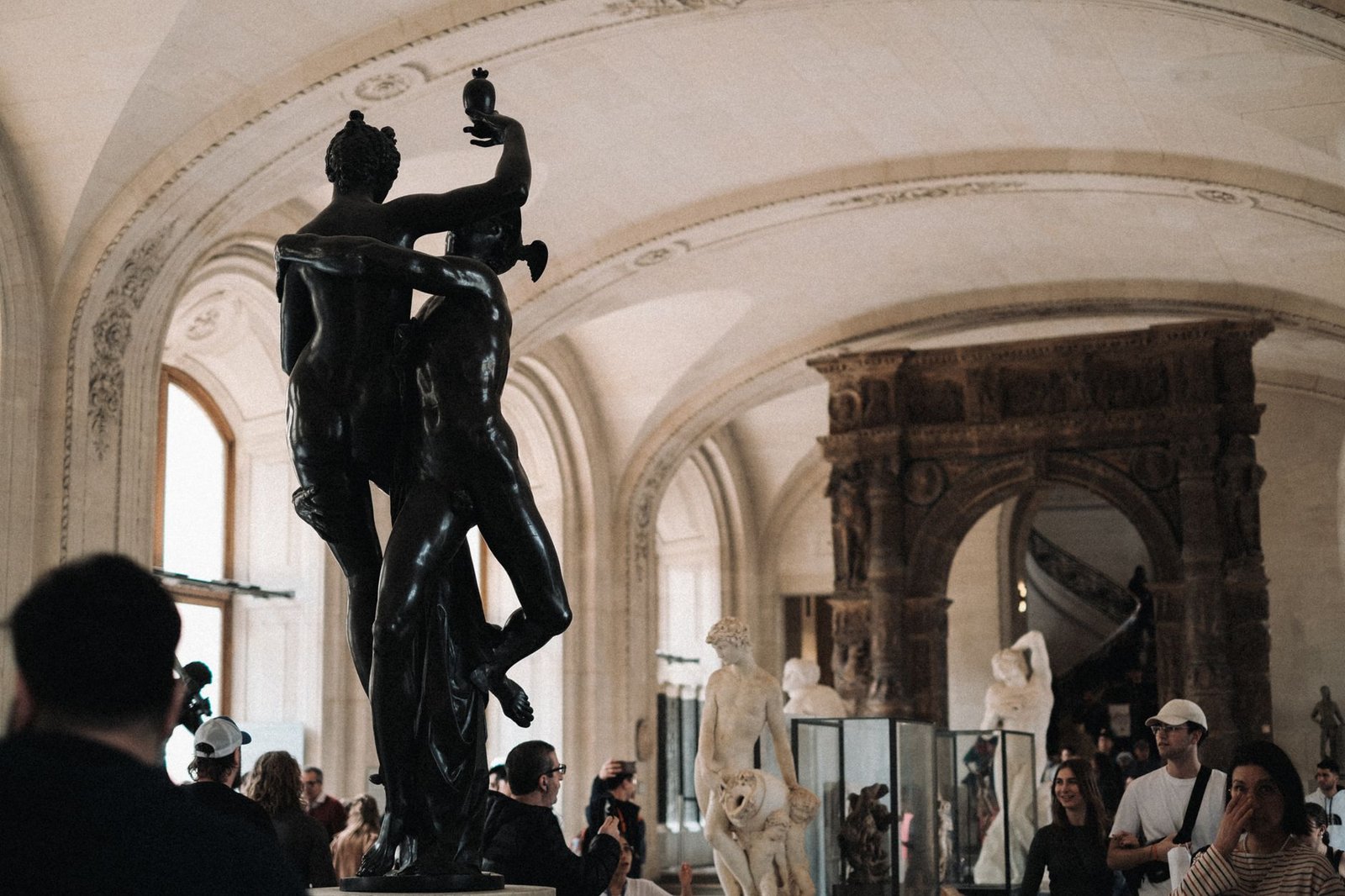
Winged Sandals of Mercury (Talaria): Mythological Guide
The Winged Sandals of Mercury, or talaria, are a striking symbol of divine speed in Greco-Roman mythology, most closely linked with Mercury and Hermes. This article explores their shifting ancient descriptions, their meanings of mobility and authority, and the enduring role they play in art, literature, and cultural imagination.

Thyrsus of Bacchus: Meaning, Symbolism, and History
The thyrsus of Bacchus is a ritual staff from Greco-Roman mythology, typically crowned with ivy, vine leaves, or a pinecone, and closely linked to Dionysus, the god of wine, ecstasy, fertility, and inspiration. As both sacred emblem and symbol of ecstatic power, it reveals the deeper world of Dionysian ritual, where celebration, transformation, and divine influence meet.

Girdle of Venus: Meaning, History, and Symbolism
The Girdle of Venus is the mythic sash associated with Venus and Aphrodite, described in ancient literature as a source of desire, persuasion, and irresistible charm. From Homer’s *Iliad* to later art and poetry, it reveals how classical myth linked beauty with magical power and enduring cultural symbolism.
Bow and Arrows of Cupid: Symbolism and Mythology
The bow and arrows of Cupid, first shaped in classical Greek and Roman tradition, symbolize love as a force that strikes suddenly, alters desire, and can bring both delight and suffering. Tracing their origins in the figure of Eros and their enduring presence in art and literature, this article explores how Cupid’s weapons came to define Western ideas of romance and its darker uncertainties.

Rudder of Fortuna: Meaning, History, and Symbolism
The Rudder of Fortuna is a classical symbol linked to the Roman goddess of fortune, portraying her as the power that steers human affairs toward prosperity, hardship, or sudden change. Often shown with a cornucopia or wheel, this image reveals how ancient writers and artists understood fate as both guiding and unstable, inviting closer study of its lasting influence.