Ancient Greece
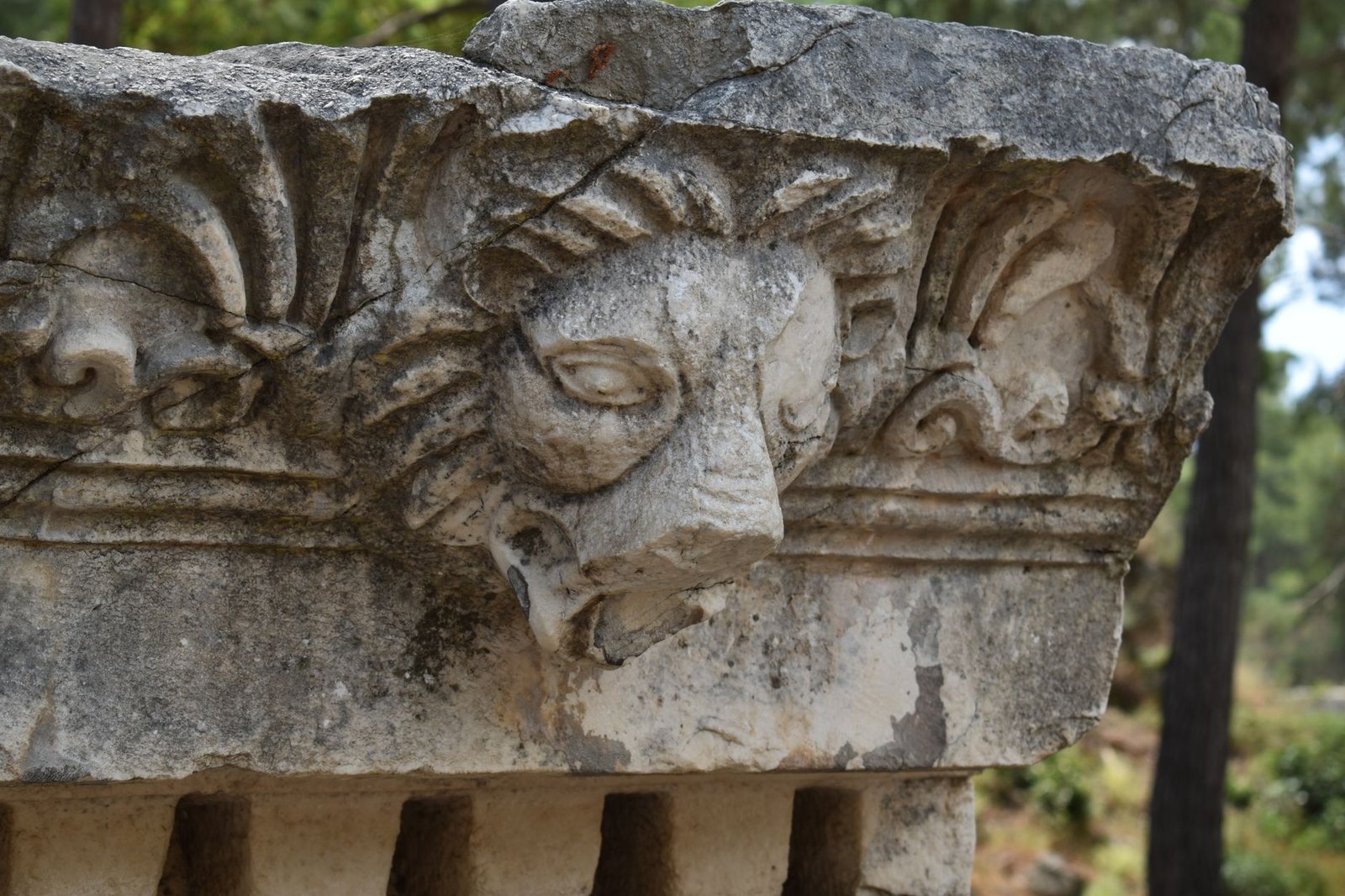
Roman Manticore: Mythology, Origins, and Symbolism
The Roman manticore is a striking example of how classical writers transformed eastern marvels into part of their own encyclopedic world, blending Greek natural history, Persian lore, and Roman curiosity. This article traces its shifting name, fearsome appearance, and literary afterlife, revealing why the creature endured as a powerful symbol of the exotic and monstrous.
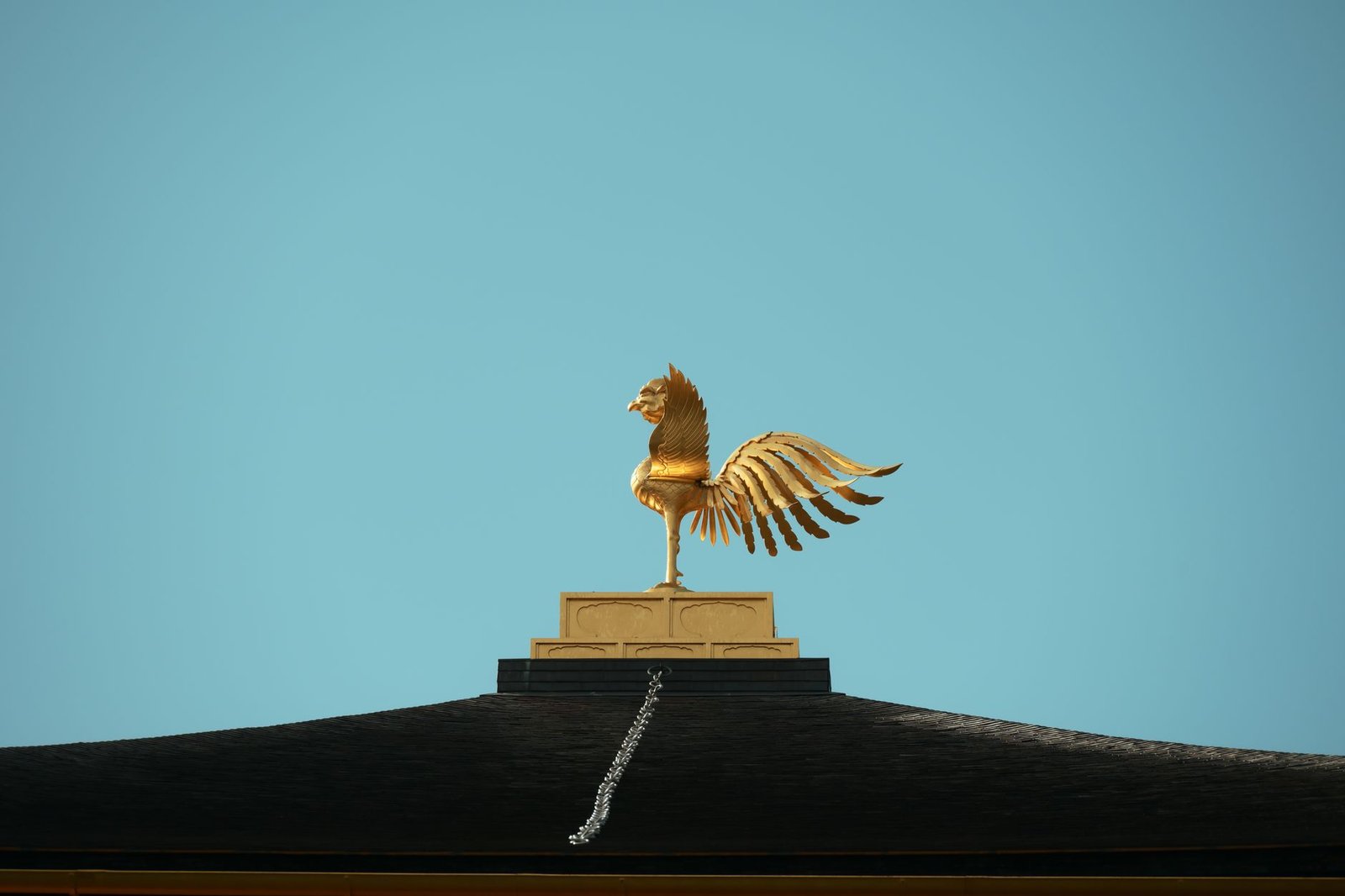
Roman Phoenix: History, Mythology, and Symbolism
The Roman Phoenix was not a distinct deity but a powerful mythic symbol in Roman religion, literature, art, and imperial imagery, representing renewal, immortality, and the continuity of empire. Traced through Greek and Egyptian influences and reinterpreted by Roman writers and rulers, its meaning reveals how ancient Rome used the phoenix to express endurance after crisis and the promise of restoration.
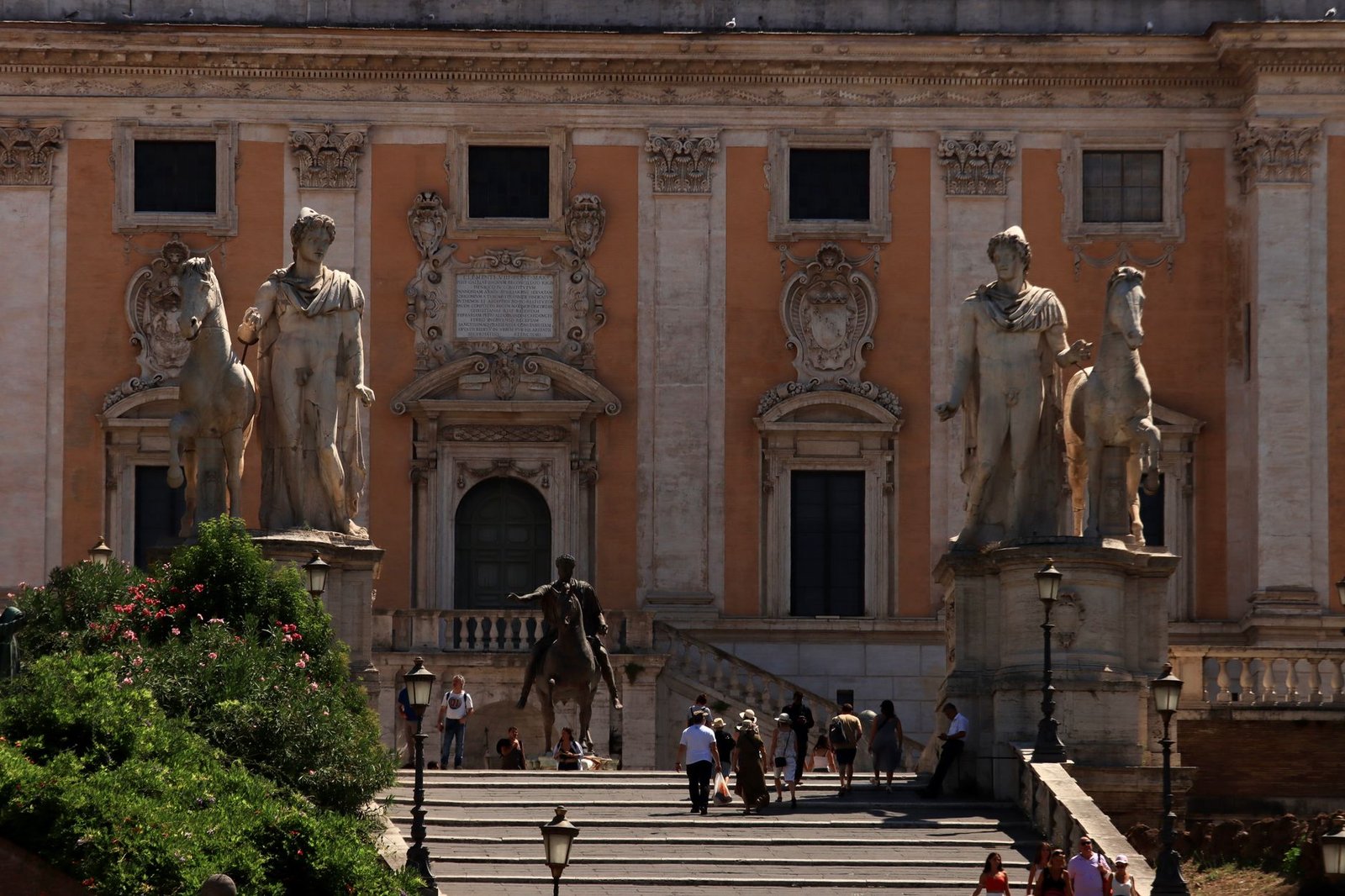
Capitoline Geese: History, Legend, and Roman Significance
The Capitoline Geese are remembered in Roman tradition as the temple birds whose sudden cries warned the city of a Gallic assault on the Capitoline Hill, an episode that became a lasting emblem of vigilance and divine protection. Blending legend, religion, and civic memory, their story reveals how ancient Romans understood sacred animals and omens—and why this celebrated tale continued to resonate long after the siege itself.
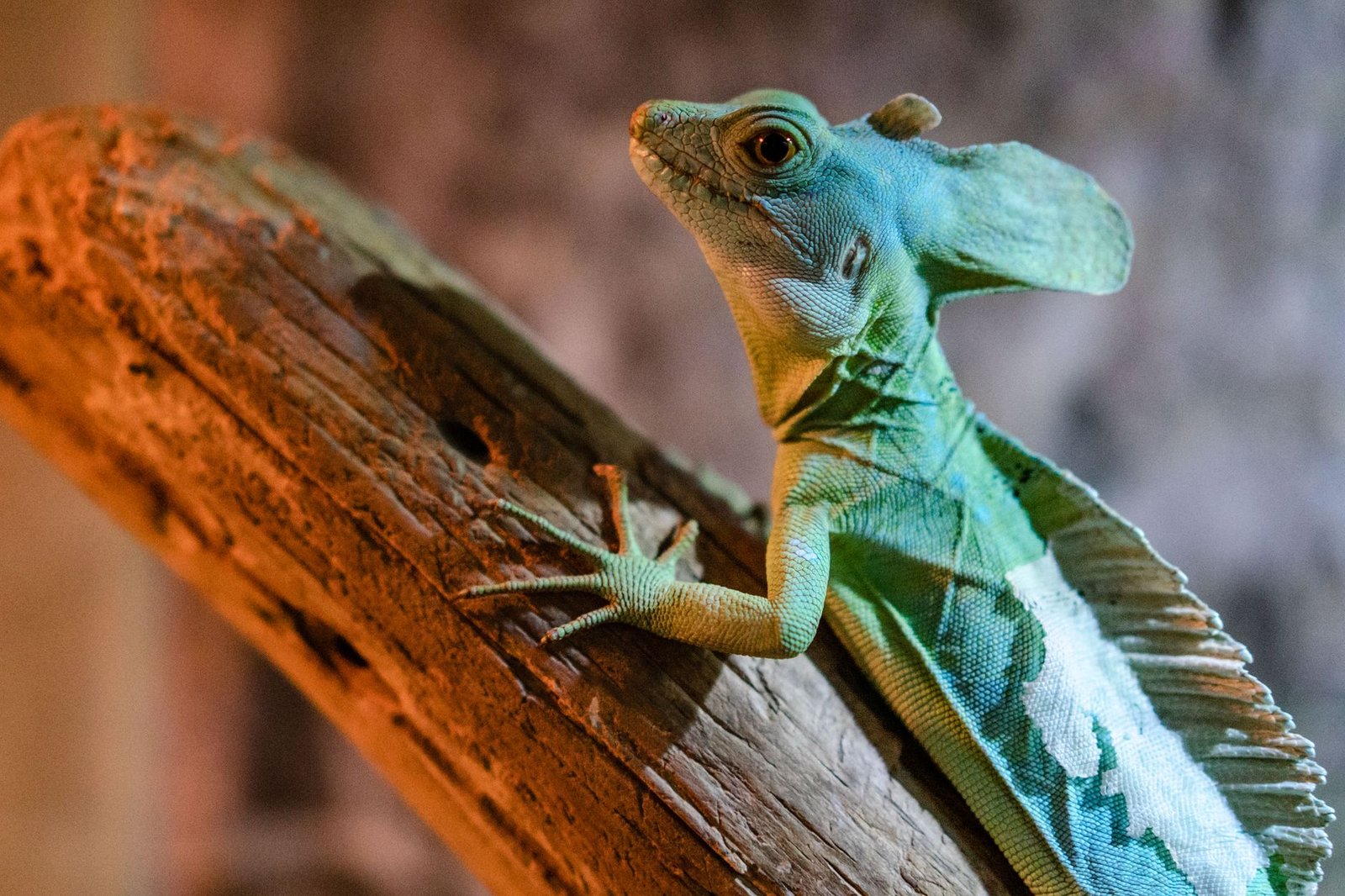
Roman Basilisk: History, Myth, and Symbolism
The Roman basilisk was not a formal deity, but a legendary serpent absorbed from Greek lore into Roman literature, natural history, and moral writing. Famous for its lethal gaze and royal name, the Roman basilisk reveals how antiquity blended observation, myth, and wonder in describing the world’s most feared creatures.
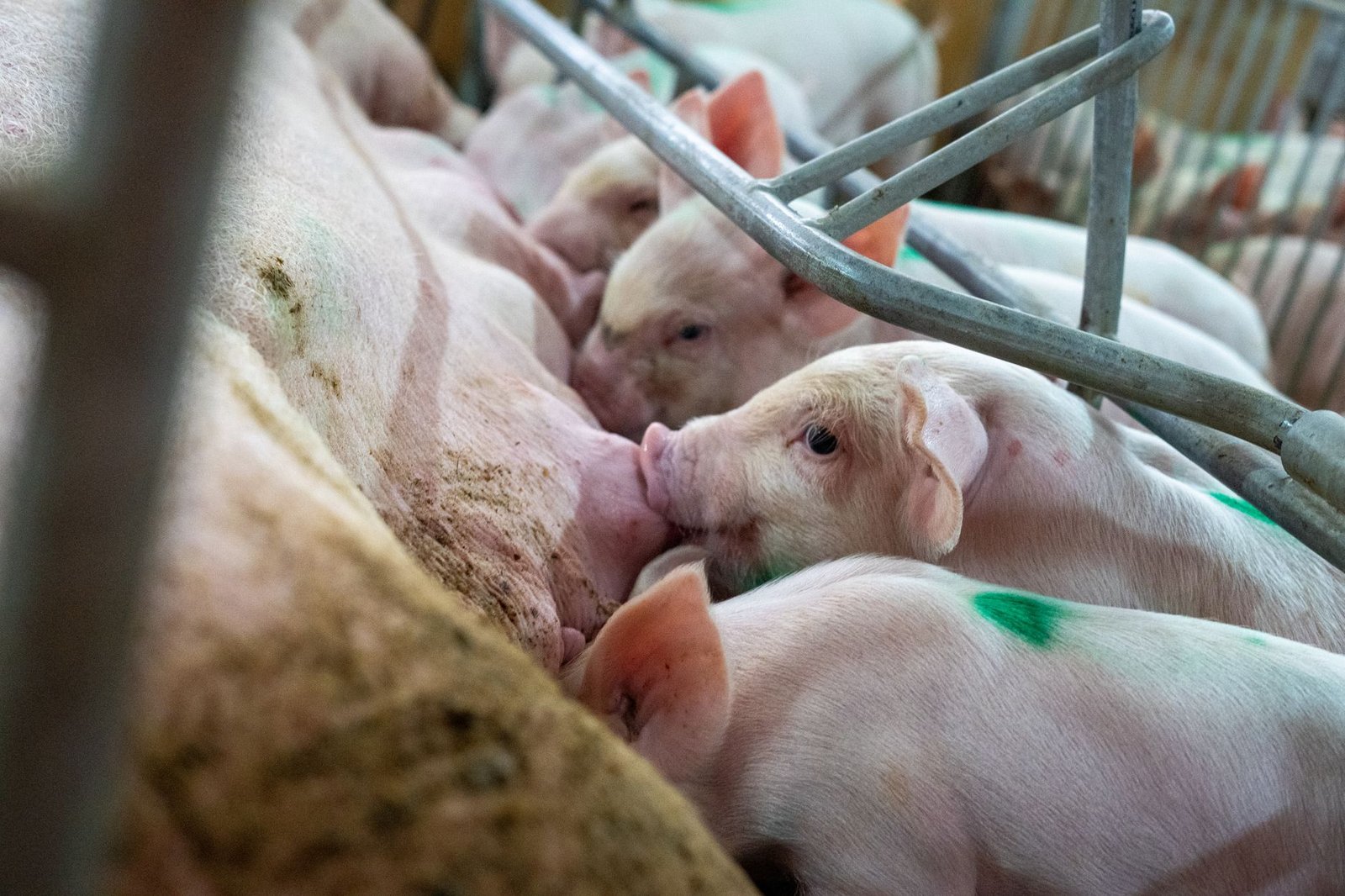
Sow of Lavinium: Ancient Roman Myth and Symbolism
The **Sow of Lavinium** is a striking omen in Roman foundation legend, when a white sow with thirty piglets was said to appear at Lavinium, signaling divine approval of Aeneas’s settlement in Latium. Brief in the sources but rich in meaning, the episode links prophecy, place, and dynastic destiny, inviting closer attention to Rome’s mythical beginnings.
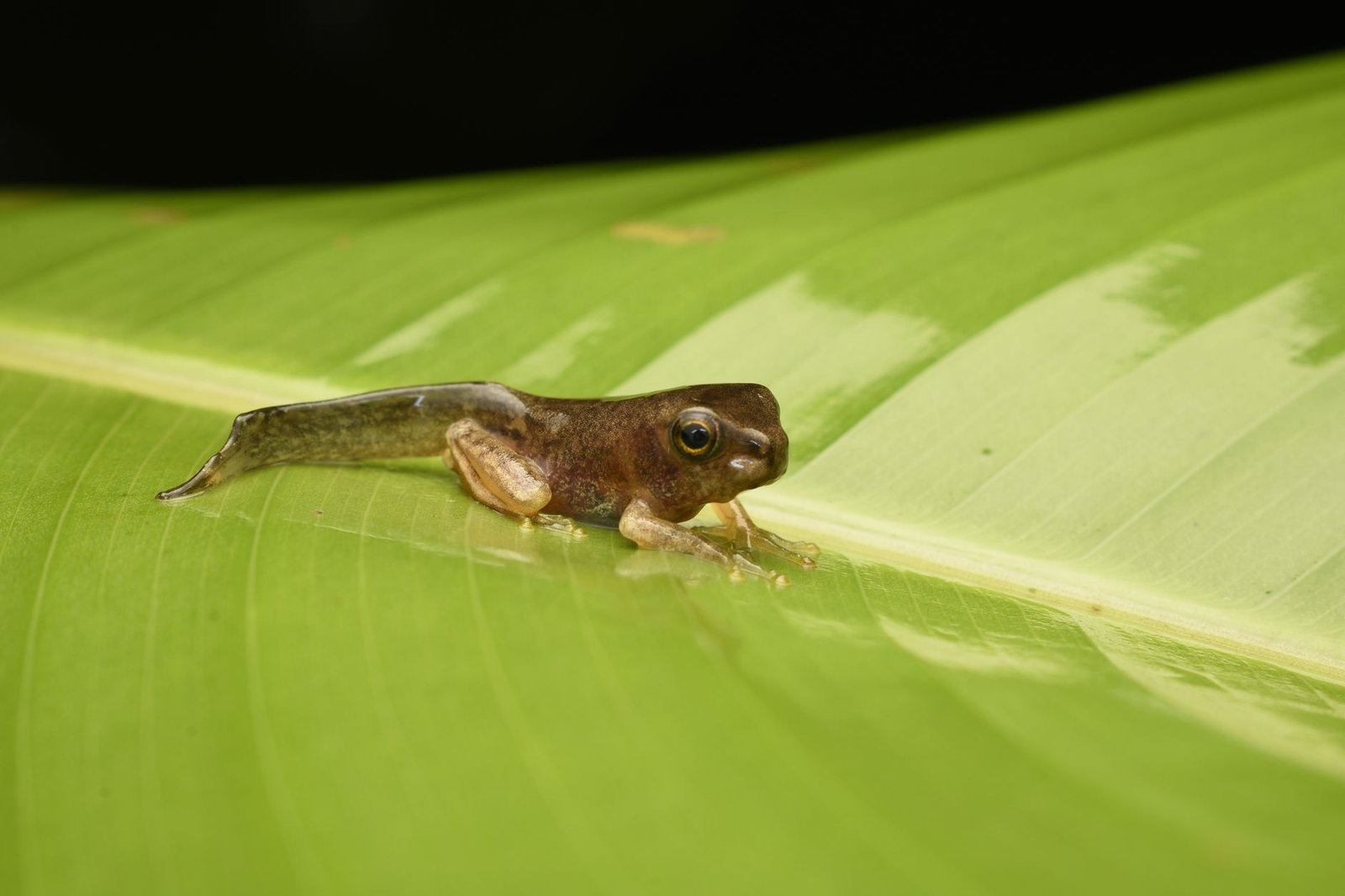
Larvae: Definition, Stages, and Life Cycle Explained
Larvae are the immature, often free-living stages of many animals, including insects, amphibians, and marine invertebrates, and they can differ strikingly from the adult in form, habitat, and diet. Their role in metamorphosis, dispersal, and ecological survival makes larvae a vital subject in biology, with surprising importance across agriculture, medicine, fisheries, and evolution.
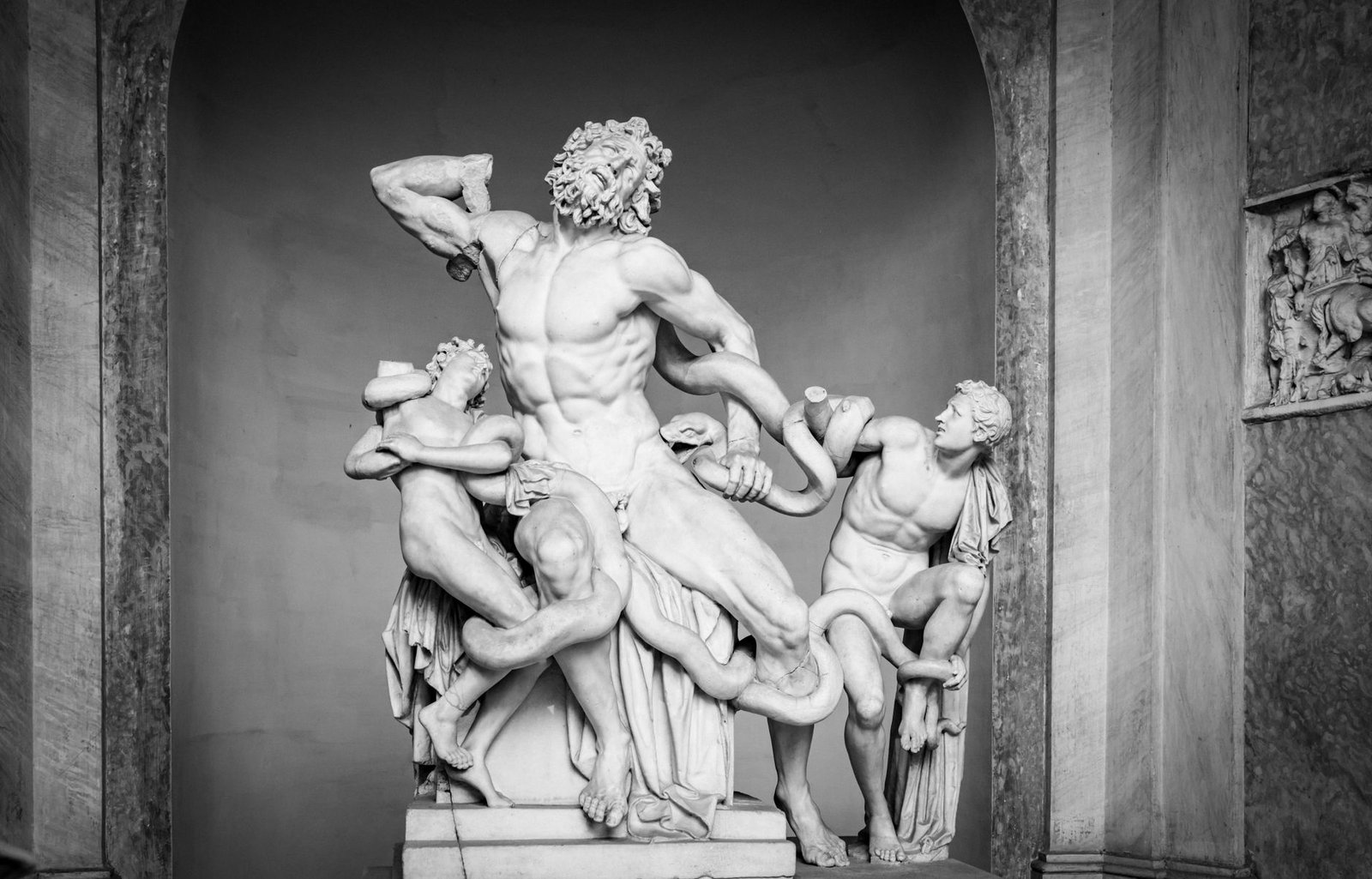
Serpents of Laocoön: Meaning, Myth, and Artistic Significance
The Serpents of Laocoön are central to a celebrated Greek myth in which divine snakes punish Laocoön, a Trojan priest, and his sons after he warns against the wooden horse. This episode became a lasting symbol in art and literature, shaping interpretations of fate, suffering, and the peril of defying the gods.
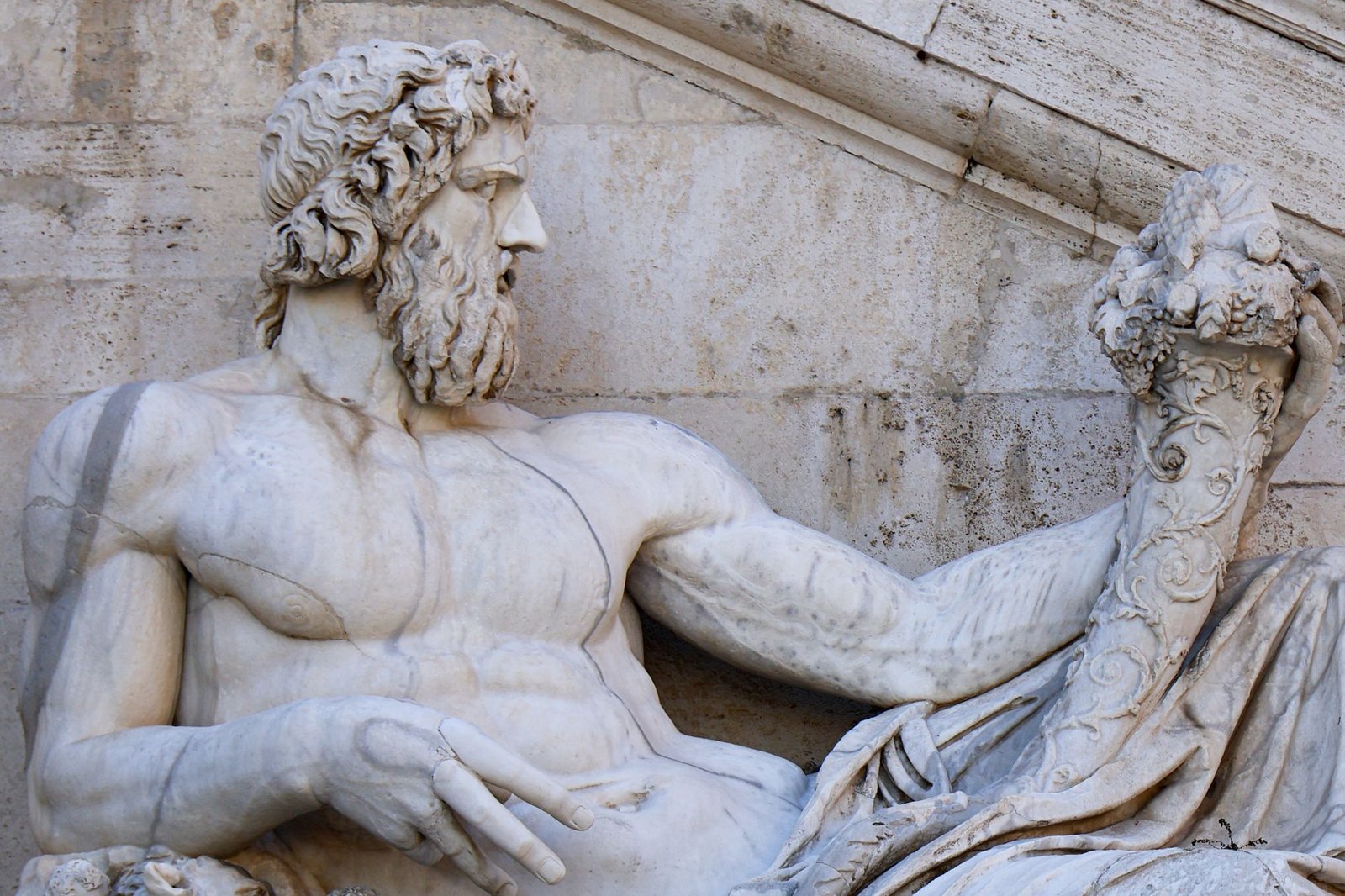
Cacus: Mythological Figure in Roman Legend
Cacus is a formidable figure in Roman mythology, remembered as a fire-breathing cave-dweller who stole Hercules’ cattle and was slain for his crime. His story, set near the Aventine Hill and the Forum Boarium, reveals how Roman legend tied heroic conflict to the sacred landscape and the shaping of early identity.
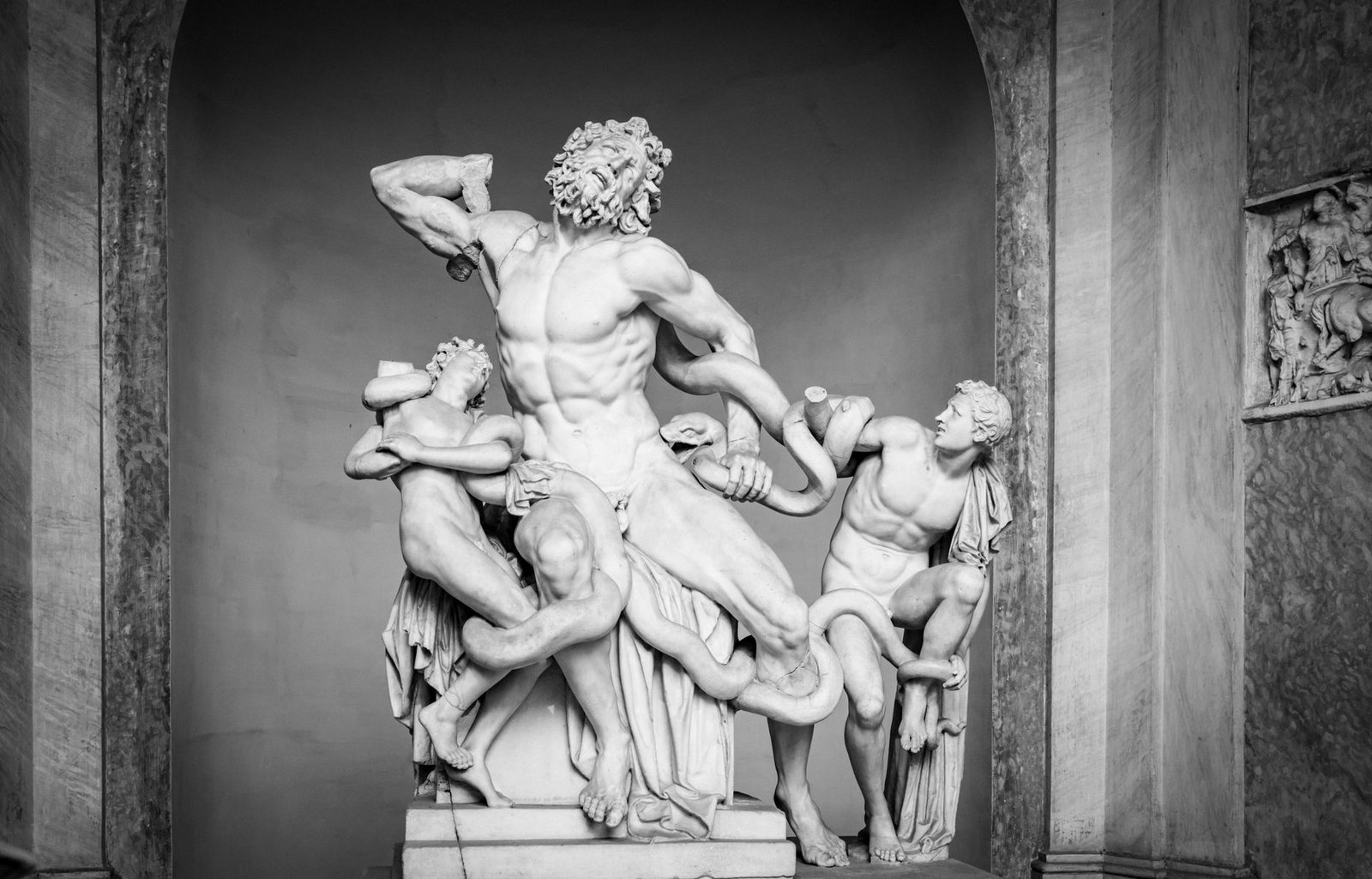
Geryon: Greek Mythology Giant and Heracles Opponent
Geryon is a striking figure from Greek mythology, best known as the triple-bodied king of Erytheia whose herd of red cattle drew Heracles to the far western edge of the world. Exploring his name, shifting ancient descriptions, and lasting presence in literature and art reveals how this monster came to embody the mysteries of remote lands and heroic conquest.
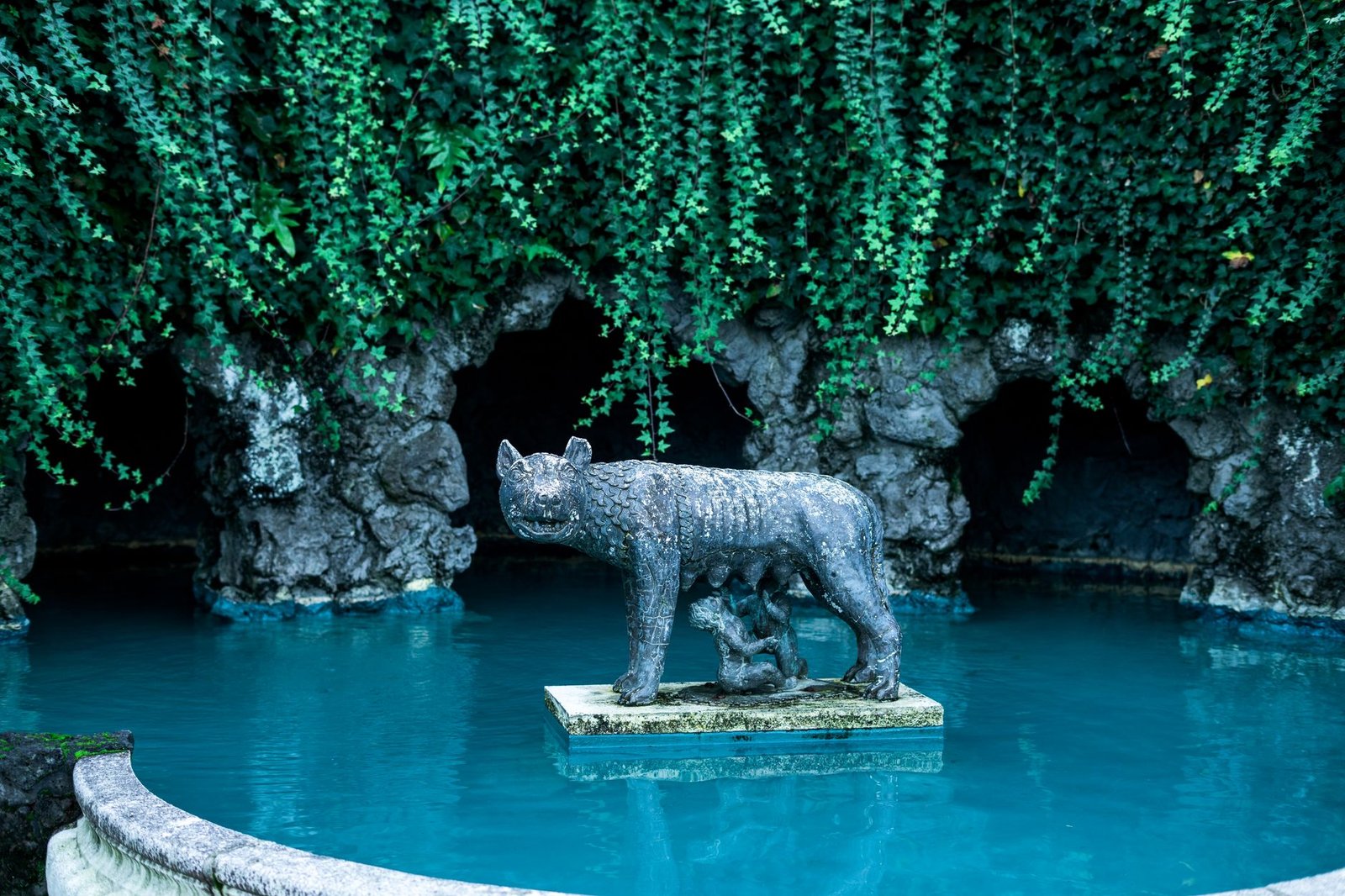
She-Wolf of Rome (Lupa Capitolina): History and Meaning
The She-Wolf of Rome, or Lupa Capitolina, is a powerful emblem of the city’s legendary origins, combining the myth of Romulus and Remus with a bronze image that has shaped Roman identity for centuries. Its debated dating, layered meanings, and enduring political and artistic influence reveal why this familiar figure continues to invite closer study.