Ancient Greece
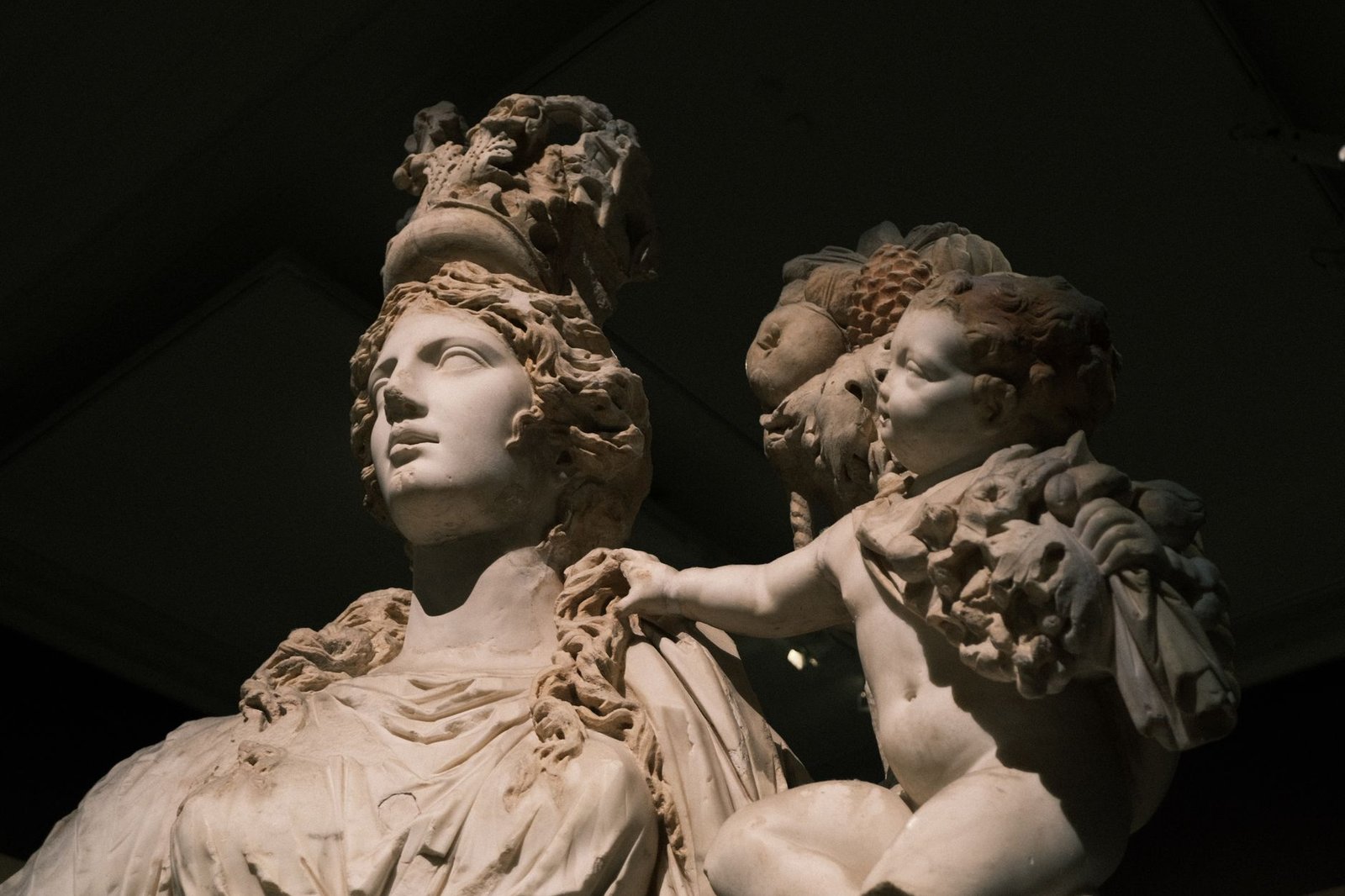
Apollo and Daphne: Myth, Summary, and Meaning
Apollo and Daphne is one of classical mythology’s most enduring tales, recounting how the nymph Daphne was transformed into a laurel tree to escape Apollo’s pursuit. Rooted in Ovid’s *Metamorphoses*, the myth explores desire, resistance, and metamorphosis while explaining why the laurel became sacred to Apollo and influential in later art and culture.
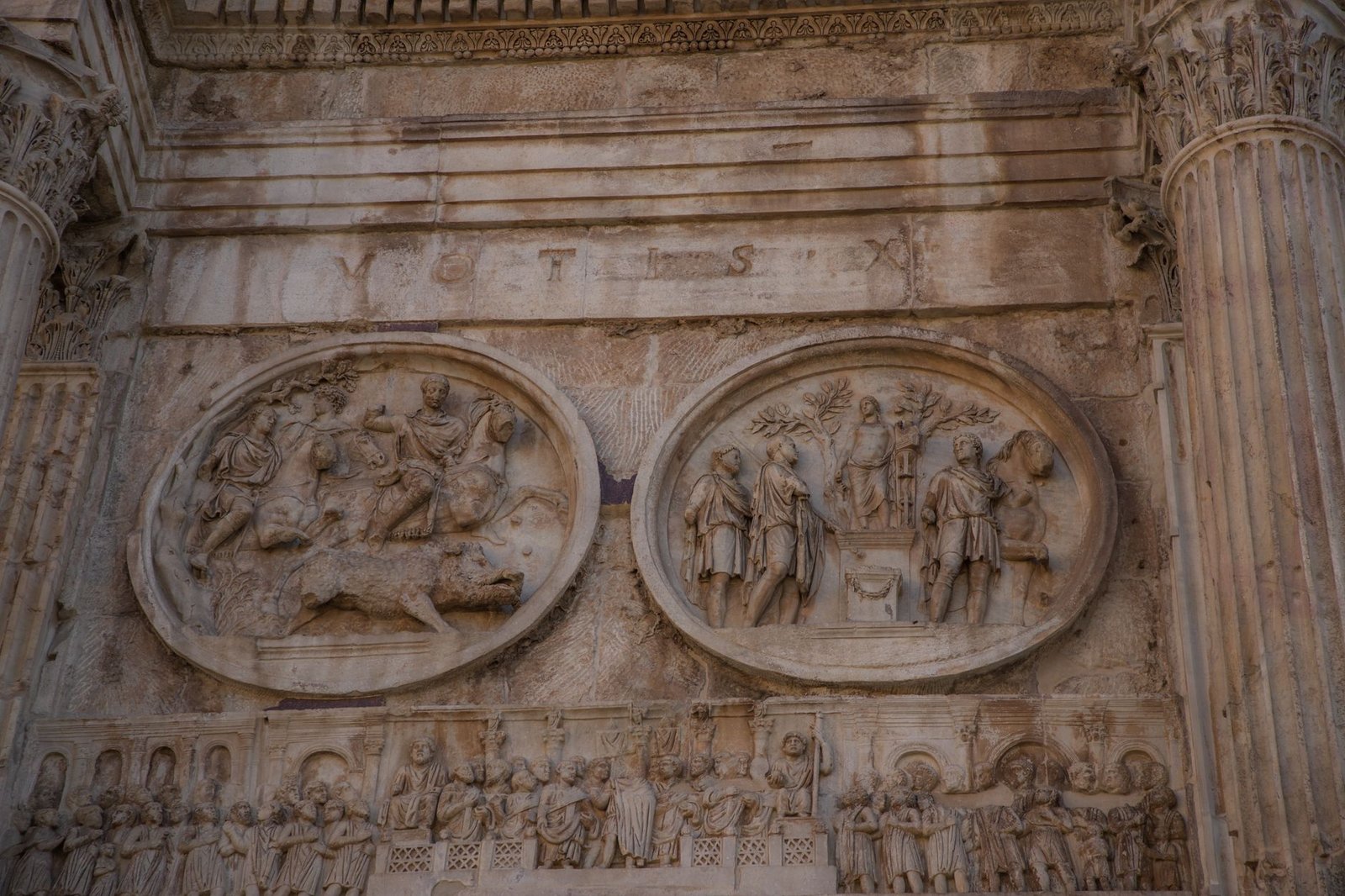
Romulus Apotheosis Into Quirinus: Roman Deification
The **apotheosis of Romulus into Quirinus** is a central Roman myth linking the legendary founder of Rome to a god associated with civic identity, martial order, and the sacred life of the community. Exploring this tradition reveals how Romans fused kingship, religion, and political memory, while the shifting ancient accounts leave open questions about how the transformation was understood.

Founding of Rome: Myth or History Explained
The founding of Rome lies between myth and history, preserving the legendary tale of Romulus and Remus while also reflecting the real growth of Iron Age settlements along the Tiber. This article examines how Roman tradition, archaeology, and later historical writing shaped the enduring question of whether Rome began in 753 BCE or emerged gradually from earlier communities.

Why Rome Has Two Founding Myths: Aeneas and Romulus
Rome’s two founding myths, Aeneas and Romulus, reveal more than a contradiction: they preserve different ways Romans explained their origins, one reaching back to Troy and the wider Mediterranean, the other rooted in Italy and civic violence. This excerpt explores how both traditions shaped Roman identity, authority, and historical memory, and why neither ever fully displaced the other.
Aeneid vs. Iliad and Odyssey: Key Differences
The difference between the Aeneid and the Iliad/Odyssey lies not only in plot, but in purpose: Homer’s epics explore heroism, suffering, and return, while Virgil’s Aeneid recasts epic tradition to explain Rome’s destiny. Comparing their gods, heroes, and narrative aims reveals how Roman literature adapted Greek models into a work of political, cultural, and moral significance.

Fauns vs Satyrs: Differences, Origins, and Mythology
Fauns vs Satyrs examines two closely related figures in Greco-Roman mythology: rustic, half-human woodland beings tied to fertility, music, wine, and untamed nature. Although their images and roles often overlap, satyrs are chiefly Greek companions of Dionysus, while fauns arise from Roman tradition and were later conflated with them, revealing how ancient cultures shaped ideas of wild divinity.

Difference Between Lemures and Larvae
The difference between Lemures and related Roman spirit-terms lies in their role, tone, and ritual context: lemures were usually restless or potentially harmful dead, while manes could be a more neutral designation for the departed and lares protective household spirits. Exploring these distinctions reveals how Roman religion classified the afterlife, explained haunting, and distinguished between ancestral reverence and fear.

Are the Furies the Same as the Erinyes? Explained
The Furies and the Erinyes are, in most contexts, the same figures: ancient Greek avenging spirits later known in Latin and English by a different name. This article traces their meanings, origins, and role in myth and tragedy, showing how these fearsome beings embodied justice, punishment, and the uneasy path from vengeance to order.

Strix (Striges): Owl Genus and Ancient Mythology
Strix (Striges) refers to a feared creature of Greco-Roman antiquity, described variously as a monstrous owl, night demon, or witch-like being that threatened children and drained blood. Tracing its shifting meanings across literature, magic, and folklore reveals how the strix helped shape later ideas of witches, omens, and nocturnal supernatural beings.

Charon: Definition, Mythology, and Significance
Charon, the grim ferryman of Greek mythology, carries souls across the boundary between the living world and the underworld, embodying passage, loss, and the finality of death. From ancient funerary beliefs to later literature and art, his enduring presence invites a closer look at how Greeks imagined the soul’s journey beyond life.