Ancient Greece

Rhiannon: Meaning, Mythology, and Cultural Origins
Rhiannon is a celebrated figure in Welsh mythology, best known from the Mabinogion as a majestic and enigmatic woman linked to sovereignty, horses, and the supernatural. Her stories—at once tragic, royal, and symbolic—reveal why she remains central to discussions of Celtic legend, and why her legacy continues to invite closer reading.

How Many Celtic Gods Are There? Complete Guide
How many Celtic gods are there? The answer is not fixed, because Celtic religion was never preserved in a single canon; instead, scattered inscriptions, manuscripts, archaeology, and folklore reveal dozens, perhaps hundreds, of regional and local deities. This article explains why the number is so elusive and what the surviving evidence reveals about Celtic belief.
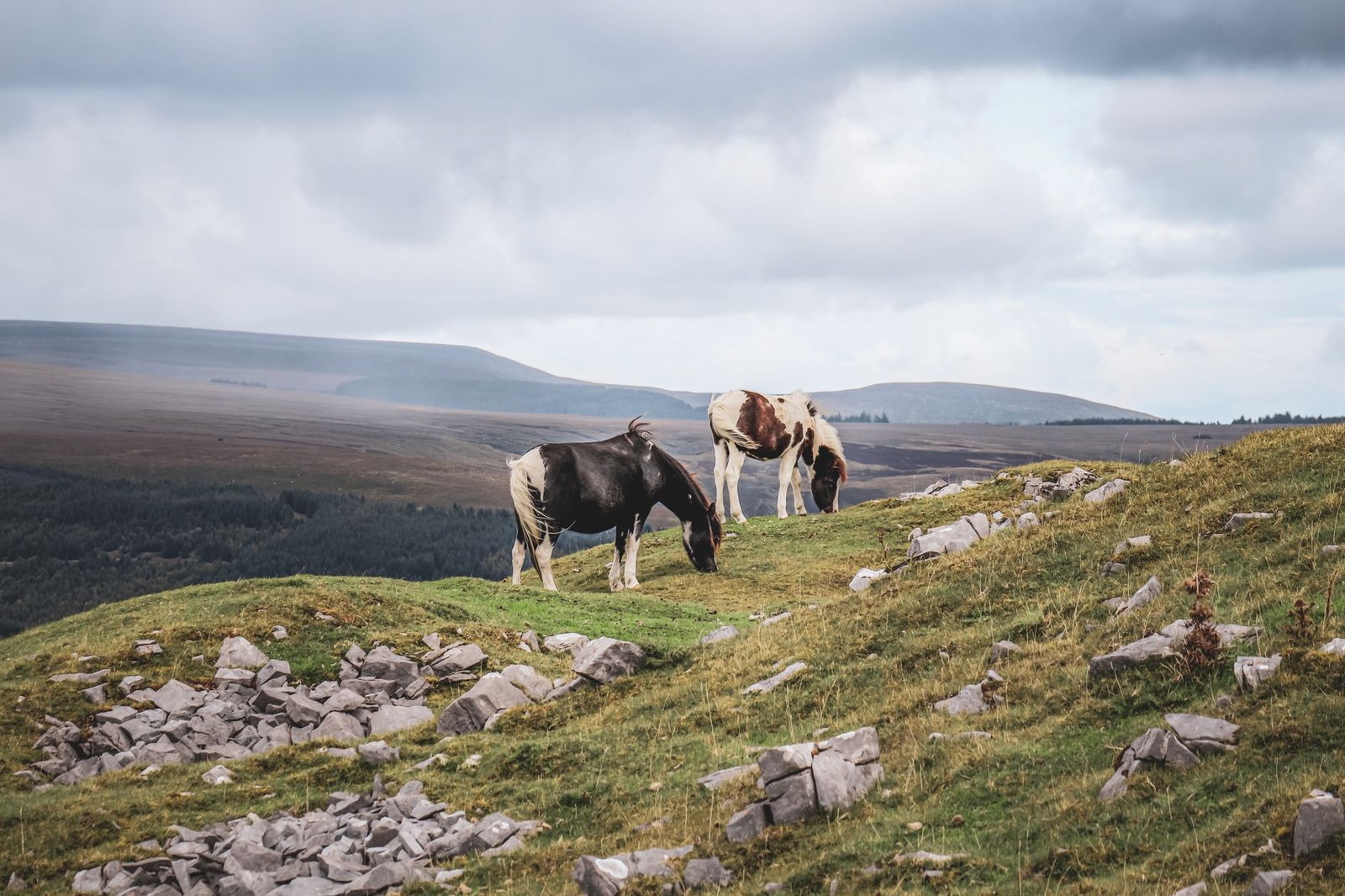
Irish vs Welsh Celtic Mythology: Key Differences Explained
Irish vs Welsh Celtic mythology compares two closely related yet distinct traditions preserved in medieval Irish and Welsh literature, each shaped by different historical and Christianizing contexts. Their stories share Celtic themes of the Otherworld, sacred kingship, and supernatural conflict, while revealing striking differences in narrative style, heroes, and the cultural world they reflect.
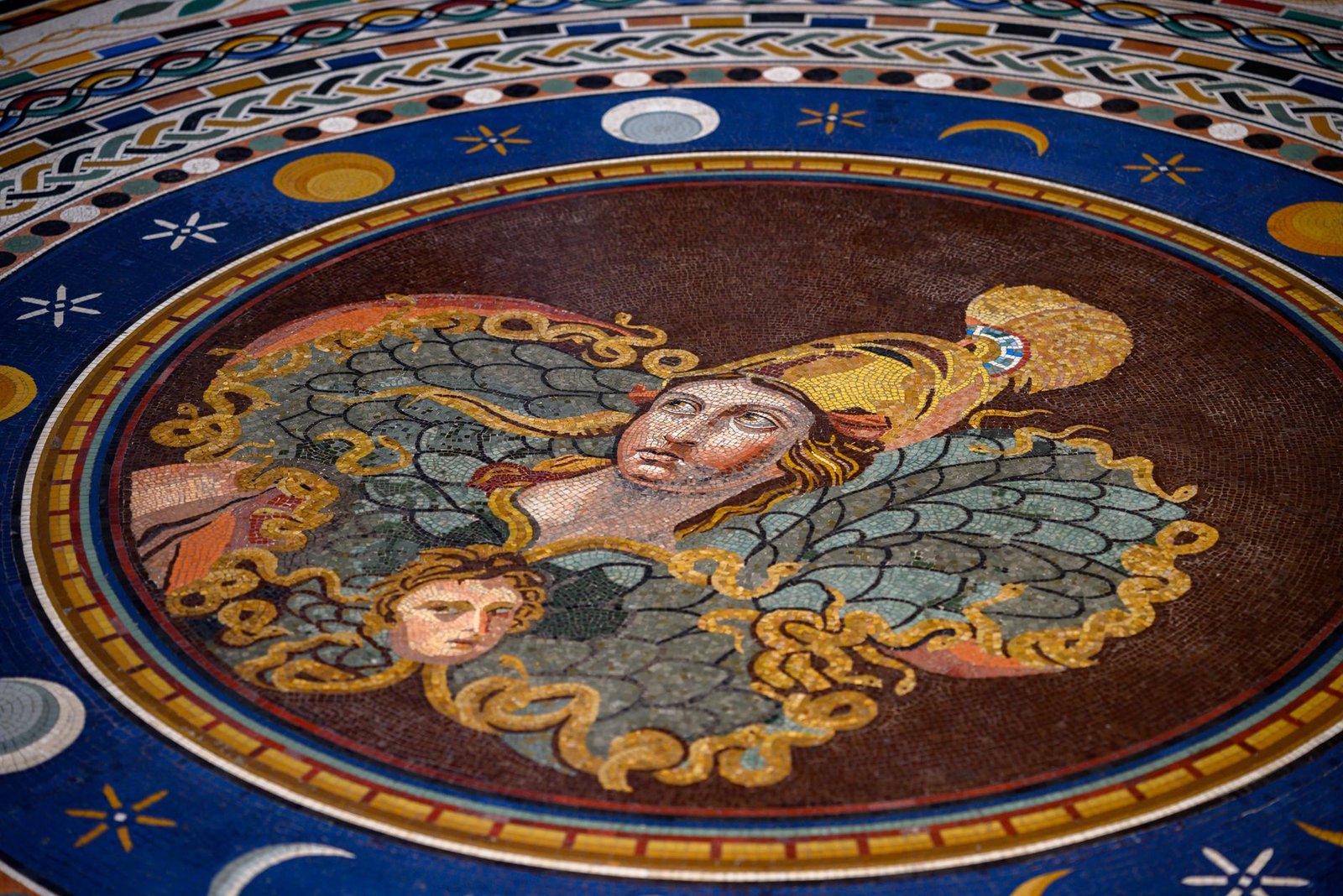
Dian Cecht: Irish Mythology God of Healing
Dian Cecht is a central healing deity in Irish mythology, revered as the divine physician of the Tuatha Dé Danann and celebrated for restoring warriors, replacing lost limbs, and performing miraculous cures. Yet his legends also reveal a complex figure whose medical skill, rivalry, and moral ambiguity illuminate the deeper role of healing in medieval Irish tradition.
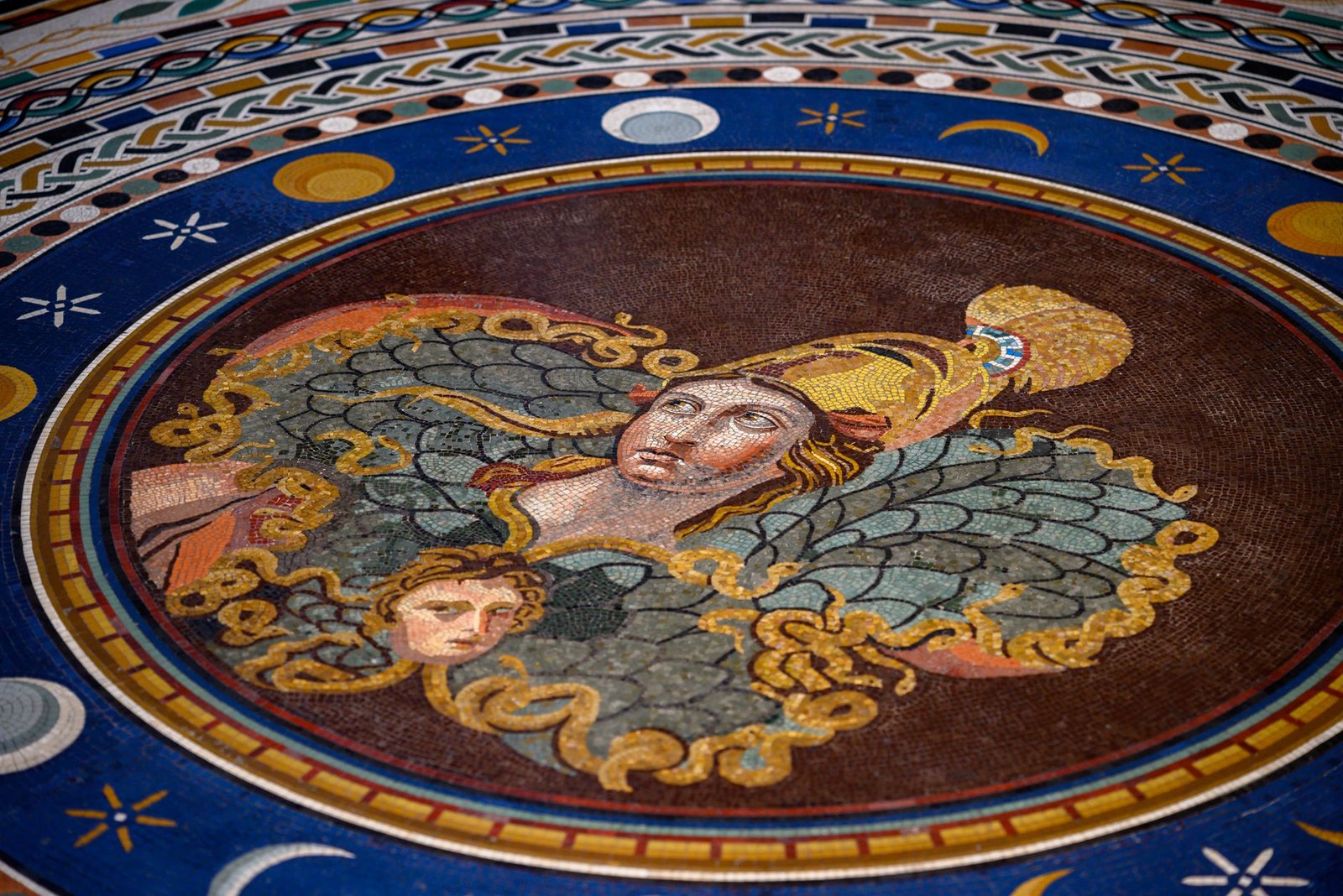
Danu: Celtic Mother Goddess and Mythology Overview
Danu is a name found across Indo-European mythologies, most famously as the possible mother-goddess of the Tuatha Dé Danann in Ireland and as a primordial water figure in Indo-Iranian tradition. Exploring Danu reveals how ancient river names, fertility symbolism, and shifting mythic roles point to a deeper history that links language, landscape, and divine ancestry.

Cerridwen: Welsh Goddess, Myth, and Legend
Cerridwen is a central figure in Welsh mythology, known as a powerful enchantress linked to inspiration, prophecy, transformation, and the cauldron of knowledge. Her presence in medieval texts such as the *Tales of Taliesin* has made her a lasting symbol of feminine sovereignty and hidden wisdom, inviting closer study of her elusive origins and cultural significance.
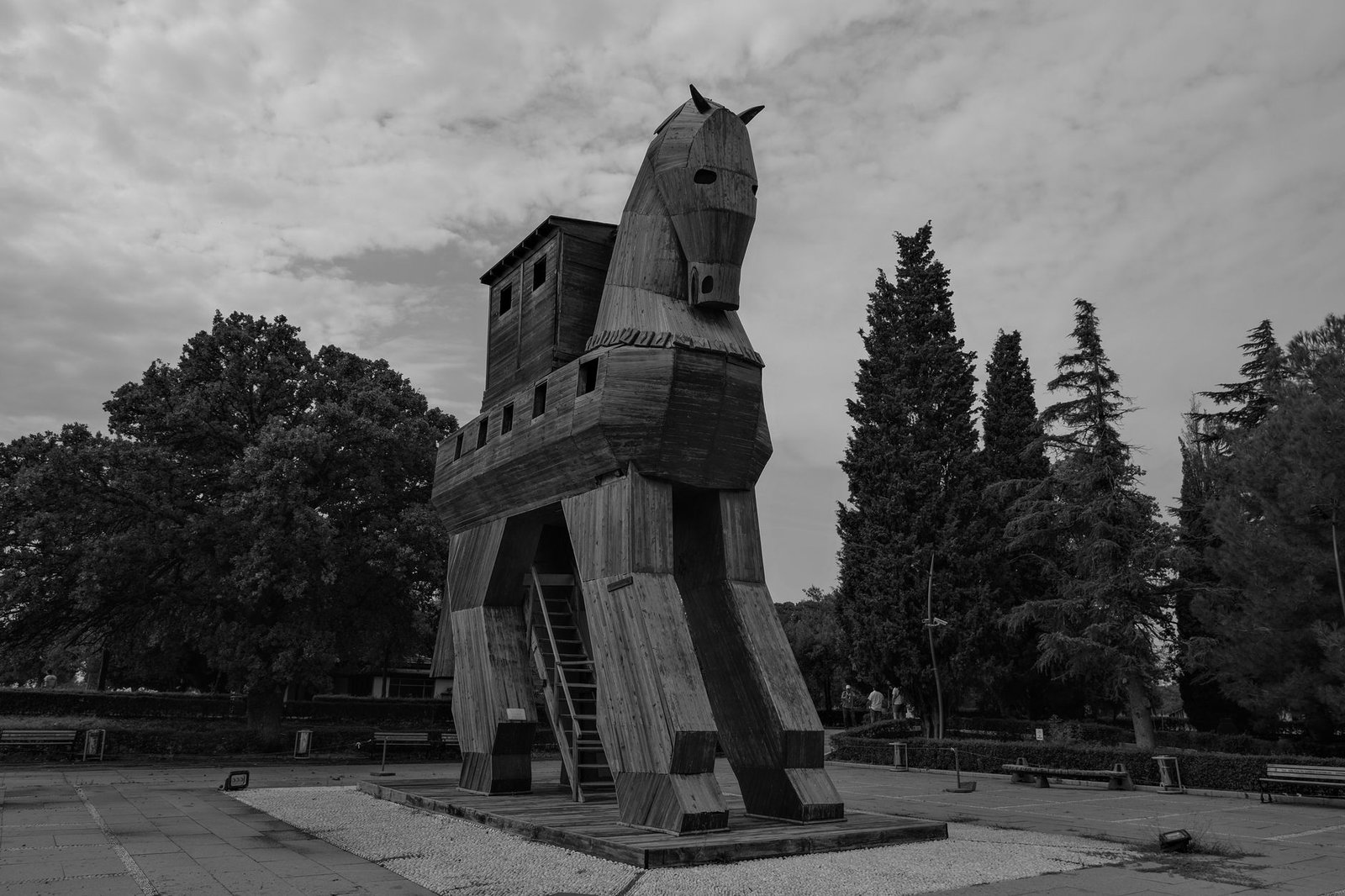
Aeneas’s Flight from Troy: Myth and Story Explained
Aeneass Flight from Troy recounts the Trojan hero’s escape from the burning city with his family, sacred relics, and the burden of preserving Troy’s legacy. Central to both Greek myth and Roman identity, the episode blends divine intervention, filial duty, and survival, setting in motion the legendary journey that would lead to Italy and, ultimately, Rome.

Aeneas and Dido in Carthage: The Story and Meaning
Aeneas and Dido in Carthage is a central episode of Virgil’s *Aeneid*, where the Trojan exile Aeneas meets Queen Dido and their brief union is shaped by fate, divine pressure, and political obligation. The story illuminates Roman ideas about duty, empire, and loss, while raising enduring questions about love, sacrifice, and the origins of Carthage and Rome.
Aeneas’s Descent Into the Underworld: Meaning and Summary
Aeneass Descent into the Underworld, a central episode in Virgil’s *Aeneid*, recounts the Trojan hero’s journey into the realm of the dead under the guidance of the Sibyl of Cumae. There he seeks Anchises’s counsel, and the encounter reveals Roman ideas of fate, duty, and imperial destiny while linking Troy’s fall to the future foundation of Rome.

The Founding of Rome by Romulus and Remus Explained
The founding of Rome by Romulus and Remus is the enduring Roman foundation myth, blending divine lineage, royal conflict, abandonment, survival, and brotherly rivalry into a story that explained the city’s sacred origins. Though not verifiable history, it shaped Roman identity and continues to illuminate how legends can serve politics, memory, and cultural authority.