ancient Ireland
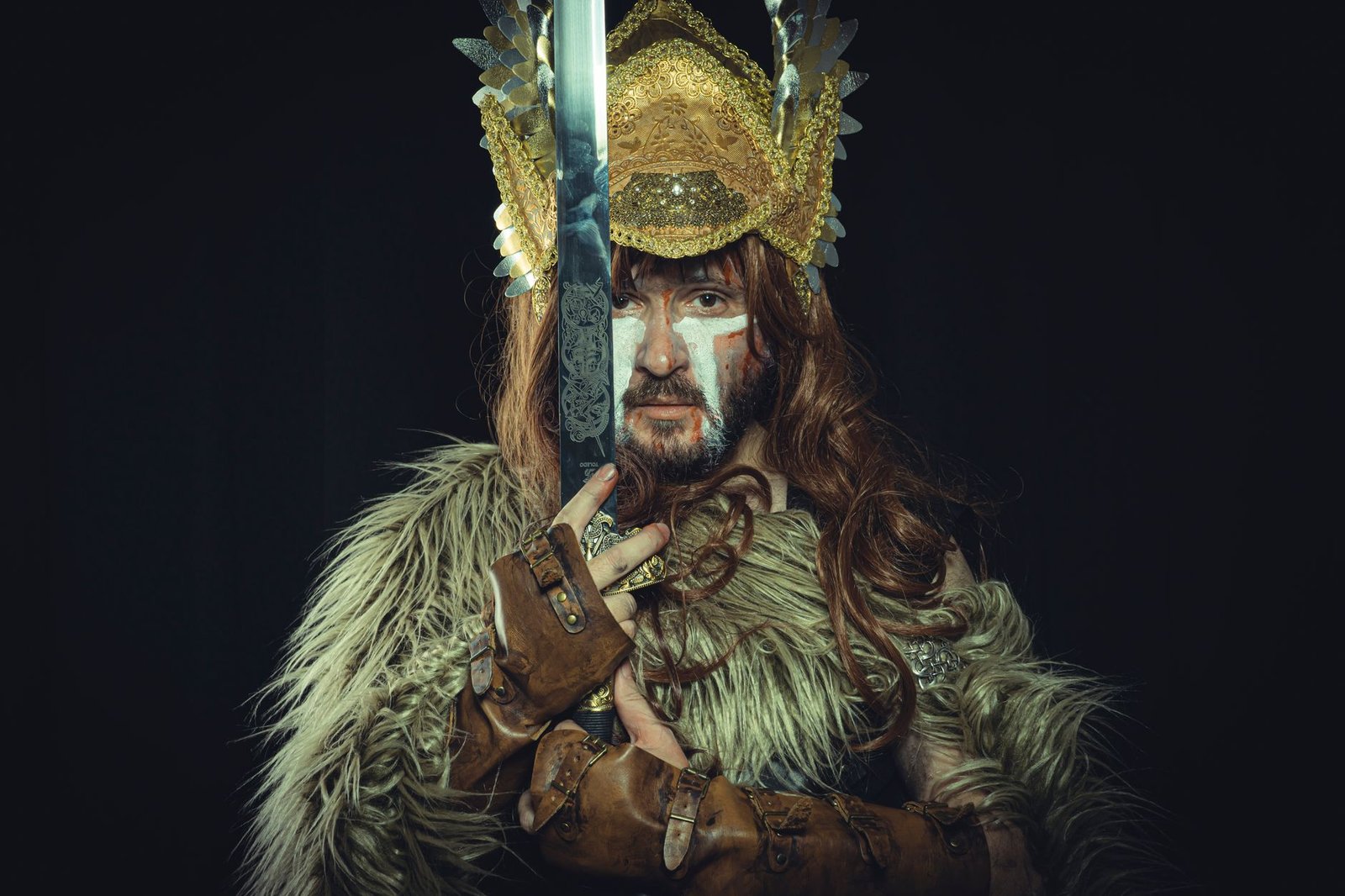
Donn: Meaning, Origin, and Cultural Significance
Donn is a central figure in Irish mythology, remembered as a primordial ancestor and a ruler of the dead whose presence links kingship, ancestry, and the otherworld. Often associated with Tech Duinn, the “House of Donn,” he reveals how early Irish tradition imagined death not as an ending, but as a passage into a sacred ancestral realm.
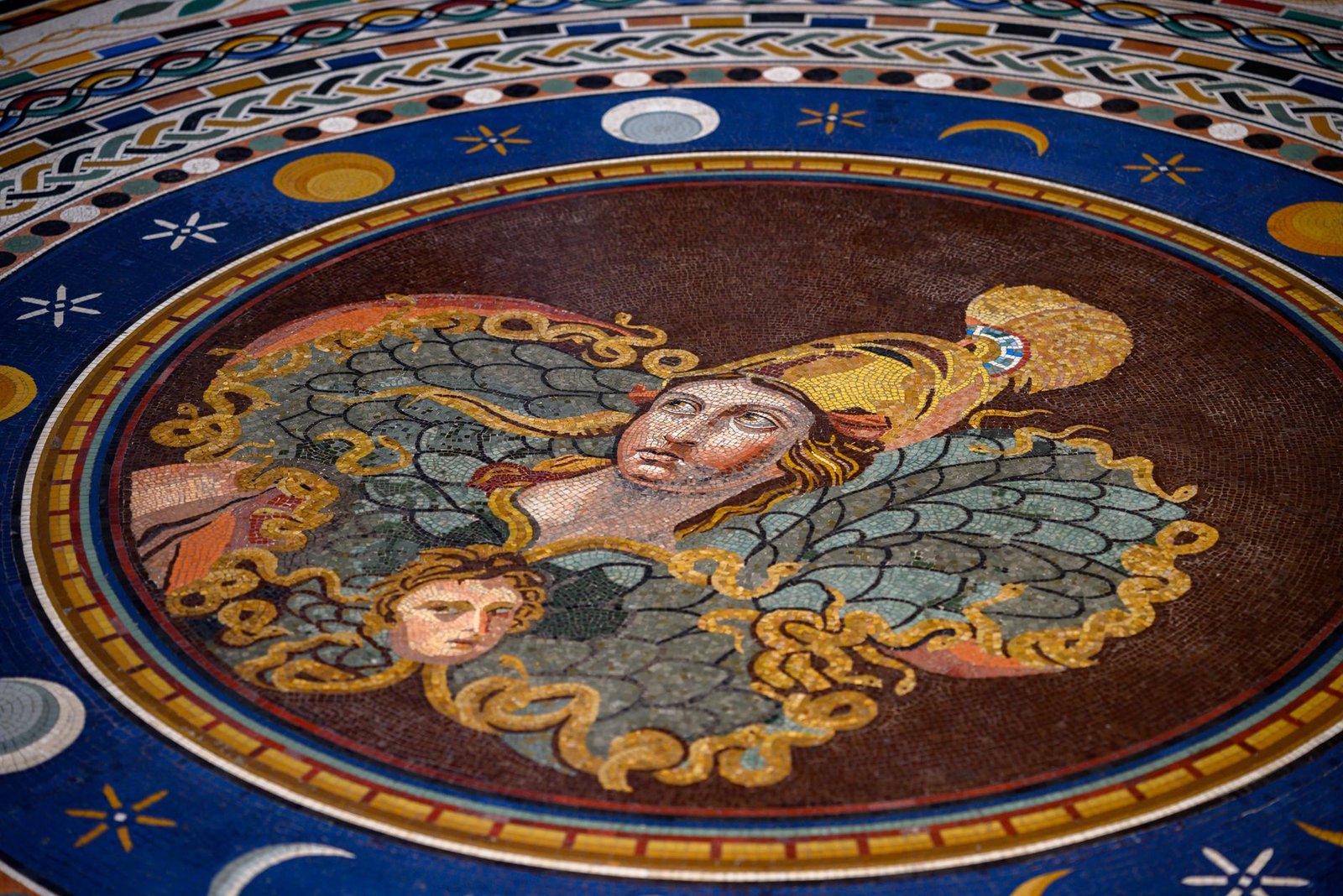
Dian Cecht: Irish Mythology God of Healing
Dian Cecht is a central healing deity in Irish mythology, revered as the divine physician of the Tuatha Dé Danann and celebrated for restoring warriors, replacing lost limbs, and performing miraculous cures. Yet his legends also reveal a complex figure whose medical skill, rivalry, and moral ambiguity illuminate the deeper role of healing in medieval Irish tradition.
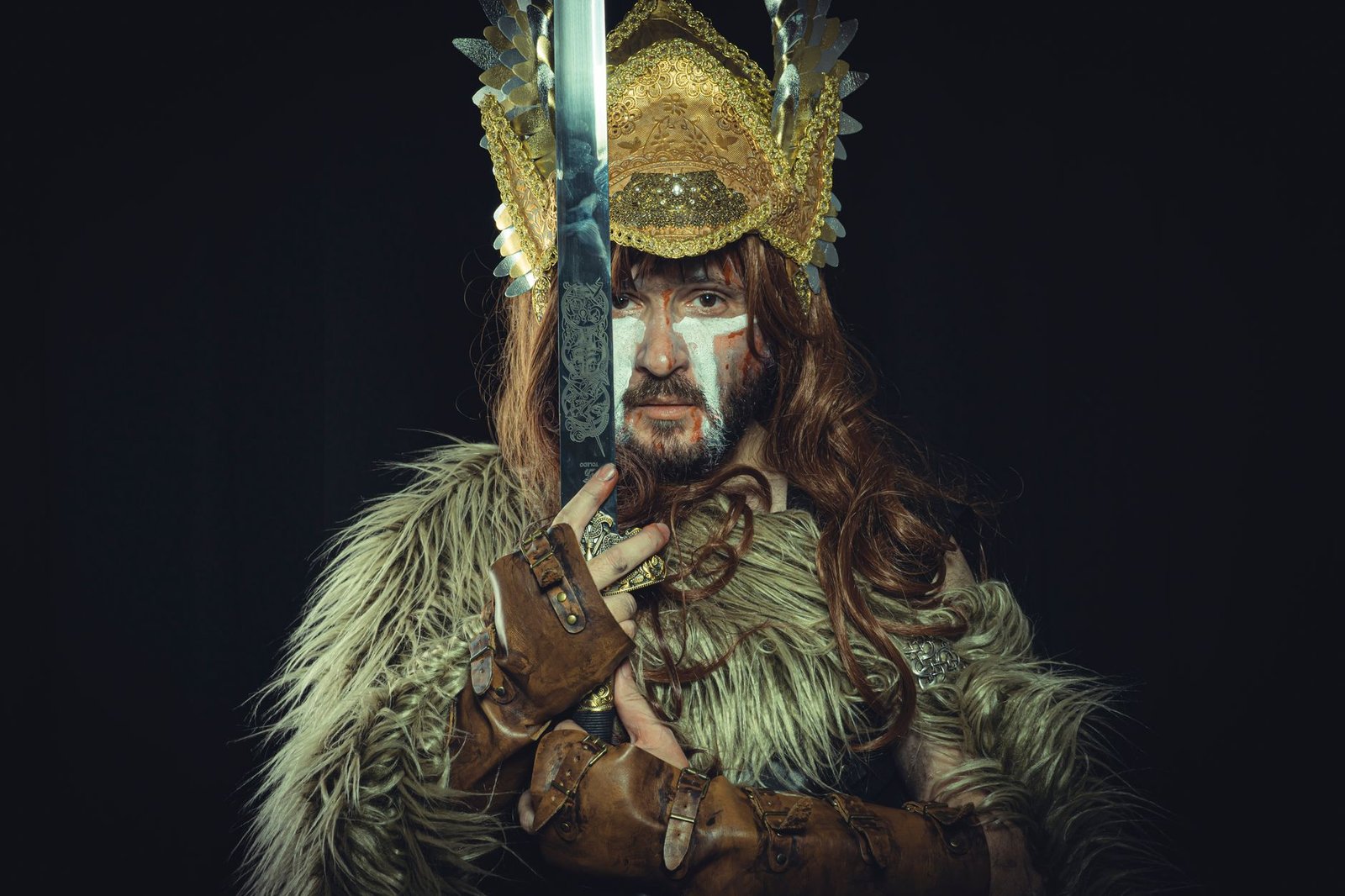
Dagda: Irish Mythology God of Abundance and Wisdom
Dagda is a central figure in Irish mythology, portrayed as a powerful deity of the Tuatha Dé Danann who governs fertility, wisdom, kingship, and abundance. Exploring his name, powers, and legendary role reveals how medieval texts preserved a complex divine figure whose influence reaches across myth, sovereignty, and the older religious imagination of Ireland.
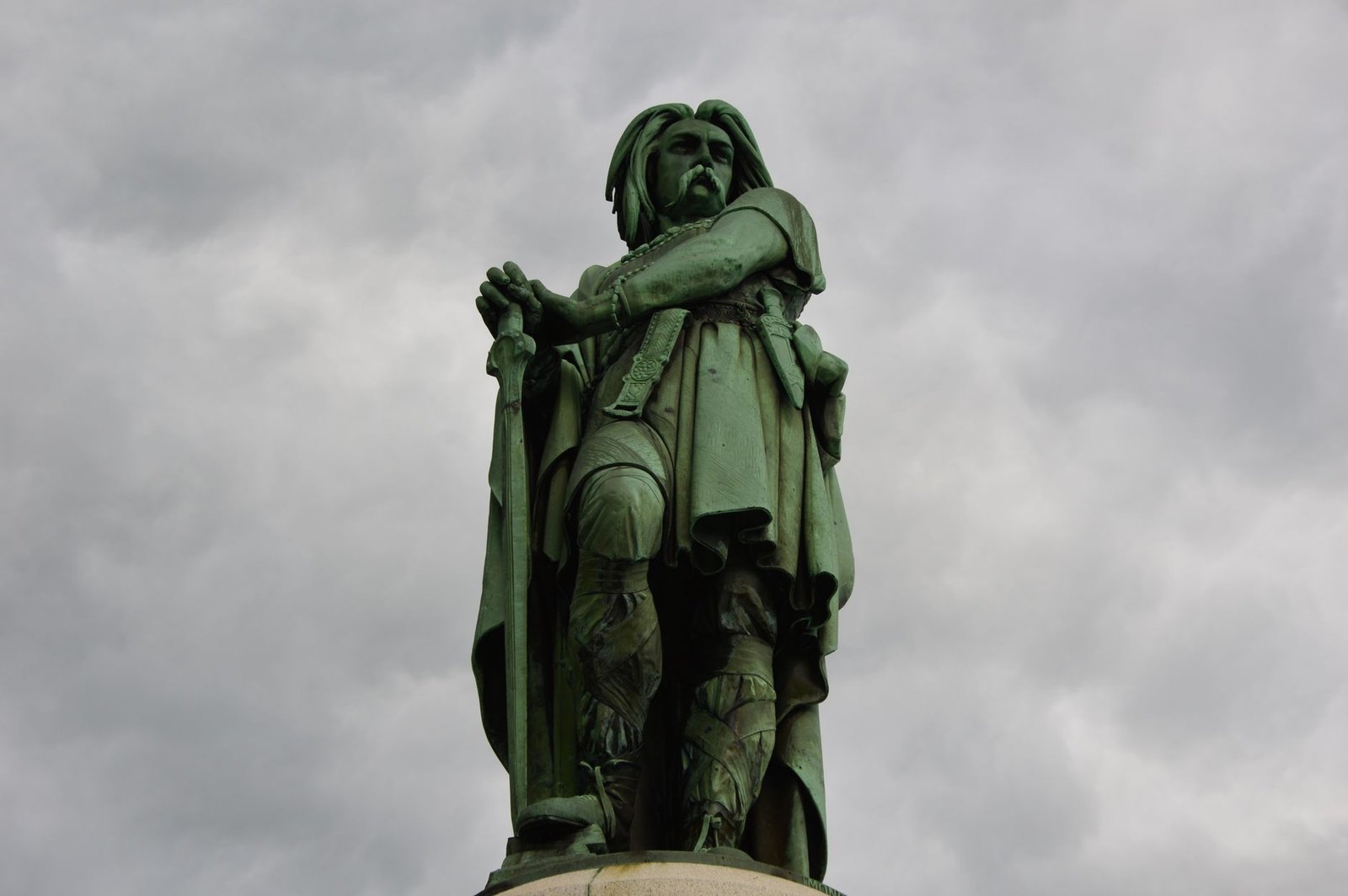
Chief God in Celtic Mythology: Who Is the Main Deity?
The question of who is the chief god in Celtic mythology has no single answer, since Celtic religion varied across Ireland, Britain, Gaul, and other regions. This article examines the Dagda, often seen as the leading god in Irish tradition, and Lugus or Lug, a major candidate for a pan-Celtic high god, to show how divine authority was understood in different Celtic worlds.
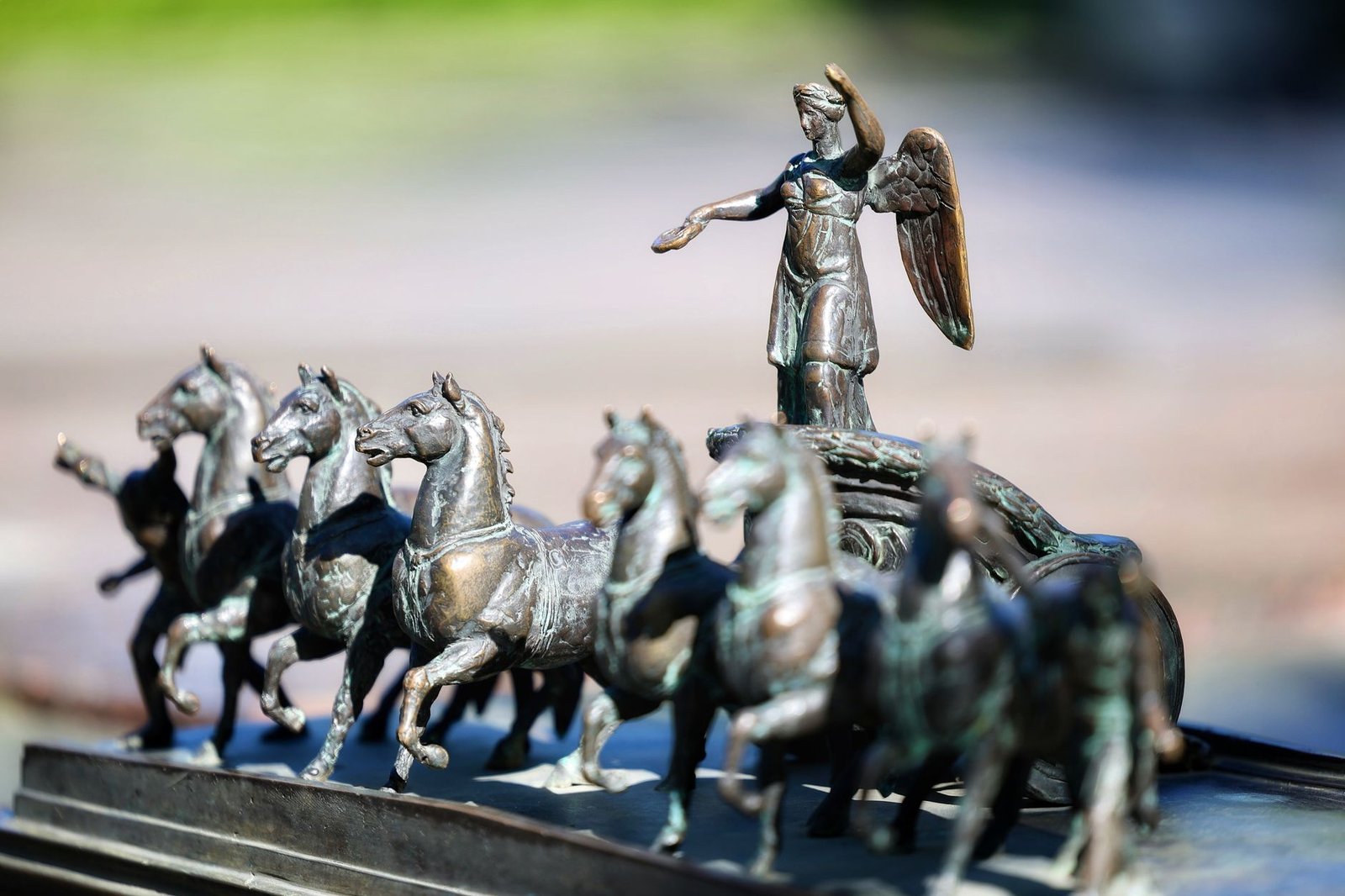
Cliodhna: Irish Goddess of Beauty and the Otherworld
Cliodhna, also spelled Clíodhna, is a major figure in Irish mythology whose identity shifts between sea deity, fairy queen, and otherworldly woman. Her stories reveal how ancient ideas of beauty, sovereignty, love, and the boundary between human and supernatural life survived in Irish tradition, inviting closer attention to her changing roles.
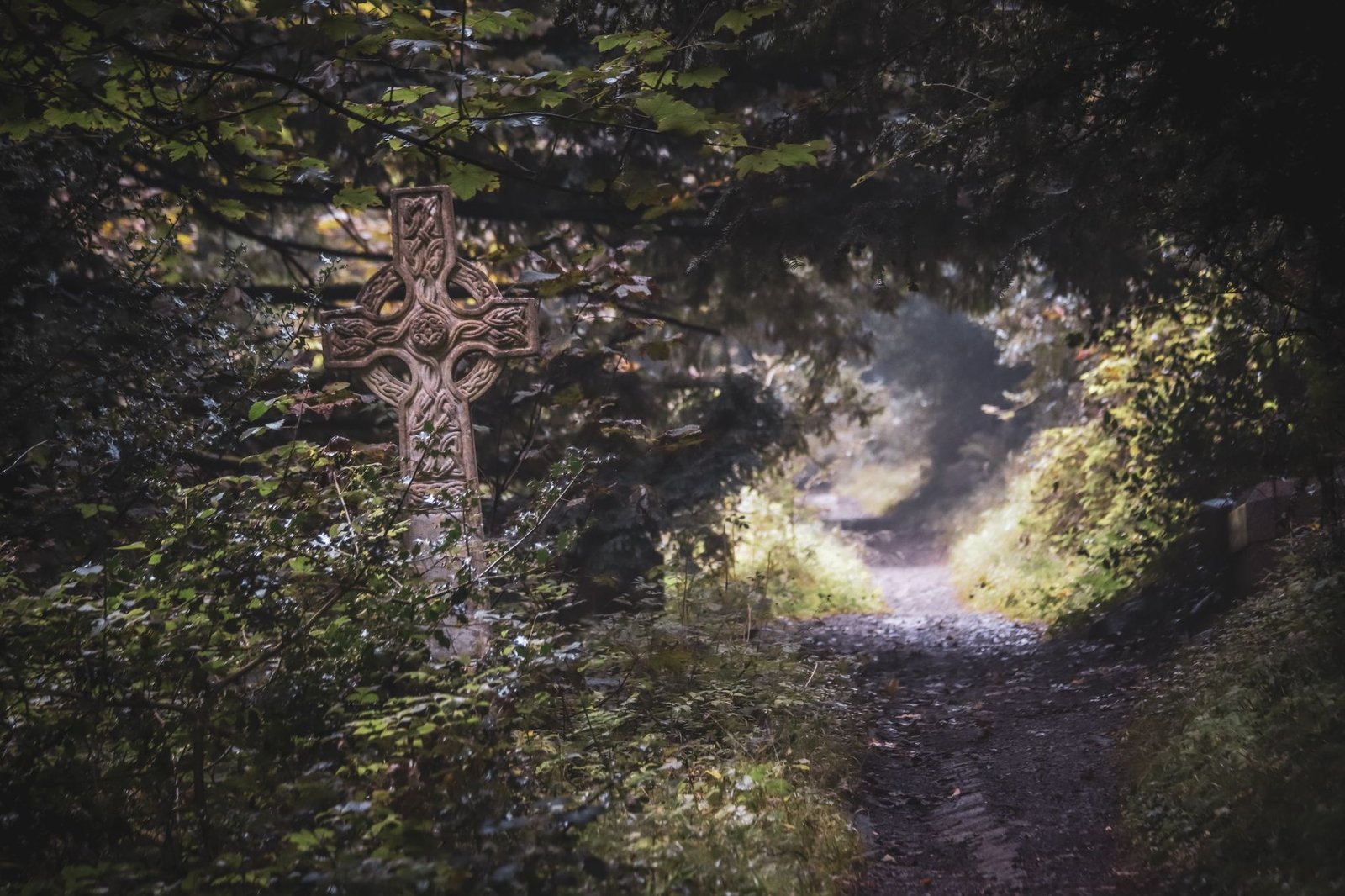
Celtic Gods vs. Celtic Heroes: Key Differences
The difference between Celtic gods and Celtic heroes lies in their status, function, and place within myth: gods are divine powers tied to sovereignty, nature, and the otherworld, while heroes are extraordinary mortals or near-mortals celebrated for lineage and deeds. Exploring this distinction reveals how Celtic traditions blurred sacred and human roles, and why some figures remain difficult to classify with certainty.
Brigid: Irish Goddess, Saint, and Cultural Symbol
Brigid is one of the most significant figures in Irish tradition, bridging pre-Christian mythology and Christian devotion through the goddess of fertility, healing, poetry, and sacred fire, and the revered Saint Brigid of Kildare. Her enduring influence, contested origins, and links to language, ritual, and legend make Brigid a central figure in understanding Ireland’s religious and cultural history.

Boann: Celtic Goddess of the River Boyne
Boann is a central figure in Irish mythology, associated with the River Boyne, fertility, wisdom, and sacred waters. Her story, preserved in medieval Irish tradition, reveals how a goddess, a landscape, and ideas of divine knowledge became intertwined in ancient Ireland, inviting closer study of her shifting roles and meanings.
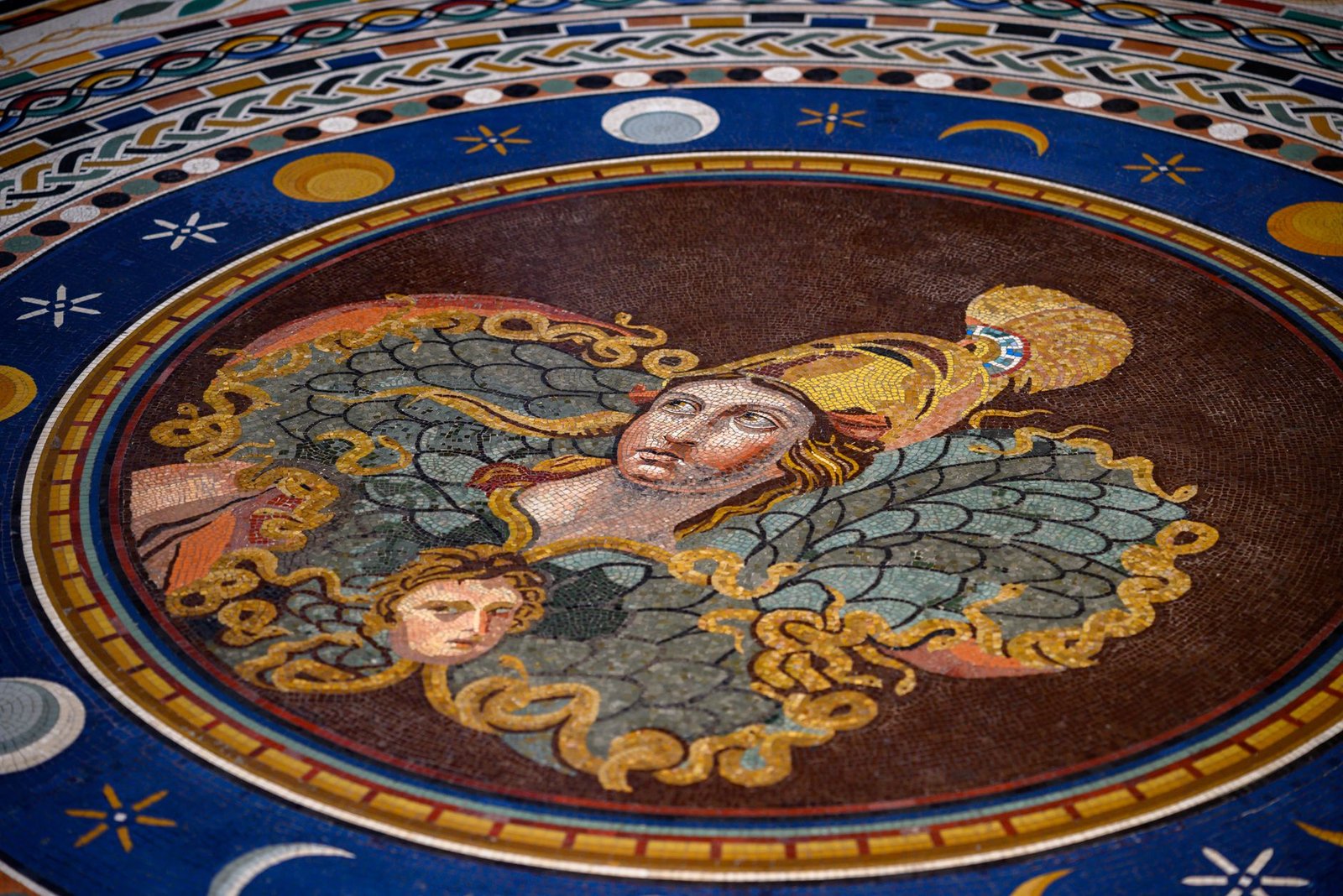
Badb: Celtic Goddess and Mythological Figure
Badb is a central figure in Irish mythology, a war goddess and prophetic being associated with battle frenzy, death, and sovereignty. Often appearing as a crow over the battlefield, she links terror with foresight, and her role in the Morrígna reveals how early Irish tradition understood war, kingship, and the supernatural.
Airmid: Celtic Goddess of Healing and Herbal Medicine
Airmid is a figure from Irish mythology, revered as a goddess of healing, herbal knowledge, and restorative medicine among the Tuatha Dé Danann. Her most famous tale, in which she gathers and orders the world’s herbs after a family tragedy, reveals why Airmid remains central to stories of lost wisdom, memory, and the origins of healing lore.