ancient Japan

The Tale of the Luck of the Sea and the Luck of the Mountain
The Tale of the Luck of the Sea and the Luck of the Mountain is a foundational Japanese myth about two divine brothers whose rivalry and reconciliation explain the balance between fishing and hunting, ocean and highlands, fortune and authority. Preserved in the *Kojiki* and *Nihon Shoki*, it also reveals how early Japan linked imperial legitimacy, sacred geography, and humanity’s relationship with nature.

Toyotama-Hime’s True Form: Myth, Meaning, and Origins
Toyotama-himes true form revealed in the *Kojiki* marks one of Japanese mythology’s most striking moments, when the sea god’s daughter—wife of Hoori and mother of an imperial ancestor—gives birth and her hidden identity as a wani comes to light. This episode invites closer reading of divine marriage, taboo, and transformation, while raising enduring questions about how ancient texts imagined the boundary between human and sea-born life.

Emperor Jimmu’s Eastern Expedition: History and Legend
Emperor Jimmus Eastern Expedition is a foundational episode in Japanese mythology, recounting the legendary move of Japan’s first emperor from Kyushu to the Yamato basin, where imperial rule was said to begin. Preserved in the Kojiki and Nihon Shoki, it blends divine ancestry, political origin, and mythic geography, inviting closer study of how tradition shaped early Japanese state identity.

Yamato Takeru: Legendary Conquests and Heroic Legends
Yamato Takerus Legendary Conquests trace the exploits of a heroic prince whose battles against rival clans, daring journeys, and sacred death helped shape Japan’s earliest ideals of kingship and valor. Drawing on the *Kojiki* and *Nihon Shoki*, the legend reveals how myth, politics, and religion intertwined in the formation of imperial memory.

The Tale of the Bamboo Cutter: Japanese Folktale Overview
**The Tale of the Bamboo Cutter** (*Taketori Monogatari*) is an anonymous Heian-period masterpiece widely regarded as Japan’s earliest surviving prose narrative. Blending courtly romance, Buddhist and celestial imagery, and a poignant supernatural plot, it introduces Princess Kaguya and invites readers to explore how this classical tale shaped Japanese literature and culture.

Momotaro: Japanese Folklore Hero and Peach Boy Legend
Momotaro, the famous “Peach Boy” of Japanese folklore, is a heroic child born from a peach who grows up to defeat ogres with the aid of loyal animal companions. Rooted in oral tradition and later shaped by literature, education, and popular culture, his story reflects themes of miracle, courage, and cooperation that continue to invite closer study.

Kojiki vs. Nihon Shoki: Key Differences Explained
The difference between the Kojiki and the Nihon Shoki lies not only in date and language, but in purpose: one preserves older myths and genealogies, while the other presents Japan’s origins in the style of an official court history. Reading them side by side reveals how early Japanese rulers, writers, and scholars shaped identity, authority, and memory in very different ways.

Difference Between Japanese Mythology and Folktales
The difference between mythology and later folktales in Japan lies in their purpose, setting, and historical context: mythology in texts like the *Kojiki* explains divine origins and imperial legitimacy, while folktales reflect everyday life, local beliefs, and moral lessons. Exploring how these traditions overlap and diverge reveals how sacred narrative evolved into popular storytelling, and why the distinction remains essential to Japanese cultural history.
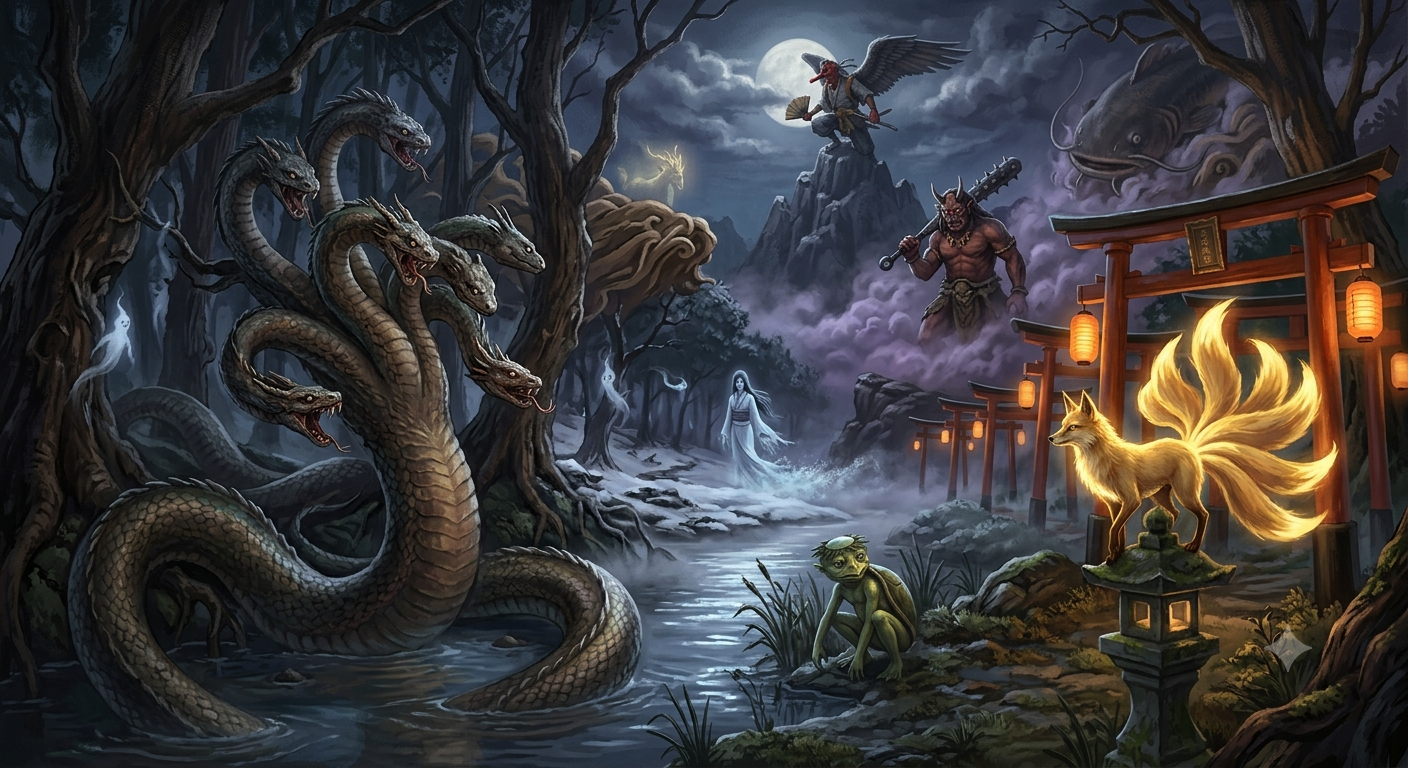
Japanese Creatures and Monsters: The Complete Guide
Japanese folklore’s yokai range from monstrous serpents defeated by the gods to mischievous shapeshifters and eerie spirits of the night. ...
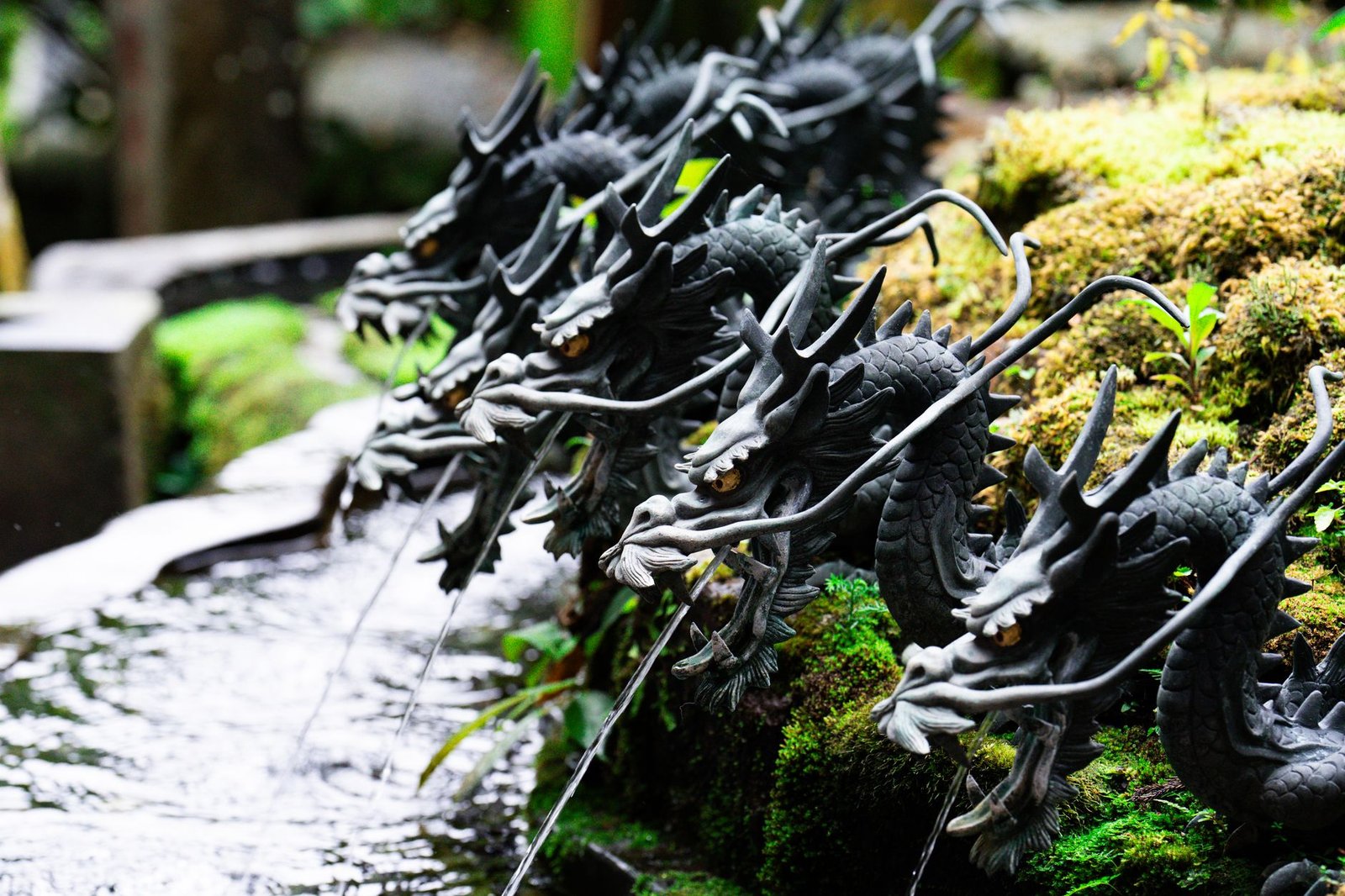
Yamata no Orochi: Japanese Eight-Headed Serpent Myth
Yamata no Orochi is the legendary eight-headed serpent of Japanese mythology, best known from the *Kojiki* and *Nihon Shoki*, where the storm god Susanoo defeats it and gains the sacred sword Kusanagi-no-Tsurugi. Its myth links divine combat, ritual sacrifice, and royal legitimacy, revealing why this fearsome creature has remained central to Japanese religious tradition and cultural imagination.