ancient Japan
Kappa: Definition, Origin, and Cultural Meaning
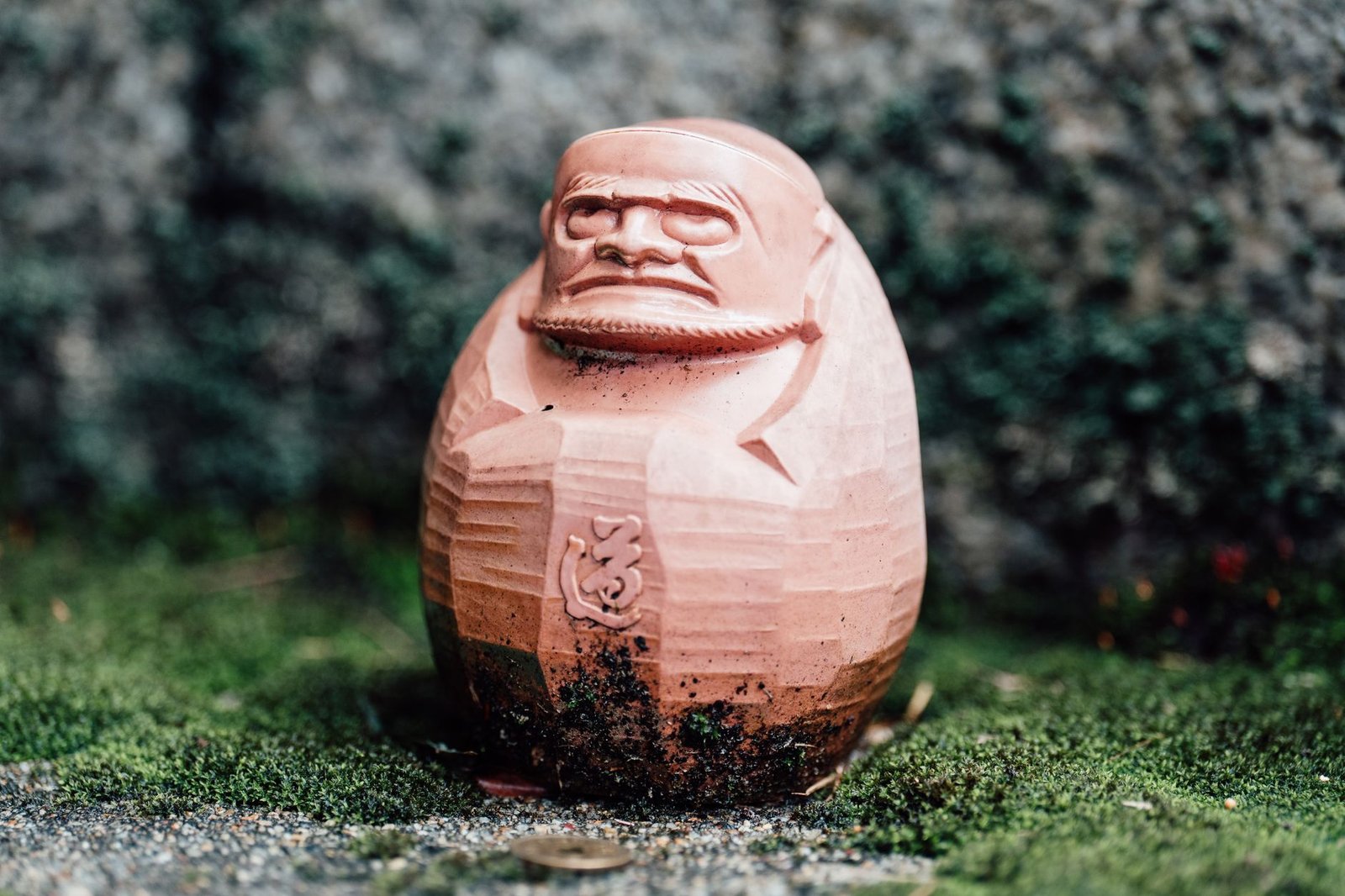
The kappa is a central figure in Japanese folklore, a river spirit linked to ponds, streams, and canals, where it is portrayed as both playful and perilous. This article explores its historical names, cultural meanings, and enduring presence in stories, festivals, and modern media, revealing why this water creature still shapes Japanese imagination.

Yuki-Onna: Japanese Snow Woman Folklore and Legend
Yuki-onna, the “snow woman” of Japanese folklore, is a yōkai whose haunting presence links winter landscapes with beauty, peril, and the mystery of death by cold. From regional oral tales to Lafcadio Hearn’s influential retellings, her enduring image reveals how Japanese tradition, literature, and modern media continue to reimagine her in strikingly different ways.
Kirin: Mythical Japanese Unicorn-Like Creature Overview
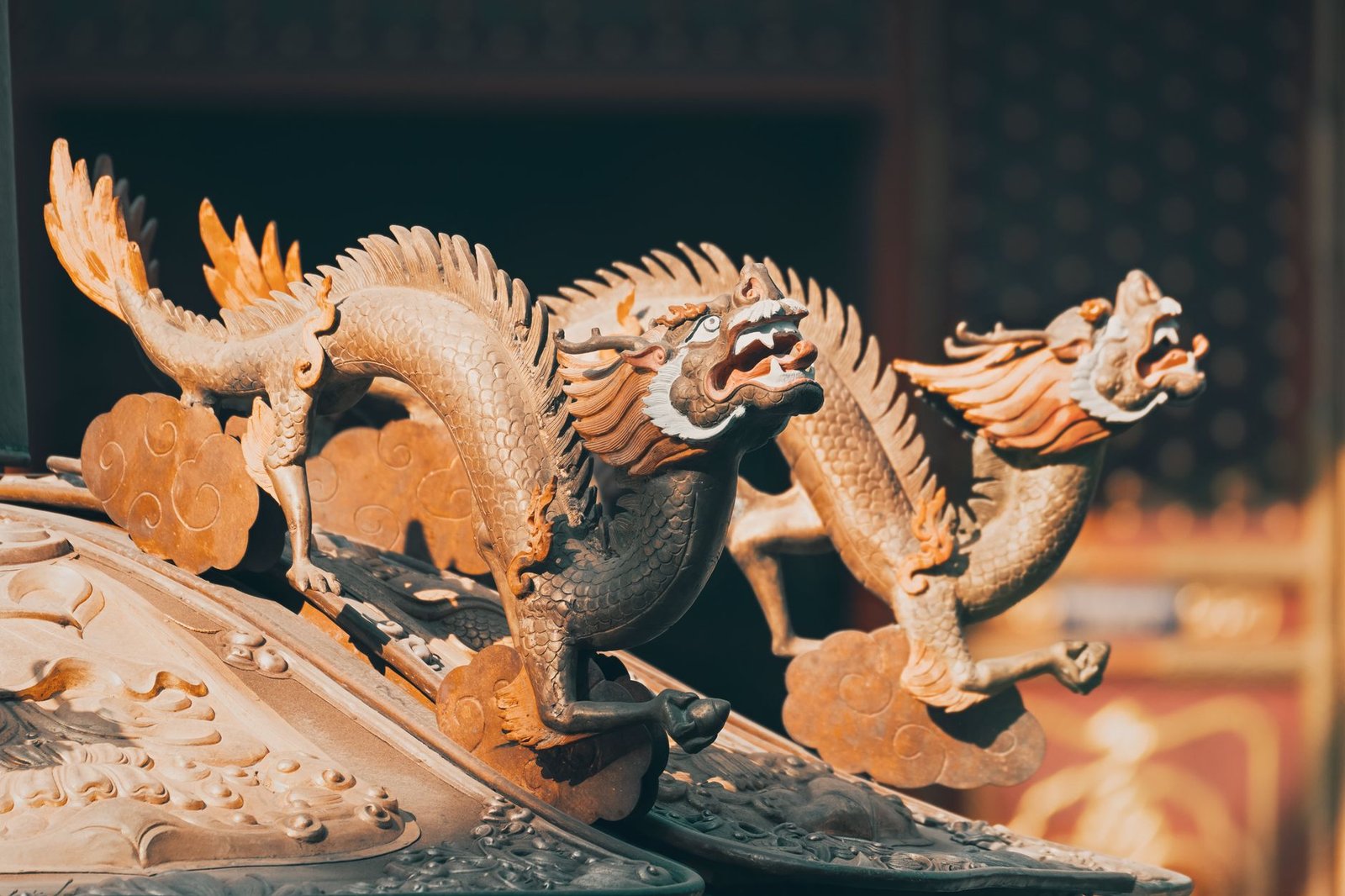
The **kirin** is a revered figure in East Asian mythology, especially in Japan, where it symbolizes peace, wisdom, and the arrival of a virtuous ruler. Tracing its origins to the Chinese qilin and later Japanese reinterpretations, this legendary creature reveals how myth, moral ideals, and cultural exchange shaped a lasting emblem of auspicious power.
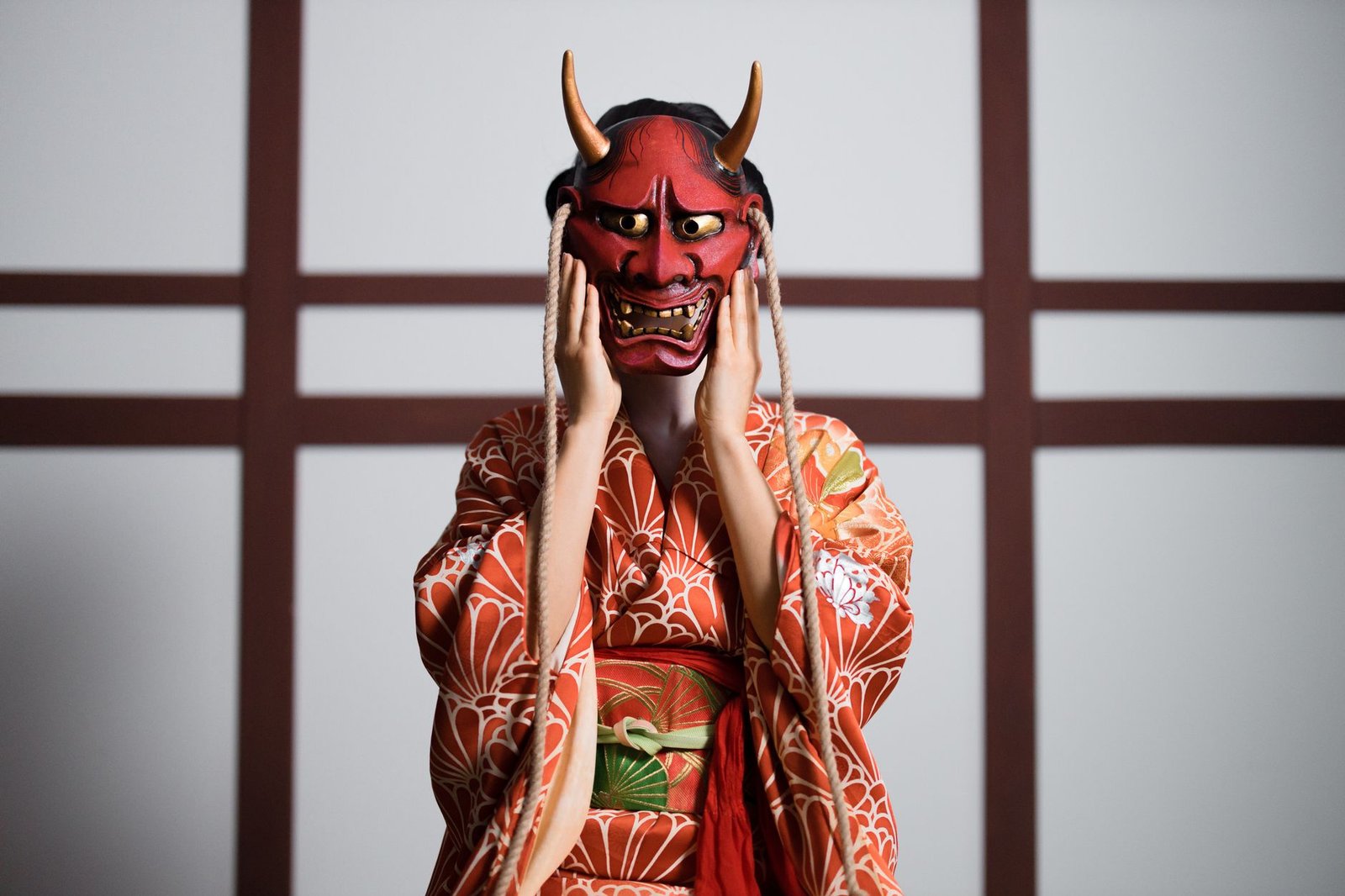
Oni: Japanese Demon Mythology and Folklore
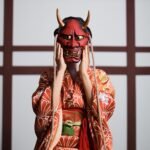
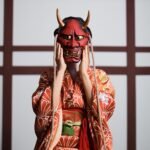
Oni are some of the most enduring figures in Japanese folklore, but their meaning extends far beyond the familiar image of horned, red-skinned monsters. This encyclopedia article traces the evolution of the oni, from early spirits and symbolic forces to their roles in religion, ritual, art, and popular culture, revealing why they still fascinate readers today.

Difference Between Yokai and Kami: Key Distinctions
The difference between a yokai and a kami reflects two distinct ways Japanese tradition explains the supernatural: a kami is a sacred presence or deity associated with worship, while a yokai is a strange folkloric being or phenomenon. Their meanings sometimes overlap in history and local belief, making the boundary between reverence and fear more complex than it first appears.
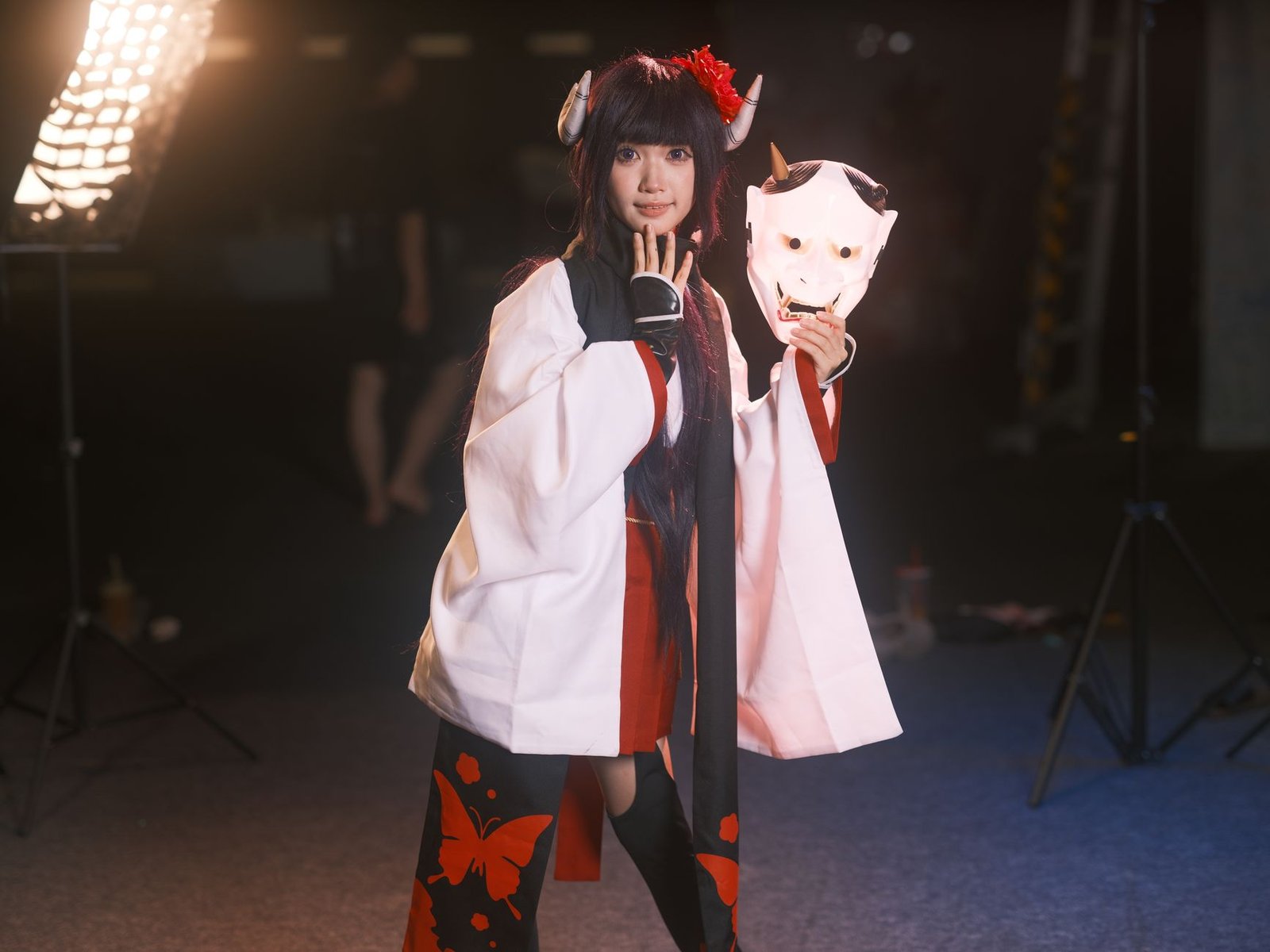
Oni vs. Tengu: Key Differences in Japanese Folklore
The difference between Oni and Tengu lies in their origins, symbolism, and roles within Japanese folklore: Oni are fearsome ogre-like beings associated with punishment and chaos, while Tengu began as bird-linked mountain spirits that could be either dangerous tricksters or protectors. Exploring how these figures evolved—from Buddhist and Shinto influences to their modern pop-culture forms—reveals why they are often confused and why their distinctions still matter.
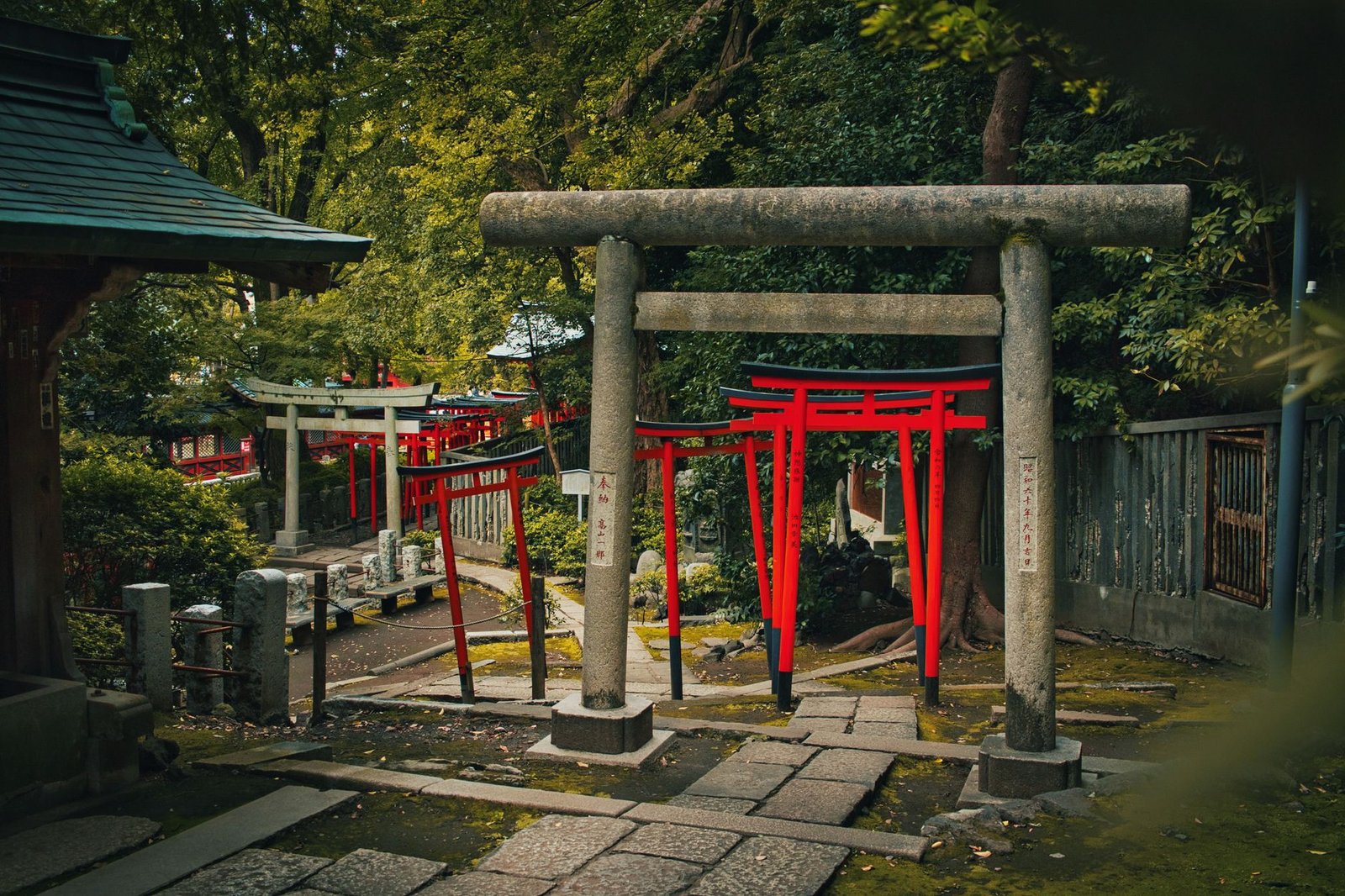
Torii Gate: Meaning, History, and Cultural Significance
A torii gate is one of Japan’s most recognizable symbols, marking the boundary between the ordinary world and a sacred Shinto space. Its origins, meanings, and architectural variations reveal a history that is both deeply religious and broadly cultural, inviting closer attention to how this simple form became so enduring.
Yata No Kagami: The Sacred Mirror of Japanese Mythology
Yata no Kagami, the Sacred Mirror of Japanese mythology, is one of Japan’s three Imperial Regalia and a central symbol in the story of Amaterasu, the sun goddess and divine ancestor of the imperial line. Revered as an emblem of truth, wisdom, and legitimacy, it remains shrouded in secrecy, inviting closer study of its mythic origins, ritual role, and enduring political significance.
Kusanagi No Tsurugi: The Sacred Sword of Japan
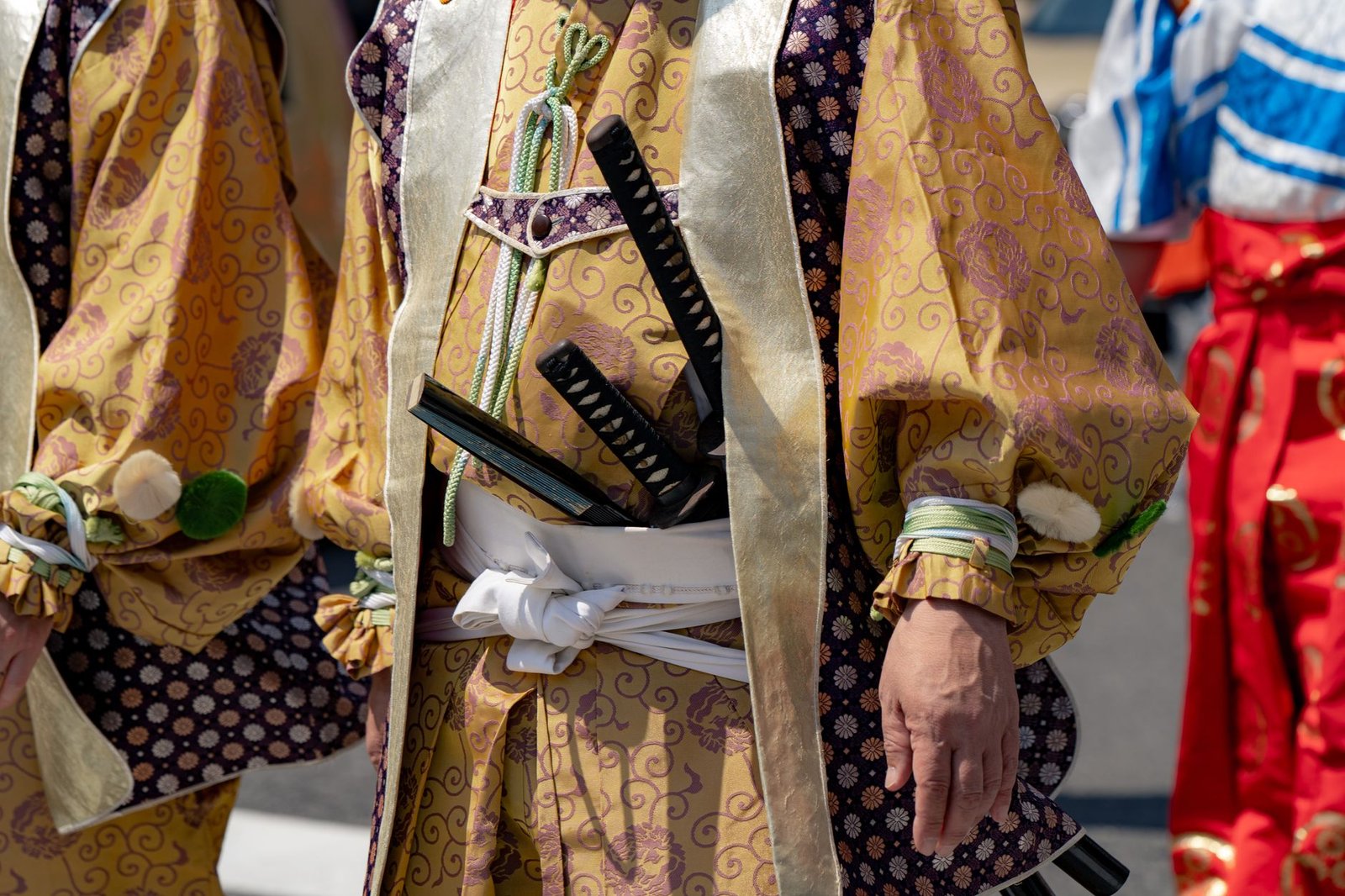
Kusanagi no Tsurugi, the sacred sword of Japanese tradition, is one of the Three Imperial Regalia and a powerful symbol of imperial legitimacy, divine favor, and the continuity of the throne. Rooted in myths of Susanoo, Yamato Takeru, and Amaterasu, its story blends ritual, politics, and legend, inviting closer examination of how a hidden object can shape national identity.

Yasakani No Magatama: Sacred Jewel of Japan
Yasakani no Magatama is a central object in Japanese mythology and imperial tradition, revered as one of the Three Imperial Regalia alongside the sword and mirror. This article traces its ancient origins, symbolic role in legitimizing imperial authority, and the mystery surrounding a sacred jewel that remains hidden from public view.