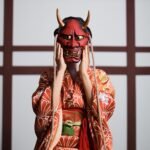
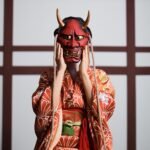
Difference between a Yokai and a Kami
Introduction

The difference between a yokai and a kami lies at the heart of Japanese religious and folkloric thought. Both belong to the broad world of Japanese spirituality, but they are not the same. A kami is a deity, spirit, sacred presence, or divine force associated with Shinto and wider Japanese religious practice. A yokai is a supernatural being or phenomenon from folklore, often strange, uncanny, mischievous, or dangerous.
The distinction matters because it reveals how Japanese tradition understands the unseen world. Some beings are honored in worship as kami, while others are feared, avoided, entertained, or explained as yokai. Yet the boundary is not always fixed. In Japanese history, local traditions, folk beliefs, and religious systems have sometimes overlapped, and a being could be interpreted differently depending on region, era, or source.
Origin and Meaning
Etymology of kami
The Japanese word kami is written with the character 神, which generally means “god,” “deity,” or “spirit.” In Japanese usage, however, the word is broader than the English term “god.” Kami can refer to:
- major deities of Shinto
- ancestral spirits
- forces of nature
- sacred presences in places, objects, or persons
The term is ancient, and its meaning has developed over time through native Japanese religion and later contact with Buddhism, Confucianism, and other traditions.
Etymology of yokai
The term yokai is written 妖怪. Its components suggest something eerie, mysterious, or uncanny. Historically, the word could refer to strange apparitions, anomalies, or mysterious happenings. In modern usage, it usually means a supernatural creature, monster, ghostlike being, or folkloric phenomenon.
Unlike kami, yokai are not primarily objects of worship. They are more often part of storytelling, warning traditions, local legend, or popular culture.
Core linguistic contrast
A simple way to distinguish them is:
- kami = sacred, divine, revered, ritually significant
- yokai = strange, supernatural, folkloric, often ambiguous or unsettling
This is a useful shorthand, though actual Japanese traditions are more complex.
Historical Context
Japanese religion has never existed as a single rigid system. Instead, it has developed through layers of belief and practice. The roles of kami and yokai must be understood within this broader context.
Kami in Shinto and Japanese religion
Kami are central to Shinto, the indigenous religious tradition of Japan. They are connected with shrines, ritual purity, seasonal festivals, and the relationship between humans, nature, and the sacred. Some kami are associated with the sun, the sea, mountains, fertility, harvests, or imperial ancestry.
Shinto did not always have a sharply defined theology. Many kami were local and community-based. Over time, state systems, shrine networks, and mythological texts helped organize them into larger religious frameworks.
Yokai in folklore and popular imagination
Yokai developed in a different sphere. They are rooted in folklore, oral tradition, local storytelling, and later illustrated compendia. Many yokai were used to explain:
- unexplained noises or lights
- dangerous places
- strange weather
- illness or misfortune
- moral lessons and social behavior
Some yokai are frightening, while others are humorous, tricky, or protective. Their functions vary widely by region and period.
Historical overlap
In premodern Japan, the categories were not always clearly separated. Certain beings could be worshipped in one context and feared as yokai in another. Some mountain beings, animal spirits, or localized supernatural forces were interpreted through both religious and folkloric lenses.
This is one reason why the difference between a yokai and a kami cannot be reduced to a simple “monster versus god” contrast.
Main Characteristics
Characteristics of kami
Kami are typically characterized by:
- sacredness or divine power
- association with nature, place, ancestry, or myth
- ritual veneration at shrines
- links to purity, blessing, protection, and prosperity
- the ability to embody multiple forms or manifest in objects, animals, or natural features
Kami may be personal deities, local tutelary spirits, or abstract sacred presences. They are often approached through offerings, prayer, purification, and festivals.
Characteristics of yokai
Yokai are typically characterized by:
- supernatural or uncanny nature
- unpredictable or ambiguous behavior
- ties to folklore, oral tales, and popular belief
- association with haunting, trickery, transformation, or strange events
- weaker or absent formal ritual worship
Yokai can be animal-like, humanlike, object-like, or purely atmospheric. Some are individual beings; others are categories of phenomena.
Key contrasts
| Aspect | Kami | Yokai |
|---|---|---|
| Basic role | Sacred being or divine presence | Supernatural folkloric being or phenomenon |
| Religious status | Worshipped or revered | Usually not worshipped |
| Tone | Sacred, protective, powerful | Uncanny, strange, sometimes dangerous or playful |
| Setting | Shrines, sacred sites, nature, households | Folklore, legends, liminal places, haunted settings |
| Function | Blessing, protection, fertility, order | Explanation, warning, entertainment, mystery |
Important caution
These categories can overlap. A being that one community treats as a kami may be described elsewhere in ways that resemble yokai, especially in local traditions.
Family and Genealogy
Kami genealogy
Many kami appear in mythological genealogies, especially in classical Japanese texts such as the Kojiki and Nihon Shoki. These texts describe divine lineages involving primordial creators, heavenly deities, land deities, and imperial ancestors.
Examples include:
- Izanagi and Izanami, creator deities in Japanese myth
- Amaterasu, the sun goddess and ancestral deity of the imperial line
- Susanoo, a storm-associated deity with a complex and sometimes disruptive character
Kami often have parent-child relationships, spouses, and descendant lines. These genealogies help establish political, ritual, and cosmological order.
Yokai genealogy
Yokai generally do not have formal genealogies in the same way. Their origins may be:
- environmental
- accidental
- animal-based
- human-based
- spiritual or karmic, depending on the tradition
Some yokai do have “families” in a broad folkloric sense, such as groups of similar creatures or regional variants. However, their relationships are rarely organized into a unified sacred genealogy.
Ambiguous cases
Certain beings sit between categories. For example, local spirits, animal transformations, or vengeful presences may be treated as kami in shrine contexts and as yokai in folk storytelling. The classification depends on the source and historical setting.
Symbols
Symbols of kami
Kami are associated with sacred symbols that often vary by deity or shrine. Common symbols include:
- torii gates, marking a transition into sacred space
- shimenawa ropes, used to indicate sacredness and purity
- gohei or ritual paper streamers
- mirrors, which can symbolize divine presence or truth
- specific shrine emblems or sacred objects linked to a deity
Colors and objects vary by shrine and tradition, but purity, brightness, and ritual cleanliness are common associations.
Symbols of yokai
Yokai symbolism is more diverse and less standardized. Common motifs include:
- lanterns or dim light
- masks
- animal transformation
- unusual footprints or tracks
- old household objects animated by spirit
- fog, shadow, or moonlit landscapes
Because yokai are a broad category, they do not have a single universal set of sacred symbols.
Meaning of symbolism
Kami symbols emphasize separation between sacred and ordinary space. Yokai symbols often emphasize uncertainty, liminality, and the breakdown of ordinary expectations.
Sacred Animals
Animals associated with kami
Many kami have sacred animal associations. These animals may serve as messengers, forms, or symbolic companions. Examples include:
- foxes associated with Inari
- deer associated with Kasuga traditions in Nara
- crows in some shrine and mythic contexts
- snakes or dragons linked to water, fertility, and protection in some local traditions
The animal is not always the kami itself. Often it is a messenger, avatar, or symbol of the deity’s presence.
Animals associated with yokai
Yokai are often connected to animals that can transform, deceive, or move between worlds. Common examples include:
- foxes
- raccoon dogs (tanuki)
- cats
- spiders
- snakes
- crows, wolves, or other liminal animals in some regional tales
In folklore, these creatures may have supernatural abilities or appear in altered form. Unlike kami-associated animals, yokai animals are often associated with trickery, haunting, or unusual powers.
Important distinction
The same animal can appear in both categories. A fox, for example, may be a sacred messenger of a kami in one setting and a shape-shifting yokai in another. Context determines meaning.
Sacred Plants
Plants associated with kami
Plants connected with kami are usually chosen for their purity, longevity, seasonal importance, or ritual use. Examples include:
- sacred sakaki branches used in offerings and purification
- rice, central to agriculture and ritual life
- evergreen plants, symbolizing continuity and vitality
- bamboo and cypress, often used in sacred architecture and ritual settings
Rice in particular is deeply significant in Japanese religious life because of its links to sustenance, agriculture, and divine blessing.
Plants in yokai traditions
Yokai are less commonly tied to single sacred plants, but plants can appear in folklore as:
- haunted trees
- magically transformed bamboo or reeds
- plants growing in liminal or abandoned places
- seasonal markers in ghost stories or local legends
Again, the symbolic pattern is different. Kami traditions emphasize sanctified growth and abundance, while yokai stories may use plants to create atmosphere, mystery, or supernatural events.
Sacred Places
Places associated with kami
Kami are strongly tied to sacred geography. Important kinds of locations include:
- shrines, where kami are enshrined and worshipped
- mountains, often regarded as divine abodes
- forests, groves, and ancient trees
- rivers, waterfalls, and springs
- rocks or caves considered spiritually significant
- historic sites linked to myth or imperial history
Some kami are not thought of as separate beings in a distant heaven, but as present in the place itself.
Places associated with yokai
Yokai are frequently linked to liminal or unsettling places, such as:
- crossroads
- abandoned houses
- bridges
- forests at dusk
- riverbanks
- old roads
- ruined temples or deserted fields
These settings reflect the folkloric role of yokai as beings or forces that emerge where ordinary human control weakens.
Geographic ambiguity
A sacred mountain may be the dwelling of a kami in one tradition and the scene of a yokai encounter in another. Japanese sacred geography is layered, not exclusive.
Powers and Attributes
Kami powers and responsibilities
Kami are believed to have powers and domains such as:
- protection of communities
- fertility and harvest
- success in war or business
- healing and blessing
- protection from disaster
- connection to natural forces
- legitimizing social and imperial order
Some kami can also punish neglect, impurity, or disrespect. Their power is therefore both benevolent and morally serious.
Yokai powers and attributes
Yokai powers vary widely. Depending on the being, they may:
- shape-shift
- create illusions
- cause fear or confusion
- bring disease or misfortune
- haunt houses or roads
- speak, sing, or imitate humans
- protect or help humans in some stories
Yokai are best understood as a broad category rather than a single type. Some are monsters; some are spirits; some are personifications of unexplained events.
Differences in function
Kami are generally part of a religious order and often linked to communal well-being. Yokai are generally part of the explanatory and imaginative world of folklore, where they may serve as cautionary, narrative, or entertaining figures.
Main Myths
Myths involving kami
The major myths of kami are preserved in classical texts and shrine traditions. Important narratives include:
- the creation of the Japanese islands by Izanagi and Izanami
- the birth and central role of Amaterasu
- the conflict of Susanoo with other divine figures
- the descent of heavenly authority to the earthly realm
- genealogies linking deities to imperial legitimacy
These myths are foundational for understanding the divine status of certain kami and the structure of Japanese sacred history.
Myths involving yokai
Yokai myths are more diverse and less centralized. Common stories include:
- foxes or tanuki taking human form
- cats becoming strange or dangerous beings
- household objects awakening as spirits
- apparitions appearing at night
- mysterious water or mountain beings
- encounters with creatures that test human morality or awareness
Many yokai stories were preserved in local legend, Edo-period compilations, illustrated books, and later popular fiction.
Storytelling function
Kami myths explain origin, legitimacy, and sacred order. Yokai stories explain the strange, the frightening, and the unaccountable.
Relationship with Other Mythological Figures
Kami and other kami
Kami often interact with one another through mythic conflict, marriage, succession, or ritual hierarchy. Some are central and widely revered, while others are local or specialized. Relationships may involve:
- rivalry
- parentage
- divine service
- shrine association
- competition over territory or authority
Yokai and other beings
Yokai interact with humans, animals, and occasionally with kami or Buddhist figures in later storytelling. Their relationships often involve:
- trickery
- warnings
- punishment
- exchange
- transformation
Some yokai are subdued by holy figures or ritual specialists in legends. Others are simply encountered and escaped.
Boundary crossings
A major theme in Japanese folklore is the movement between categories. A being may be:
- worshipped as a kami in one setting
- feared as a yokai in another
- explained as an animal spirit, ghost, or deity depending on source
This flexibility reflects the richness of Japanese mythic tradition.
Worship and Cult
Worship of kami
Kami are worshipped through formal and informal practices, including:
- shrine visits
- offerings of food, sake, and symbolic objects
- purification rituals
- prayers and petitions
- festivals and processions
- annual observances tied to agriculture, community life, or local history
Shrine worship is a major public expression of kami veneration.
Cult of yokai
Yokai are not normally worshipped in the same way. However, they may be:
- appeased
- ritually avoided
- invoked in storytelling
- incorporated into festival imagery
- used in talismans, masks, or protective practices
In some cases, a yokai-like figure may become the subject of local reverence or exorcistic ritual, but this is not the same as normal kami worship.
Difference in ritual status
The key point is that kami occupy a recognized ritual framework, while yokai generally belong to the realm of folklore, entertainment, cautionary tales, or localized superstition.
Ancient Sources
Primary sources on kami
Important early sources for kami include:
- Kojiki (Record of Ancient Matters, 712)
- Nihon Shoki (Chronicles of Japan, 720)
- Engishiki and related ritual texts
- shrine records and regional genealogies
These texts preserve myths, ritual structures, and divine lineages.
Sources relevant to yokai
Yokai are less prominent in the earliest canonical mythological texts, though unusual beings and supernatural events do appear. Important later sources include:
- medieval and early modern setsuwa literature
- illustrated encyclopedias and scrolls
- Edo-period yokai compendia and prints
- regional folktale collections
Because yokai are a broad and evolving category, no single “classical author” covers them in the same way that Homer or Hesiod covers Greek myth. Their documentation is scattered across many genres and periods.
Historical note
Modern interpretations of yokai were strongly shaped by early modern publishing and later scholarship. Any discussion of yokai should therefore distinguish between ancient belief, medieval folklore, and modern popular classification.
Roman Equivalent
There is no exact Roman equivalent for either kami or yokai.
Closest analogues for kami
Kami are sometimes compared with Roman:
- gods
- household spirits
- genii loci, or spirits of a place
- numina, divine presences or powers
However, these comparisons are only approximate. Kami are broader and more flexible than any single Roman category.
Closest analogues for yokai
Yokai are sometimes compared with Roman:
- ghosts
- spirits
- monsters
- Lares or other folk-spirit concepts in loose comparison
Again, these are only partial analogies. Yokai form a far more varied folkloric category than any one Roman term.
Influence on Modern Culture
Kami in modern culture
Kami remain important in modern Japan through:
- shrine festivals
- religious practice
- literature and poetry
- historical drama
- anime and manga
- environmental and cultural symbolism
They often appear as elegant, ancient, or morally significant spiritual presences in fiction.
Yokai in modern culture
Yokai have had a particularly strong presence in modern pop culture. They appear in:
- manga and anime
- video games
- films
- novels
- illustration and design
- tourism and regional branding
They are often depicted as cute, humorous, eerie, or terrifying. Modern media has helped standardize and popularize yokai much more than was true in earlier periods.
Public understanding
Outside Japan, people sometimes confuse kami and yokai because both are “Japanese supernatural beings.” In academic and cultural contexts, however, the distinction remains important:
- kami are sacred beings of worship and presence
- yokai are supernatural folkloric entities or phenomena
Curiosities
- The same figure can be described differently depending on the source, region, or historical period.
- Some yokai became highly popular only in the Edo period, when print culture expanded their visibility.
- The fox is one of the best examples of overlap: it can be a sacred messenger of a kami or a trickster yokai.
- Not every kami is benevolent in every story. Some can be terrifying, strict, or dangerous if neglected.
- Not every yokai is evil. Some protect humans, bring luck, or simply behave oddly.
- The modern image of yokai as a fixed “monster class” is partly shaped by modern media and classification, not only by ancient belief.
- In local traditions, a being may move between the categories of spirit, deity, and apparition.
Frequently Asked Questions
1. What is the main difference between a yokai and a kami?
A kami is a sacred being or divine presence associated with Shinto and ritual worship, while a yokai is a supernatural folkloric being or phenomenon that is usually not worshipped.
2. Are yokai and kami both gods?
No. Kami can be translated as “god” in some contexts, but the term is broader and more nuanced. Yokai are generally not gods; they are supernatural figures from folklore.
3. Can a yokai become a kami?
In some local traditions or later reinterpretations, a being may be venerated and treated like a kami, but this varies. The classification is not fixed and depends on historical and regional context.
4. Are kami always good and yokai always bad?
No. Kami may be benevolent, protective, strict, or dangerous. Yokai may be frightening, playful, helpful, or harmful. Neither category is morally uniform.
5. Why are foxes associated with both kami and yokai?
Foxes are a good example of overlap in Japanese tradition. They can be sacred messengers of the kami Inari and also appear in folklore as shape-shifting yokai.
6. Do people still worship kami today?
Yes. Kami worship remains an important part of Japanese religious and cultural life, especially through shrine visits, festivals, and seasonal rites.
7. Are yokai part of religion or folklore?
Primarily folklore, though they may intersect with religious practices, exorcisms, and popular beliefs. Their role is broader and less formal than that of kami.
8. Is there a clear line between kami and yokai?
Not always. In practice, the boundary can be blurred. Historical sources, regional customs, and later retellings may classify the same being differently.
Conclusion
The difference between a yokai and a kami reflects two major dimensions of Japanese tradition: the sacred and the uncanny. Kami are divine or sacred presences tied to worship, ritual, and the order of the world. Yokai are supernatural beings or phenomena of folklore, associated with mystery, fear, humor, and transformation.
Although the categories are distinct, they are not always sharply separated in historical practice. Japanese religious culture often allows for ambiguity, overlap, and reinterpretation. That flexibility is part of what makes the study of kami and yokai so valuable. Together, they reveal a worldview in which nature, spirit, memory, and imagination remain deeply interconnected.

Orin Vale has spent the better part of two decades tracing the threads that connect the world’s oldest stories — from the halls of Asgard to the banks of the Nile, from Olympus to the jungles of the Maya. What began as a childhood fascination with flood myths and trickster gods grew into years of independent study across comparative mythology and ancient religion, always chasing the same question: what did these stories mean to the people who first told them? Orin writes for readers who want more than trivia — the ones looking for the beliefs, fears, and truths that myths were built to carry.