religious symbolism
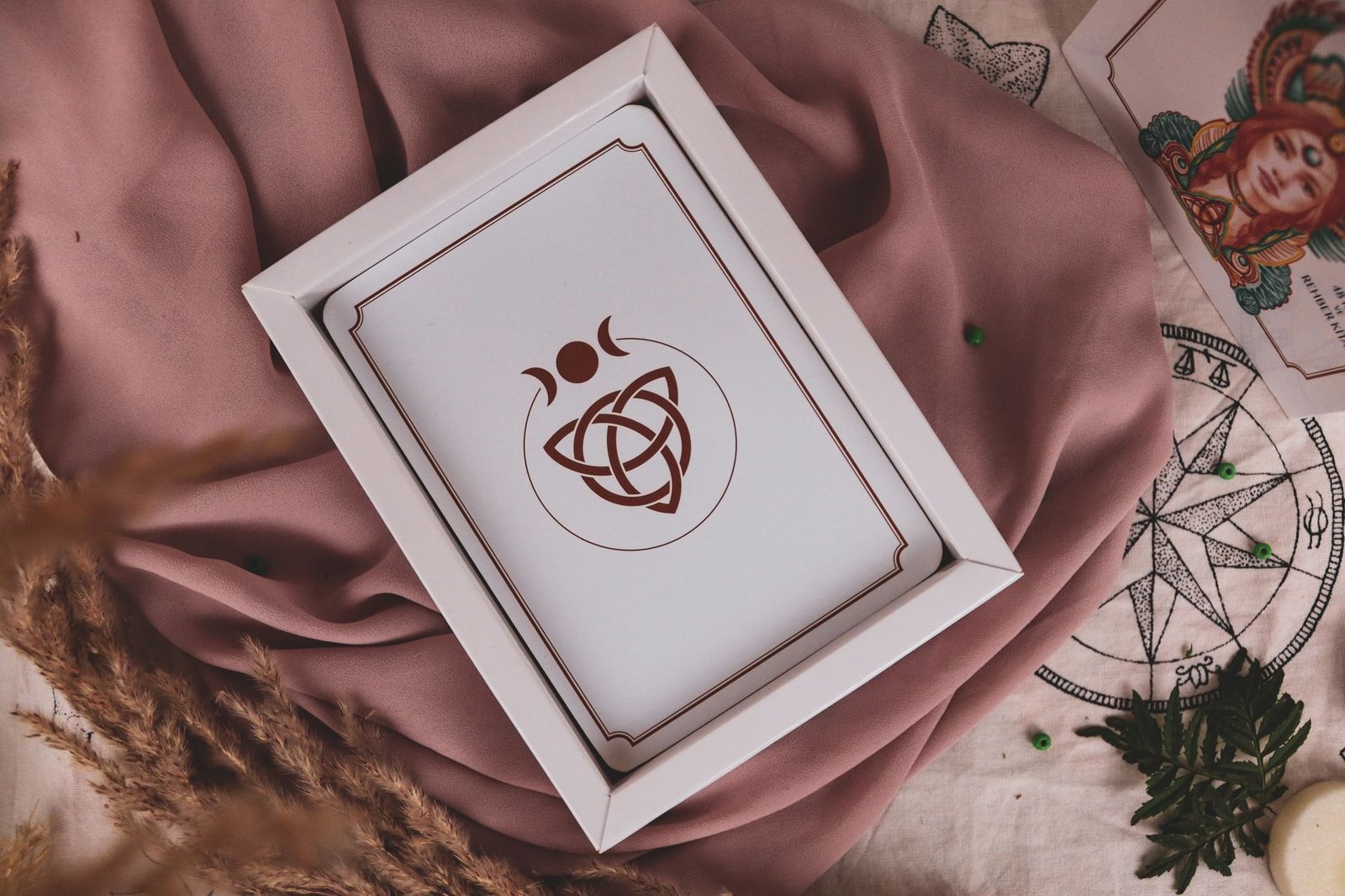
Triquetra Symbol: Meaning, History, and Uses
The triquetra is a distinctive three-lobed emblem that appears across Celtic, Christian, and wider European decorative traditions, where it has been linked to unity, eternity, and other layered meanings. Tracing its history reveals how this simple interlaced form shifted across cultures and eras, inviting a closer look at why the triquetra remains so enduringly compelling.
Torc: Definition, History, and Cultural Significance
A torc is a rigid ring-shaped neck ornament, usually made of metal, that became one of the most distinctive symbols of the ancient Celtic world and Iron Age Europe. Its forms, materials, and archaeological contexts reveal much more than craftsmanship alone, offering clues to status, ritual meaning, and the ideals of the societies that wore it.

Sacred Yew Tree: History, Symbolism, and Cultural Significance
The sacred yew tree is a lasting symbol of European religious history, blending folklore, funerary custom, and beliefs about immortality into one enduring image. Linked to churchyards, ancient burial grounds, and traditions from Celtic to Christian cultures, it invites closer study of how a single tree came to mark the boundary between life and death.
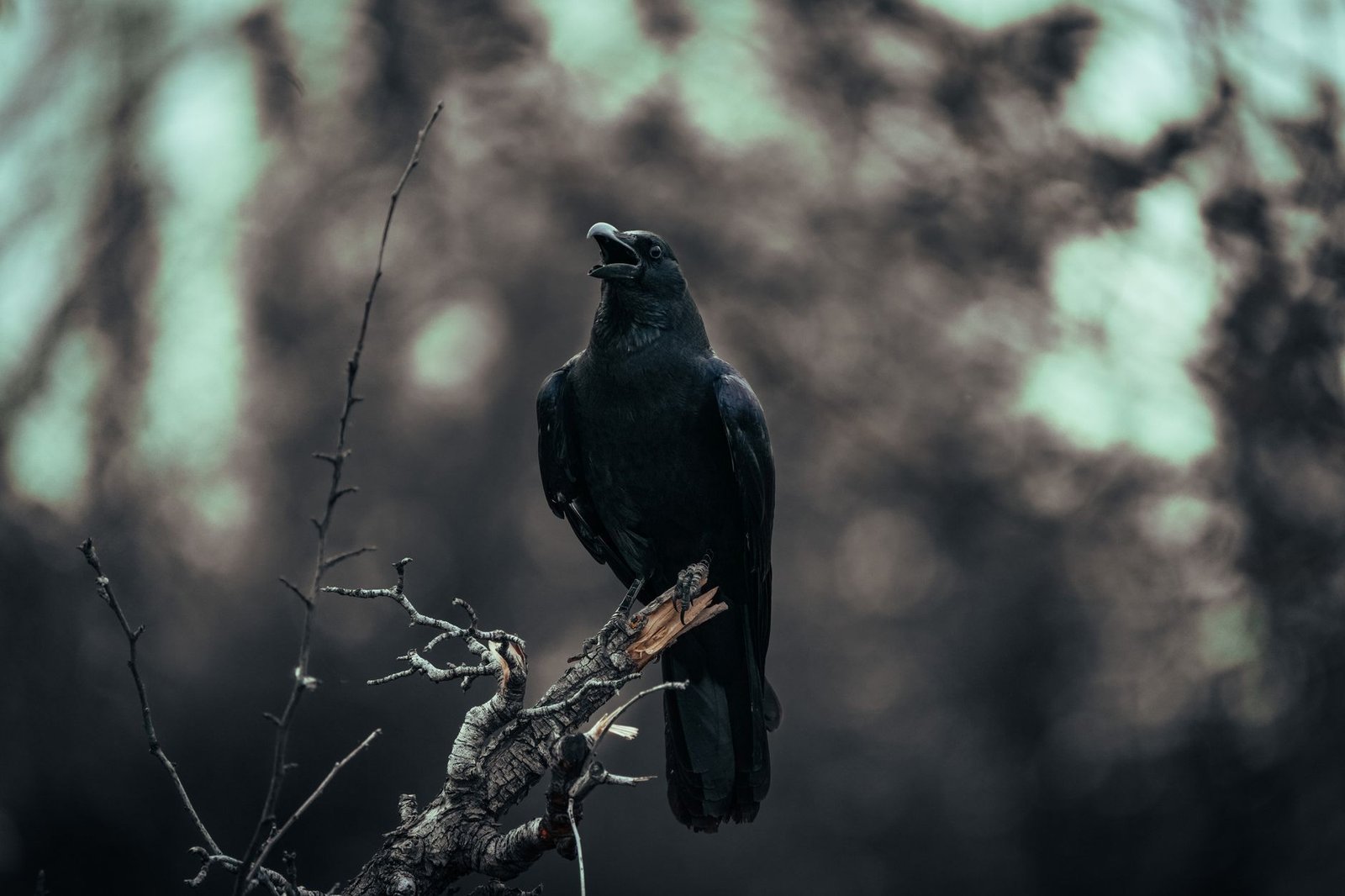
Sacred Raven: Meaning, Symbolism, and Cultural Significance
The sacred raven is a cross-cultural symbol whose meanings range from creation and prophecy to war, memory, and transformation, appearing in traditions from Northern Europe to the Pacific Northwest. Exploring its many forms reveals how one bird became a messenger, trickster, omen-bearer, and guide between worlds.

Is the Claddagh Ring Part of Celtic Mythology?
The Claddagh ring is often linked with Irish identity, but it is not part of Celtic mythology in the strict historical sense; instead, it belongs to Irish cultural history and folk symbolism. This article explains its origins in Galway, the meaning of its hands, heart, and crown, and why its enduring imagery still invites mythic associations.
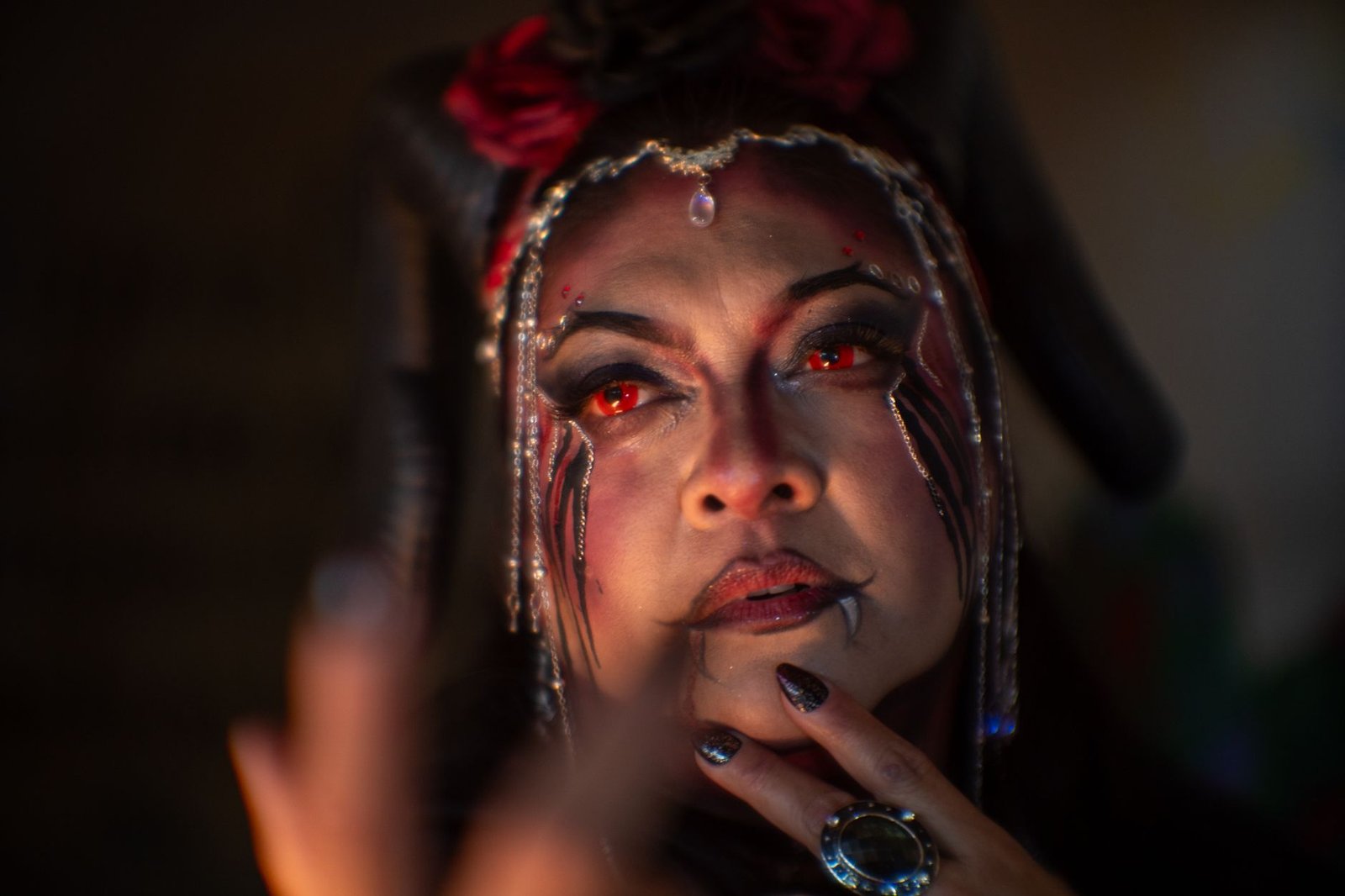
Incubus: Definition, Origins, and Cultural History
An incubus is a malevolent supernatural figure from European folklore, traditionally described as a demon that visits sleepers, especially women, in the night. Tracing its roots through medieval demonology, older nocturnal spirit beliefs, and explanations for sleep paralysis and erotic dreams, the incubus reveals how societies linked desire, fear, and the supernatural.

Laurel Wreath: Meaning, History, and Symbolism
A laurel wreath, woven from evergreen bay laurel leaves, emerged in the ancient Mediterranean as a powerful emblem of victory, honor, and divine favor. From its roots in Greek worship of Apollo to Roman triumphs and later literary and civic awards, its enduring symbolism reveals a history far richer than a simple garland.

Why Do Gods Have Their Own Symbols? Meaning Explained
Across world mythologies, the question of why does every god have their own symbols reveals how ancient cultures made the divine visible, memorable, and distinct. From thunderbolts and tridents to lotuses and swords, these signs encoded a god’s powers, role, and identity while shaping worship, art, and storytelling.

Greek Sphinx vs Egyptian Sphinx: Key Differences Explained
The Greek sphinx vs Egyptian sphinx comparison highlights two strikingly different traditions: one a riddling monster of Greek myth, the other a lion-bodied guardian of royal and sacred power in ancient Egypt. Exploring their origins, symbolism, and artistic forms reveals how a shared image could carry profoundly different meanings across cultures.
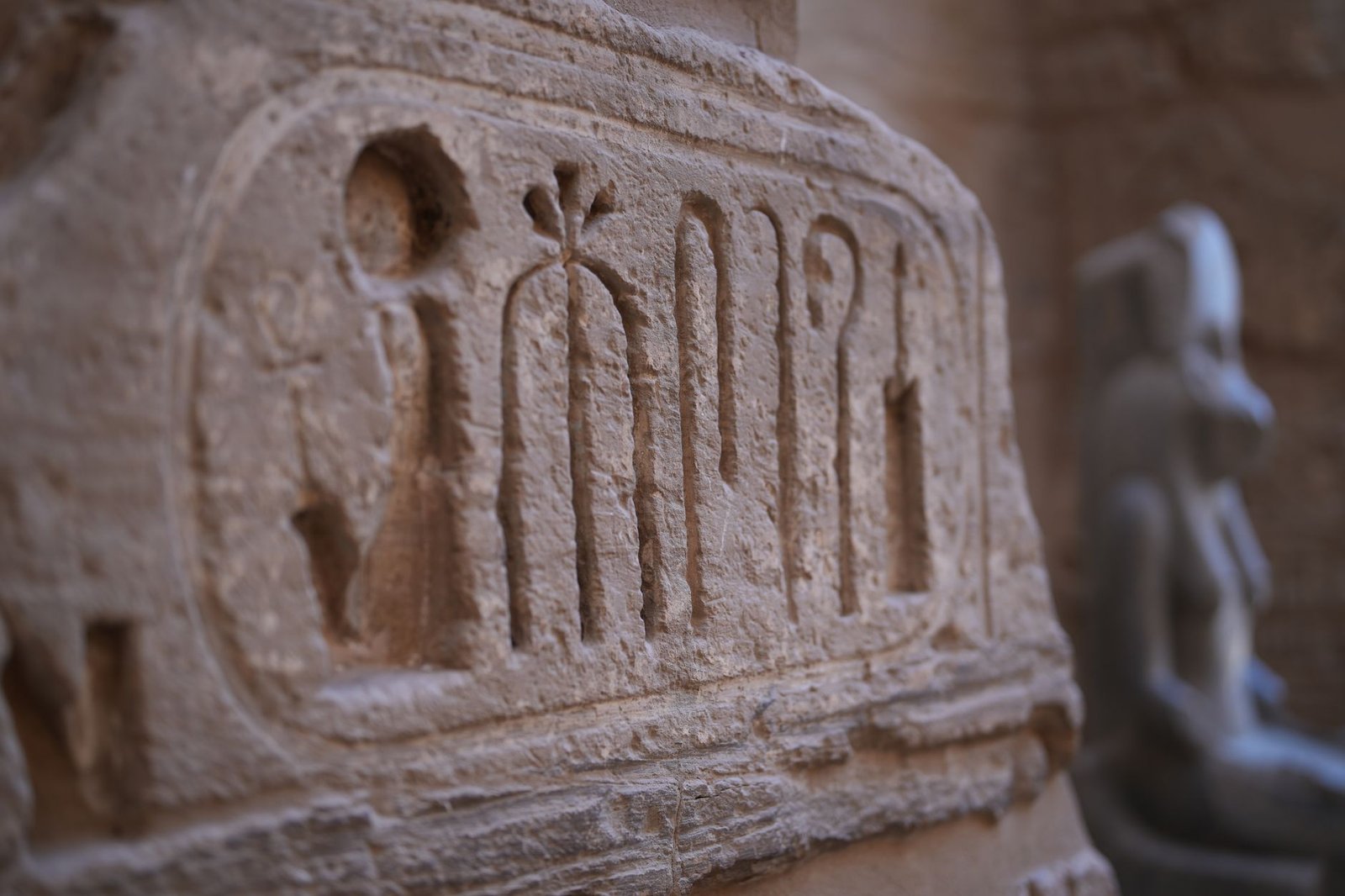
What Is a Cartouche in Egyptian Mythology?
A cartouche in Egyptian mythology is not a deity or magical relic, but an oval hieroglyphic frame used to enclose royal names and express ideas of protection, legitimacy, and eternity. Understanding what is a cartouche in Egyptian mythology reveals how ancient Egyptians linked writing, divine kingship, and the enduring power of a name.