kami
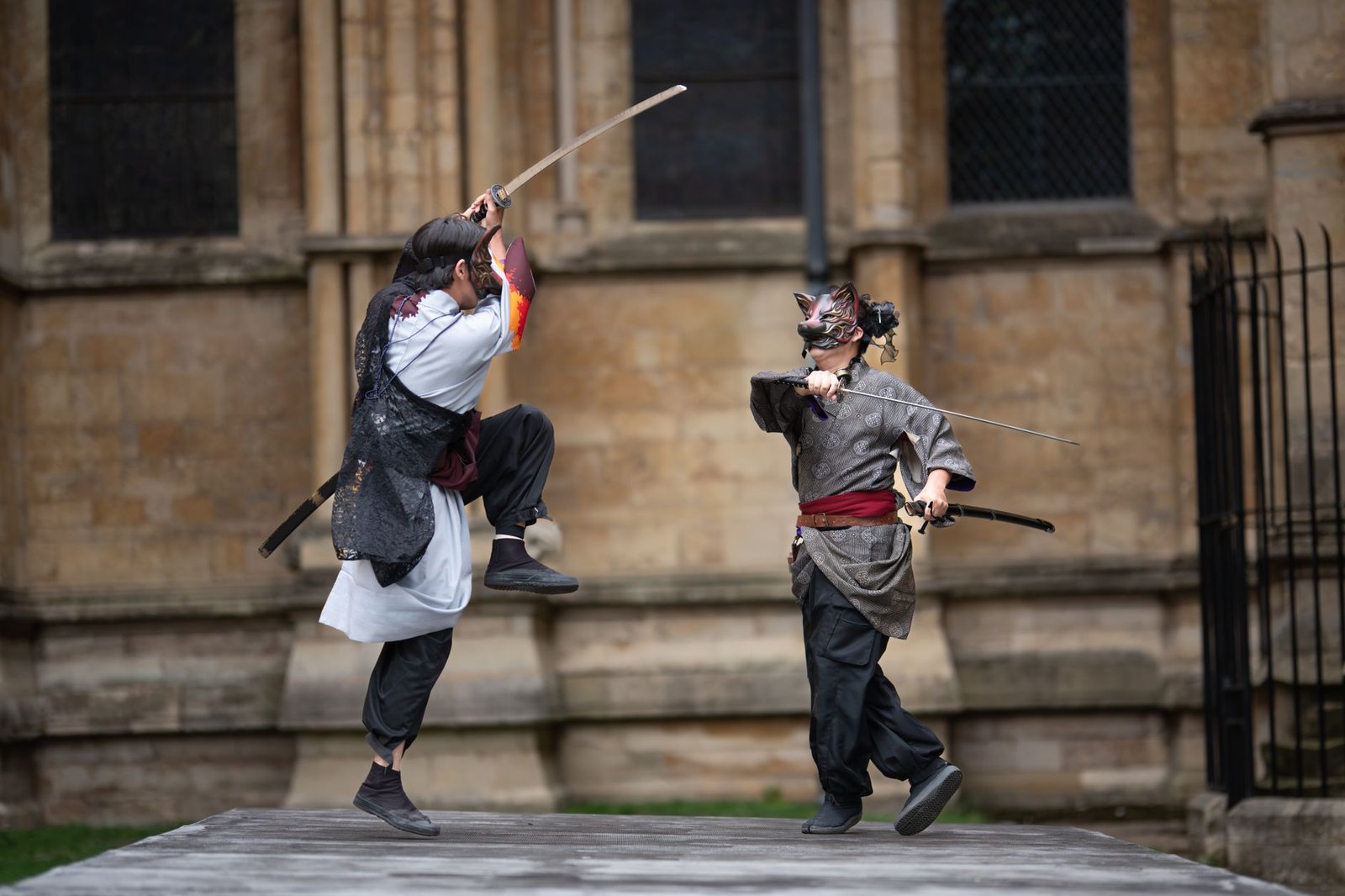
Difference Between Yokai and Kami: Key Distinctions
The difference between a yokai and a kami reflects two distinct ways Japanese tradition explains the supernatural: a kami is a sacred presence or deity associated with worship, while a yokai is a strange folkloric being or phenomenon. Their meanings sometimes overlap in history and local belief, making the boundary between reverence and fear more complex than it first appears.
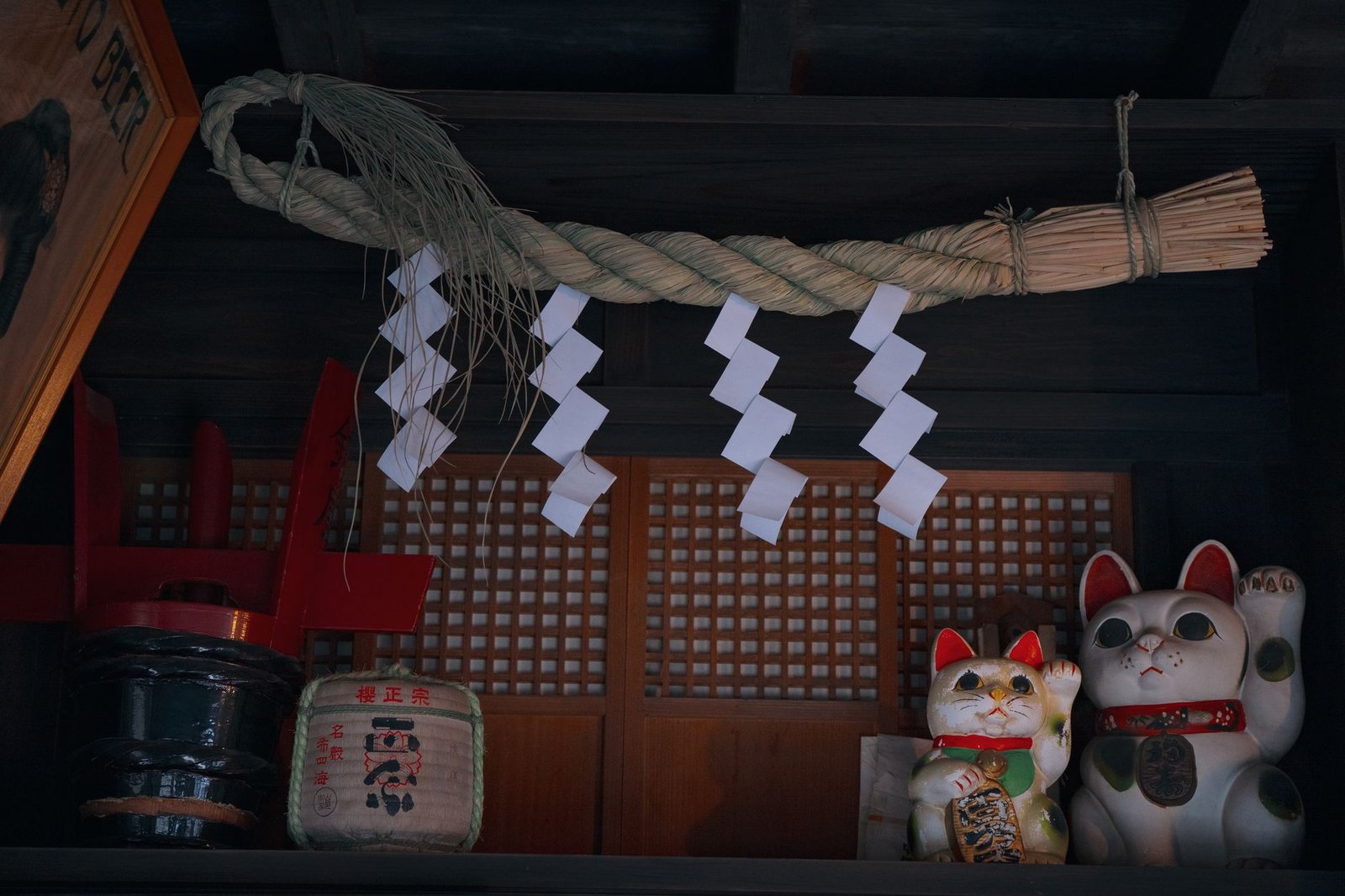
Shimenawa: Japanese Sacred Rope and Shinto Tradition
Shimenawa are sacred ropes in Shinto that mark spaces, objects, and natural forms as pure, protected, and set apart for kami. Made from braided straw, hemp, or other fibers, they reveal how Japanese ritual life connects boundary, purification, and reverence for nature in a single, enduring symbol.
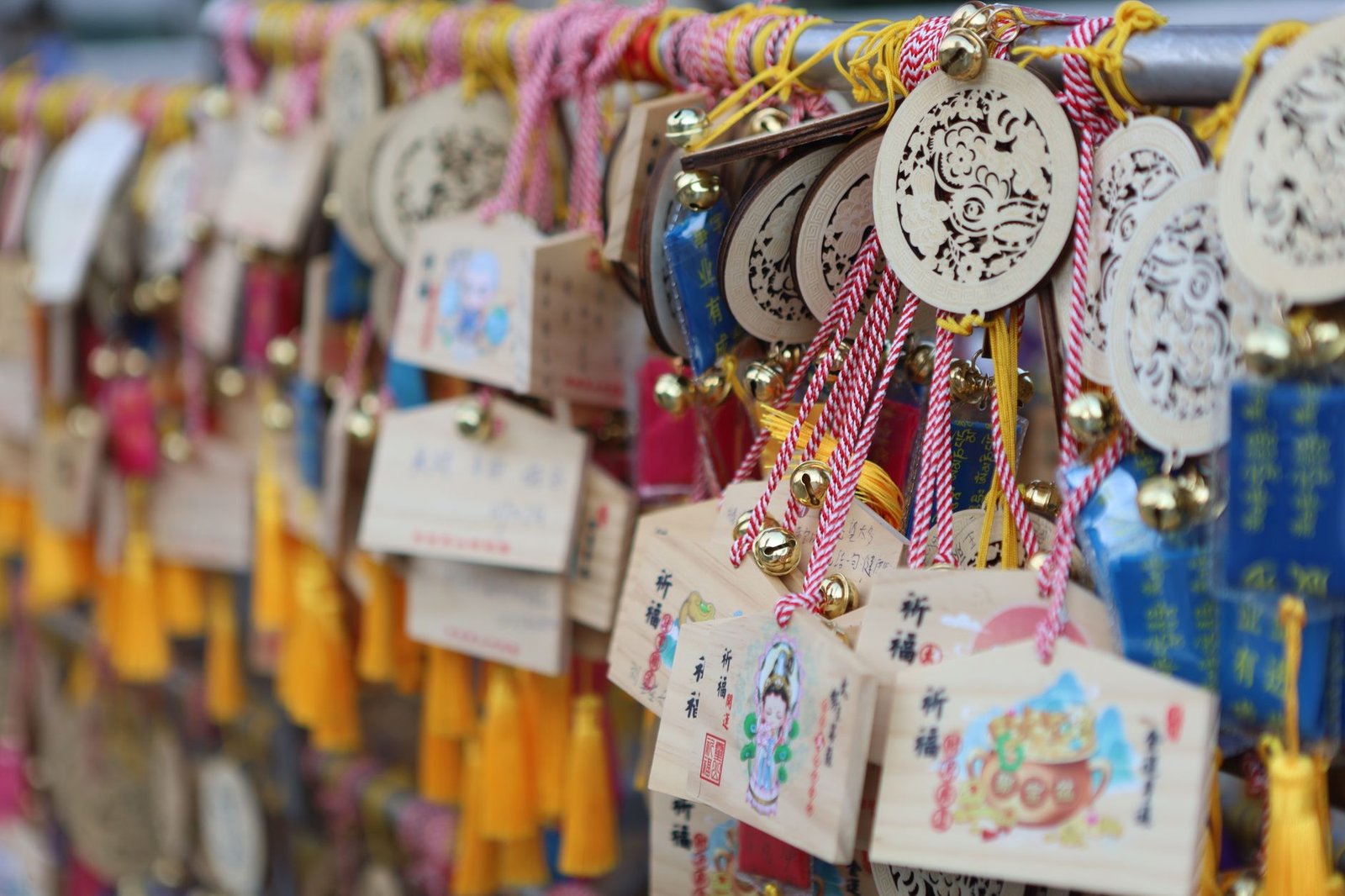
Omamori: Meaning, History, and Japanese Protection Charms
Omamori are Japanese protection charms found at shrines and temples, where they are believed to offer blessings for travel, health, study, and more. This article explains their meaning, religious origins, historical development, and continued role in Japanese life, revealing how a small pouch carries centuries of faith and tradition.
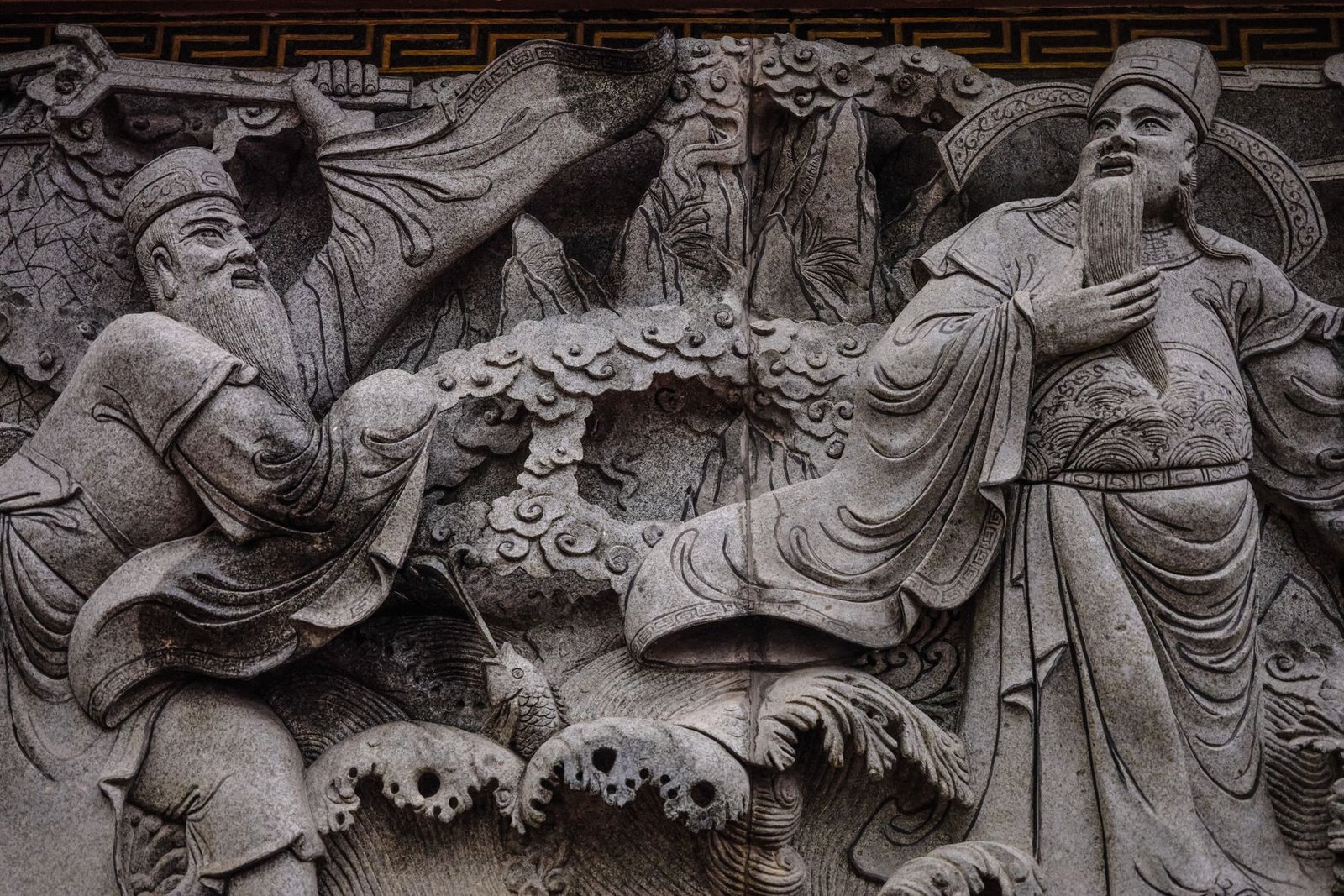
Izanagi: Japanese Creation God in Shinto Mythology
Izanagi is a central deity in Japanese mythology, remembered with Izanami as a primeval couple whose actions helped shape the islands, the kami, and the ritual ideas at the heart of Shinto. His stories, preserved in the *Kojiki* and *Nihon Shoki*, also reveal how creation, purification, and the boundary between life and death are understood in early Japanese tradition.
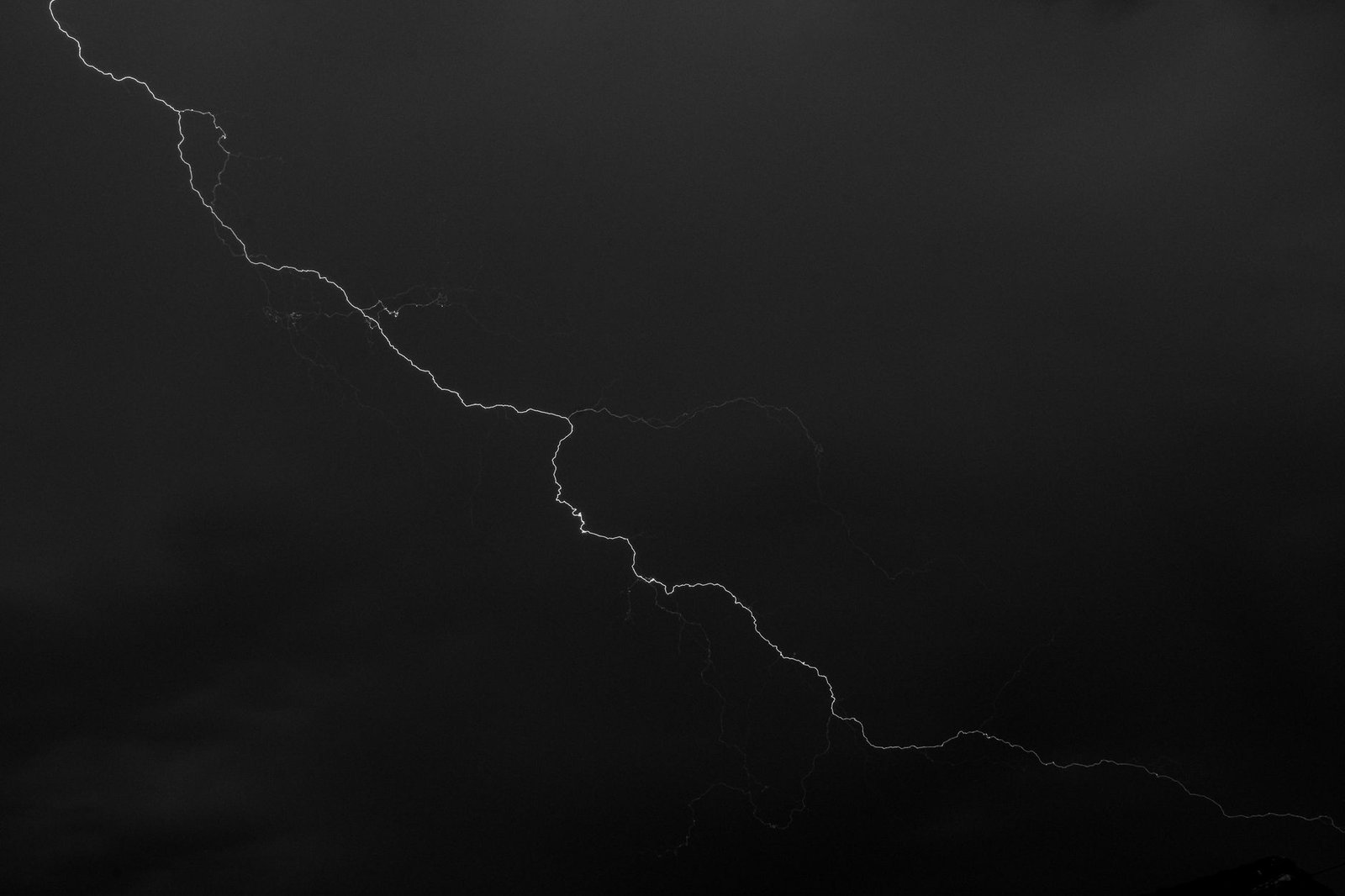
Raijin: Japanese God of Thunder and Storms
Raijin, the Japanese god of thunder, lightning, and storms, is one of the most striking figures in the nation’s religious and mythological tradition. Blending Shinto, Buddhist, and folk beliefs, this fearsome deity appears in art and stories as a symbol of divine power, natural upheaval, and enduring cultural imagination.
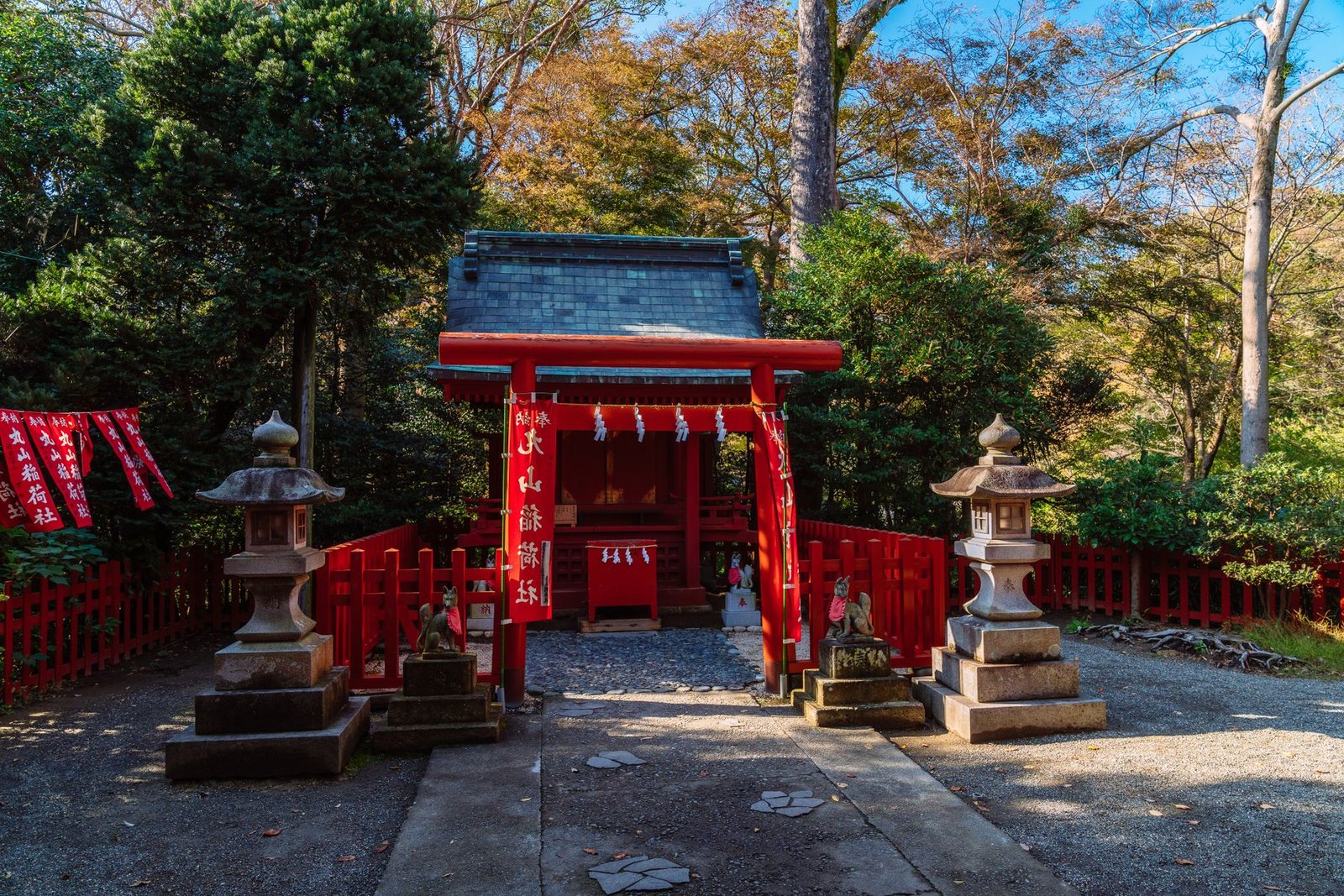
Hachiman: Shinto God of War and Protector of Japan
Hachiman is a major kami in Japanese religion, revered as a protector of warriors, communities, and the imperial house, while also reflecting the blending of native belief with Buddhist influence. This article traces his origins, the meaning of his name, and the rise of Hachiman shrines, revealing why this complex deity became central to Japanese history and worship.
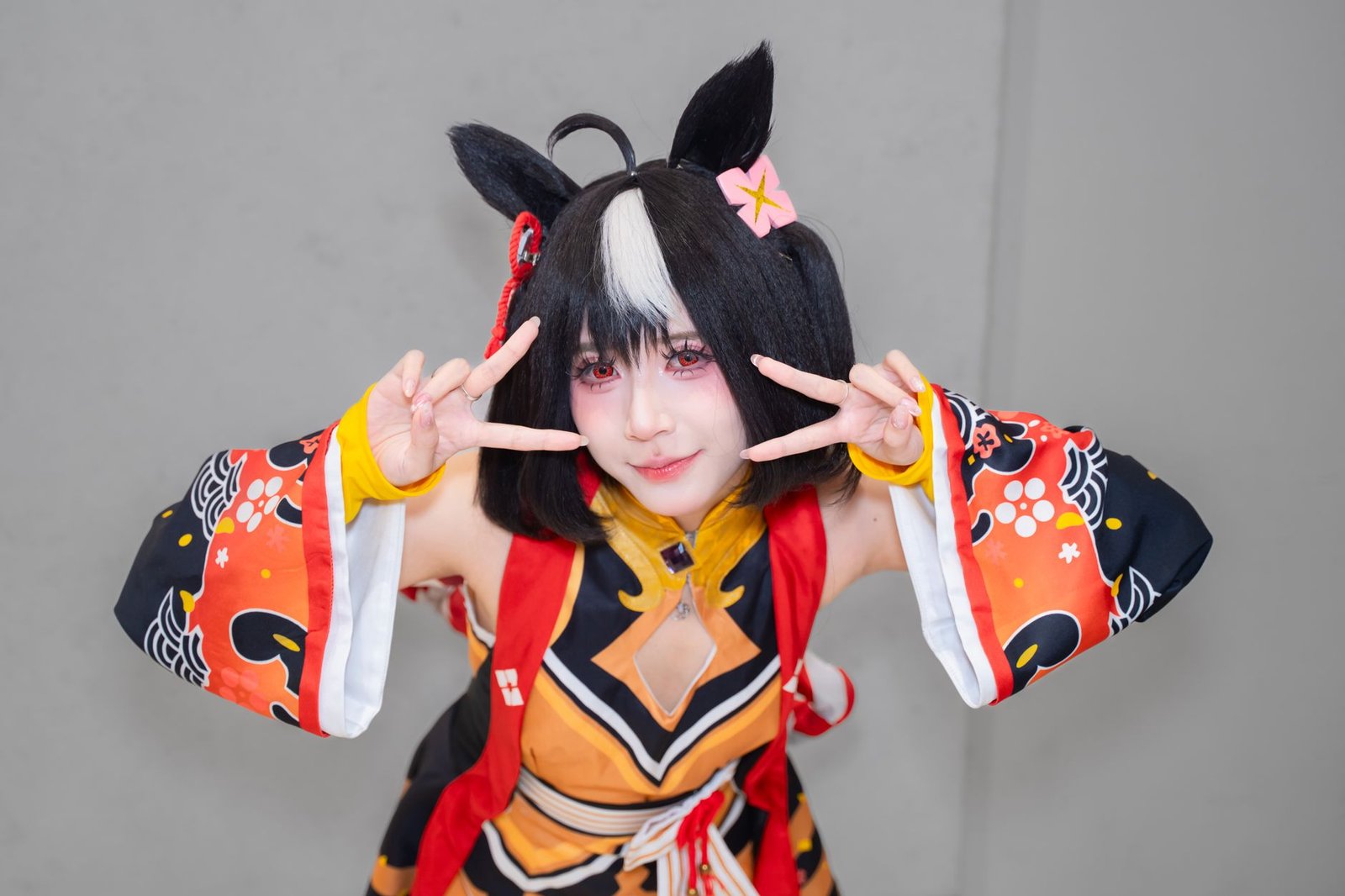
Ninigi: Japanese Mythology Deity and Imperial Ancestor
Ninigi is a central figure in Japanese mythology, remembered as the grandson of Amaterasu and the heavenly envoy whose descent to earth links the gods with Japan’s imperial line. His story, preserved in the Kojiki and Nihon Shoki, reveals how sacred authority, the Three Sacred Treasures, and the origin of the ruling house became joined in a lasting mythic tradition.
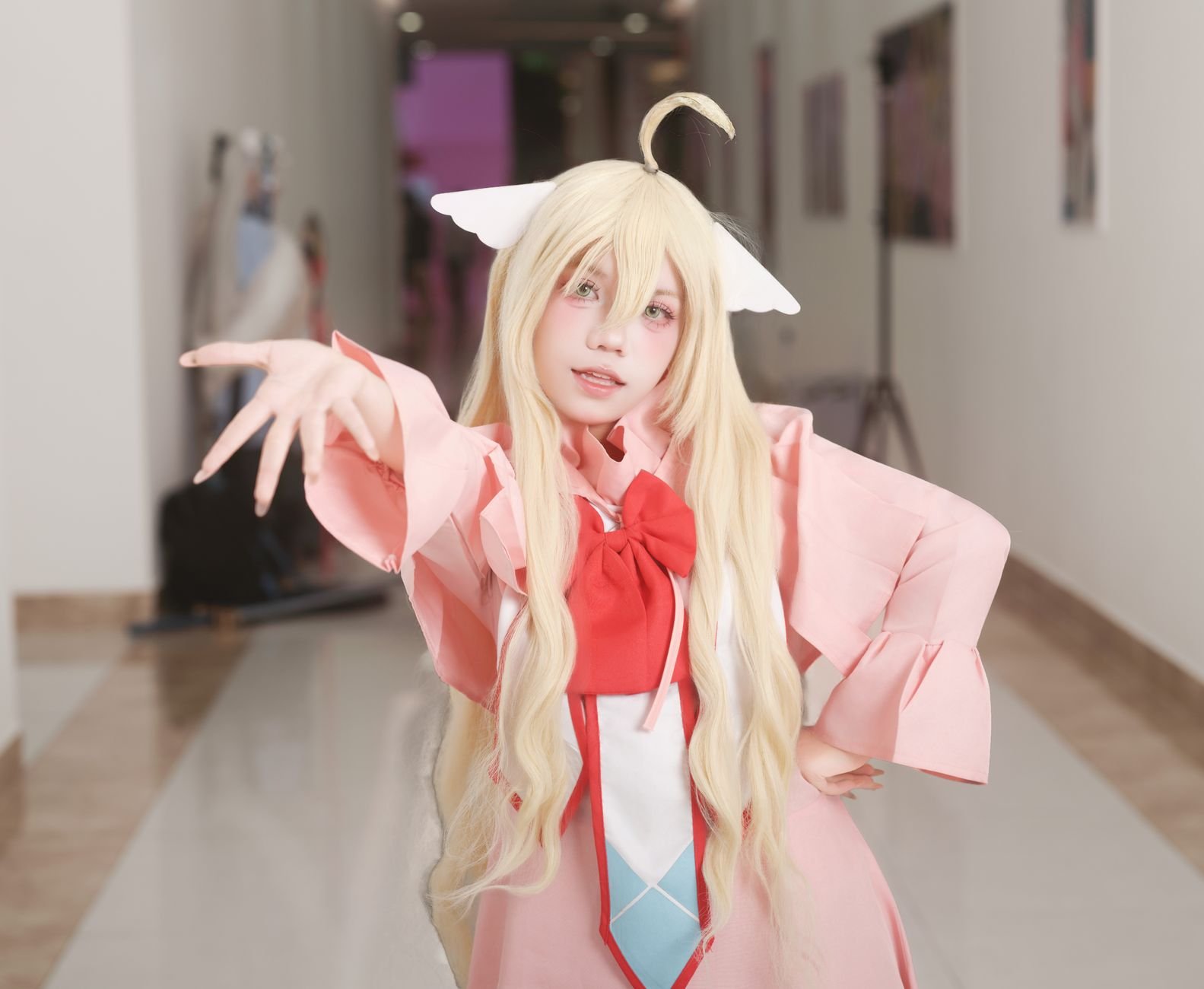
Toyotama-Hime: Japanese Mythology Sea Princess
Toyotama-hime, a pivotal figure in Japanese mythology, is remembered as the sea deity’s daughter and the wife of Hoori, ancestor of the imperial line. Her story in the Kojiki and Nihon Shoki reveals how oceanic divinity, sacred taboos, and mythic lineage shaped early ideas of Japan’s rulership and spiritual origins.
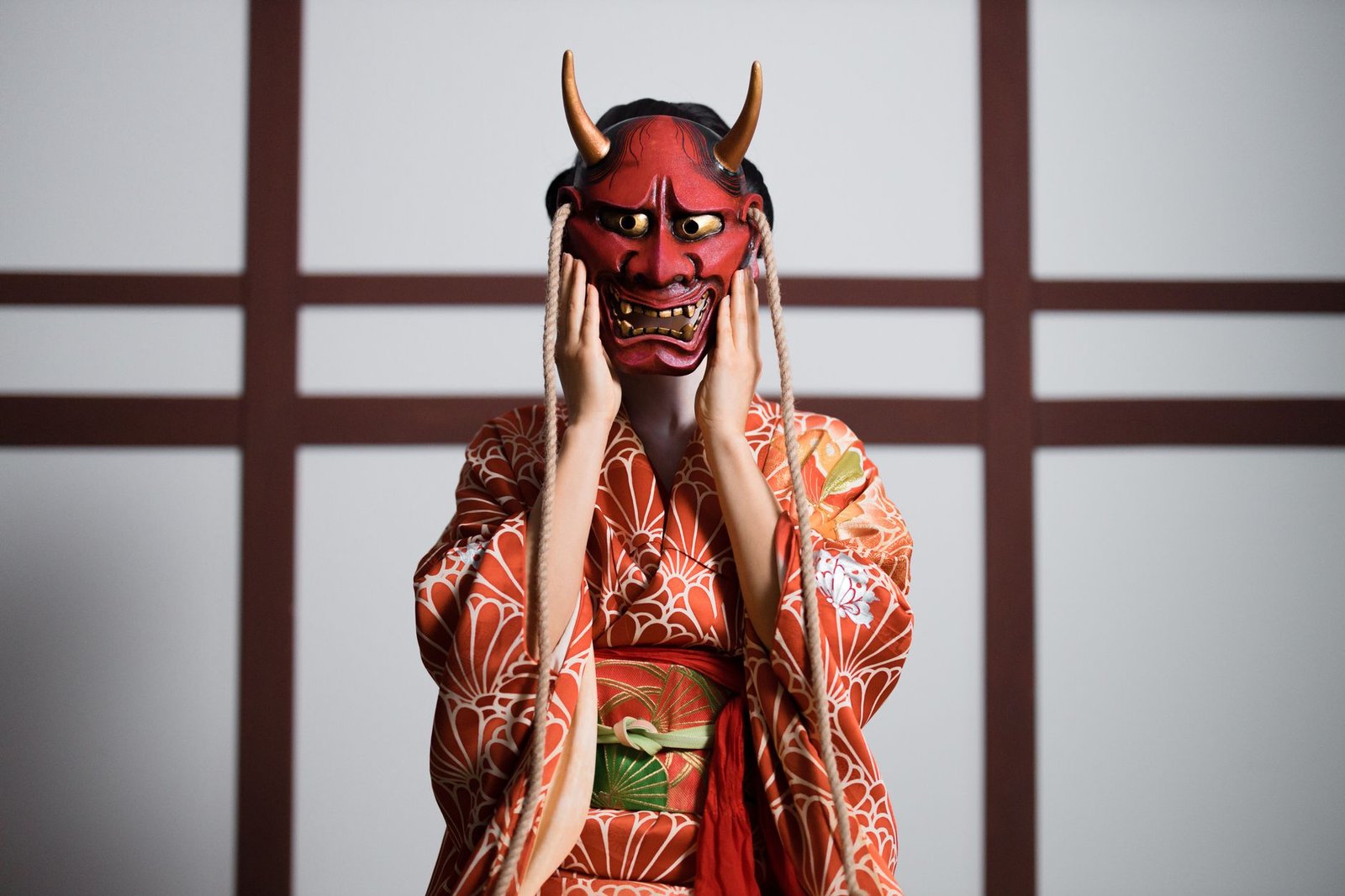
Ame-no-Uzume: Japanese Goddess of Dawn and Dance
Ame-no-Uzume, or Ame-no-Uzume-no-Mikoto, is a central deity in Japanese mythology, celebrated for dance, mirth, and the power to bring hidden things into the light. Best known for luring Amaterasu from a cave and restoring the world’s sunlight, she also shaped Shinto ritual, kagura, and traditions of performance, fertility, and renewal.
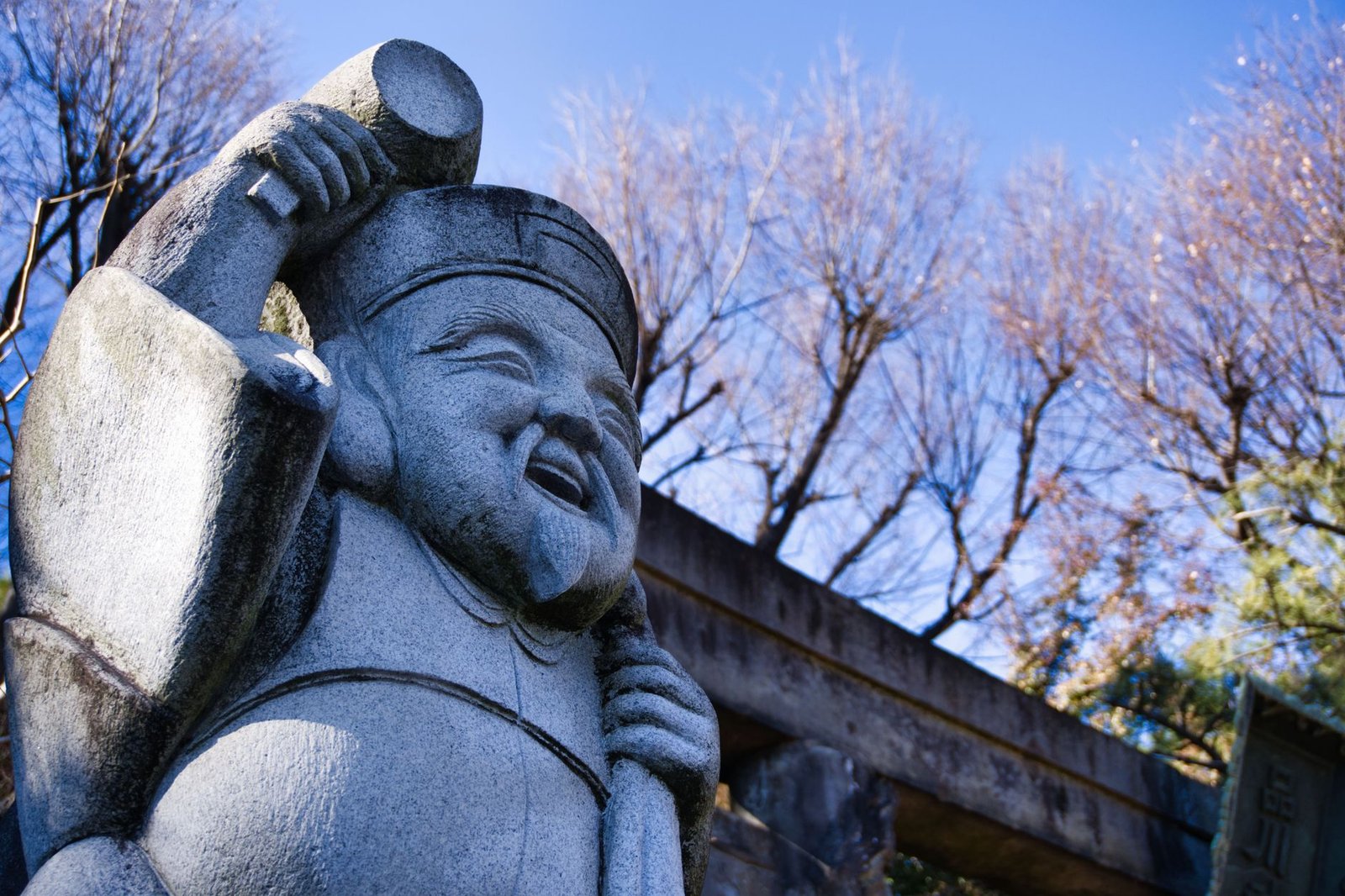
How Many Gods Are There in Shinto? Yaoyorozu No Kami
In Shinto, the answer to “how many gods are there” is not a fixed number but the idea of **Yaoyorozu no Kami**, or countless kami present in nature, communities, ancestors, and everyday life. This article explains why “eight million gods” is a symbolic expression, how it shaped Shinto belief, and what it reveals about Japan’s sacred worldview.