kami
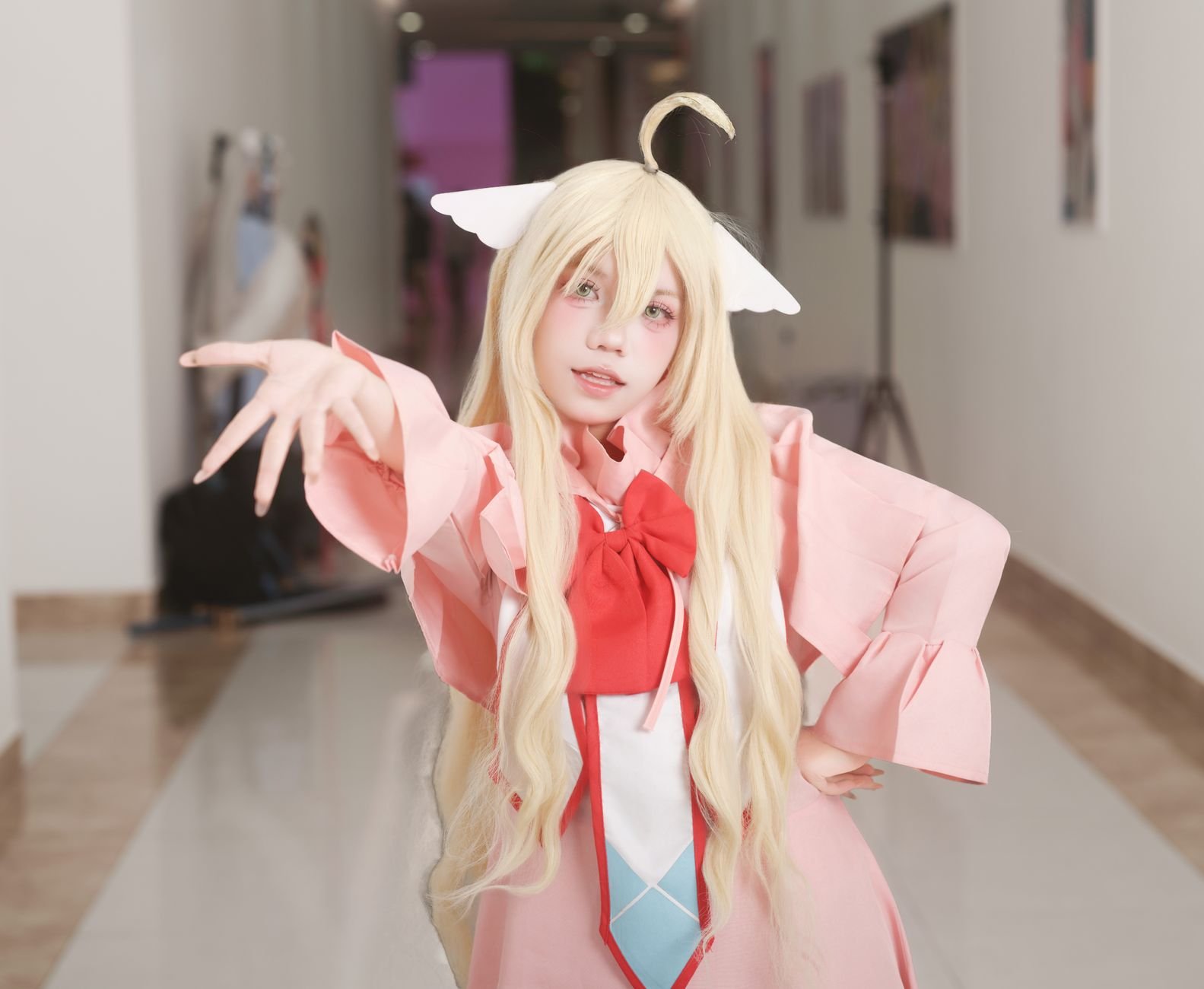
Toyotama-Hime: Japanese Mythology Sea Princess
Toyotama-hime, a pivotal figure in Japanese mythology, is remembered as the sea deity’s daughter and the wife of Hoori, ancestor of the imperial line. Her story in the Kojiki and Nihon Shoki reveals how oceanic divinity, sacred taboos, and mythic lineage shaped early ideas of Japan’s rulership and spiritual origins.
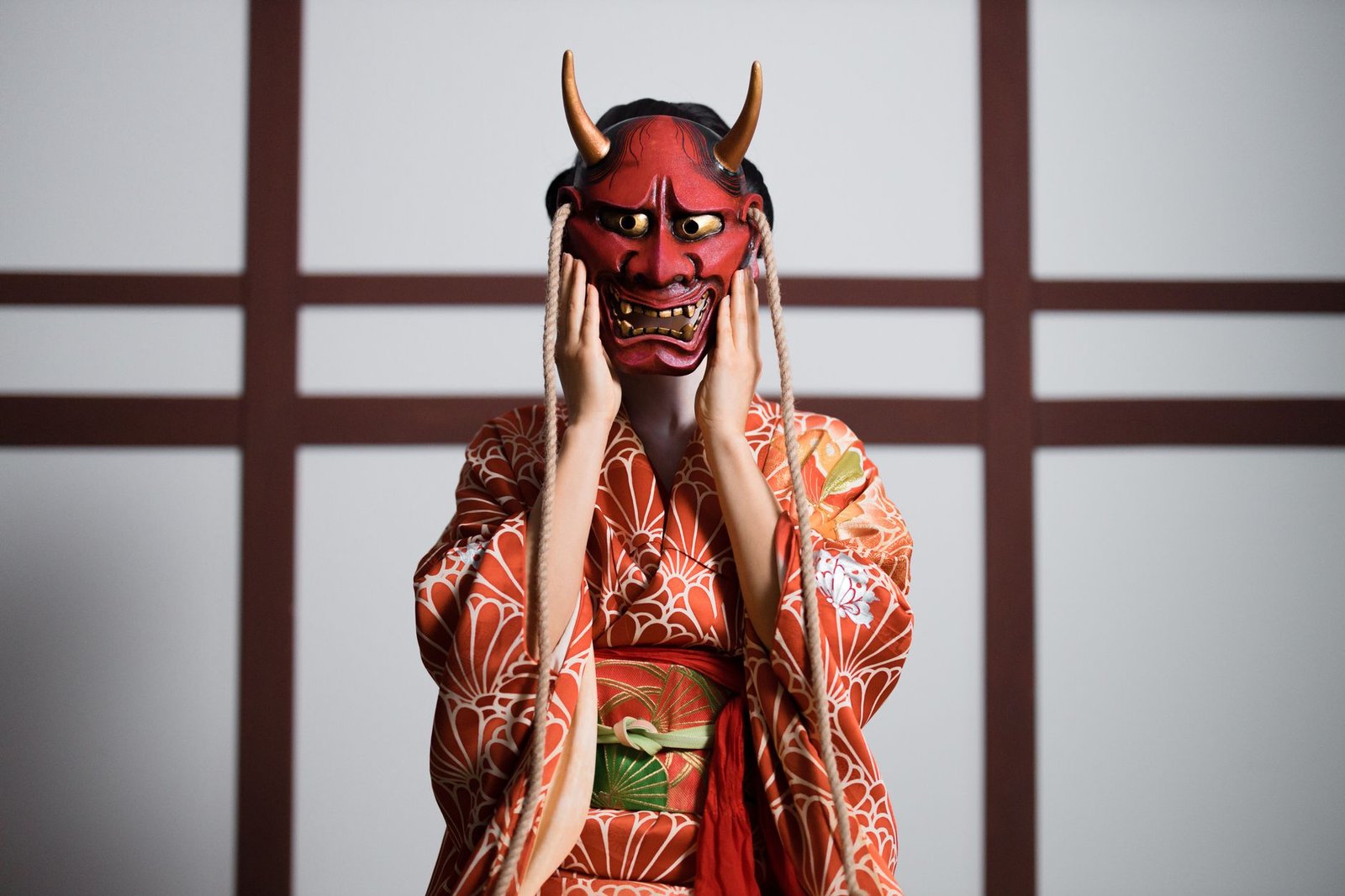
Ame-no-Uzume: Japanese Goddess of Dawn and Dance
Ame-no-Uzume, or Ame-no-Uzume-no-Mikoto, is a central deity in Japanese mythology, celebrated for dance, mirth, and the power to bring hidden things into the light. Best known for luring Amaterasu from a cave and restoring the world’s sunlight, she also shaped Shinto ritual, kagura, and traditions of performance, fertility, and renewal.
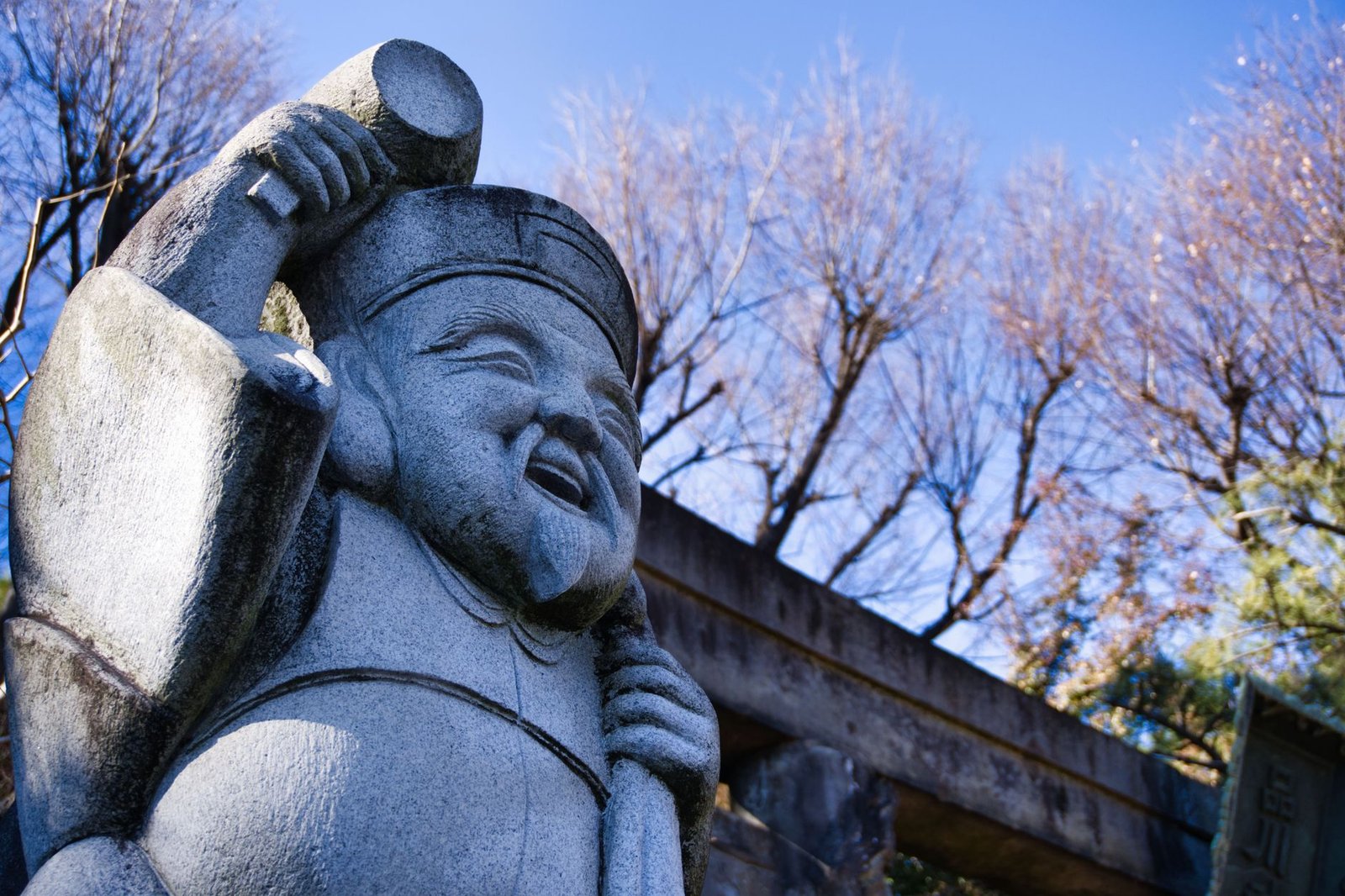
How Many Gods Are There in Shinto? Yaoyorozu No Kami
In Shinto, the answer to “how many gods are there” is not a fixed number but the idea of **Yaoyorozu no Kami**, or countless kami present in nature, communities, ancestors, and everyday life. This article explains why “eight million gods” is a symbolic expression, how it shaped Shinto belief, and what it reveals about Japan’s sacred worldview.
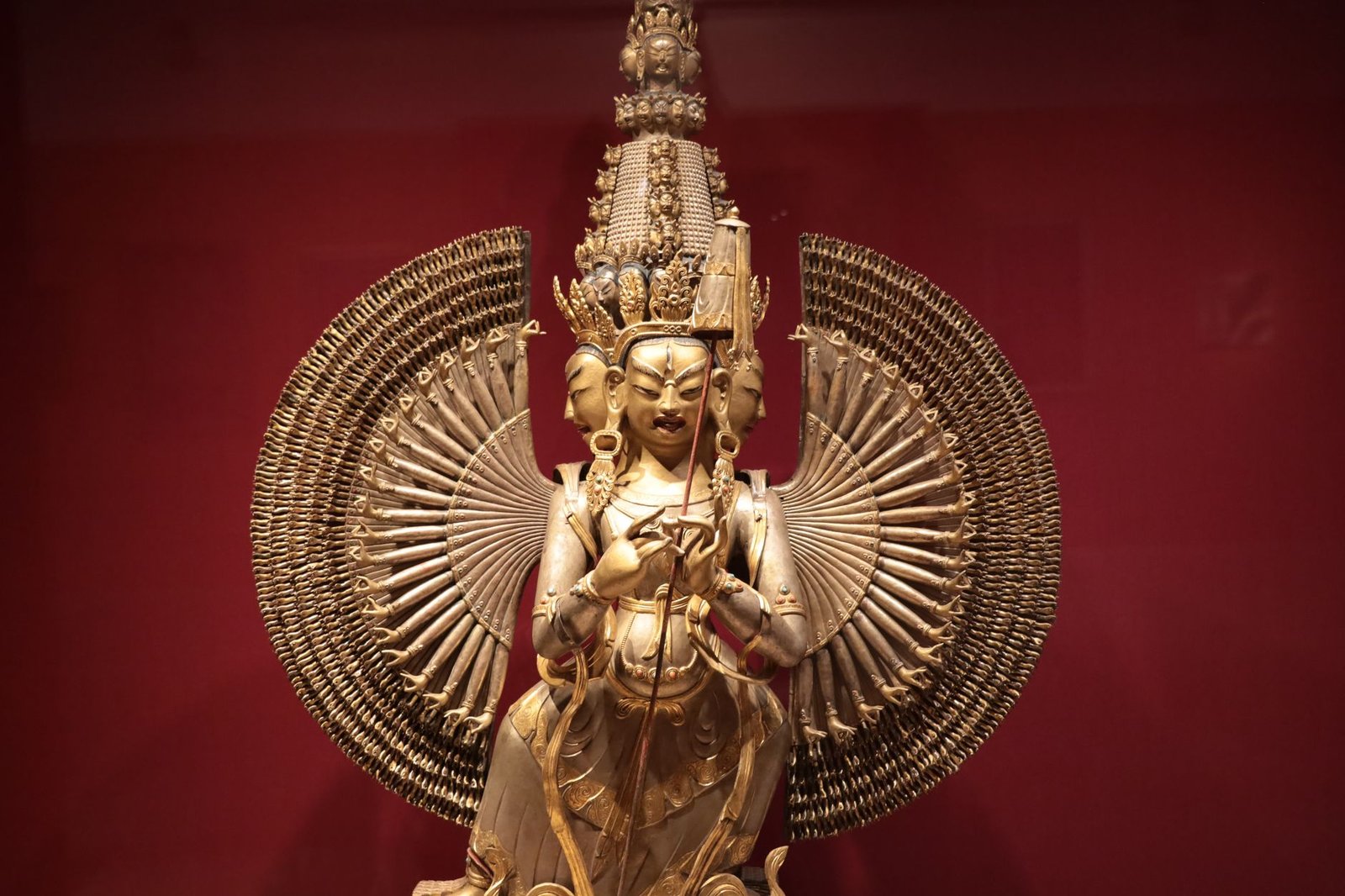
Who Is the Supreme Deity in Shinto? Explained
In answering who is the supreme deity in Shinto, many scholars point to Amaterasu Ōmikami, the sun goddess whose mythic role links light, order, and the imperial line of Japan. Yet Shinto’s flexible tradition of kami worship leaves room for regional beliefs, historical shifts, and competing interpretations that make her status more nuanced than it first appears.
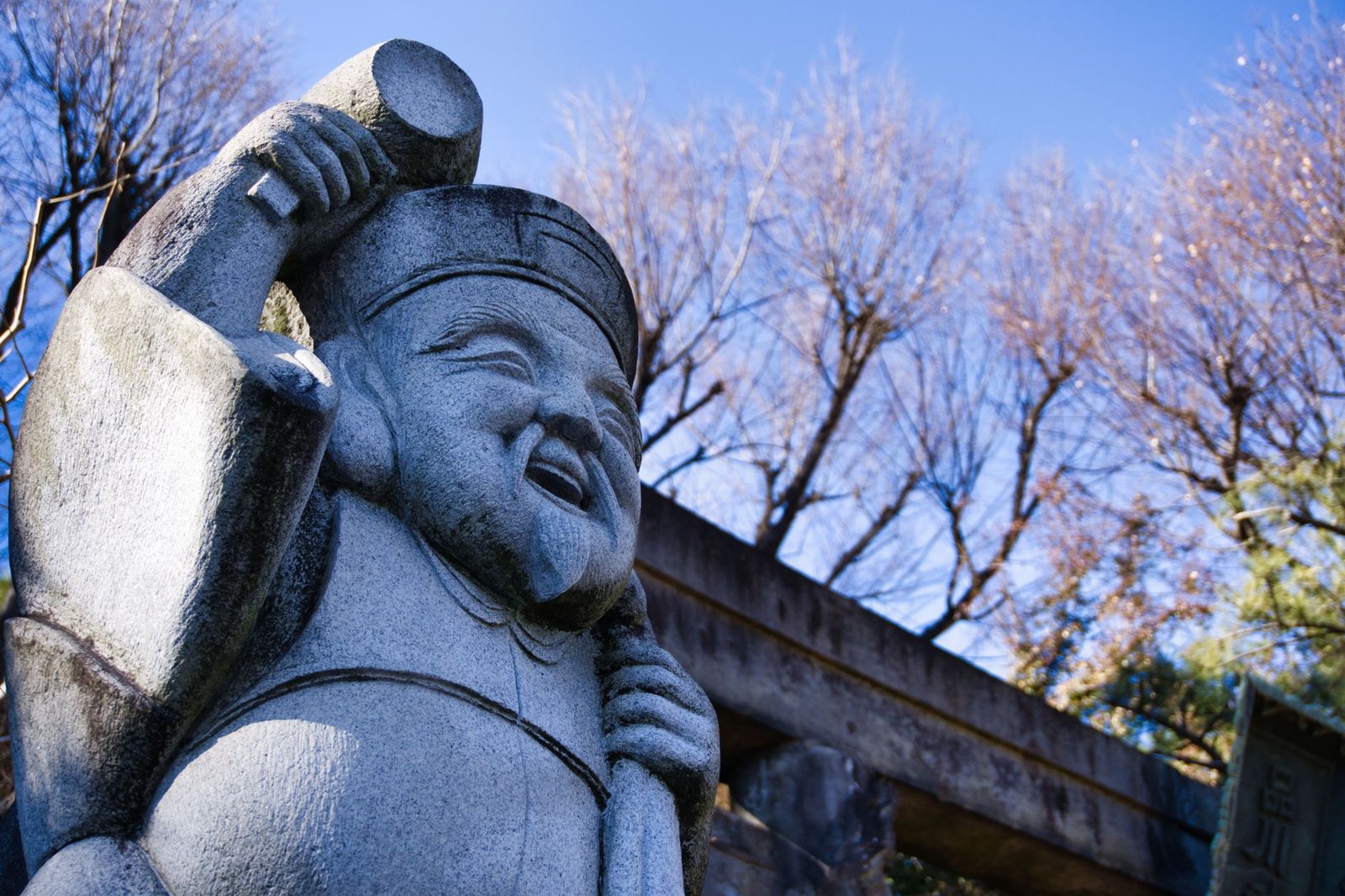
Is the Emperor of Japan Considered Descended From Gods?
The question of whether the Emperor of Japan is considered descended from the gods lies at the heart of Shinto mythology and imperial tradition. Tracing the imperial line to Amaterasu, this belief has shifted from sacred genealogy to symbolic authority, revealing how myth, history, and modern constitutional monarchy intersect in Japan.
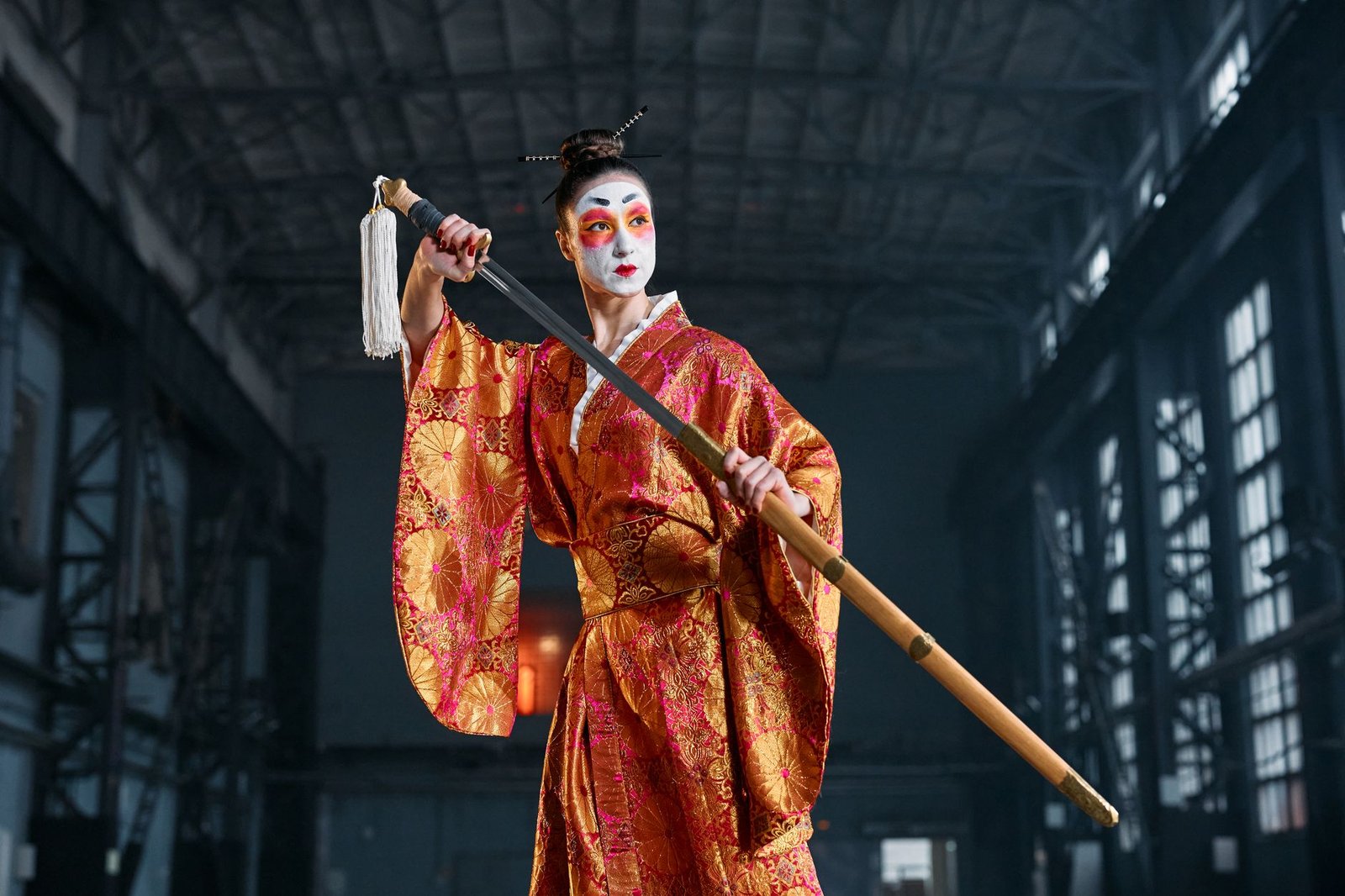
Izanami: Japanese Goddess of Creation and Death
Izanami is a central figure in Japanese mythology, known as the goddess who helped create the islands of Japan and gave birth to many kami alongside her partner, Izanagi. Her story then turns toward death and the underworld, where her transformation into a powerful Yomi deity reveals the deep symbolic links between creation, fertility, and loss.

Omoikane: Japanese God of Wisdom and Wisdom Lore
Omoikane is a central figure in Japanese mythology, revered as the god of wisdom, intelligence, planning, and wise counsel. This encyclopedia-style article explores his origins in the *Kojiki* and *Nihon Shoki*, his role as a divine strategist in moments of crisis, and the enduring cultural meaning of Omoikane in Shinto belief and beyond.

Tenjin: Meaning, History, and Cultural Significance
Tenjin is one of Japan’s most important deities, revered as the kami of scholarship, learning, calligraphy, and examinations, and widely prayed to by students and academics seeking success. This article traces how the historical court scholar Sugawara no Michizane became Tenjin after death, exploring the meaning of the name, the growth of his cult, and his enduring cultural significance.