ancient religion

Golden Bough: Meaning, Origin, and Cultural Significance
The Golden Bough is best known as the title of Sir James George Frazer’s landmark study, but its roots lie in Roman myth, where a sacred branch from Diana’s grove at Nemi was tied to kingship, sacrifice, and renewal. This excerpt traces how Virgil’s symbolic golden branch became a powerful lens for comparing ancient rituals, death, and sacred authority across cultures.

Cornucopia of Abundance: Meaning, Symbolism, and History
The Cornucopia of Abundance, or horn of plenty, is an enduring symbol of prosperity rooted in Greek and Roman myth, where overflowing fruit and grain signified divine favor, fertility, and harvest wealth. Its long history in art, coinage, and emblematic tradition reveals how a single image came to embody the idea of plenty across centuries and cultures.

Laurel Wreath of Triumph: Meaning, History, and Symbolism
The laurel wreath of triumph is an enduring emblem of victory in Greek and Roman culture, woven from sacred bay leaves and linked to Apollo, athletic contests, military honors, and poetic achievement. Its story reveals how a simple wreath became a powerful sign of triumph, authority, and divine favor—meanings that continue to shape modern symbols today.
Aurora: Definition, Causes, and Types Explained
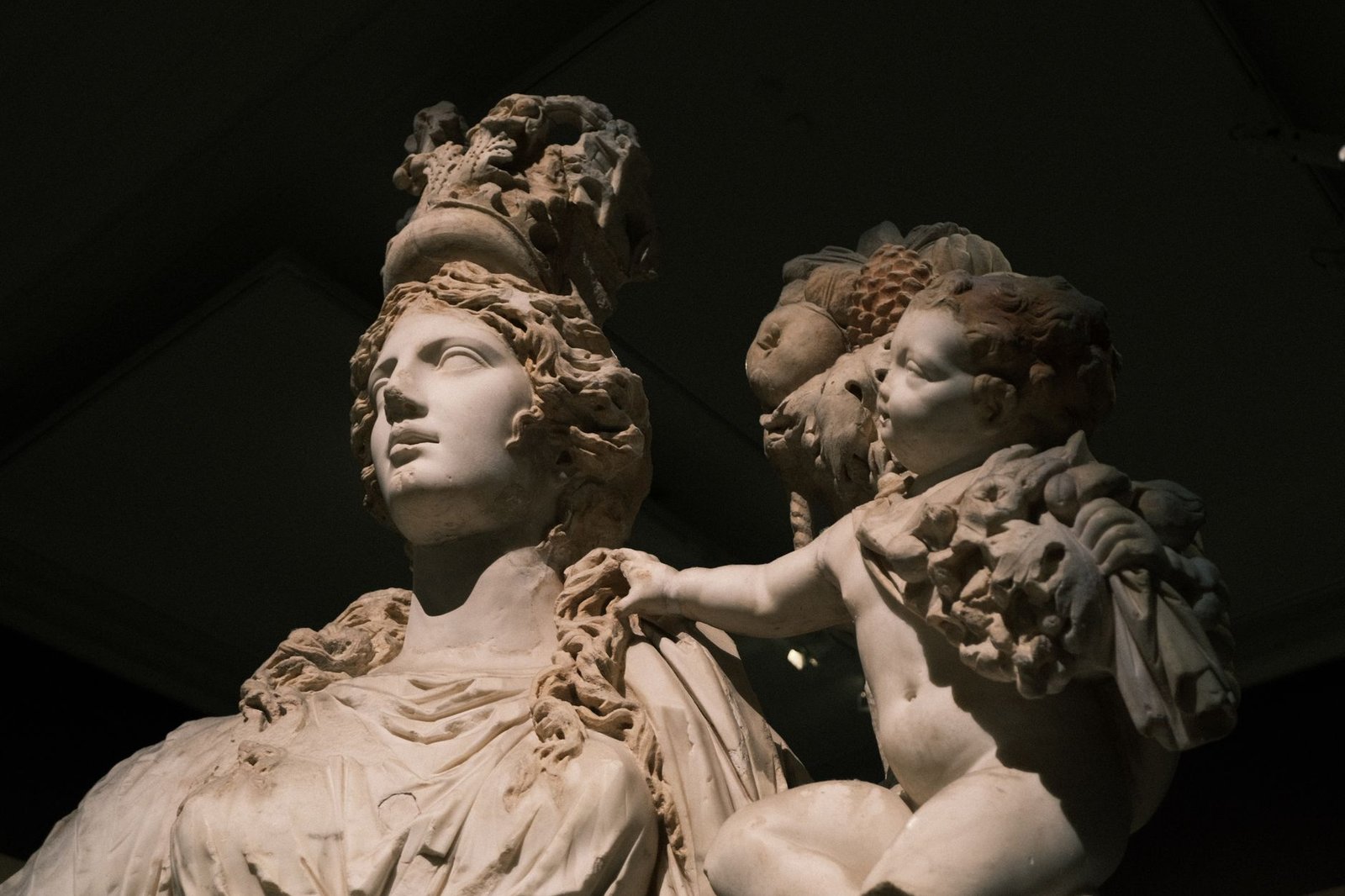
Aurora is the Roman goddess of dawn, the divine personification of the first light that ends night and announces the day. Rooted in ancient Indo-European tradition and mirrored by Greek Eos, she appears throughout classical poetry, art, and myth as a symbol of renewal—yet her story reveals far more than a simple morning image.
Bacchus: Roman God of Wine and Celebration
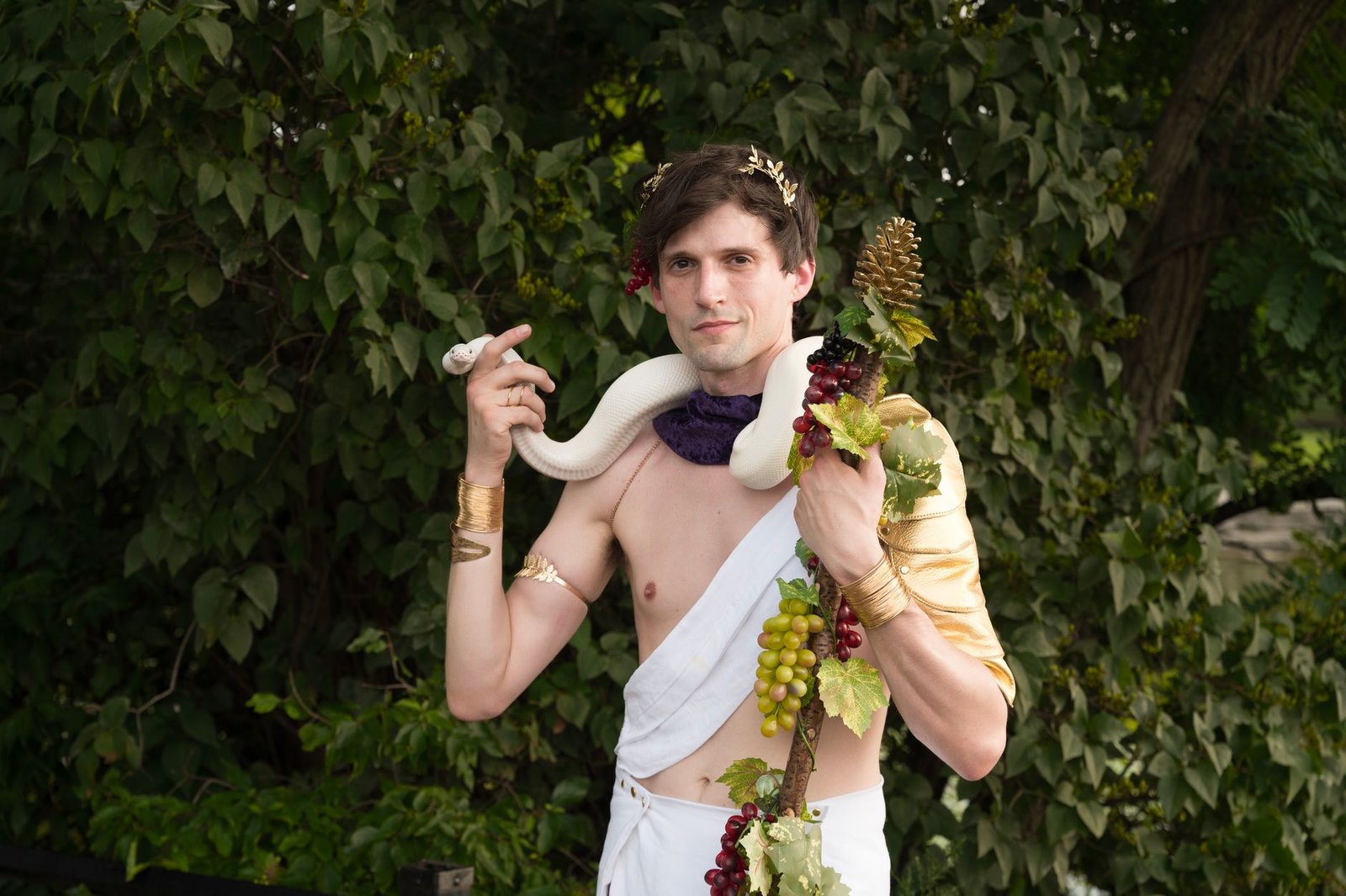
Bacchus, the Roman god of wine, ecstasy, fertility, and theatrical release, stands at the crossroads of celebration and restraint in ancient religion. This article traces his Greek origins, Roman adaptation, and enduring influence in art and culture, revealing why Bacchus remains a powerful symbol of both pleasure and peril.

Labyrinth: Definition, History, and Cultural Significance
A labyrinth is a complex network of winding passages that can function as a maze, a single-path design, or a powerful metaphor for uncertainty and discovery. From the Greek myth of the Minotaur and Daedalus to temple plans, church pavements, and modern art, the labyrinth reveals how cultures have long used intricate forms to express trial, guidance, and hidden knowledge.
Eros’s Bow: Meaning, Mythology, and Symbolism
Eros’s bow is a central symbol in Greek mythology, linking the god of love and desire to the sudden force of attraction. This article traces its origins, changing representations in ancient literature and art, and the lasting cultural idea that love can strike unexpectedly, like an arrow.

Why Do Gods Have Their Own Symbols? Meaning Explained
Across world mythologies, the question of why does every god have their own symbols reveals how ancient cultures made the divine visible, memorable, and distinct. From thunderbolts and tridents to lotuses and swords, these signs encoded a god’s powers, role, and identity while shaping worship, art, and storytelling.
Harpies: Mythology, Origins, and Cultural Significance
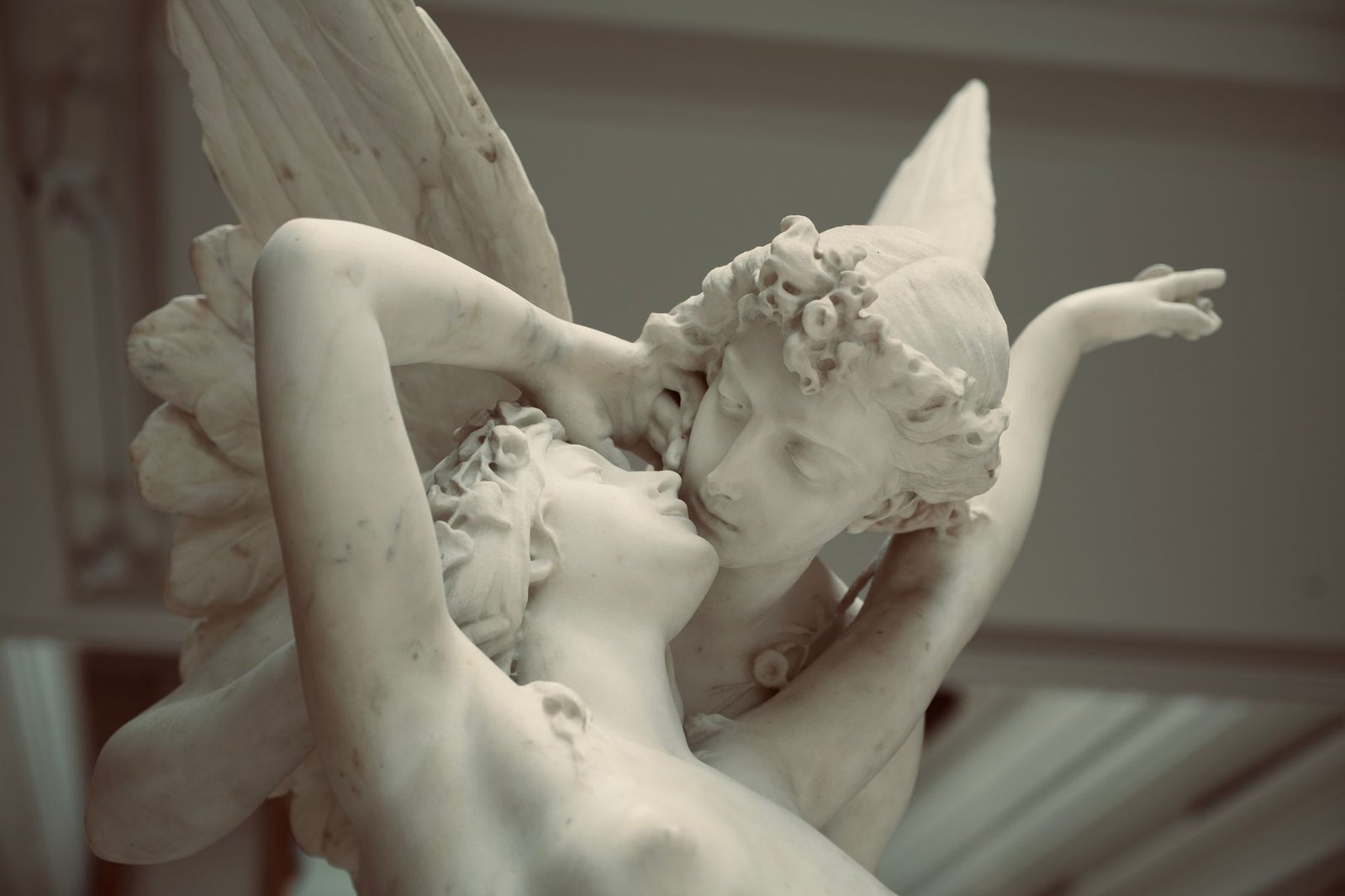
Harpies are enduring figures of Greek mythology, described as swift spirits of violent wind, sudden seizure, and divine punishment rather than merely bird-women in later art. Tracing their changing roles from early poetry to Roman literature reveals how ancient Greeks used harpies to explain loss, contamination, and the hidden force of stormy air.
Zeus and Callisto in Greek Mythology: Story and Meaning
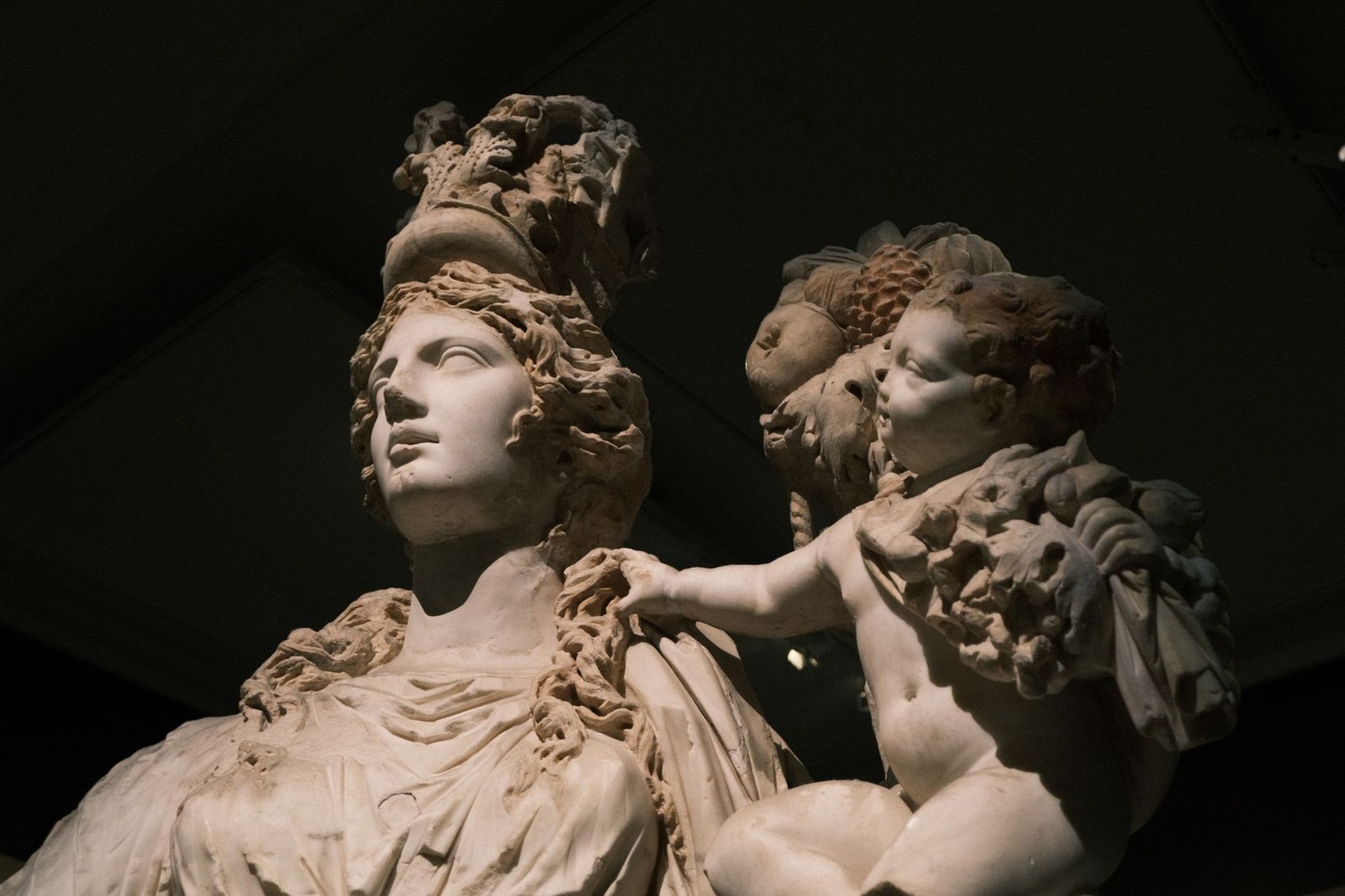
The myth of Zeus and Callisto recounts how Zeus pursued the companion of Artemis, who was transformed into a bear and later linked with her son Arcas in the heavens. Preserved in Greek and Roman sources, this tale explains the constellations Ursa Major and Ursa Minor while revealing ancient ideas about divine power, metamorphosis, and fate.