Apollo
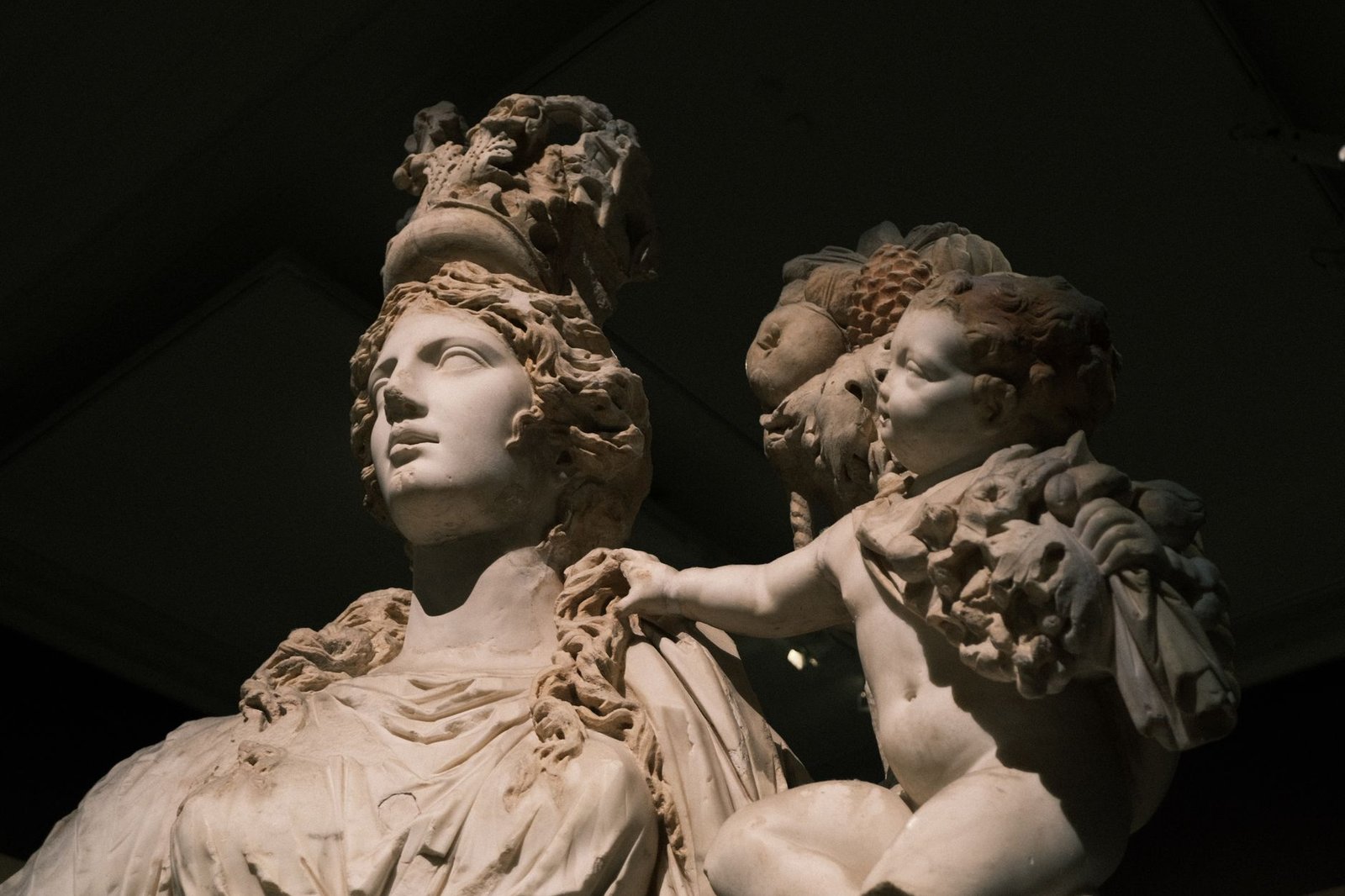
Apollo and Daphne: Myth, Summary, and Meaning
Apollo and Daphne is one of classical mythology’s most enduring tales, recounting how the nymph Daphne was transformed into a laurel tree to escape Apollo’s pursuit. Rooted in Ovid’s *Metamorphoses*, the myth explores desire, resistance, and metamorphosis while explaining why the laurel became sacred to Apollo and influential in later art and culture.

Laurel Wreath of Triumph: Meaning, History, and Symbolism
The laurel wreath of triumph is an enduring emblem of victory in Greek and Roman culture, woven from sacred bay leaves and linked to Apollo, athletic contests, military honors, and poetic achievement. Its story reveals how a simple wreath became a powerful sign of triumph, authority, and divine favor—meanings that continue to shape modern symbols today.
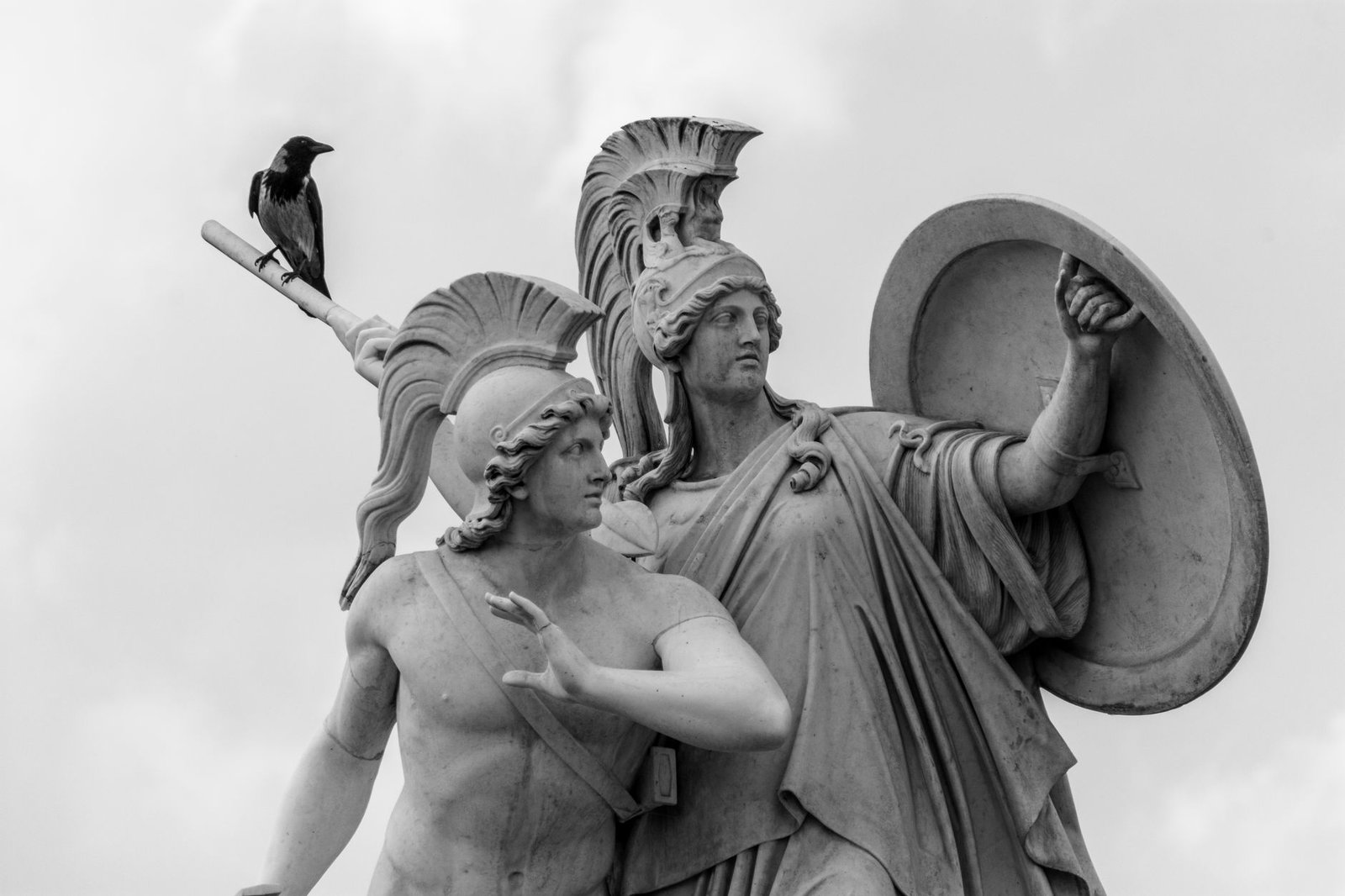
Apollo: Greek God of Music, Poetry, and Sun
Apollo is one of the most enduring figures in Greco-Roman mythology, revered as the god of prophecy, music, healing, and archery. His cult at Delphi and Delos, along with his complex role as both benefactor and punisher, reveals why Apollo remained a powerful symbol of order, harmony, and divine authority across ancient and later Western culture.

The Twelve Dii Consentes: Roman Gods and Goddesses
The Twelve Dii Consentes were the principal gods of Roman religion, a prestigious council of twelve deities broadly aligned with the Greek Olympians but shaped by Roman custom and political life. This article traces their origin, meaning, and changing composition, showing how these gods reflected Roman ideas of divine order, public worship, and cultural adaptation.

Laurel Wreath: Meaning, History, and Symbolism
A laurel wreath, woven from evergreen bay laurel leaves, emerged in the ancient Mediterranean as a powerful emblem of victory, honor, and divine favor. From its roots in Greek worship of Apollo to Roman triumphs and later literary and civic awards, its enduring symbolism reveals a history far richer than a simple garland.
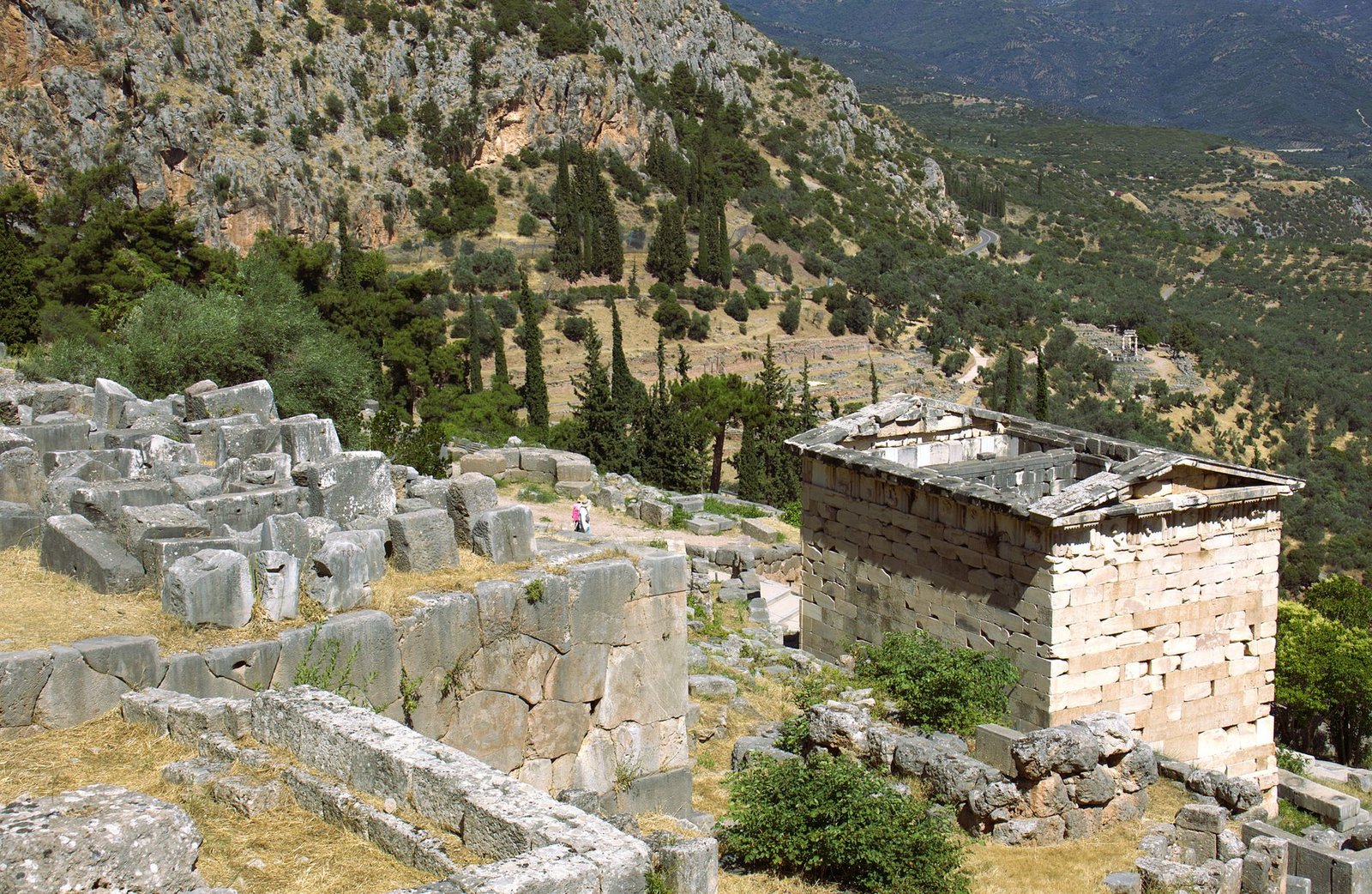
Omphalos: Meaning, Symbolism, and Cultural Significance
The omphalos was a sacred Greek marker of the world’s center, most famously preserved at Delphi, where it symbolized Apollo’s authority and the meeting point of divine and human realms. Its history reveals how myth, ritual, and sacred geography shaped ancient ideas of place, power, and cosmological order.

Delphi Tripod: Ancient Greek Oracle Symbol and Artifact
The Delphi Tripod was a sacred three-legged object central to the sanctuary of Apollo at Delphi, where it symbolized prophecy, divine authority, and the ritual setting of the Oracle. Exploring its origins, religious meaning, and appearances in myth and art reveals how a practical vessel stand became one of the most enduring emblems of ancient Greek religion.

Nectar and Ambrosia: Meaning, Origins, and Mythology
Nectar and ambrosia are among the most enduring symbols of Greek mythology, representing the food and drink reserved for the gods and the sharp divide between mortal and divine life. Their shifting meanings in ancient sources, along with their rich literary associations with immortality, luxury, and sacred privilege, reveal why these terms continue to fascinate readers.

Lyre of Apollo: Meaning, Mythology, and Symbolism
The Lyre of Apollo is a central symbol in Greek mythology, linking the god of music, poetry, and prophecy with harmony, restraint, and divine inspiration. This article traces its cultural origins, its place in ancient art and literature, and the distinctions between lyra and kithara that reveal a richer story behind Apollo’s enduring emblem.
Niobe’s Tragedy: Greek Mythology and the Story of Niobe
Niobe’s tragedy tells of the Theban queen whose boastful claim to outshine Leto provokes Apollo and Artemis into killing her children, turning pride into unbearable grief. Central to Greek ideas of divine retribution and mortal limits, the myth endures as a powerful symbol of mourning, punishment, and the fragility of fortune.