Celtic mythology
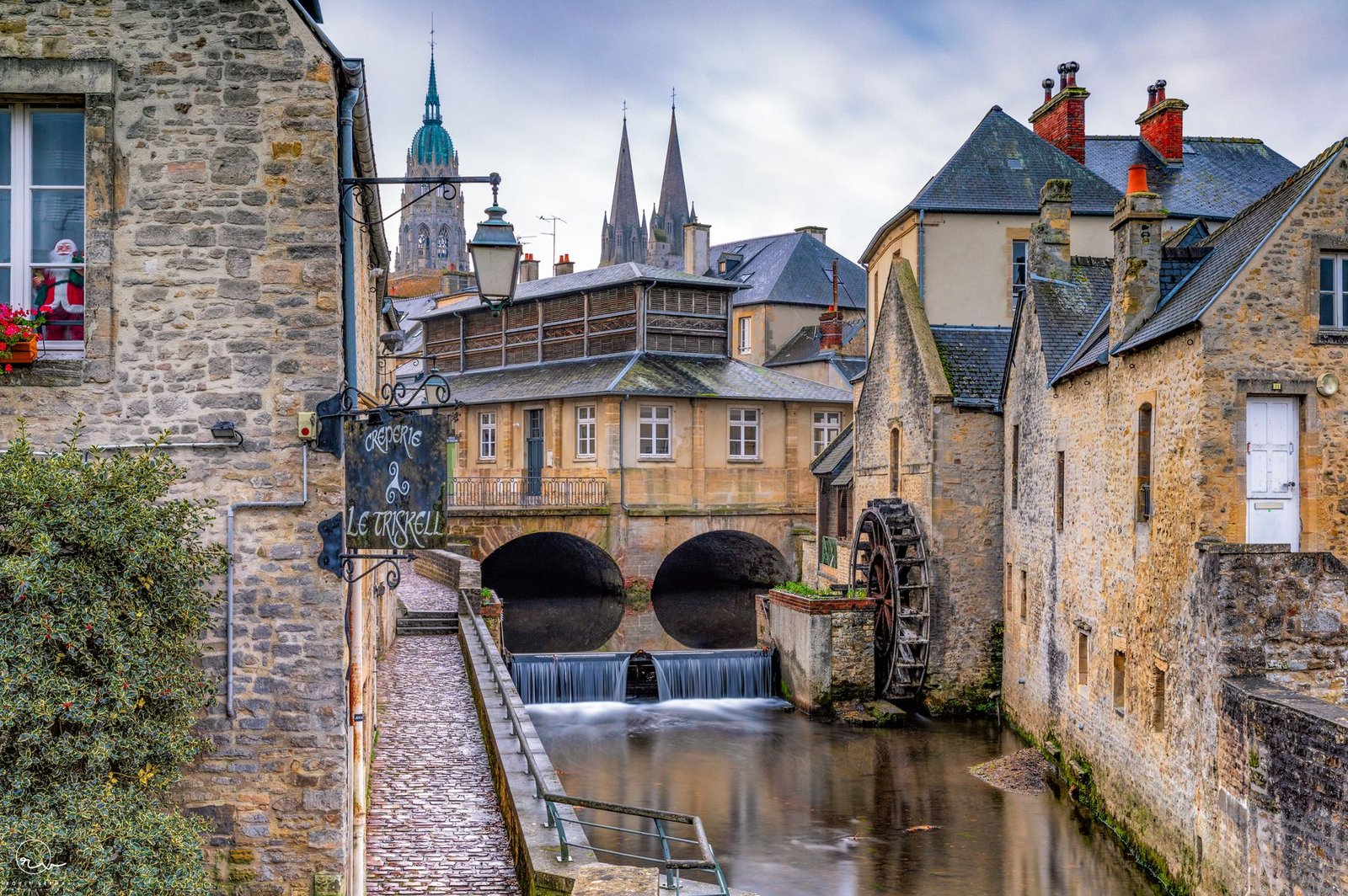
Triskele (Triskelion): Meaning, Symbolism, and History
The triskele, or triskelion, is an ancient three-armed symbol found from prehistoric Europe to the Mediterranean, Celtic, and Norse worlds, where it came to suggest motion, balance, cycles, and continuity. This article traces its origins, changing meanings, and enduring role in archaeology, heraldry, design, and modern symbolism, revealing why such a simple form has remained so adaptable.

Awen Symbol: Meaning, Origins, and Celtic Significance
Awen is a Welsh concept of inspiration that shaped medieval bardic poetry and later influenced revived Celtic spirituality, where it is understood as a flowing gift of creative and spiritual insight. Exploring its meanings, historical uses, and modern reinterpretations reveals why this elusive term continues to bridge literature, prophecy, and sacred knowledge.
Wheel of Taranis: Celtic Symbol and Mythology Explained
The Wheel of Taranis is a distinctive symbol linked to the Celtic thunder god Taranis, appearing in Roman-era inscriptions, reliefs, coins, and ritual objects across Iron Age Europe. Its precise meaning remains debated, but the motif offers a revealing glimpse into how ancient communities connected storm power, solar imagery, and divine authority.
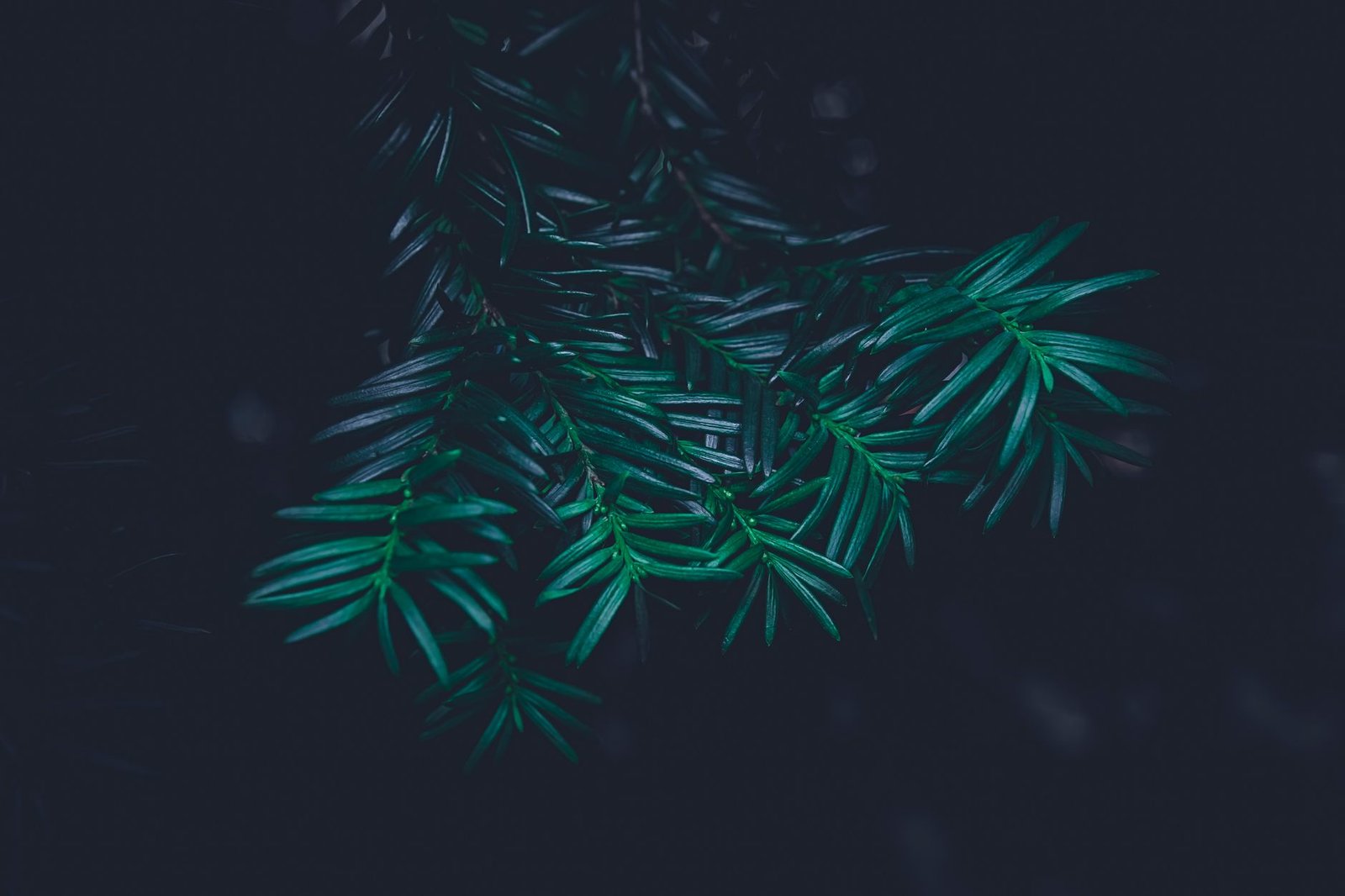
Sacred Yew Tree: History, Symbolism, and Cultural Significance
The sacred yew tree is a lasting symbol of European religious history, blending folklore, funerary custom, and beliefs about immortality into one enduring image. Linked to churchyards, ancient burial grounds, and traditions from Celtic to Christian cultures, it invites closer study of how a single tree came to mark the boundary between life and death.
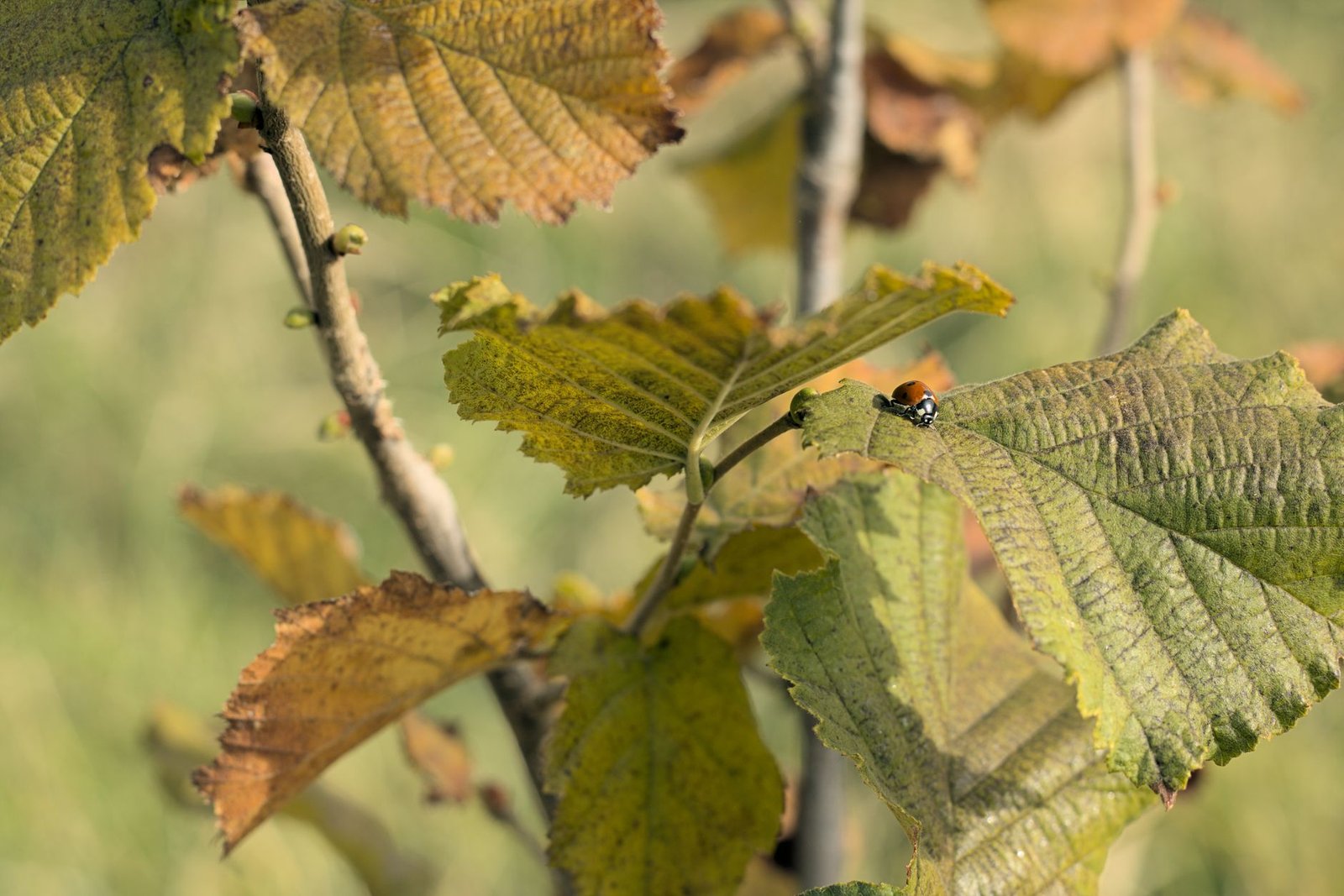
Sacred Hazel Tree: Meaning, History, and Symbolism
The sacred hazel tree occupies a distinctive place in European mythology and folklore, where it is linked with wisdom, divination, protection, and poetic inspiration. From Irish sacred wells to medieval magical traditions, hazel’s enduring symbolism reveals how a common tree came to embody hidden knowledge and ritual authority.
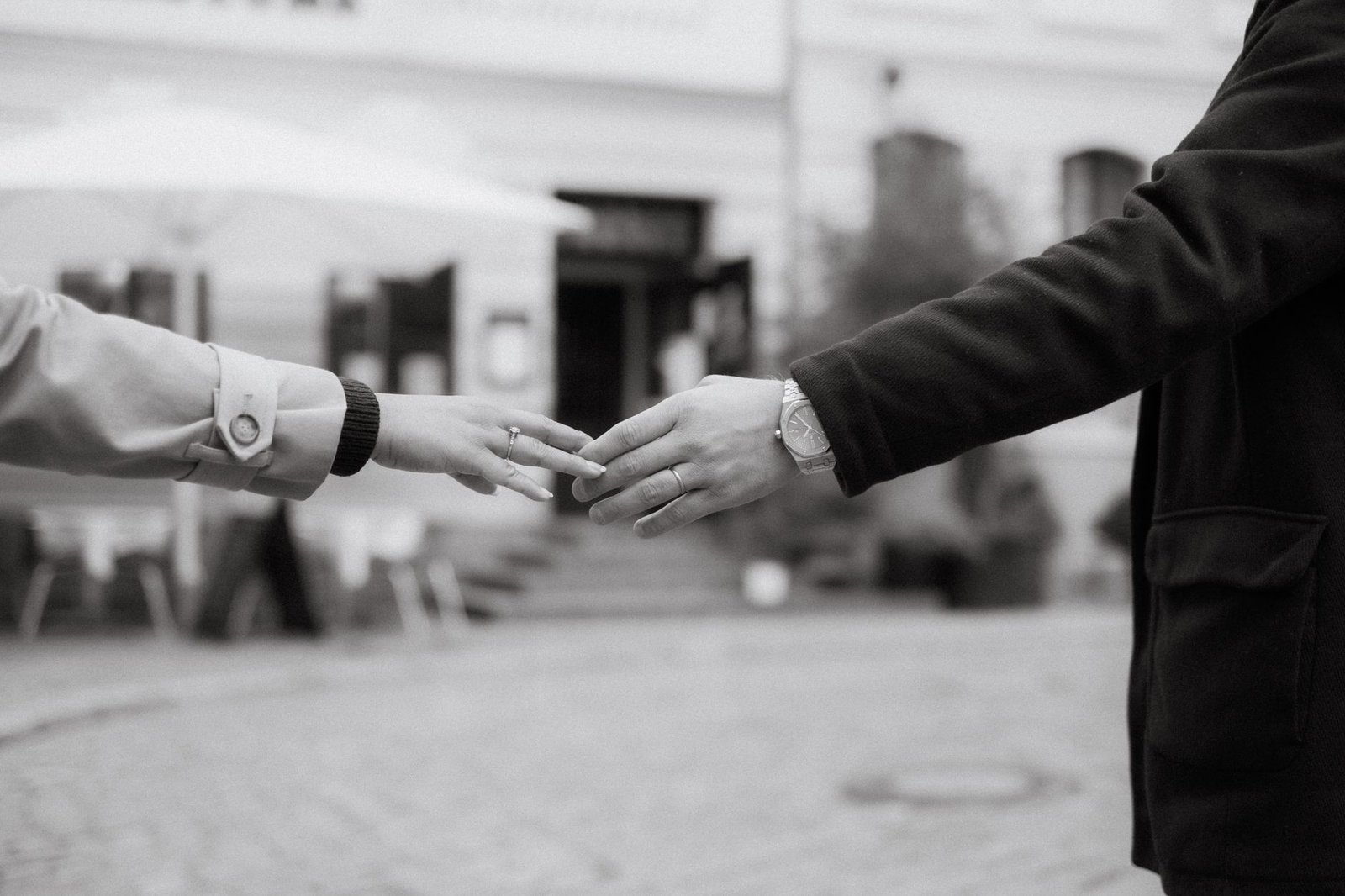
Is the Claddagh Ring Part of Celtic Mythology?
The Claddagh ring is often linked with Irish identity, but it is not part of Celtic mythology in the strict historical sense; instead, it belongs to Irish cultural history and folk symbolism. This article explains its origins in Galway, the meaning of its hands, heart, and crown, and why its enduring imagery still invites mythic associations.
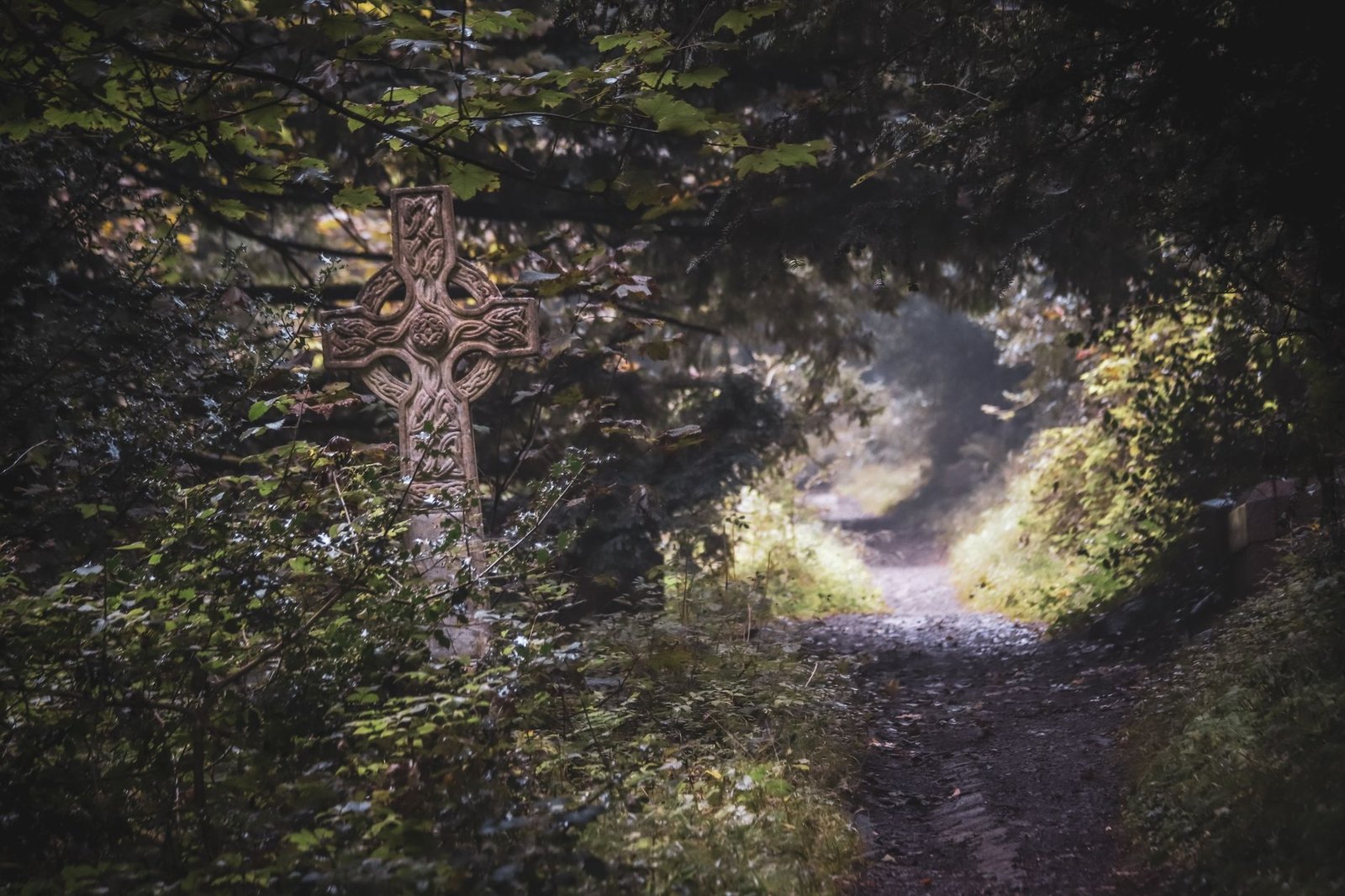
Is the Green Man a Celtic Symbol? Origins and Meaning
The question **“Is the Green Man a Celtic symbol”** invites a closer look at a figure associated with nature, renewal, and vegetation, yet not securely documented as an ancient Celtic deity. This excerpt examines his medieval and modern appearances, the origins of the name, and why the Green Man remains a compelling but complex motif in European folklore and sacred art.
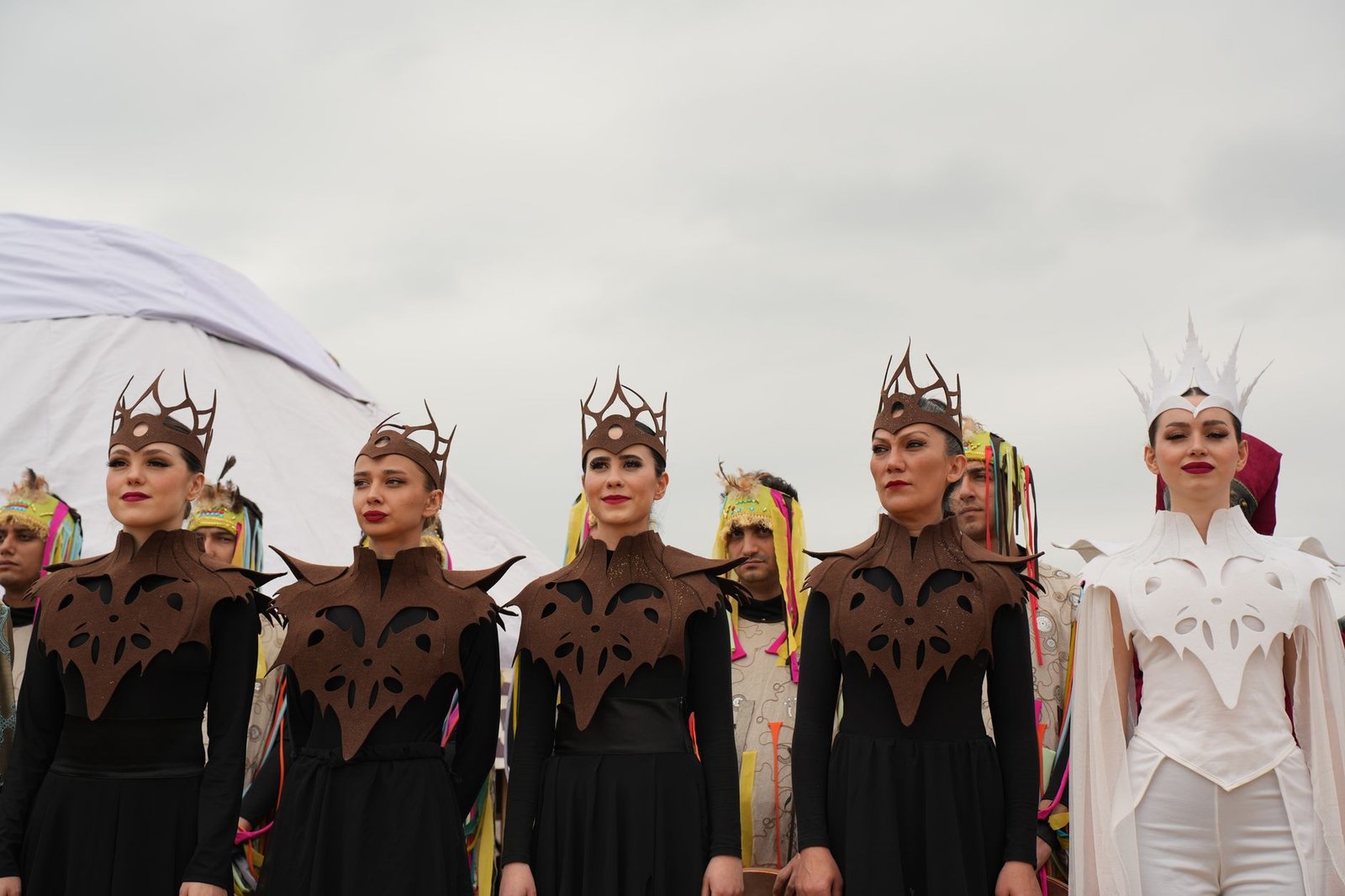
Tuatha Dé Danann vs Fomorians: Celtic Mythology Explained
The **Tuatha Dé Danann vs Fomorians** conflict is a foundational episode in Irish mythology, portraying a struggle between supernatural rulers associated with skill, sovereignty, and sacred order, and hostile forces linked to chaos, oppression, and the perilous margins of the world. Centered on the Second Battle of Mag Tuired, the story reveals how medieval Irish writers preserved older mythic ideas while shaping a complex narrative that still invites closer reading.
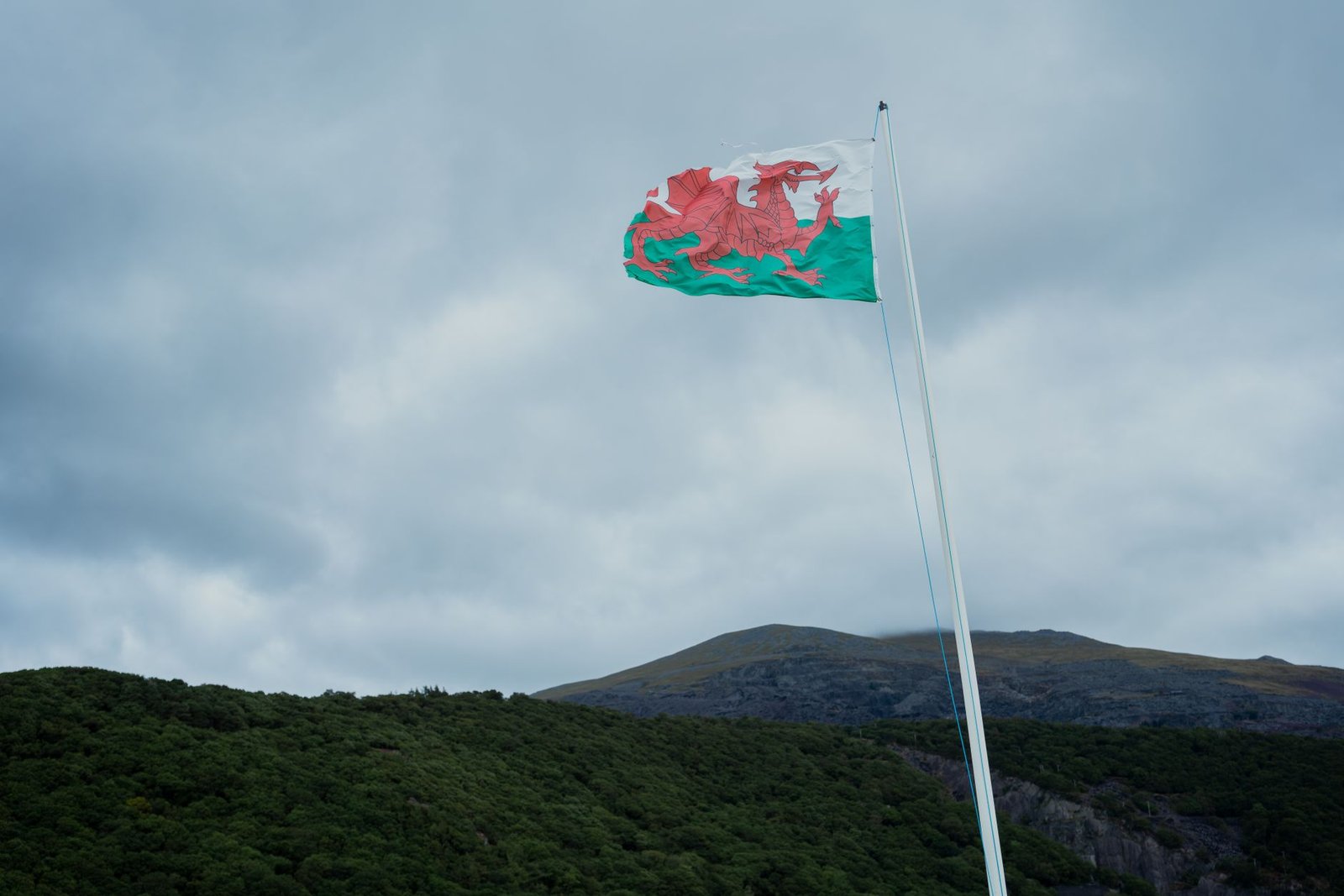
Rhiannon: Meaning, Mythology, and Cultural Origins
Rhiannon is a celebrated figure in Welsh mythology, best known from the Mabinogion as a majestic and enigmatic woman linked to sovereignty, horses, and the supernatural. Her stories—at once tragic, royal, and symbolic—reveal why she remains central to discussions of Celtic legend, and why her legacy continues to invite closer reading.
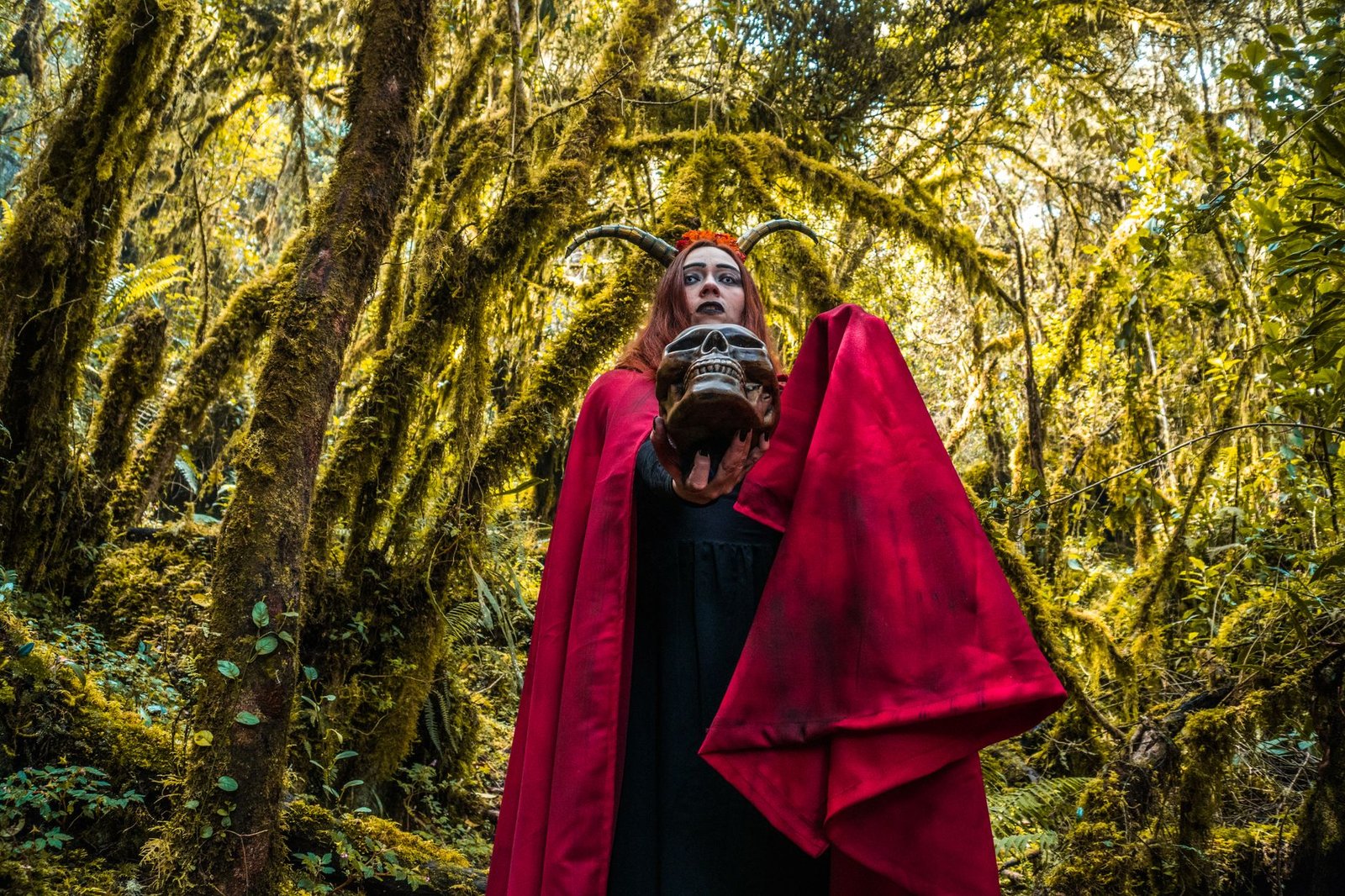
Ogma: Irish Mythology’s God of Eloquence and Writing
Ogma is a central figure in Irish mythology, celebrated as a god of eloquence, learning, and sacred speech among the Tuatha Dé Danann. Closely linked with ogham and also remembered as a warrior, Ogma reveals how early Irish tradition united intellectual power, language, and martial strength in a single revered figure.