Celtic mythology

Nuada: Irish Mythology’s Legendary High King
Nuada is a central figure in Irish mythology, celebrated as king of the Tuatha Dé Danann and a ruler whose right to govern depends on honor, wholeness, and legitimacy. Best known as Nuada Airgetlám, or “Nuada of the Silver Hand,” he appears in key medieval texts in stories of battle, healing, and the restoration of rightful kingship.
Morrigan: Celtic Goddess of War and Fate
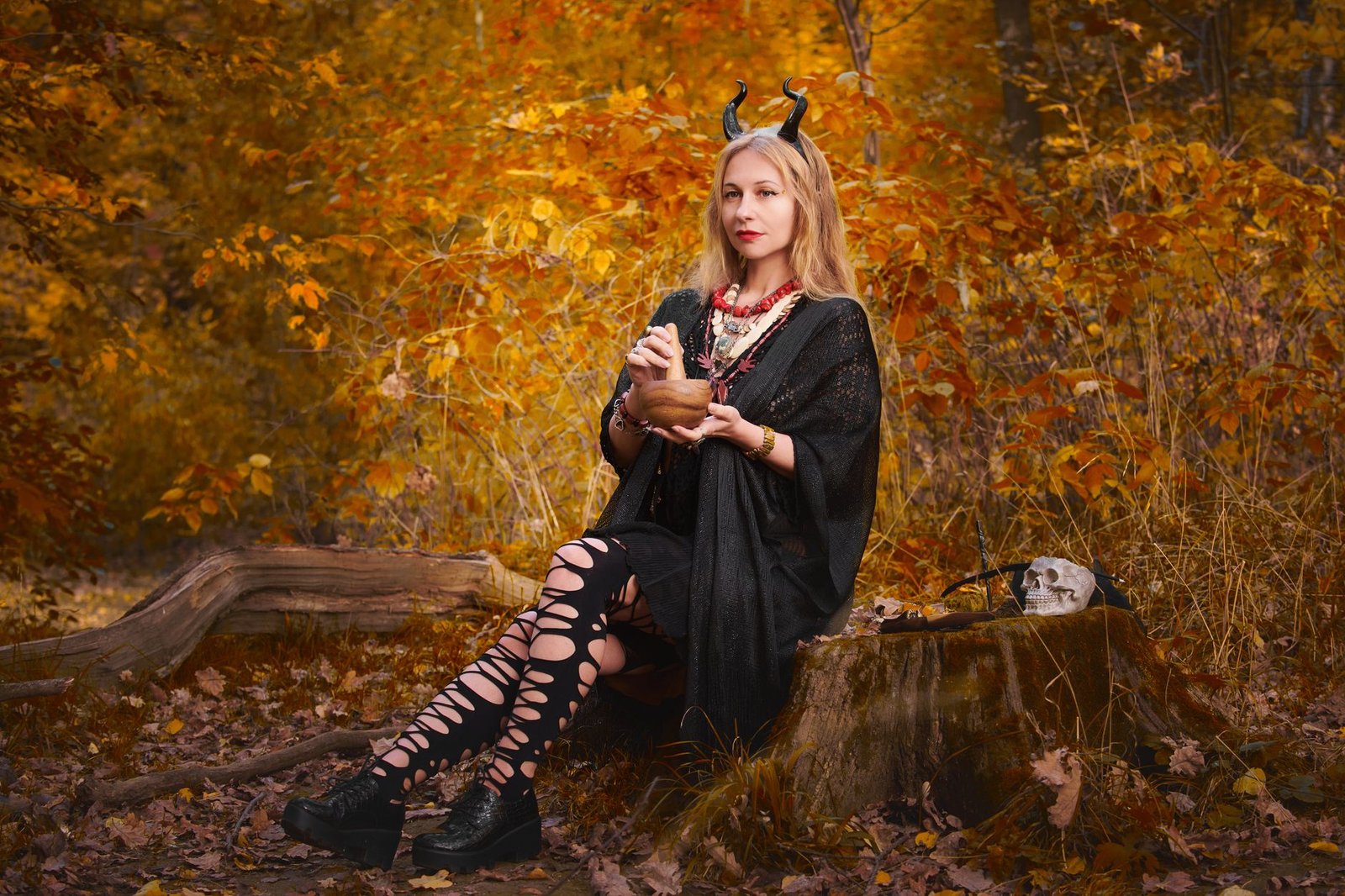
Morrigan is a central figure in early Irish mythology, associated with war, sovereignty, prophecy, fate, and the shifting meanings of battle. Yet medieval sources present her in varying forms and roles, leaving open questions about her name, origins, and place within Celtic tradition.

Manannán mac Lir: Celtic Sea God and Mythology
Manannán mac Lir is a central figure in Irish mythology, often portrayed as a sea deity, Otherworld ruler, and guardian of travel, hospitality, and hidden knowledge. Across medieval sources, his shifting roles as god, king, or magician reveal a complex tradition that links the Irish Sea, the Isle of Man, and the mysteries of the sídhe.
Lugh: Celtic God of Light, Skill, and Kingship
Lugh is a central figure in Irish mythology, celebrated as a warrior, craftsman, sovereign deity, and master of many skills. This excerpt traces his role in the Second Battle of Mag Tuired, the debated origins of his name, and his enduring presence in traditions such as Lughnasadh, revealing why his mythic importance extends beyond any single divine function.
Is the Morrigan One Goddess or Three? Explained
The question **Is the Morrigan one goddess or three** sits at the heart of Irish mythological scholarship, because medieval sources present Morrígan both as a singular goddess of war and prophecy and as part of a shifting trio with Badb and Macha. Exploring these overlapping traditions reveals how ancient texts preserve divine figures in layered, sometimes contradictory forms, inviting closer reading of their names, roles, and meanings.
Lleu Llaw Gyffes: Welsh Mythology and Legend
Lleu Llaw Gyffes stands at the center of Welsh mythology as a hero whose extraordinary birth, hidden lineage, and repeated trials shape one of the most intricate episodes in the Mabinogi. This excerpt introduces the meaning of his name, his place in medieval Welsh literature, and the themes of sovereignty, enchantment, and betrayal that make his legend enduring.
How Many Celtic Gods Are There? Complete Guide
How many Celtic gods are there? The answer is not fixed, because Celtic religion was never preserved in a single canon; instead, scattered inscriptions, manuscripts, archaeology, and folklore reveal dozens, perhaps hundreds, of regional and local deities. This article explains why the number is so elusive and what the surviving evidence reveals about Celtic belief.
Irish vs Welsh Celtic Mythology: Key Differences Explained
Irish vs Welsh Celtic mythology compares two closely related yet distinct traditions preserved in medieval Irish and Welsh literature, each shaped by different historical and Christianizing contexts. Their stories share Celtic themes of the Otherworld, sacred kingship, and supernatural conflict, while revealing striking differences in narrative style, heroes, and the cultural world they reflect.
Gwydion: Welsh Mythology Character and Hero
Gwydion is a central figure in Welsh mythology and medieval literature, remembered as a magician, poet, strategist, and shape-shifter whose deeds in the Mabinogion reveal the power of language, illusion, and transformation. Blending brilliance with deception, he stands at the heart of some of the most studied tales in Celtic tradition, where his actions continue to invite debate and discovery.
Goibniu: Irish Mythology’s Smith God and Craftsman
Goibniu is a central figure in Irish mythology, renowned as the divine smith of the Tuatha Dé Danann and a master of metalwork, healing, and ritual hospitality. His scattered appearances in medieval sources hint at a richer tradition, inviting readers to explore how craftsmanship and supernatural power intertwined in early Irish belief.