Ceres
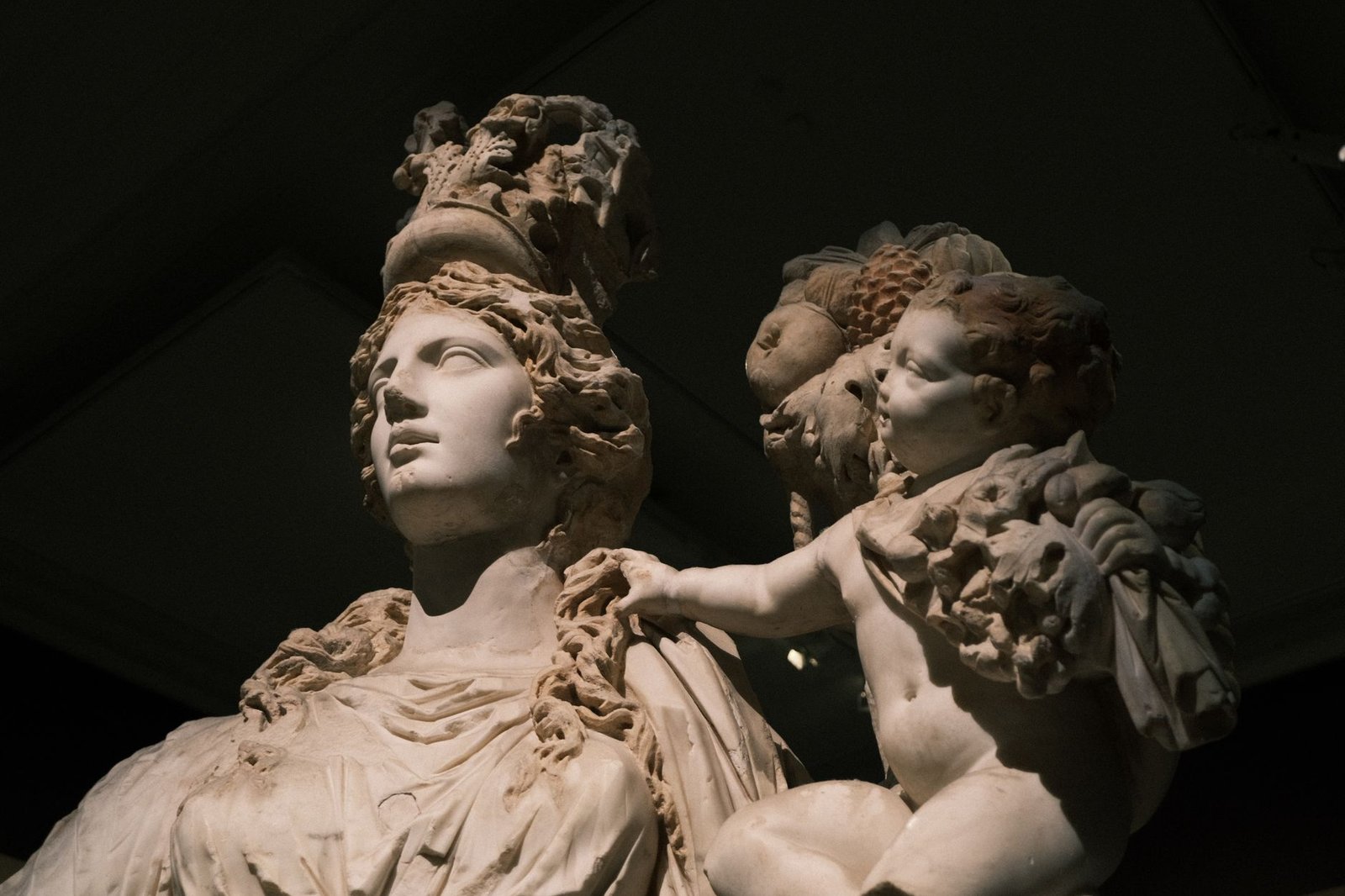
Ceres’s Search for Proserpina: Myth and Meaning
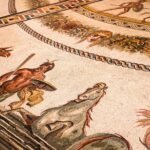
**Ceres’s Search for Proserpina** recounts the Roman goddess of grain’s desperate wanderings after her daughter is taken to the underworld by Pluto, a myth that links maternal grief with the cycle of the seasons. Drawing on Greek and Roman sources, the story reveals ancient ideas about fertility, divine power, and the balance between life, death, and renewal.
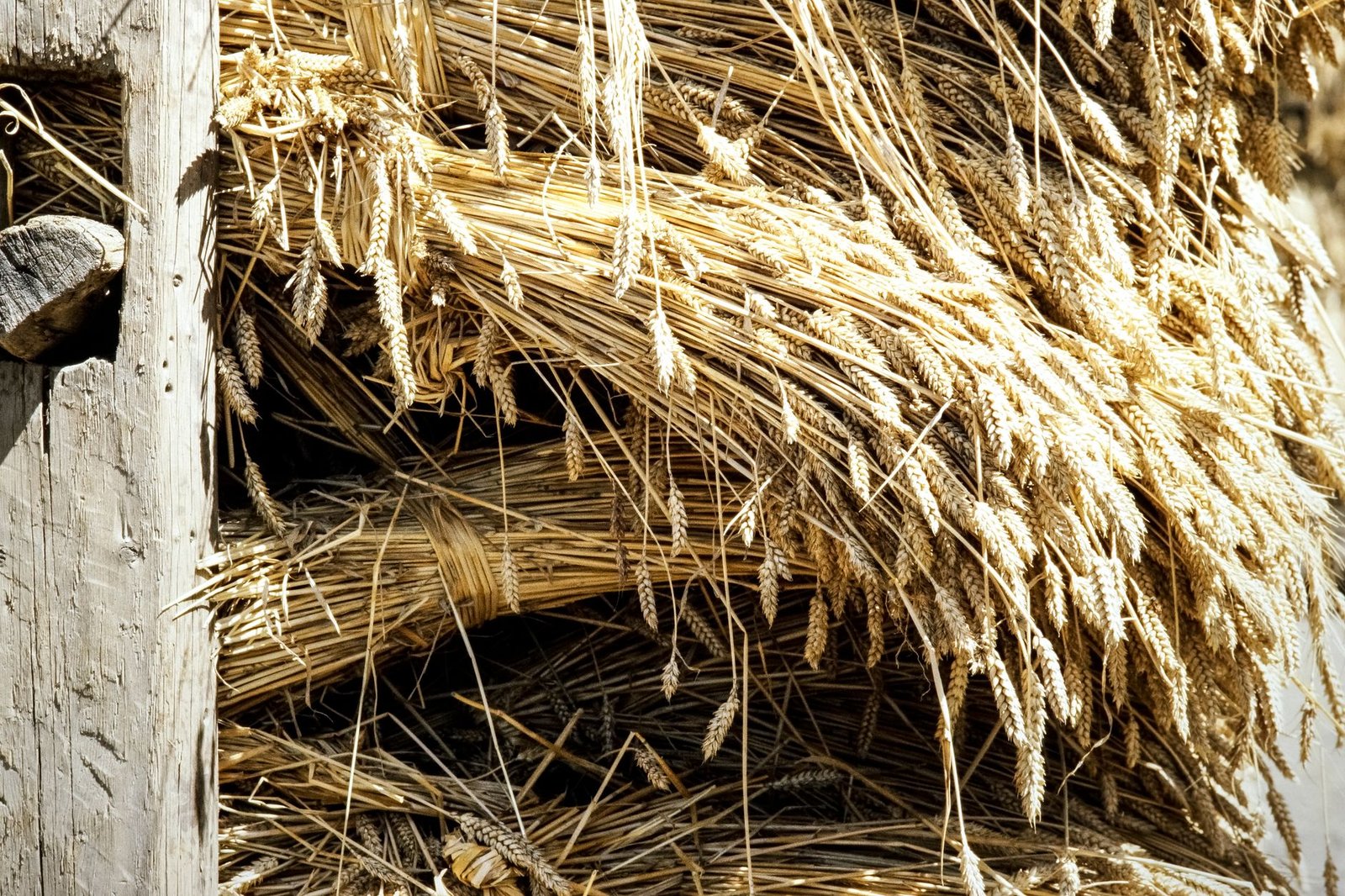
Wheat Sheaf of Ceres: Meaning, Symbolism, and History
The wheat sheaf of Ceres is a lasting symbol of Roman agriculture, embodying harvest, fertility, abundance, and the civilized order created by cultivation. Seen in ancient art, coinage, and modern heraldry, it reveals how closely grain, religion, and political stability were intertwined in the Greco-Roman world.
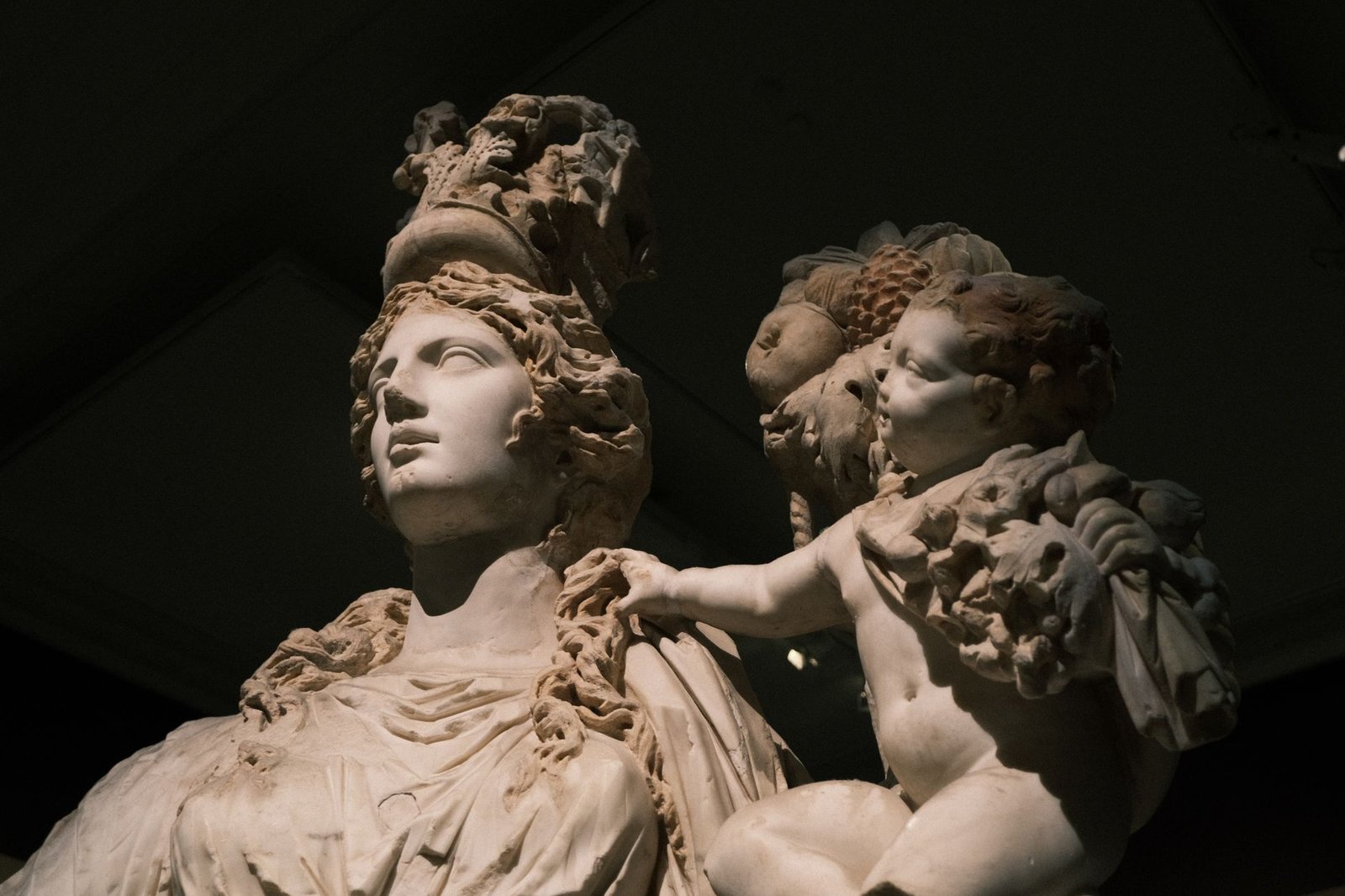
Ceres (Roman God): Roman Goddess of Agriculture and Grain
Ceres (Roman god) was the Roman goddess of agriculture, grain, fertility, and the earth’s productive cycle, central to a society shaped by farming and the harvest. Her cult also reflected social order, plebeian life, and Roman engagement with Greek Demeter, revealing how a practical deity became deeply woven into Roman identity and language.
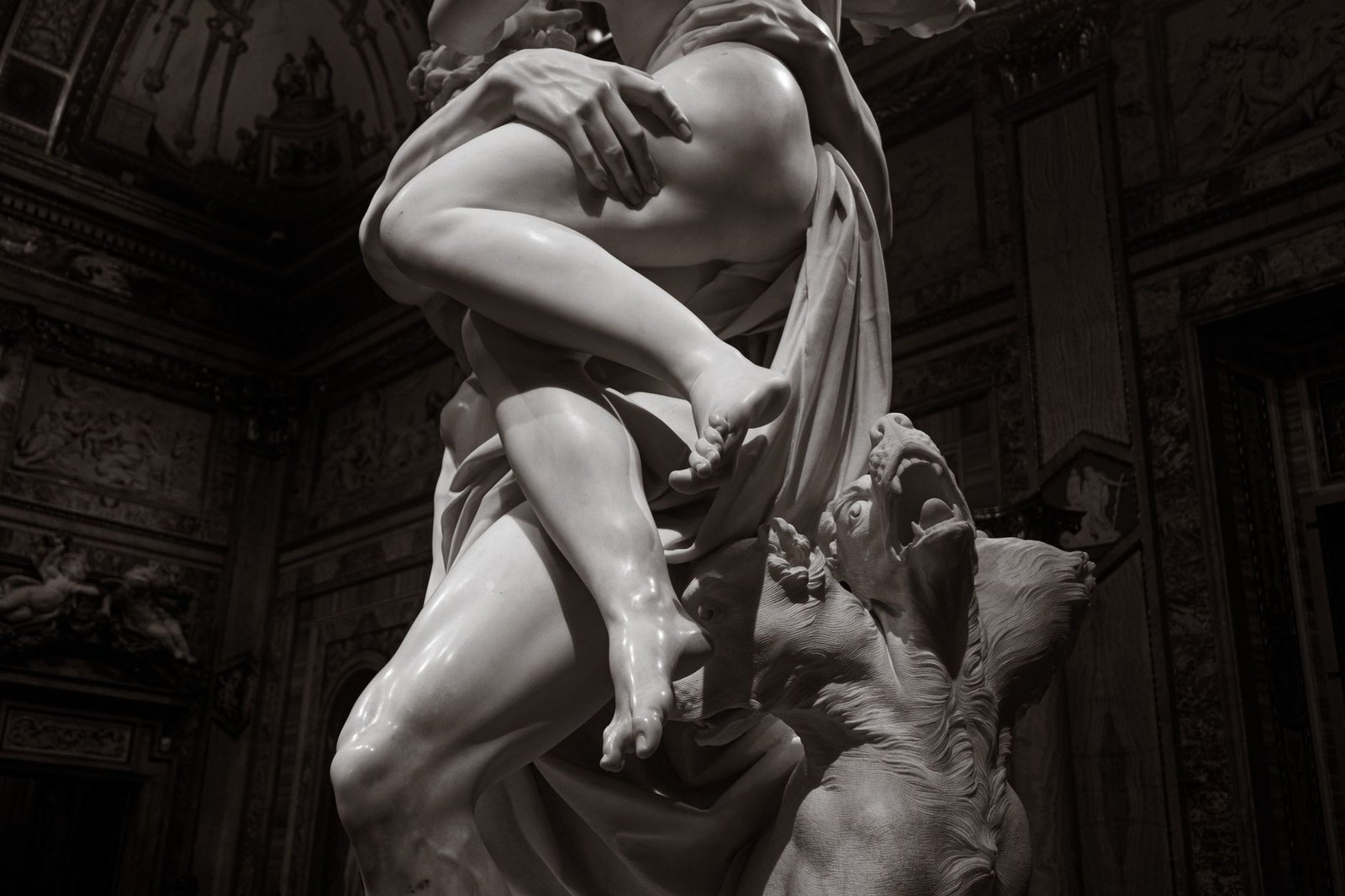
Proserpina: Roman Goddess of Spring and the Underworld
Proserpina is a central figure in Roman religion and mythology, the goddess whose descent to the underworld and return each year were used to explain the changing seasons, fertility, and the uneasy boundary between life and death. As the Roman counterpart of Persephone, she appears in ritual, literature, and art, and her story reveals how ancient thinkers linked the growth of crops to the hidden powers beneath the earth.

The Twelve Dii Consentes: Roman Gods and Goddesses
The Twelve Dii Consentes were the principal gods of Roman religion, a prestigious council of twelve deities broadly aligned with the Greek Olympians but shaped by Roman custom and political life. This article traces their origin, meaning, and changing composition, showing how these gods reflected Roman ideas of divine order, public worship, and cultural adaptation.