Egyptian Religion
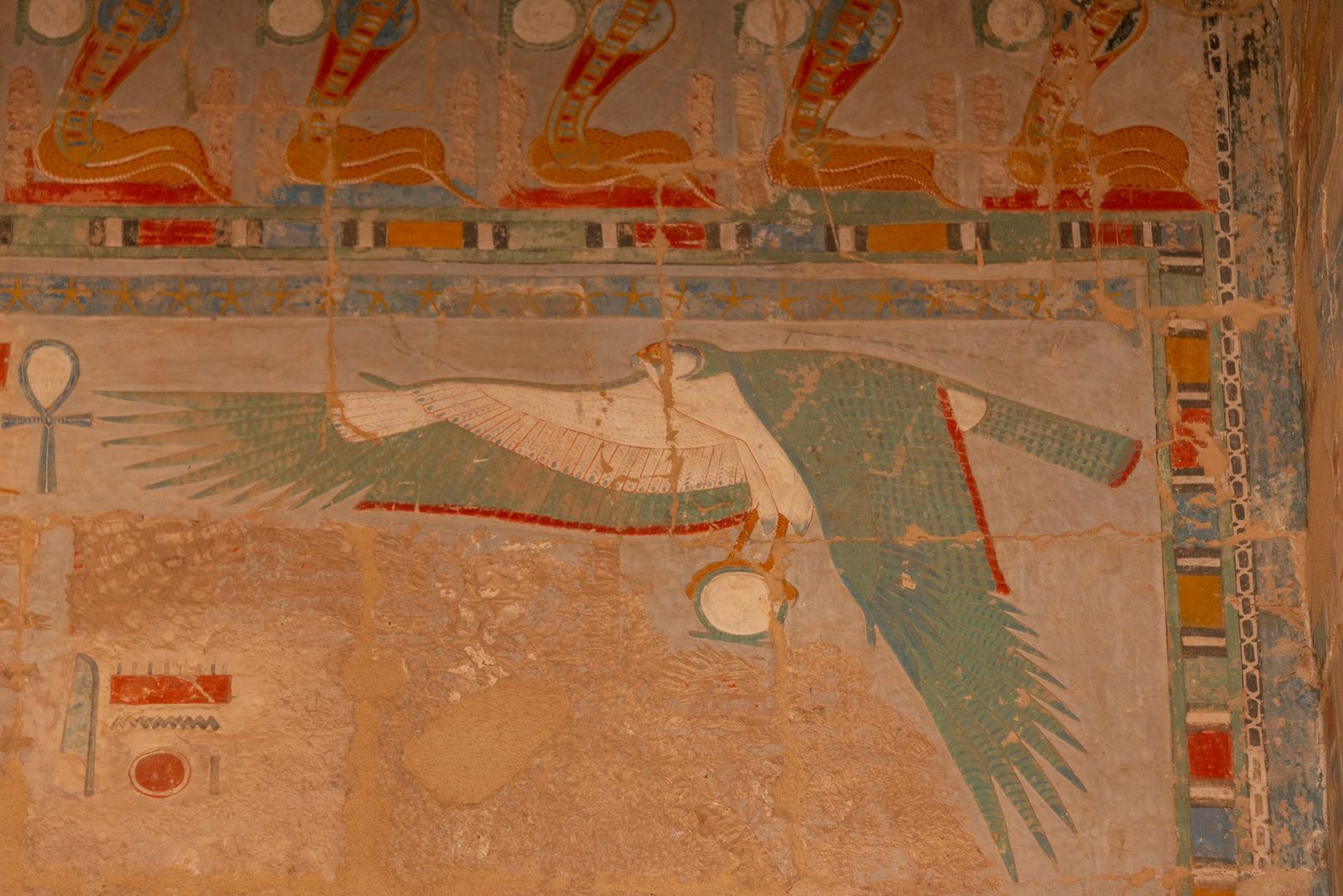
Tefnut in Egyptian Mythology: Goddess of Moisture and Rain
Who is Tefnut in Egyptian mythology? She is an ancient goddess of moisture, dew, and life-giving humidity, and a key figure in the Heliopolitan Ennead, where she helps explain creation, divine order, and the balance between air and water.
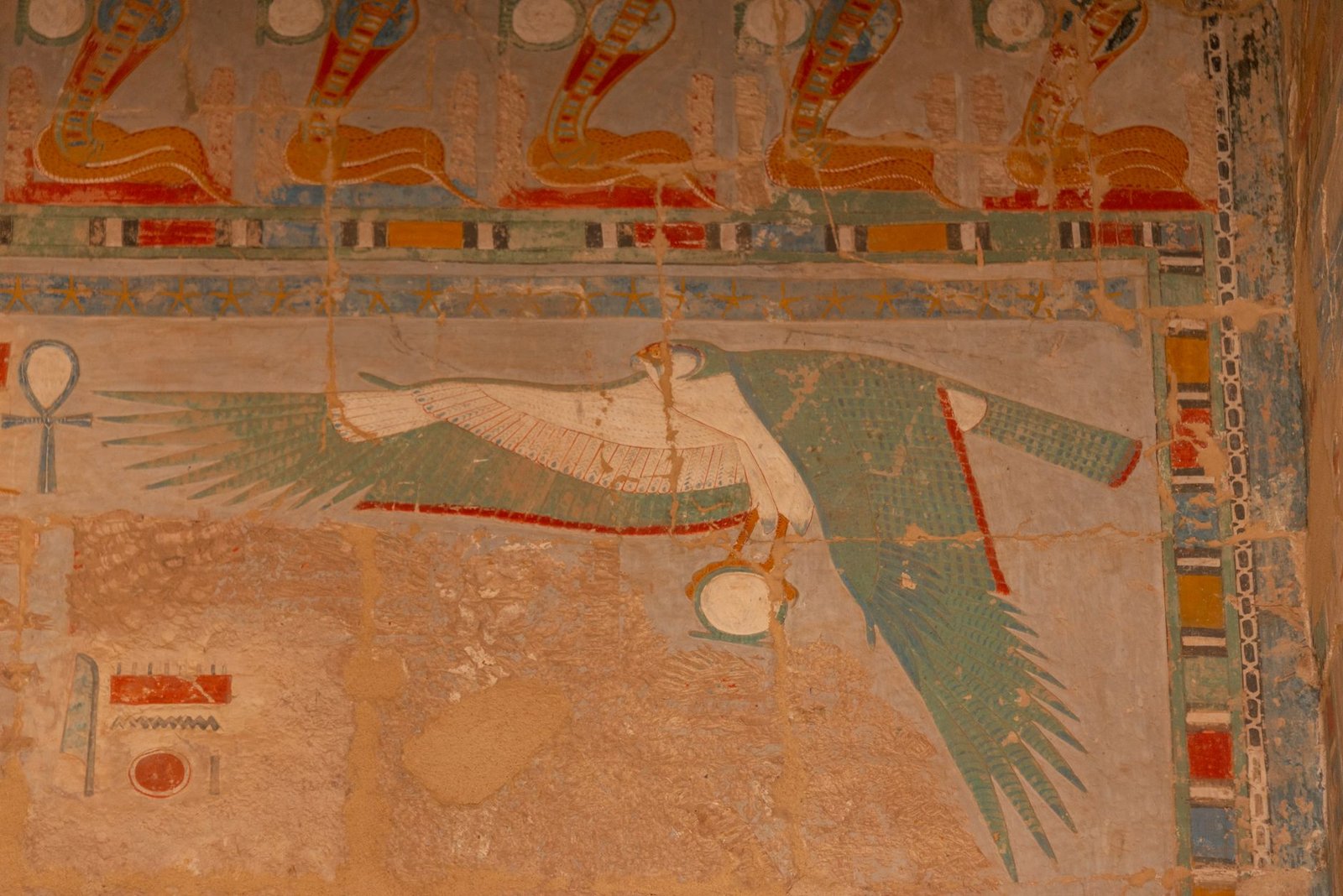
Nut in Egyptian Mythology: Who Is the Sky Goddess?
Nut is a central goddess in ancient Egyptian mythology, best known as the sky deity who arches over the world and embodies the heavens themselves. Exploring who is Nut in Egyptian mythology reveals her role as a cosmic mother, protector of the dead, and key figure in myths of the sun, stars, and renewal.
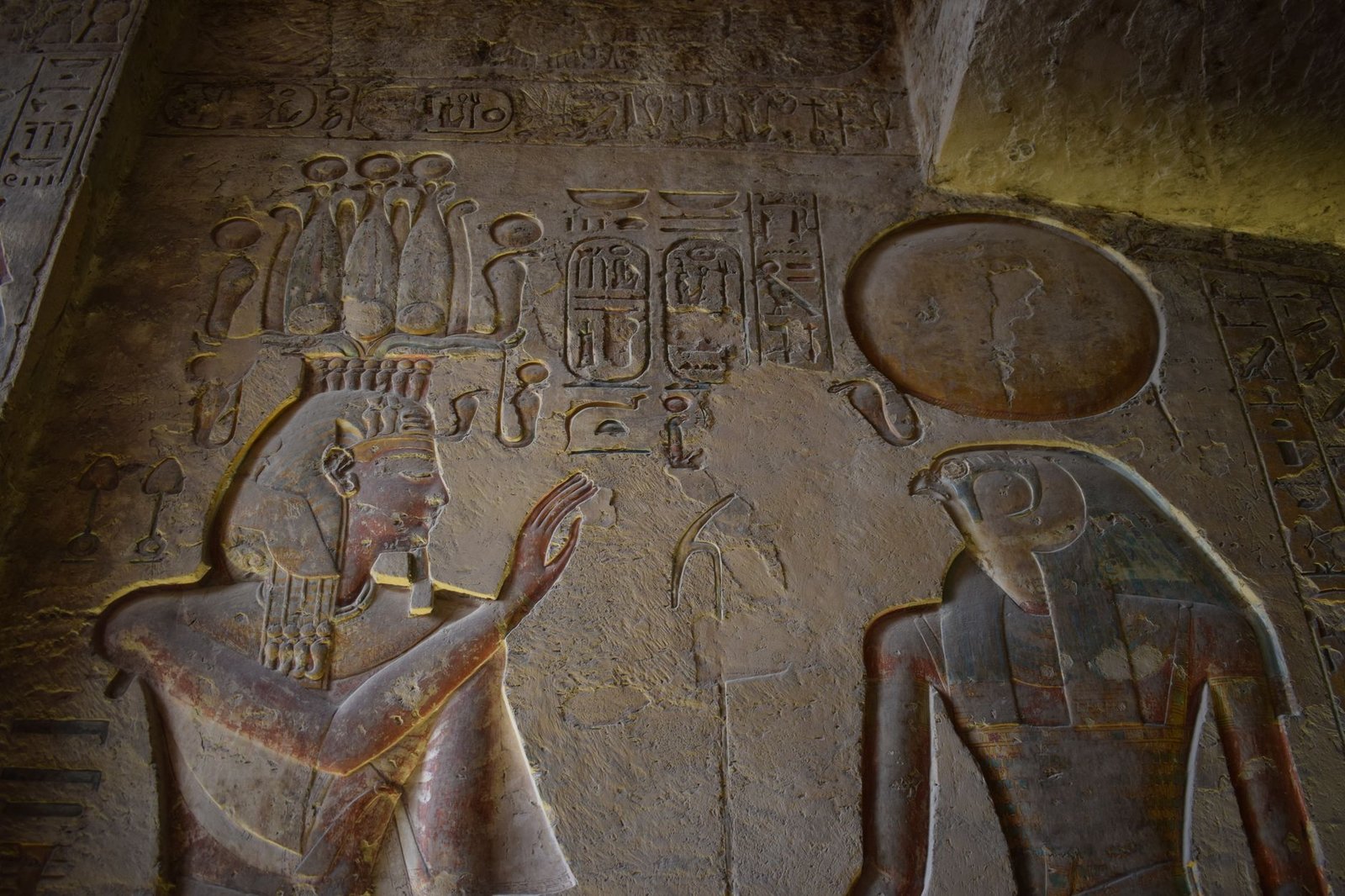
Who Is Horus in Egyptian Mythology? God of the Sky
Who is Horus in Egyptian mythology? He is a multifaceted sky god, falcon deity, and divine heir of Osiris and Isis, closely tied to kingship, protection, and the restoration of order. Across Egypt’s long religious history, Horus took on different forms and meanings, from the avenging rival of Seth to the enduring symbol behind the Eye of Horus.
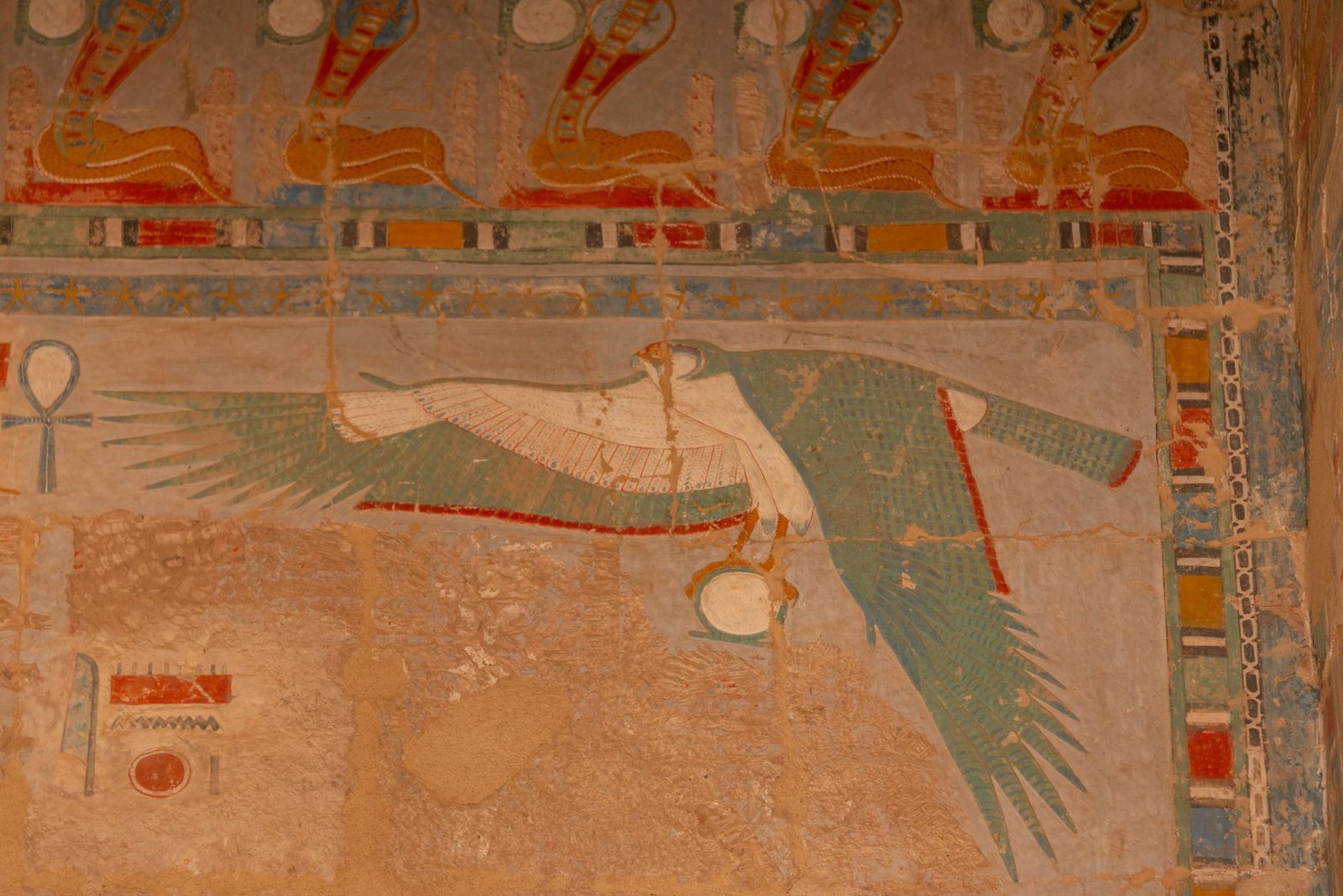
Who Is Nekhbet in Egyptian Mythology? Meaning and Role
Nekhbet, the vulture goddess of Upper Egypt, was a major protective deity who embodied royal authority, maternal guardianship, and the divine unity of the Egyptian state. This excerpt explores who is nekhbet in Egyptian mythology, tracing her links to El Kab, her role beside Wadjet, and the enduring symbolism that made her a constant presence in kingship and temple art.
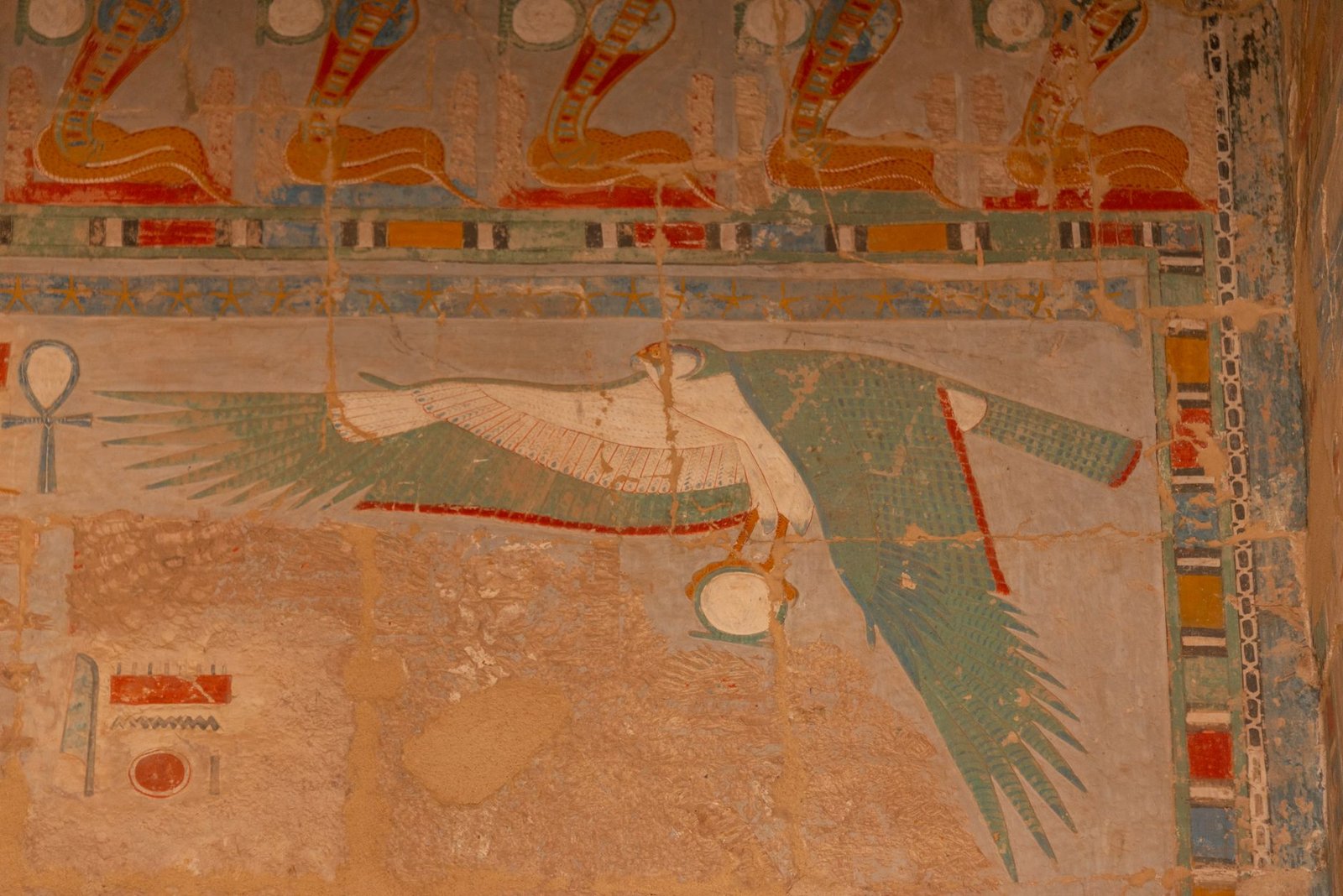
Who Is Anhur in Egyptian Mythology? God of War Explained
Anhur in Egyptian mythology is a warlike sky deity whose cult grew from Upper Egypt, where he was honored as a divine defender, royal patron, and symbol of order. His evolving role, later merging with other gods and acquiring new meanings, reveals how Egyptian religion adapted over centuries and why his identity remains intriguingly complex.
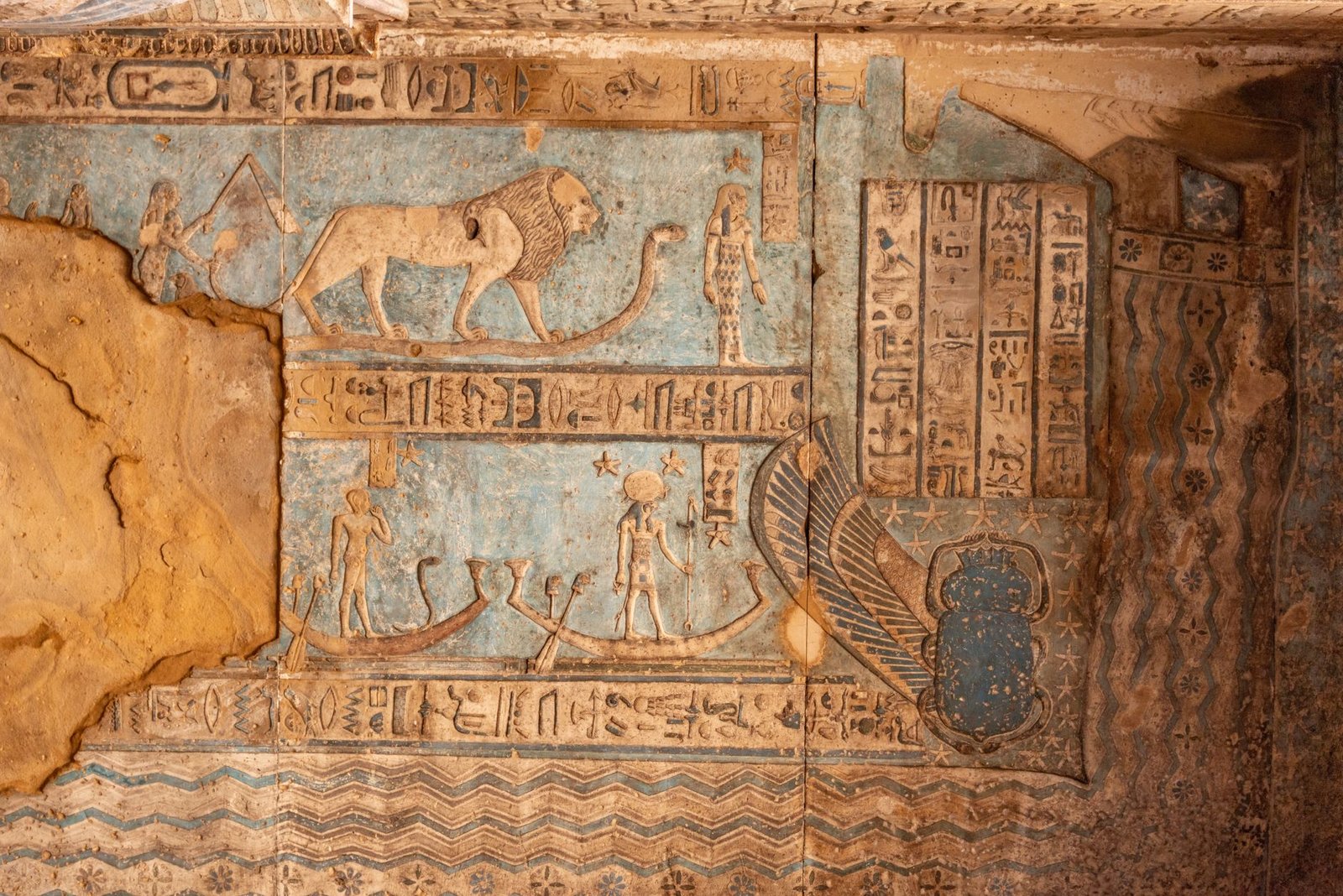
Who Is Bes in Egyptian Mythology? Meaning and Role
Bes is one of the most distinctive figures in Egyptian mythology, a dwarf-like protective god whose fierce, comic appearance set him apart from the formal deities of state religion. Closely linked to households, childbirth, fertility, music, and the repelling of evil, his enduring presence on amulets and domestic objects reveals why he remains central to understanding everyday ancient Egyptian beliefs.
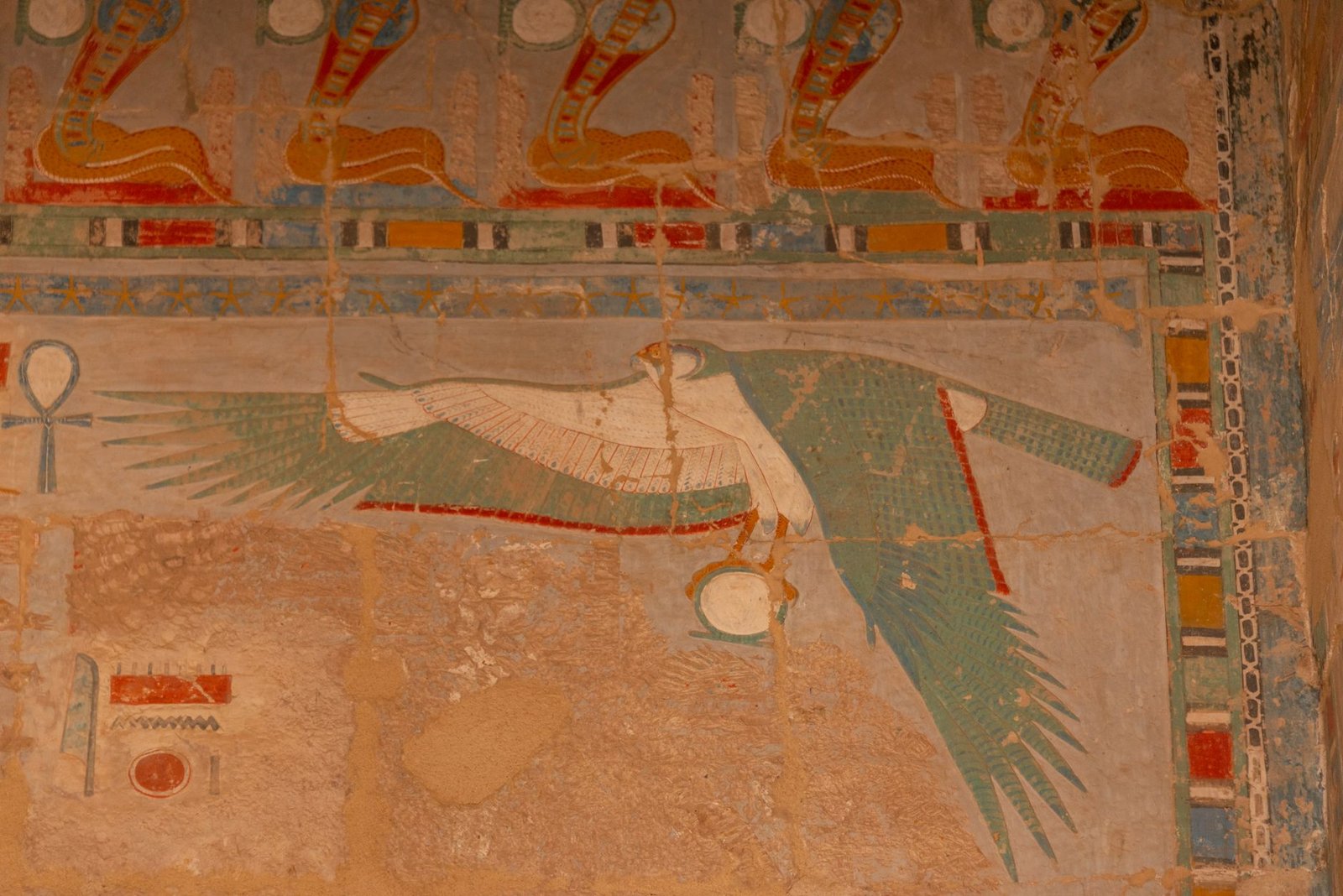
Who Is Nefertem in Egyptian Mythology? Explaining the God
Who is Nefertem in Egyptian mythology? He is the youthful lotus deity of ancient Egypt, linked to fragrance, healing, beauty, and the renewal of life, and often shown emerging from a blue lotus. This article explores his name, symbolism, and role in the Memphite triad, revealing why he mattered in creation beliefs and funerary religion.
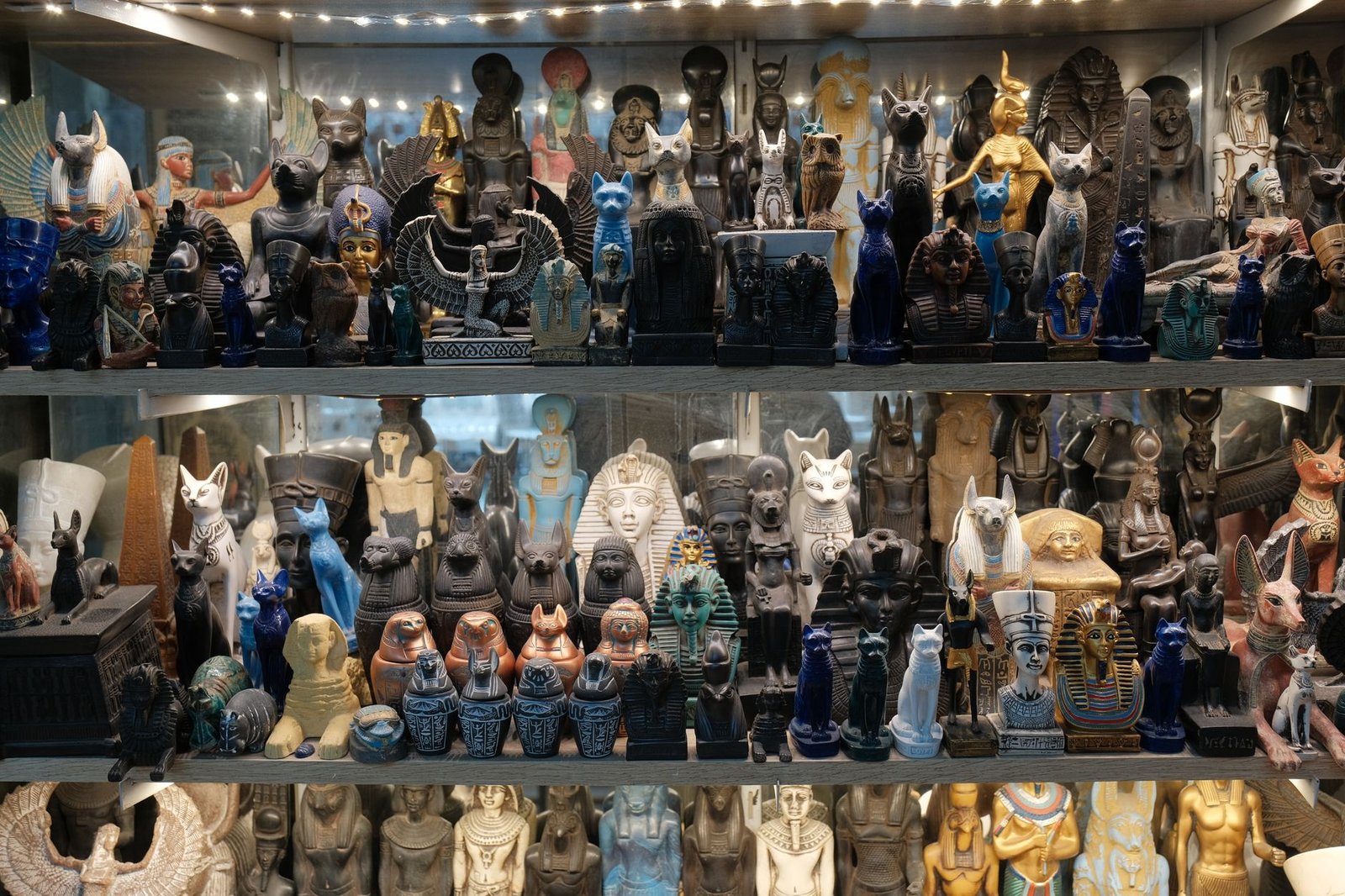
Who Is Wepwawet in Egyptian Mythology?
Wepwawet in Egyptian mythology is a jackal-headed deity associated with warfare, royal authority, funerary rites, and the opening of paths, guiding kings and the dead through perilous journeys. Often linked to Upper Egypt and the city of Asyut, he is distinct from Anubis and reveals how Egyptians connected protection, movement, and power in both life and the afterlife.