Egyptian Religion
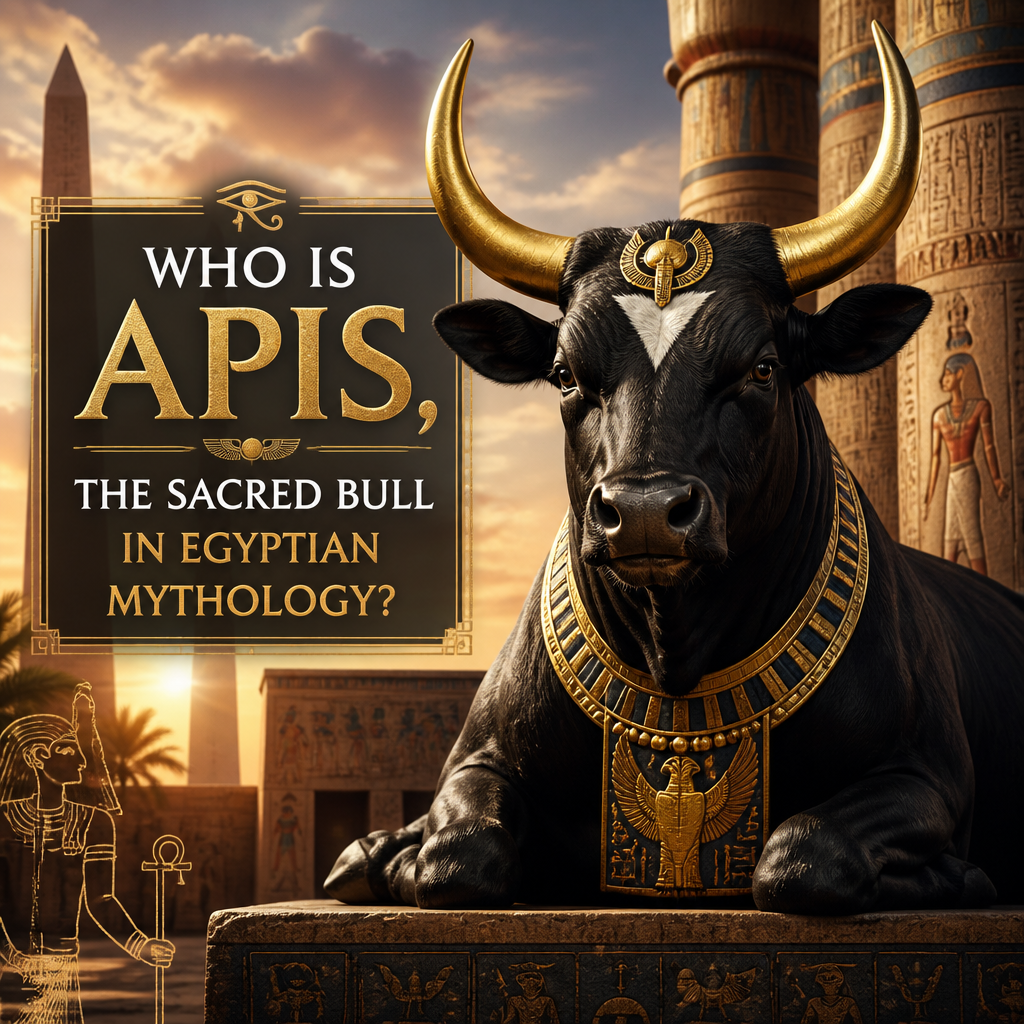
Who Is Apis, the Sacred Bull in Egyptian Mythology?
The Apis bull was a sacred animal deity in ancient Egypt, honored as a living symbol of divine strength, fertility, and kingship. Worshipped especially in Memphis, he connected the human world with the powerful presence of the gods.
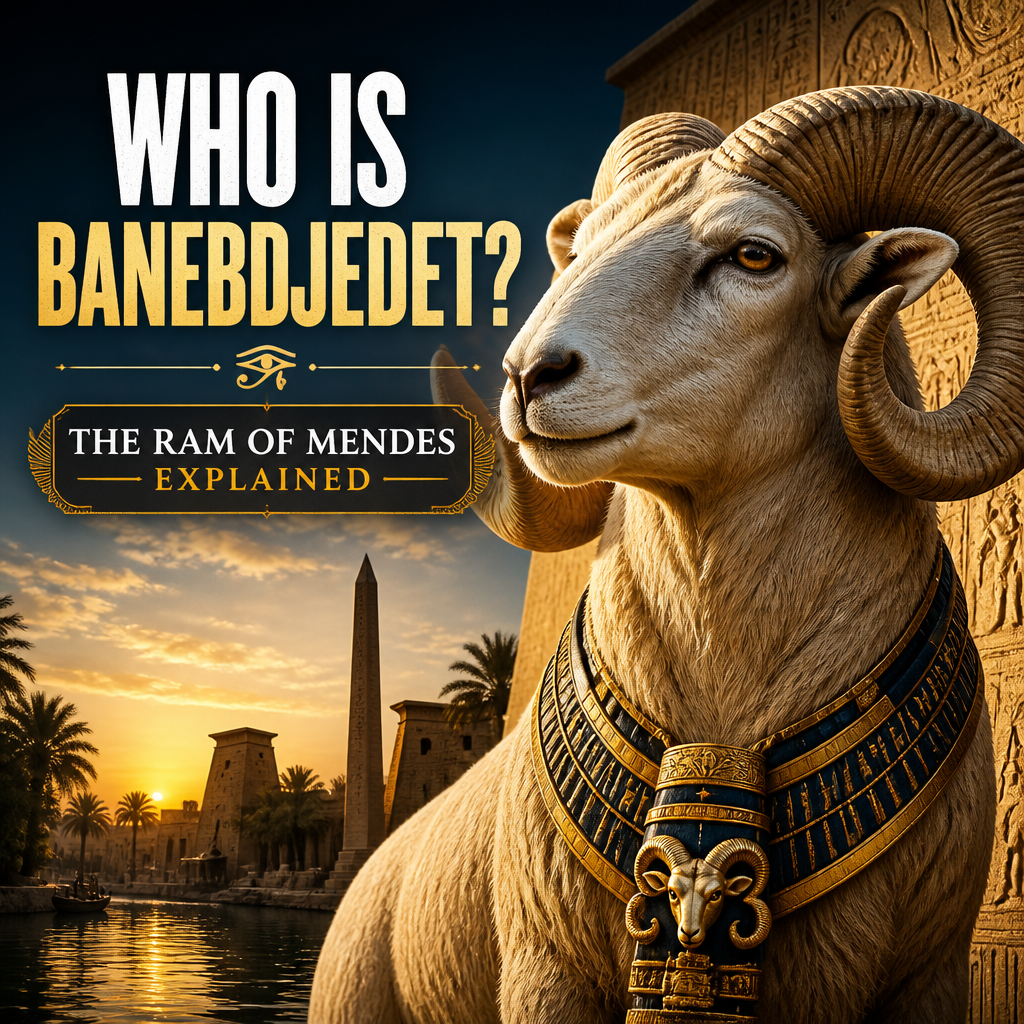
Who Is Banebdjedet? The Ram of Mendes Explained
Discover the story of Banebdjedet, the ram of Mendes, and how this ancient Egyptian deity came to symbolize fertility, divine power, and sacred kingship.
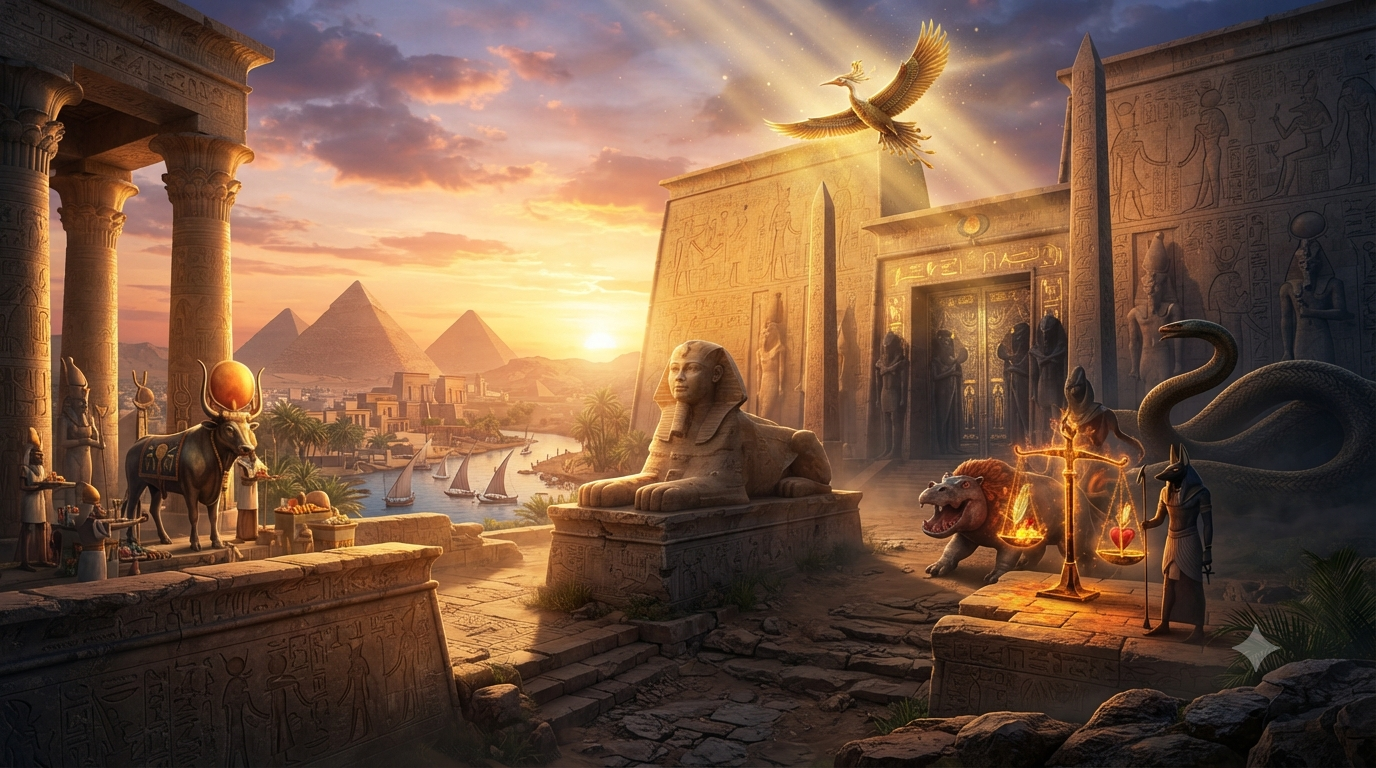
Egyptian Creatures and Monsters: The Complete Guide to Ancient Egypt’s Mythical Beasts and Sacred Animals
Egyptian mythology populated the space between gods and mortals with a distinct cast of creatures: monstrous guardians who judged and ...
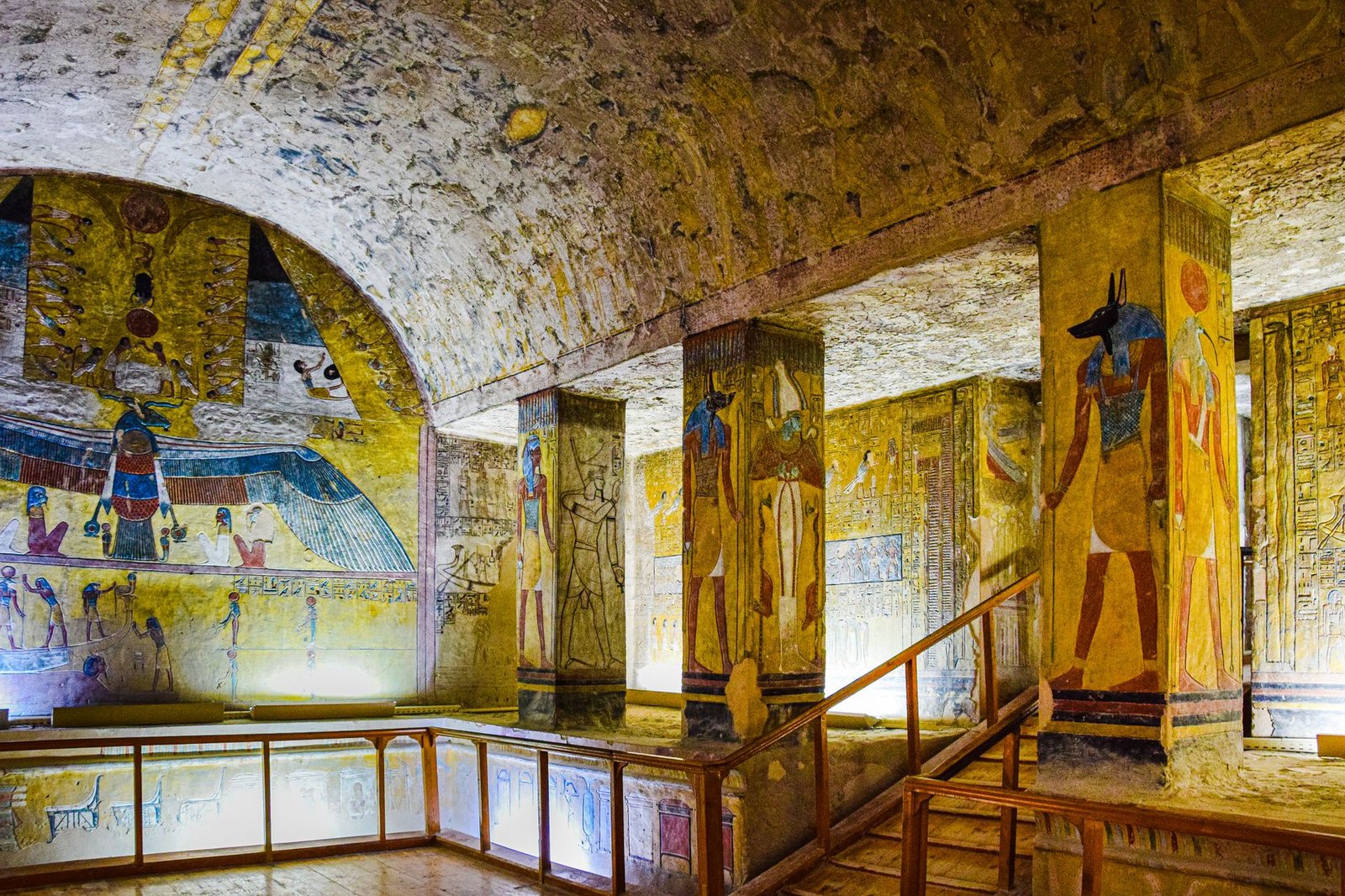
Eye of Horus in Egyptian Mythology: Meaning and Origins
The Eye of Horus in Egyptian mythology is a powerful symbol of healing, protection, royal authority, and restored wholeness, rooted in the story of Horus’s injured eye and its divine repair. Its long history in amulets, funerary art, and temple imagery reveals how a single emblem came to embody both personal wellbeing and cosmic order.
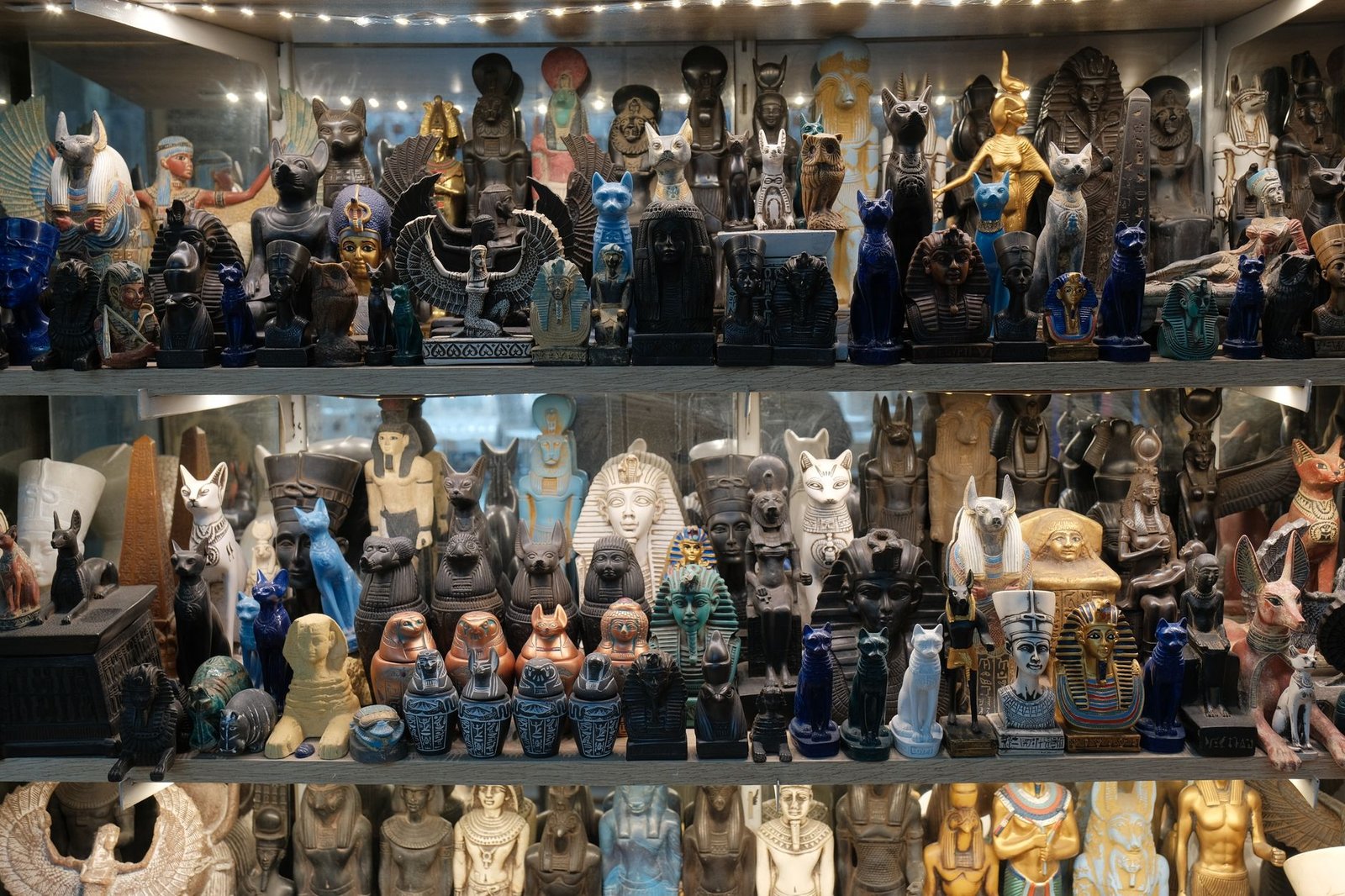
What Is the Eye of Ra in Egyptian Mythology?
The Eye of Ra in Egyptian mythology is a powerful divine force linked to the sun god Ra, embodying protection, kingship, and the ability to punish disorder. Emerging in many forms and often associated with goddesses such as Sekhmet and Hathor, it reveals how the Egyptians understood both cosmic balance and the dangerous power behind creation.

What Is the Tyet Knot in Egyptian Mythology?
The tyet knot is an ancient Egyptian symbol of protection, healing, and rebirth, closely linked to Isis and especially prominent in funerary religion. This concise emblem, whose origins may lie in everyday knots or ritual textiles, invites a deeper look at how Egyptians transformed ordinary forms into sacred power.
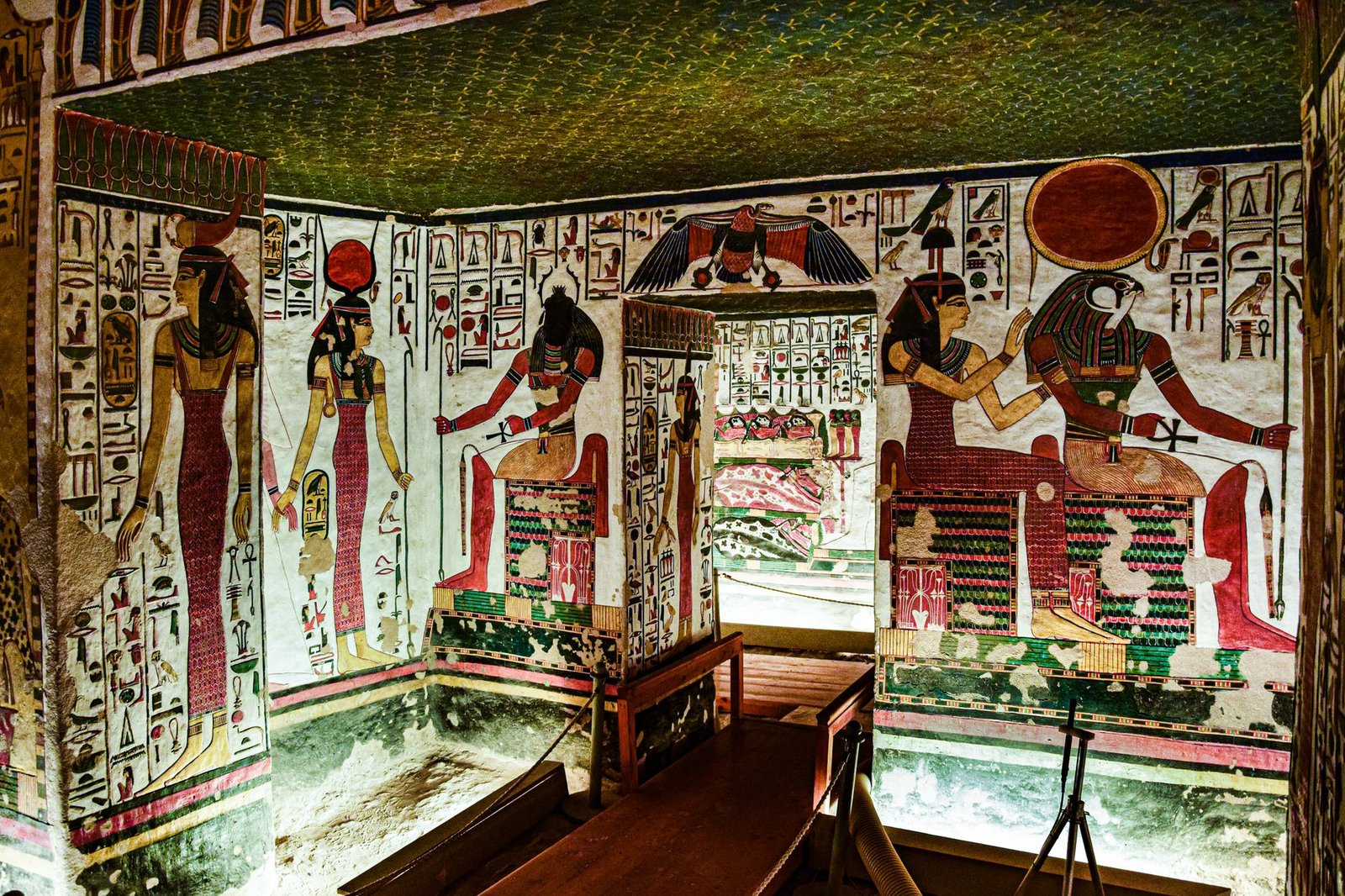
What Is the Shen Ring in Egyptian Mythology?
The shen ring in Egyptian mythology is a powerful symbol of eternity, protection, and completeness, recognized by its enclosed circular form. More than a decorative motif, it appears in royal and divine contexts, where its meaning reveals how ancient Egyptians linked visual symbols with sacred power and cosmic order.

Feather of Ma’at in Egyptian Mythology: Meaning and Symbolism
The feather of Maat in Egyptian mythology is the emblem of truth, justice, balance, and cosmic order, most often represented by an ostrich feather linked to the goddess Maat. Central to funerary belief, it played a decisive role in the judgment of the dead, where a soul’s heart was measured against it to reveal moral worth and eternal fate.
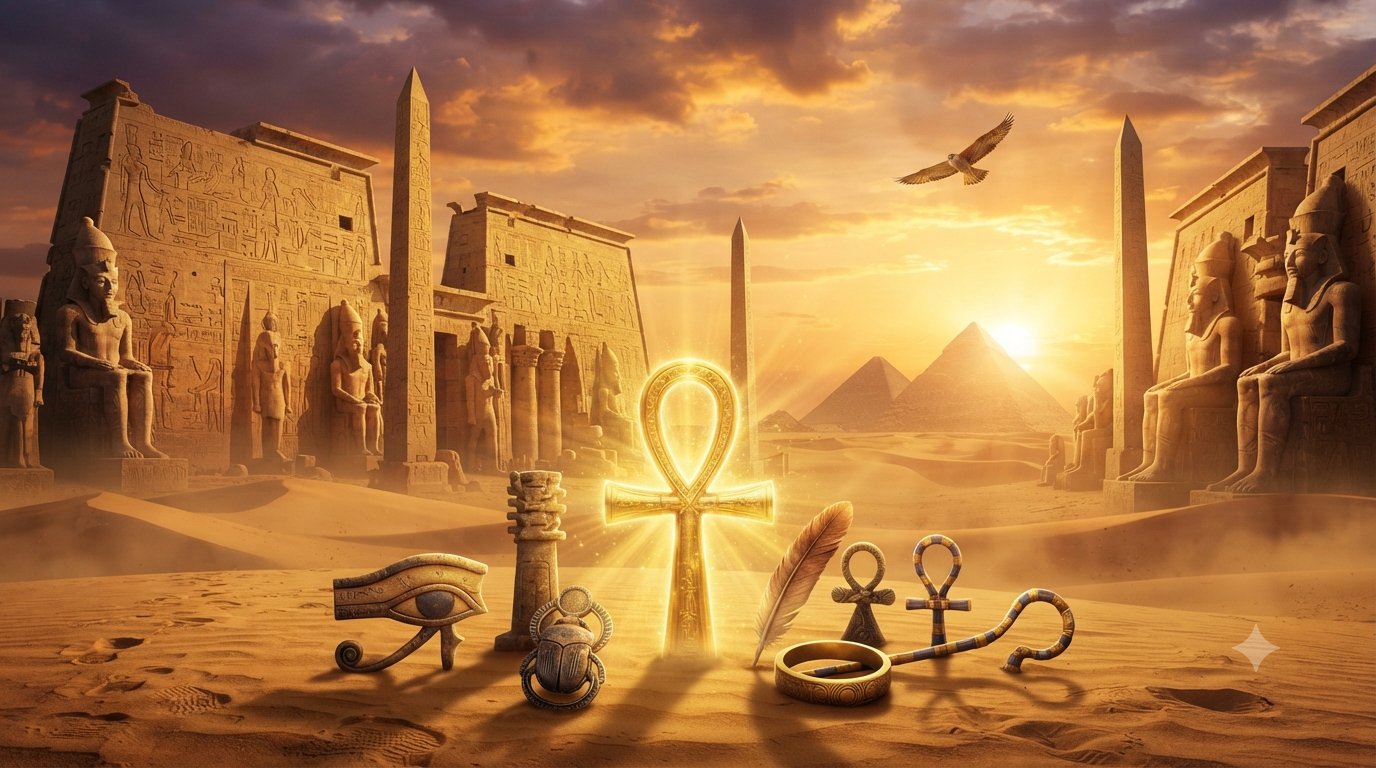
Egyptian Symbols: The Complete Guide to Ancient Egypt’s Sacred Signs and Their Meanings
Ancient Egypt communicated its deepest religious beliefs through images long before most of its population could read a single hieroglyph. ...
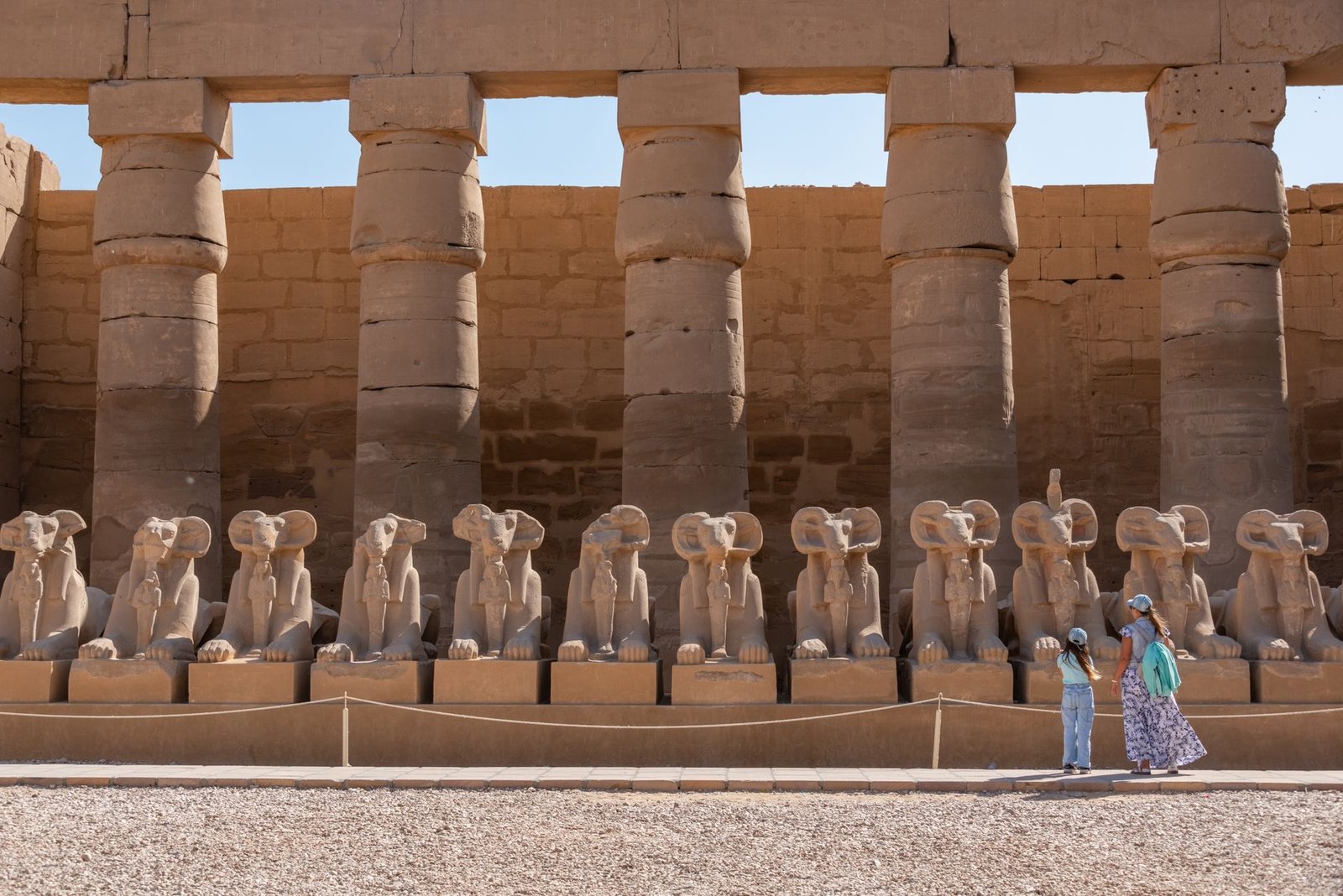
Who Is Amun in Egyptian Mythology? Origins and Meaning
Who is Amun in Egyptian mythology? A god of hidden power and royal authority, Amun rose from a local Theban deity to one of ancient Egypt’s chief divine figures, later joined with Ra as Amun-Ra. This excerpt traces his meanings, cult, and political influence, revealing why his worship shaped Egyptian religion and kingship for centuries.