gods and goddesses
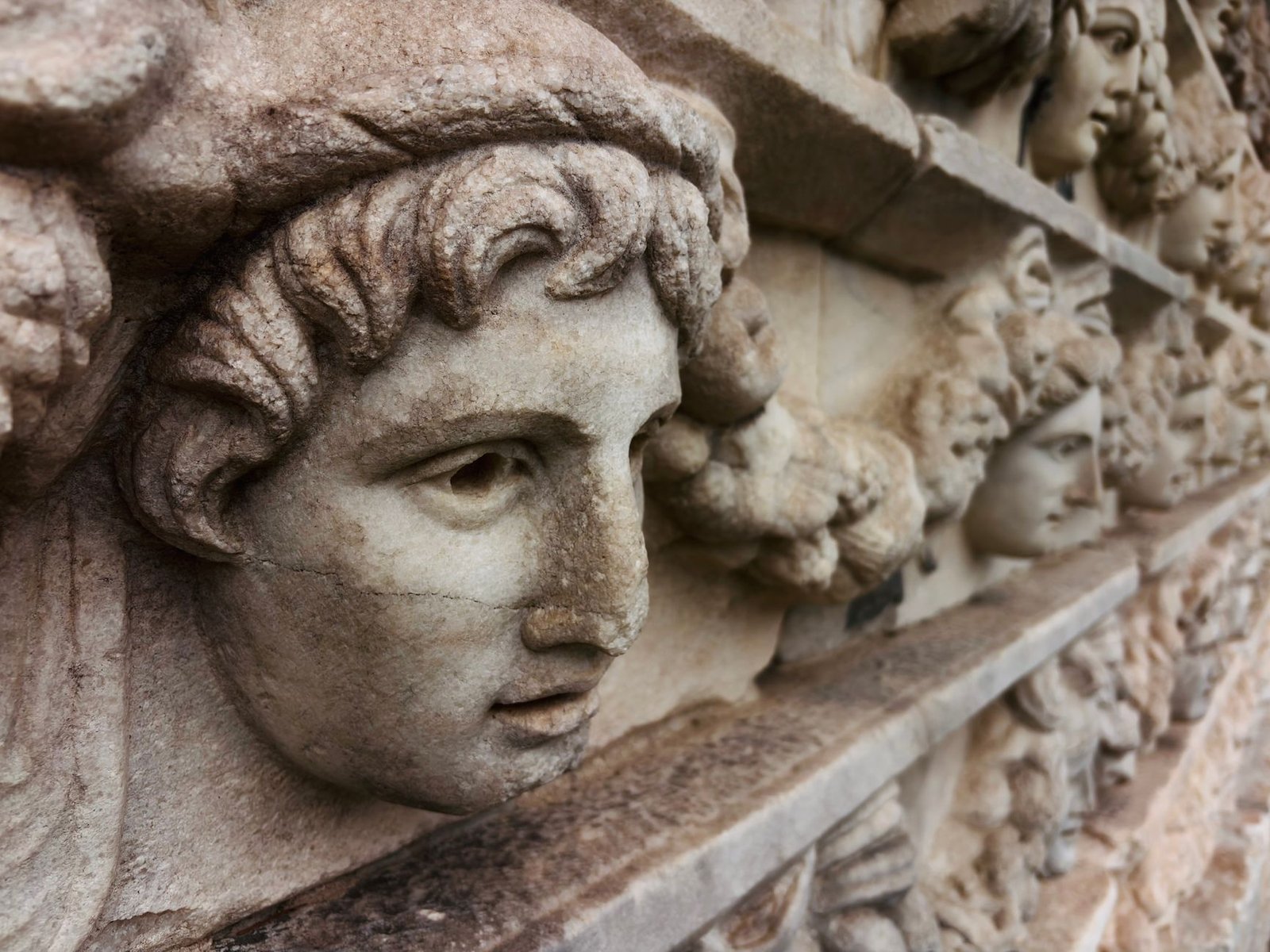
Furies (Furiae/Dirae): Roman Mythology and Vengeance
The Furies, or Furiae and Dirae in Roman tradition, are powerful figures in Greco-Roman mythology who embody vengeance, guilt, and the pursuit of justice after grave wrongdoing. This article explores their origins, meanings, and enduring role in literature and culture, revealing why these fearsome avengers remain central to ancient ideas of law, ethics, and punishment.

Sickle of Saturn: Definition, Meaning, and Origin
The Sickle of Saturn is a recognizable emblem of the Roman god Saturn, linking him to agriculture, harvest, and the passage of time. Beyond its practical role as a cutting tool, it reflects older mythological themes of succession, abundance, and the symbolic power of seasonal change, inviting closer attention to Saturn’s layered meaning.
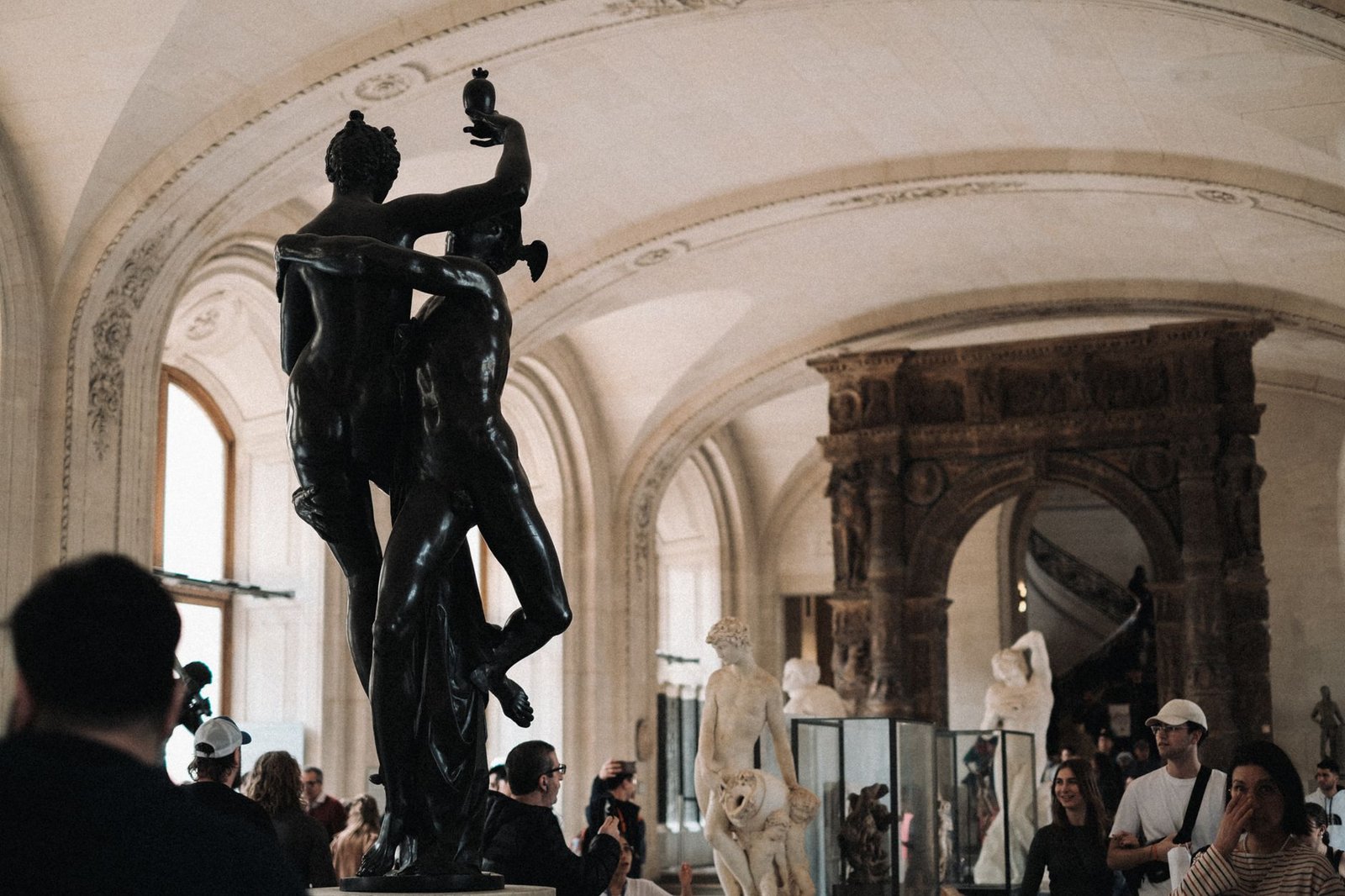
Winged Sandals of Mercury (Talaria): Mythological Guide
The Winged Sandals of Mercury, or talaria, are a striking symbol of divine speed in Greco-Roman mythology, most closely linked with Mercury and Hermes. This article explores their shifting ancient descriptions, their meanings of mobility and authority, and the enduring role they play in art, literature, and cultural imagination.

Di Indigetes vs. Di Novensiles: Roman Deities Explained
The contrast between Di Indigetes vs Di Novensiles reveals how Romans distinguished between ancestral gods rooted in their own tradition and deities introduced later into the pantheon. Exploring these categories sheds light on Roman ideas of religious authority, cultural continuity, and the adaptation of foreign cults.
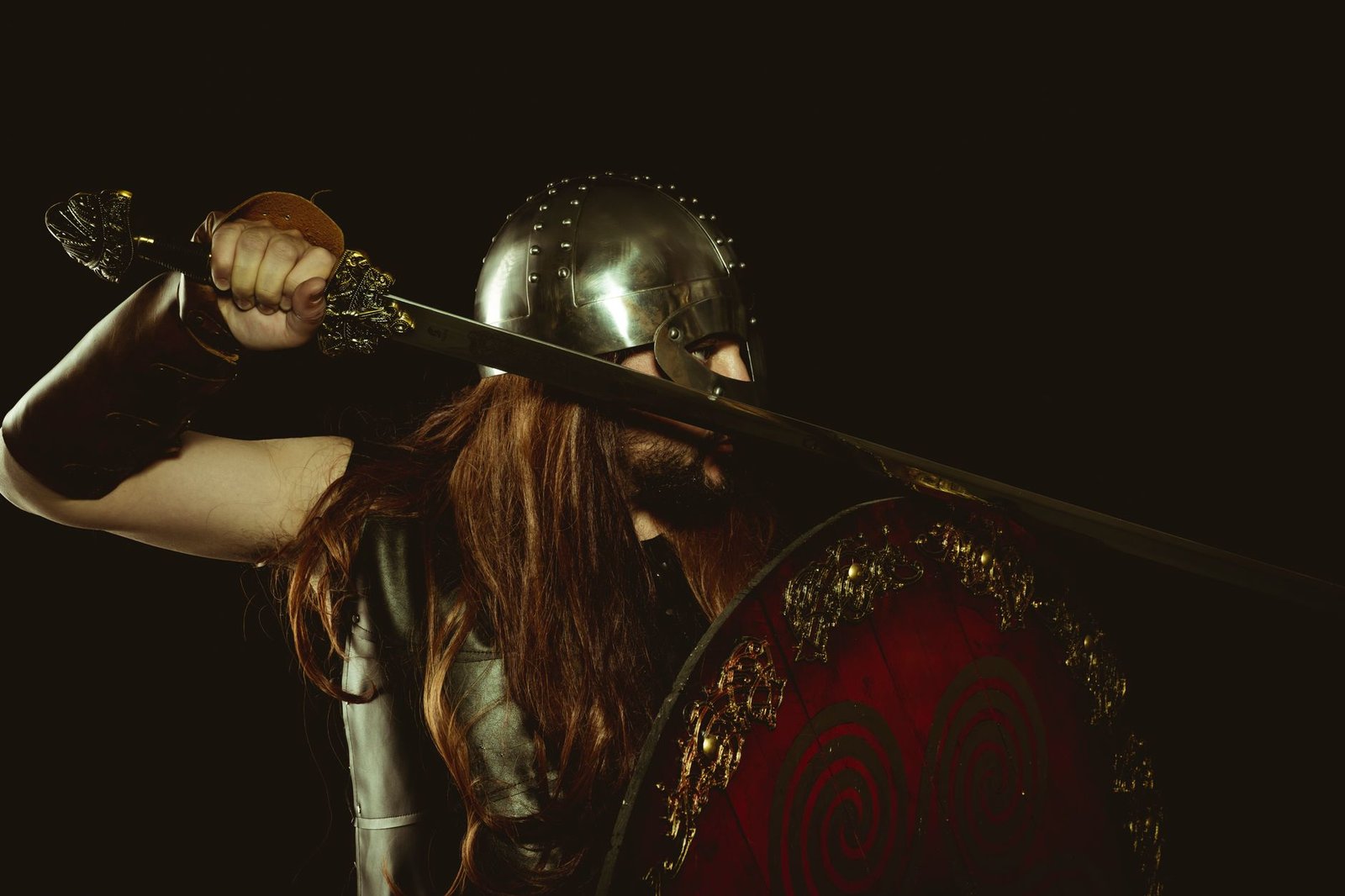
Helm of Darkness: Mythology, Origins, and Meaning
The Helm of Darkness is a legendary Greek mythic object best known as Hades’s invisibility helmet, a symbol of concealment, underworld power, and the boundary between the seen and unseen. Its shifting names, forms, and uses across ancient sources reveal a richer story of divine gifts, stealth, and hidden authority than its popular image suggests.
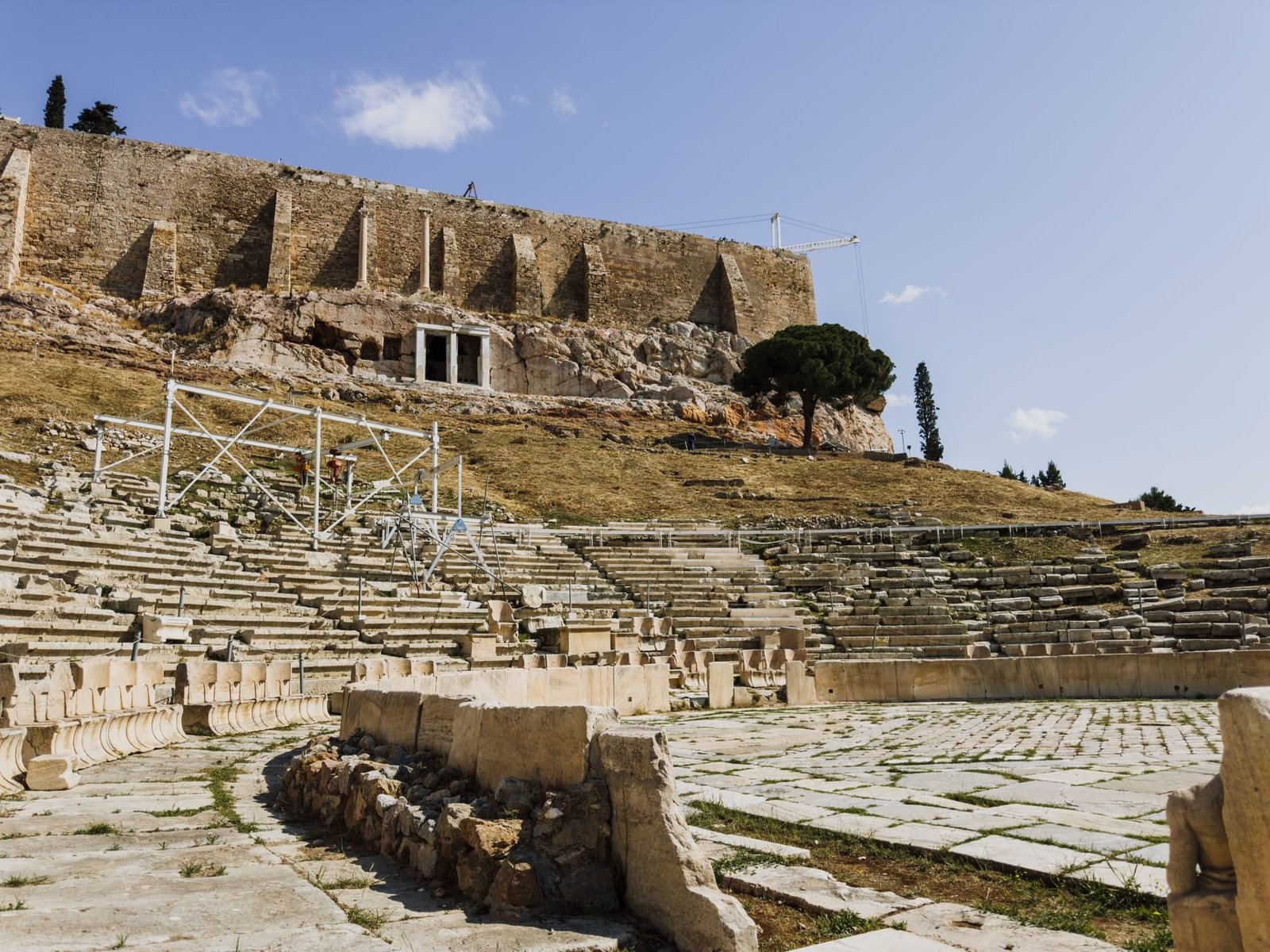
Kantharos of Dionysus: Ancient Greek Wine Vessel
The Kantharos of Dionysus is a deep, high-handled drinking cup that became one of the god’s most enduring symbols in Greek art and religion. Exploring its origins reveals how a simple vessel came to embody wine, ritual ecstasy, fertility, and the uneasy balance between sacred celebration and divine power.

Why Do Gods Have Their Own Symbols? Meaning Explained
Across world mythologies, the question of why does every god have their own symbols reveals how ancient cultures made the divine visible, memorable, and distinct. From thunderbolts and tridents to lotuses and swords, these signs encoded a god’s powers, role, and identity while shaping worship, art, and storytelling.
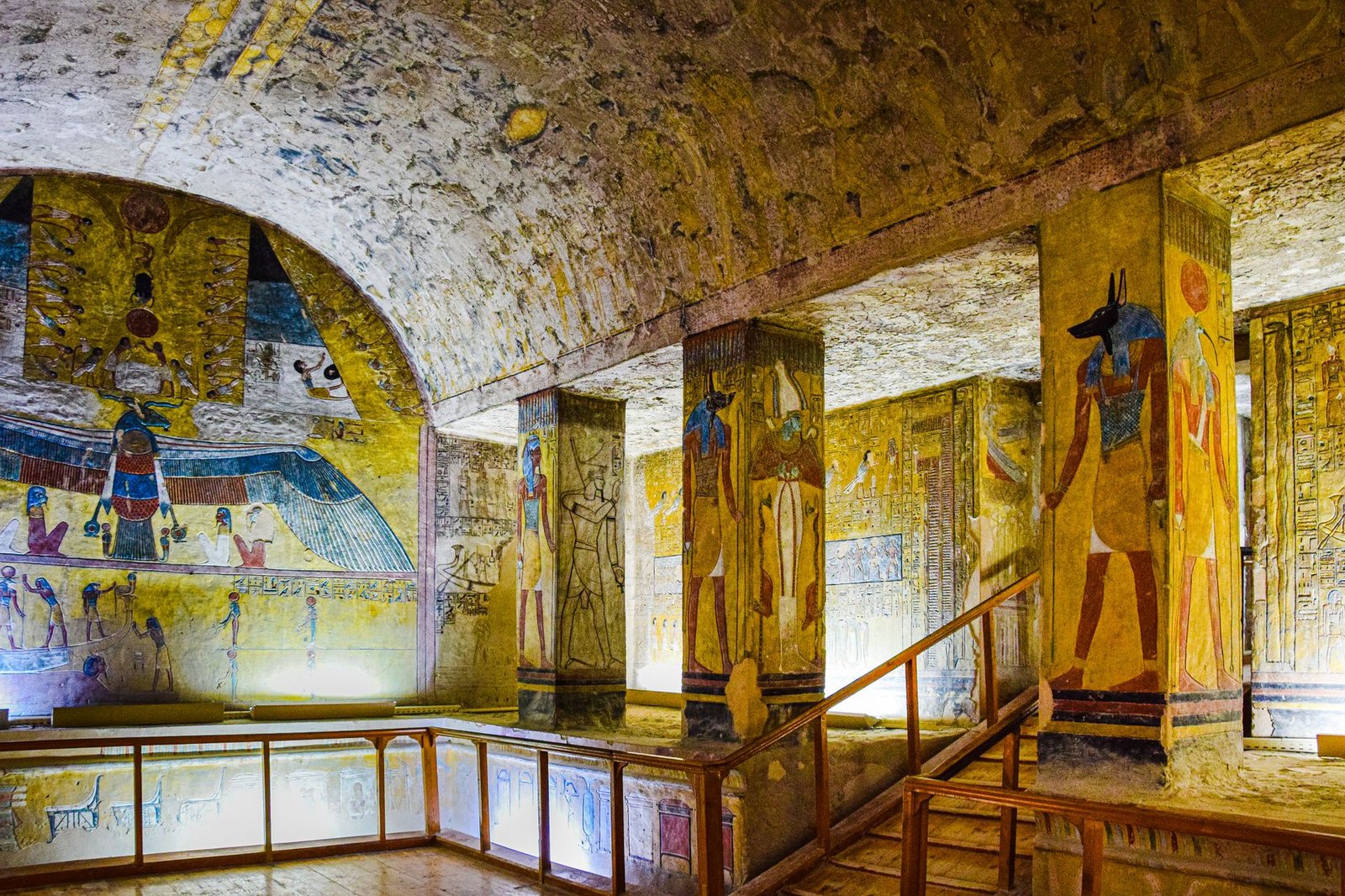
Eye of Horus in Egyptian Mythology: Meaning and Origins
The Eye of Horus in Egyptian mythology is a powerful symbol of healing, protection, royal authority, and restored wholeness, rooted in the story of Horus’s injured eye and its divine repair. Its long history in amulets, funerary art, and temple imagery reveals how a single emblem came to embody both personal wellbeing and cosmic order.