Greek culture and traditions

Athena’s Owl: Symbolism, Mythology, and Meaning
Athenas Owl is one of the most recognizable animal symbols in ancient Greek culture, closely linked with Athena, goddess of wisdom, strategy, and civic order. Appearing in art, coinage, and civic imagery, the little owl embodied watchfulness and judgment, while also revealing how Greeks blended myth, religion, and public identity.
Herm Island: History, Geography, and Visitor Guide
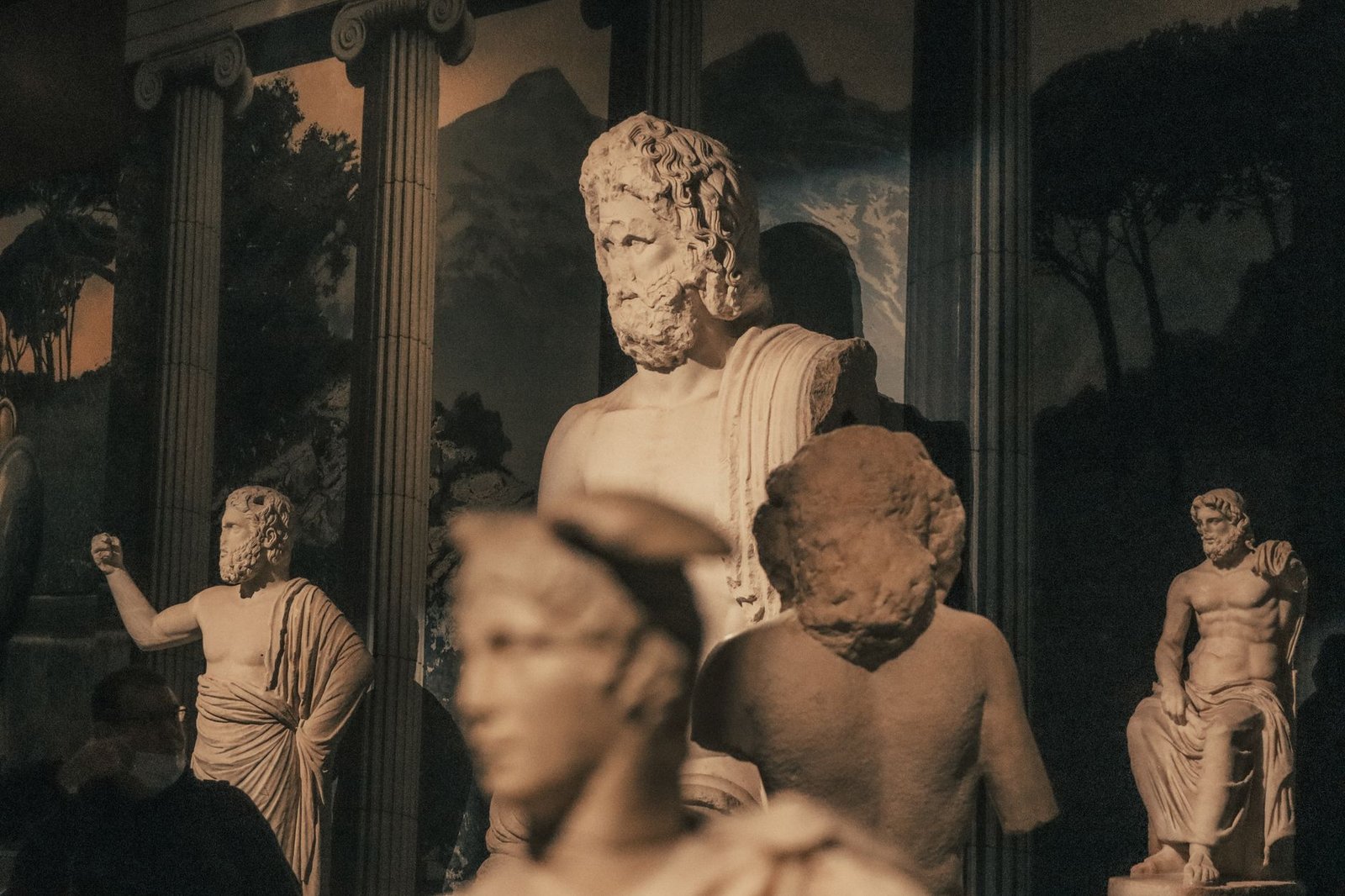
A herm was a distinctive stone boundary marker of the ancient Greek world, usually shaped as a squared pillar crowned by the head of Hermes and placed at roads, crossroads, and thresholds. Blending practical purpose with religious meaning, the herm reveals how Greeks understood travel, protection, and sacred space, and its later adaptations invite closer inspection.
Is the Greek Eye (Mati) Part of Greek Mythology?
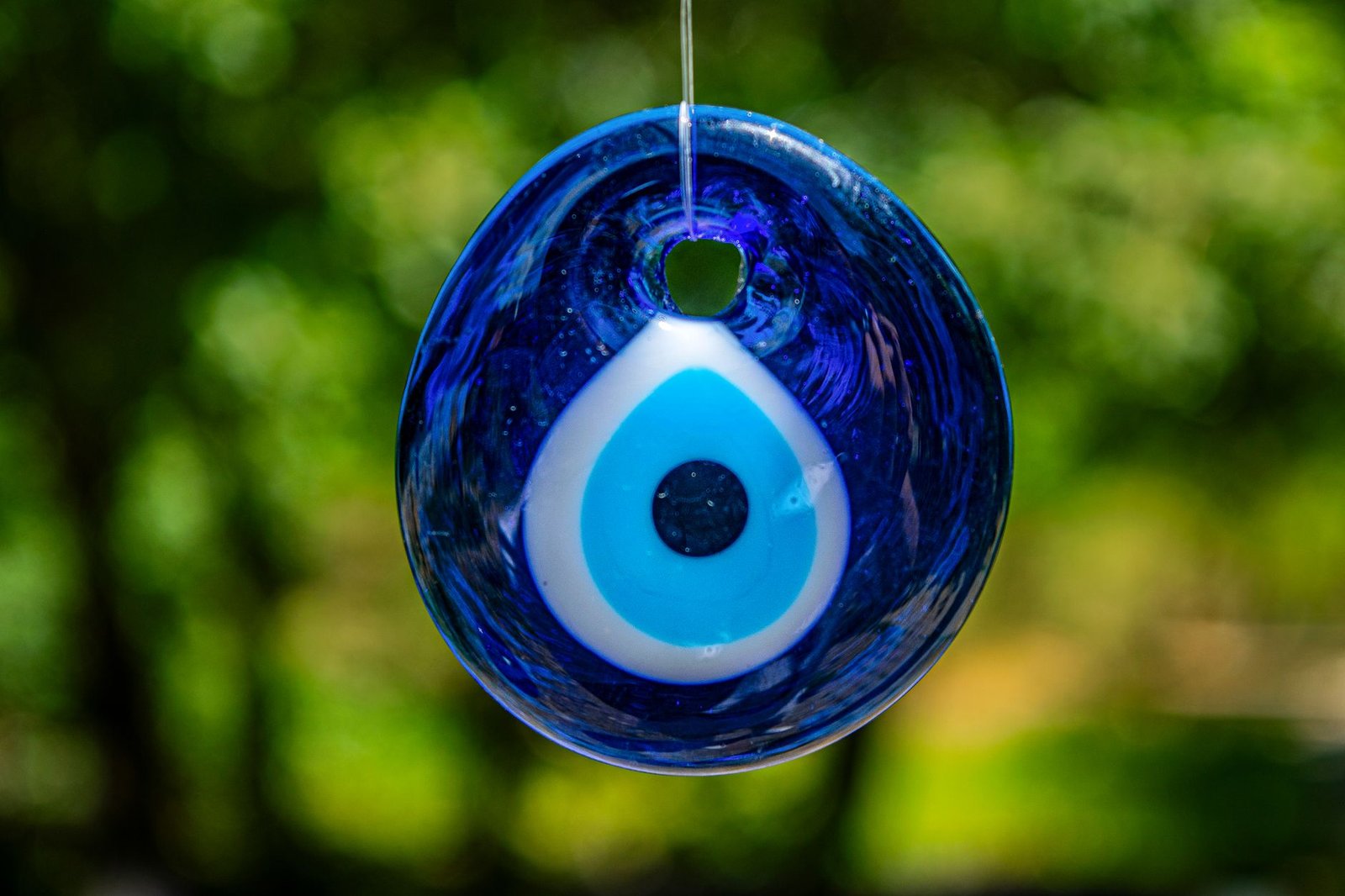
The Greek eye, or mati, is widely recognized in Greek culture as a protective charm against envy and misfortune, yet it does not belong to Greek mythology in the strict sense. Rooted in ancient folk belief and Mediterranean tradition, it reflects a long history of ideas about the harmful gaze—an origin that invites closer examination of its meaning and evolution.

The Myth of Pandora: Origins, Story, and Meaning
The myth of Pandora explains how suffering entered human life, yet it also leaves room for hope, making it one of the most enduring stories in Greek mythology. Its shifting ancient versions, from divine punishment to symbols of fertility and curiosity, reveal a figure far more complex than the familiar tale of the opened jar suggests.

Hyacinthus and Apollo: Myth, Story, and Meaning
**Hyacinthus and Apollo** is a central Greek myth of divine love, tragic accident, and transformation, in which Apollo’s beloved Spartan youth dies and is commemorated through the hyacinth flower. Examining its origins, symbolic meanings, and later adaptations reveals how ancient poets turned mourning and beauty into an enduring etiological tale.
Oedipus and the Sphinx: Greek Myth and Story
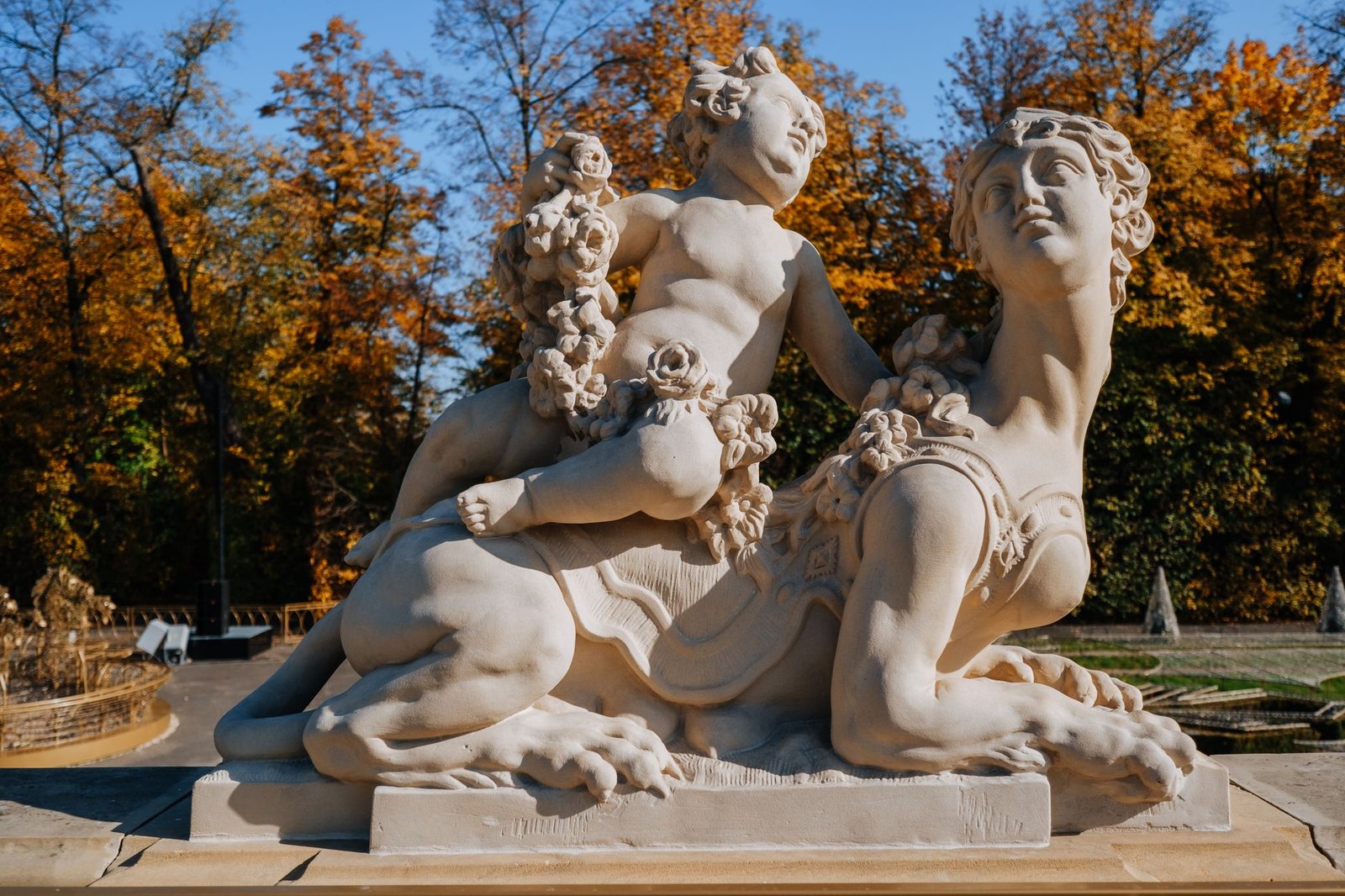
Oedipus and the Sphinx is a defining episode in Greek mythology, uniting the Theban riddle, royal succession, and the tragic irony that follows Oedipus’s triumph. This article traces the myth’s literary sources, the symbolism of the Sphinx, and the larger themes of fate, identity, and human knowledge that made the story enduring.