Greek mythology

Sickle of Saturn: Definition, Meaning, and Origin
The Sickle of Saturn is a recognizable emblem of the Roman god Saturn, linking him to agriculture, harvest, and the passage of time. Beyond its practical role as a cutting tool, it reflects older mythological themes of succession, abundance, and the symbolic power of seasonal change, inviting closer attention to Saturn’s layered meaning.
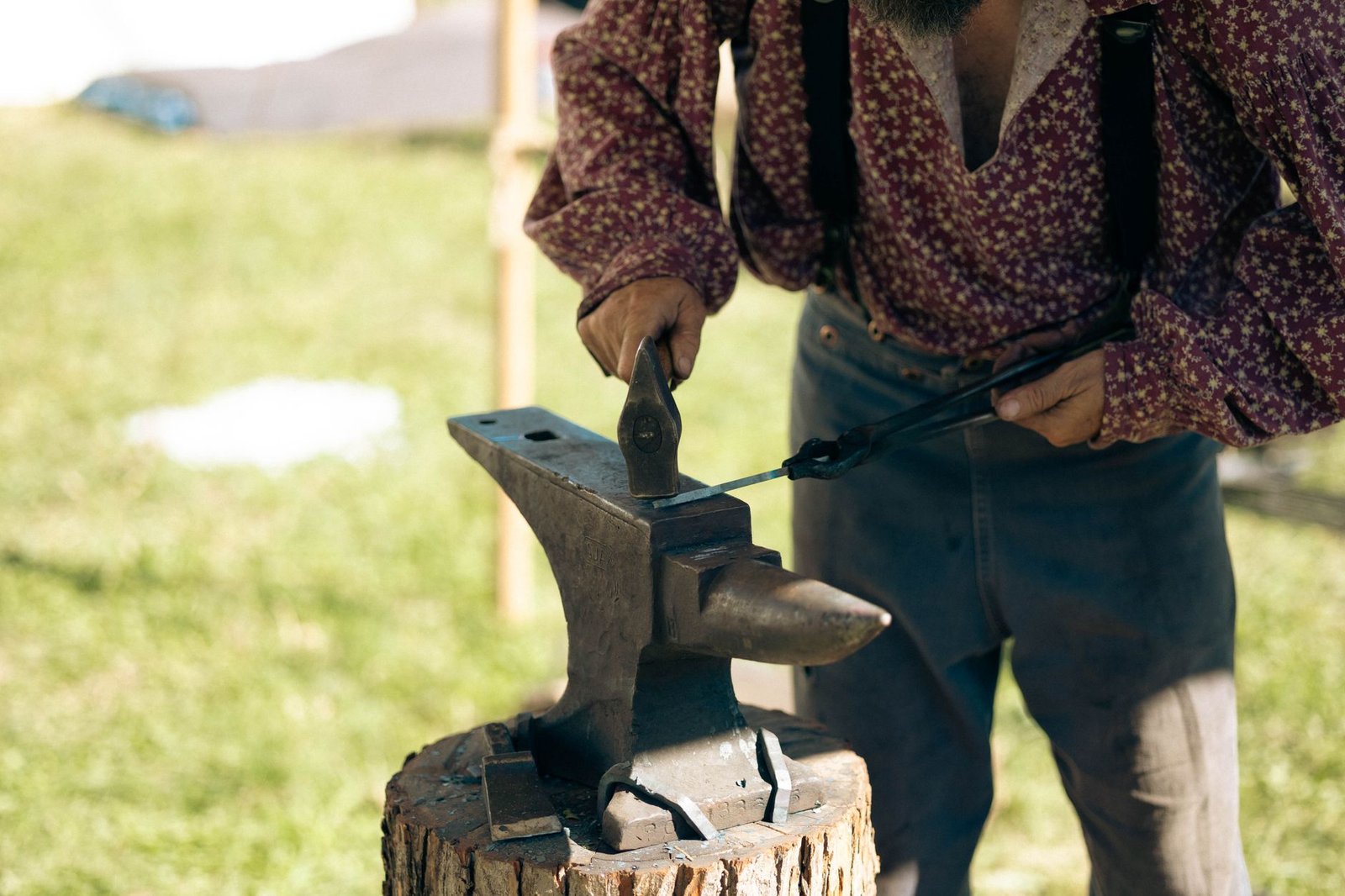
Hammer and Anvil of Vulcan: Meaning and Mythology
The Hammer and Anvil of Vulcan are enduring symbols of the Roman god’s mastery over fire, metallurgy, and the volatile power of the forge. Appearing in myth, art, and later cultural tradition, these tools embody both craftsmanship and destruction, offering a vivid entry point into Vulcan’s complex place in Roman religion.

Trident of Neptune: Meaning, Symbolism, and Mythology
The Trident of Neptune is a defining symbol of Greco-Roman mythology, representing the sea god’s dominion over waters, storms, and earthquakes. Tracing its origins, meanings, and artistic depictions across ancient and modern cultures reveals how this three-pronged weapon became a lasting emblem of maritime power and divine authority.

Thunderbolt of Jupiter: Meaning, Mythology, and Symbolism
The Thunderbolt of Jupiter is a central symbol of Greco-Roman religion, linking Rome’s chief god to lightning, storms, divine judgment, and sovereign power. Exploring its origins, meanings, and artistic representations reveals how this celestial weapon came to embody both destructive force and the authority of the heavens.

Peacock of Juno: Mythology, Symbolism, and Meaning
The Peacock of Juno is a renowned symbol in Greco-Roman mythology, linking the Roman queen of the gods with a bird revered for splendor, vigilance, and imperial dignity. Tracing its origins through myth, art, and religious meaning, the article explores how this emblem came to represent divine authority and the enduring legacy of Juno’s power.

Owl of Minerva: Meaning, Symbolism, and Philosophy
The Owl of Minerva is a lasting symbol of wisdom, careful judgment, and the reflective insight associated with Athena and her Roman counterpart, Minerva. From ancient Greek iconography to Hegel’s famous phrase, its history reveals how a simple bird became a profound metaphor for understanding that arrives only after events unfold.
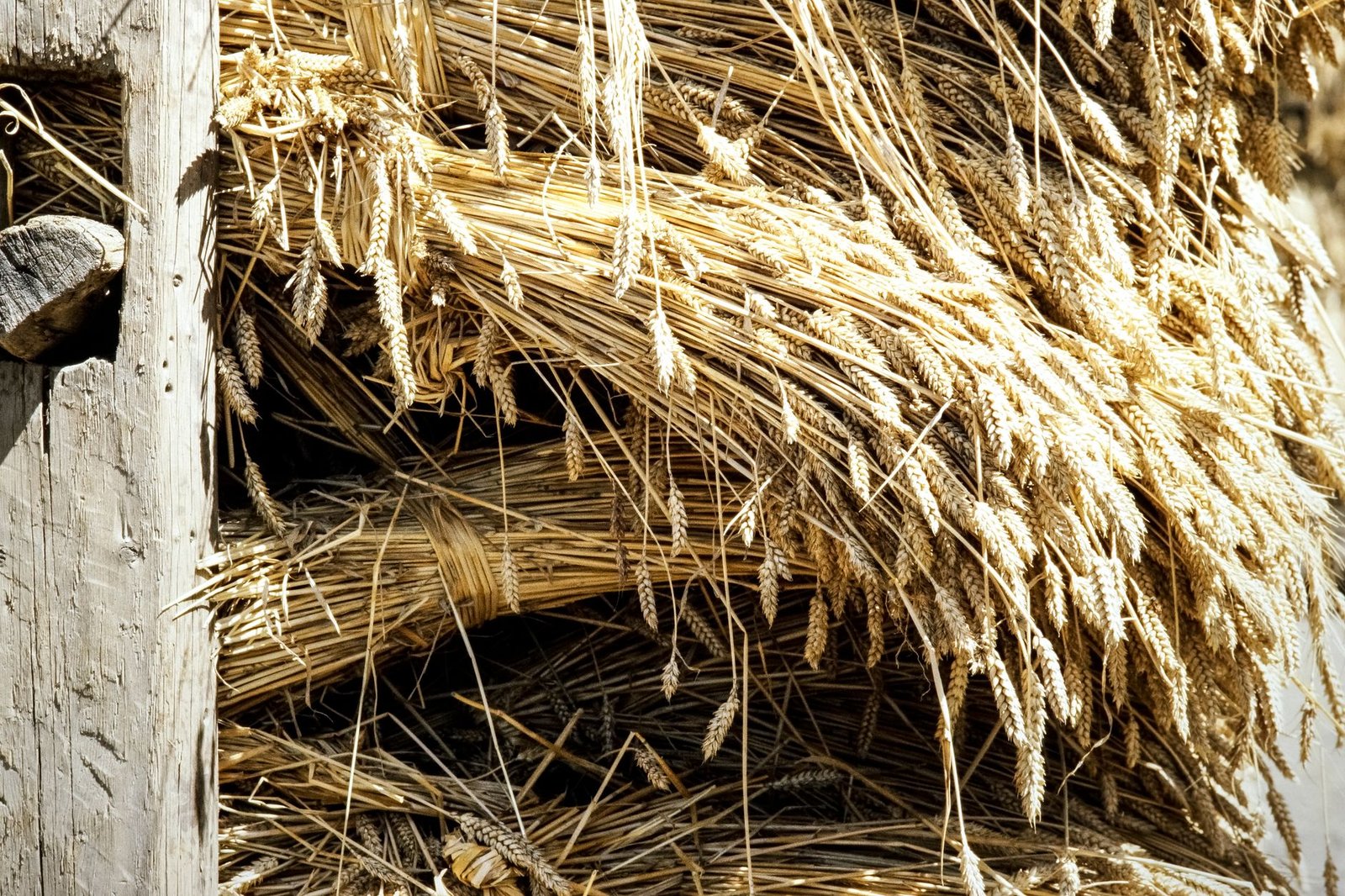
Wheat Sheaf of Ceres: Meaning, Symbolism, and History
The wheat sheaf of Ceres is a lasting symbol of Roman agriculture, embodying harvest, fertility, abundance, and the civilized order created by cultivation. Seen in ancient art, coinage, and modern heraldry, it reveals how closely grain, religion, and political stability were intertwined in the Greco-Roman world.

Caduceus of Mercury: Meaning, Symbol, and History
The caduceus of Mercury is a herald’s staff entwined with two serpents, often crowned by wings, and in classical mythology it signified messengership, safe conduct, negotiation, and practical intelligence. Though frequently mistaken for the symbol of healing, its history is distinct from the Rod of Asclepius, and its long artistic and cultural afterlife reveals why this ancient emblem still invites careful study.
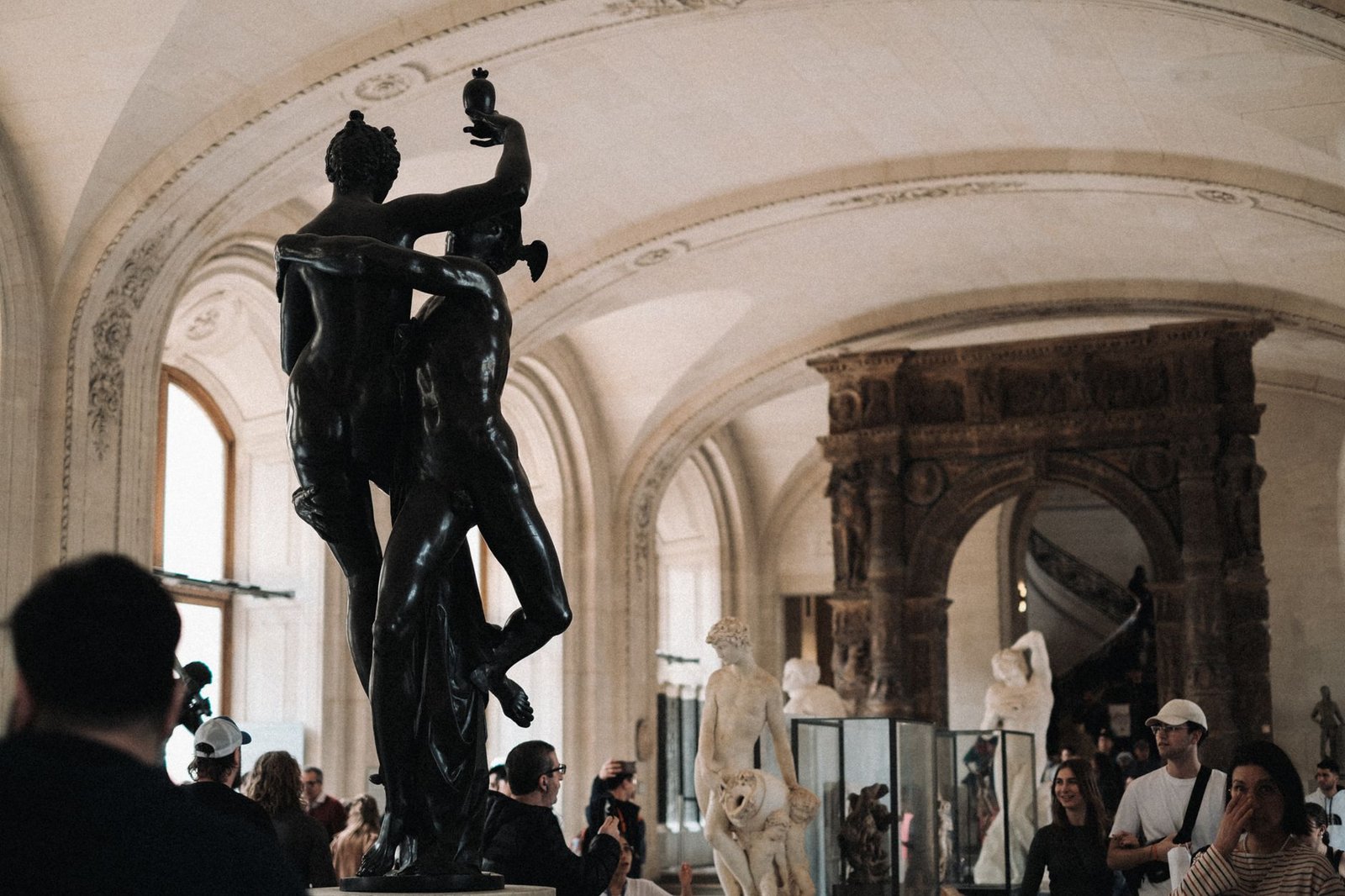
Winged Sandals of Mercury (Talaria): Mythological Guide
The Winged Sandals of Mercury, or talaria, are a striking symbol of divine speed in Greco-Roman mythology, most closely linked with Mercury and Hermes. This article explores their shifting ancient descriptions, their meanings of mobility and authority, and the enduring role they play in art, literature, and cultural imagination.

Thyrsus of Bacchus: Meaning, Symbolism, and History
The thyrsus of Bacchus is a ritual staff from Greco-Roman mythology, typically crowned with ivy, vine leaves, or a pinecone, and closely linked to Dionysus, the god of wine, ecstasy, fertility, and inspiration. As both sacred emblem and symbol of ecstatic power, it reveals the deeper world of Dionysian ritual, where celebration, transformation, and divine influence meet.