Greek mythology

Thyrsus: Definition, Origins, and Symbolism
The thyrsus is a ritual staff from ancient Greek religion, usually topped with a pine cone and often adorned with ivy or vine leaves, most closely associated with Dionysus. Appearing in myth, literature, and art, it symbolizes ecstatic worship, divine power, and the tension between civic order and ritual abandon, inviting closer study of its cultural significance.
Shield of Achilles: Meaning, Description, and Mythology
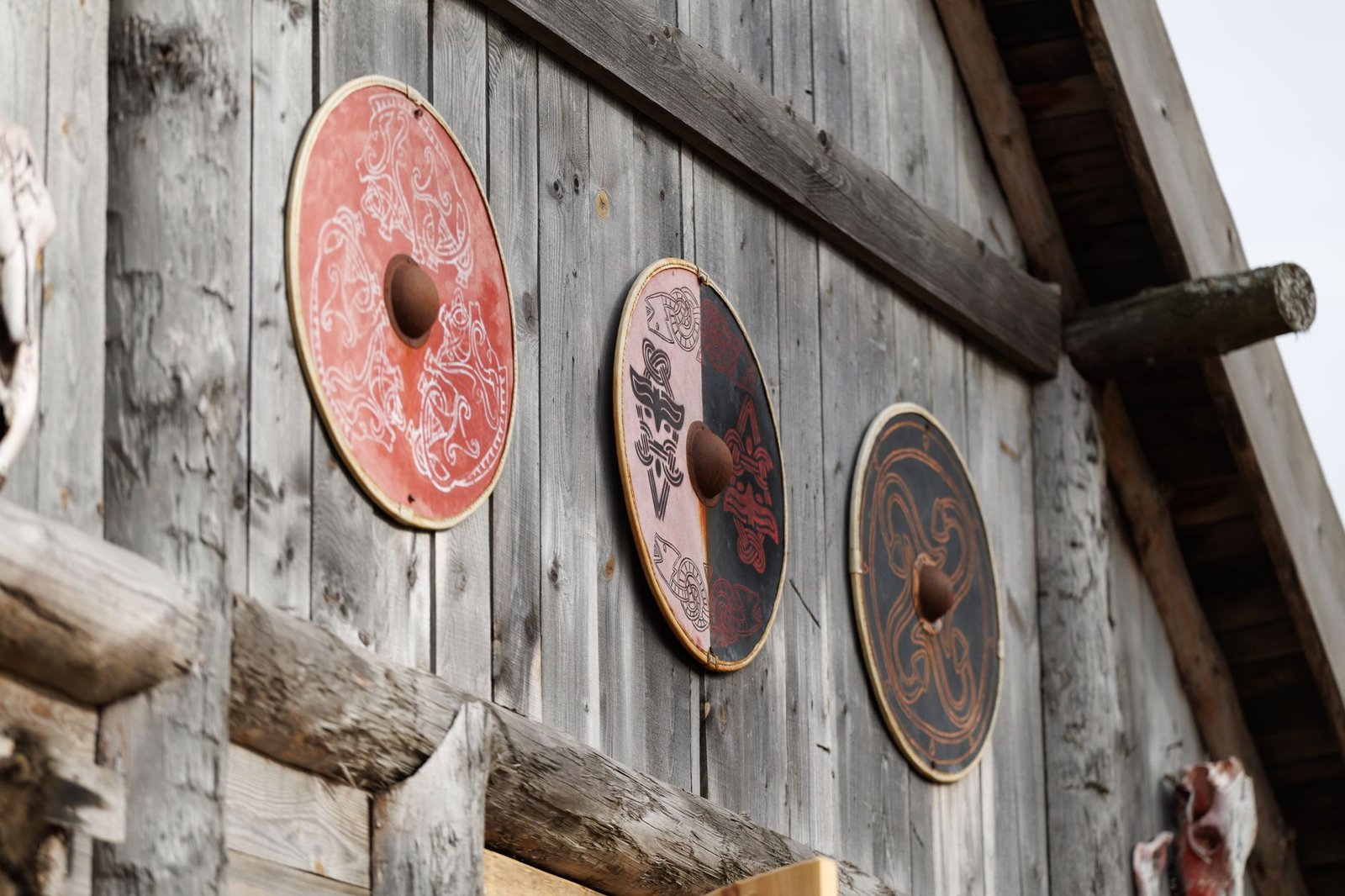
The Shield of Achilles, forged by Hephaestus for Homer’s hero, is one of Greek literature’s most celebrated objects, famed not only for its divine craftsmanship but for the world it depicts. Through its scenes of war, peace, labor, and celebration, the shield offers a vivid vision of cosmic order and human life, inviting closer study of its symbolic power.
Girdle of Aphrodite: Meaning, Myth, and Symbolism
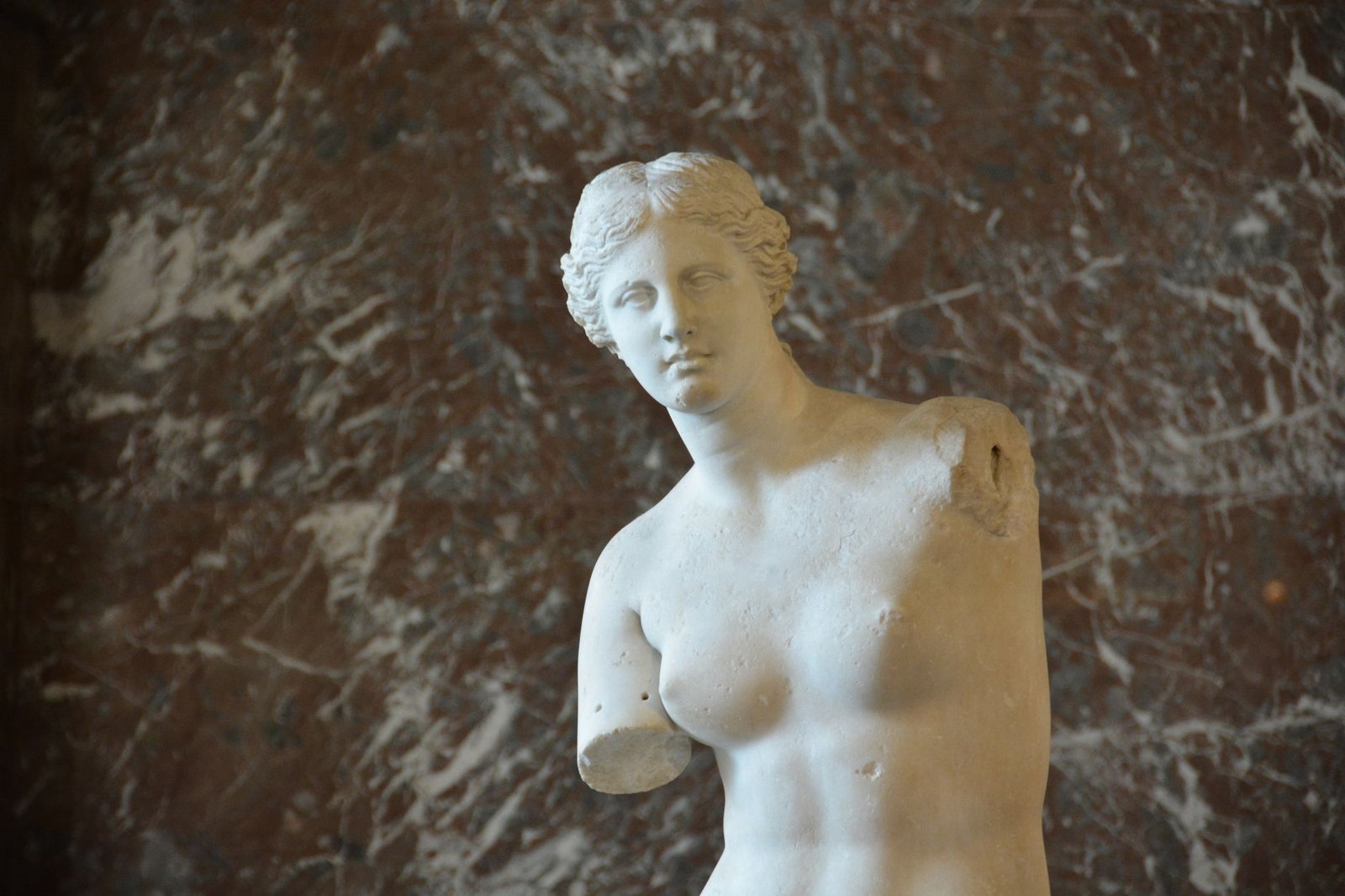
The Girdle of Aphrodite, also called the Cestus or Kestos Himas, is a celebrated object in Greek mythology, an enchanted belt said to confer irresistible charm, beauty, and desire. Best known from the *Iliad*, where Hera borrows it to influence Zeus, it embodies Aphrodite’s power over love and seduction while leaving much of its origin and symbolism open to interpretation.

Ariadne’s Thread: Meaning, Origin, and Symbolism
Ariadnes Thread is a lasting motif from Greek mythology, referring first to the thread Ariadne gives Theseus so he can escape the Labyrinth after defeating the Minotaur. In later European culture, it came to mean any clue, guiding principle, or method that helps readers, thinkers, or investigators find their way through complexity.

Trojan Horse: Meaning, History, and Myth Explained
The Trojan Horse is a legendary episode from Greek mythology in which a deceptive wooden offering concealed armed Greek soldiers, enabling the fall of Troy. More than a war story, it has become a lasting metaphor for hidden danger and strategic deceit, with meanings that extend from politics and literature to modern cybersecurity.
Herm Island: History, Geography, and Visitor Guide
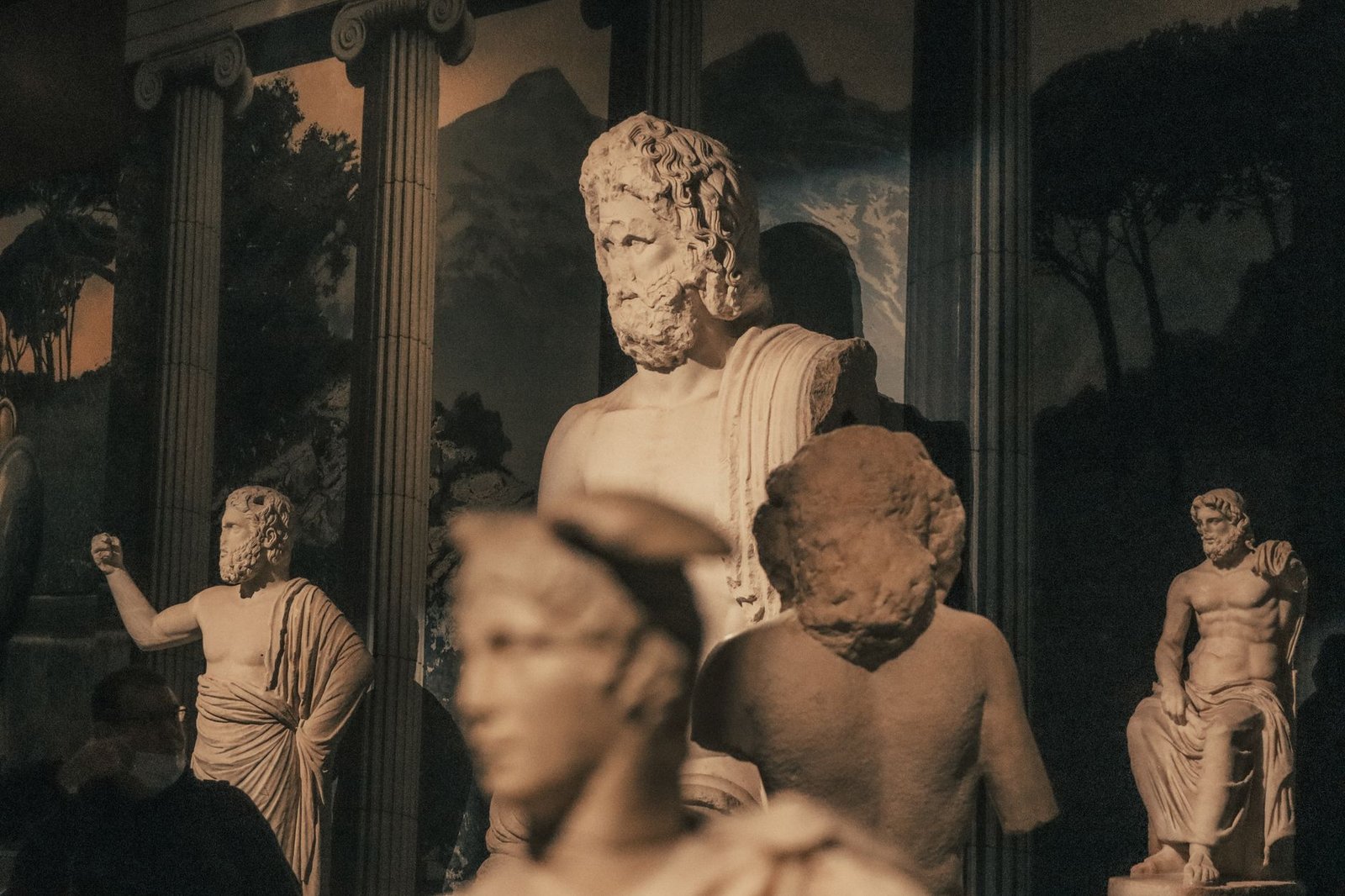
A herm was a distinctive stone boundary marker of the ancient Greek world, usually shaped as a squared pillar crowned by the head of Hermes and placed at roads, crossroads, and thresholds. Blending practical purpose with religious meaning, the herm reveals how Greeks understood travel, protection, and sacred space, and its later adaptations invite closer inspection.

Scales of Themis: Meaning, Symbolism, and Mythology
The Scales of Themis links Greek ideas of divine law, order, and impartial judgment with the enduring image of balanced scales. This article traces how Themis evolved from a Titaness of cosmic custom into a lasting symbol of justice, and why that association still shapes modern legal and cultural imagery.
Nike’s Wings: Meaning, History, and Symbolism
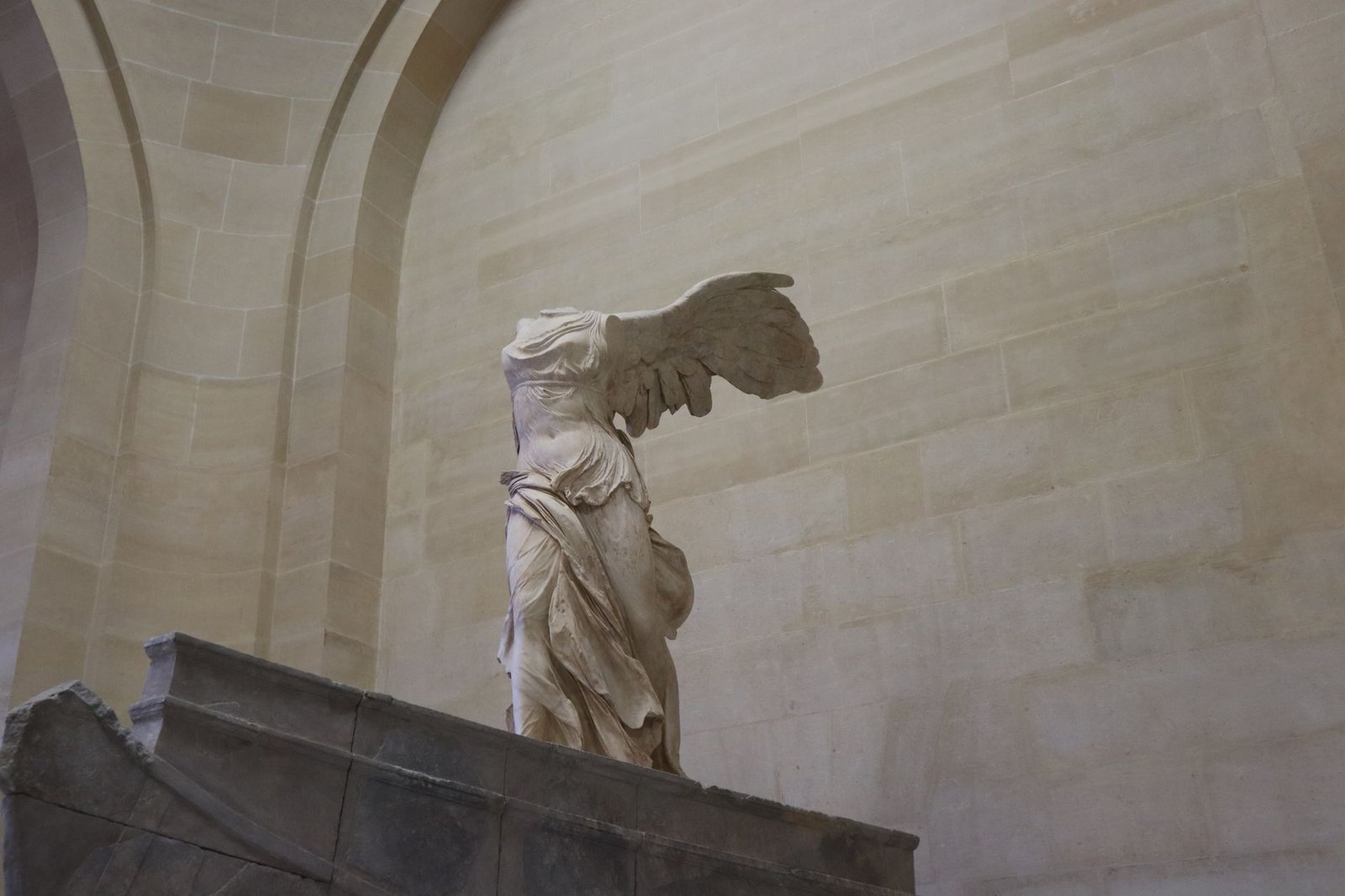
Nike’s wings are a defining feature of Greek mythology and classical art, marking the goddess of victory as a swift, divine presence rather than a distant Olympian. They symbolize triumph, fleeting fortune, and heavenly favor, and their enduring image in sculpture, coinage, and literature invites a closer look at how victory was imagined in antiquity.

Sacred Flame of Hestia: Meaning, Myth, and Worship
The **Sacred Flame of Hestia** occupied a central place in ancient Greek religion, linking the goddess of the hearth to household stability, civic order, and ritual life. Exploring its origins and meanings reveals how a simple fire became a lasting symbol of continuity, divine presence, and the bond between private devotion and public identity.

Nectar and Ambrosia: Meaning, Origins, and Mythology
Nectar and ambrosia are among the most enduring symbols of Greek mythology, representing the food and drink reserved for the gods and the sharp divide between mortal and divine life. Their shifting meanings in ancient sources, along with their rich literary associations with immortality, luxury, and sacred privilege, reveal why these terms continue to fascinate readers.