Greek mythology

Antigone and the Burial of Polynices: Greek Tragedy
Antigone and the burial of Polynices recount a decisive clash between family loyalty, divine obligation, and the authority of the state in the Theban cycle of Greek myth. Best known from Sophocles’ *Antigone*, the episode invites readers to consider why her defiance mattered, how Polynices became a symbol of contested honor, and why the story still resonates.
The Seven Against Thebes: Summary and Mythology
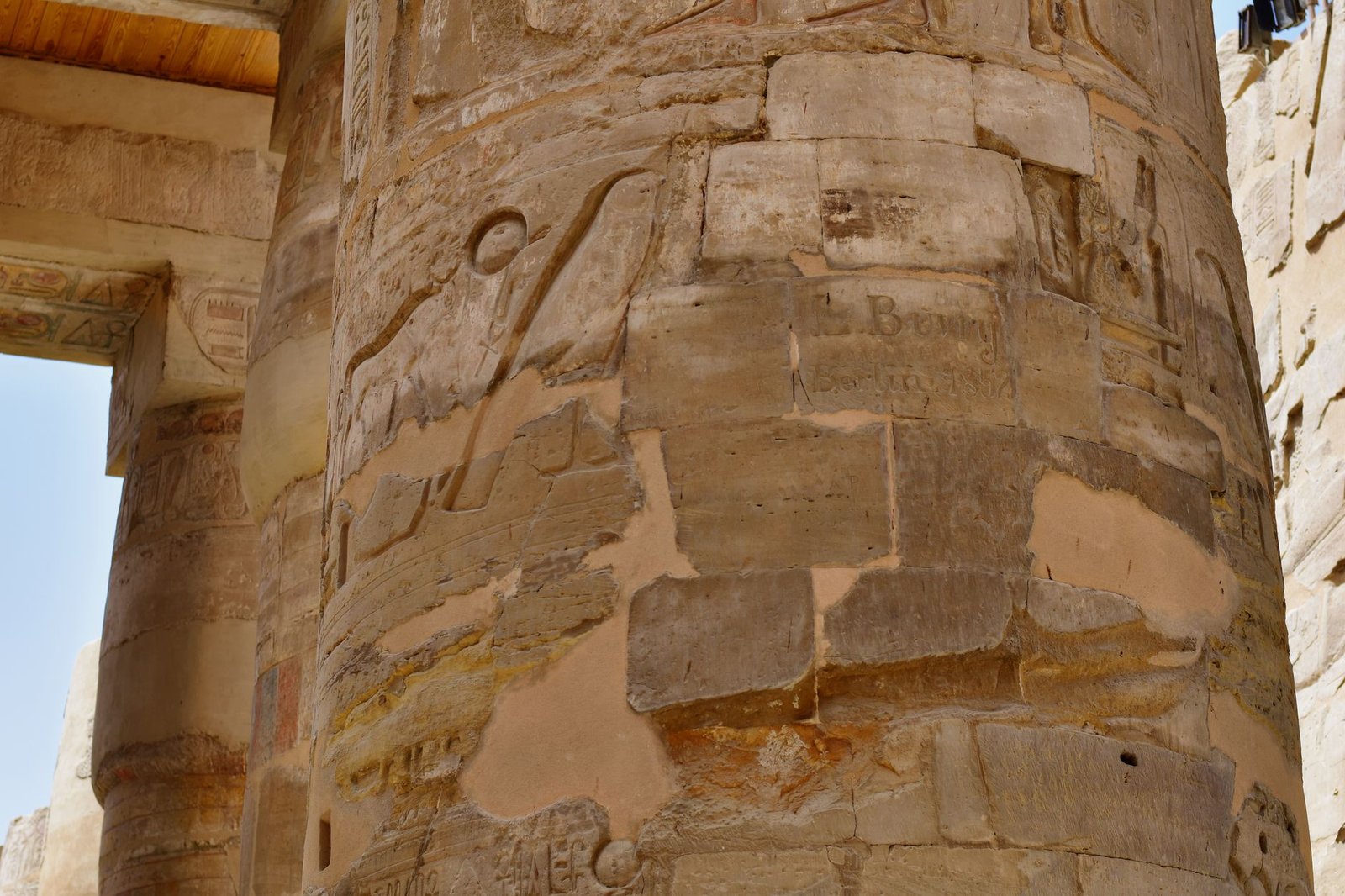
The Seven Against Thebes is a foundational myth of Greek literature, telling how Polynices assembled six champions to reclaim Thebes from his brother Eteocles amid a destructive family curse. Best known through Aeschylus’ tragedy, the story blends political rivalry, divine omens, and civic duty, offering a tense prelude to one of mythology’s most famous battles.

The House of Atreus: Greek Mythology Family History
The House of Atreus is the legendary Greek dynasty whose history links Tantalus, Atreus, Agamemnon, Menelaus, and their descendants in a cycle of murder, guilt, and divine retribution. Shaped by myth, epic, and tragedy, its story reveals how inherited crime and family loyalty collide in the royal world of Mycenae and Argos.
Odysseus and the Cyclops: Summary and Analysis
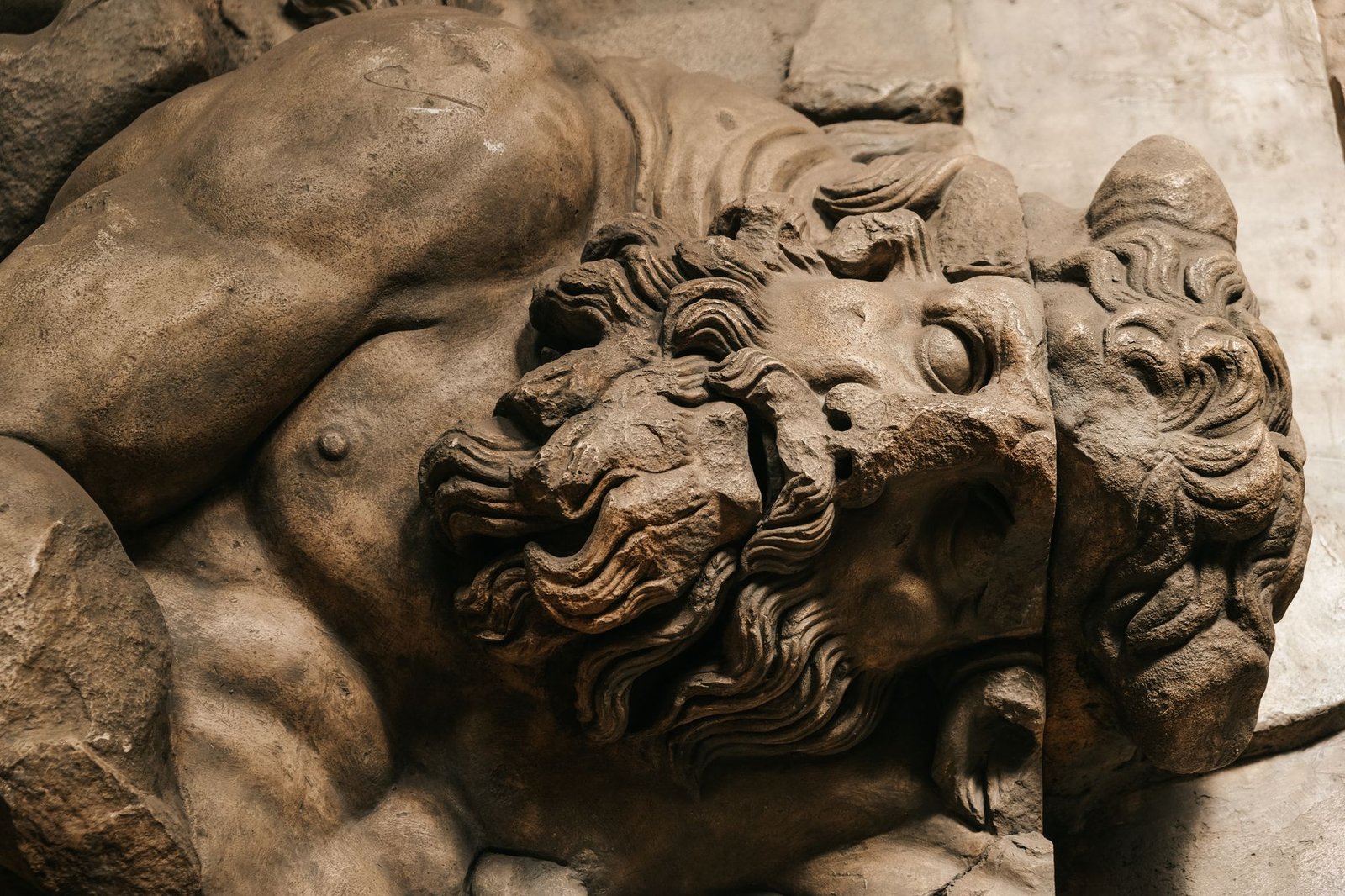
Odysseus and the Cyclops is a defining episode in Homer’s *Odyssey*, where the king of Ithaca confronts the one-eyed giant Polyphemus after being trapped in his cave. Blending suspense, cleverness, and the Greek code of *xenia*, the story reveals why Odysseus survives by wit—and why Poseidon later becomes his enemy.

Odysseus and the Sirens: Meaning and Myth Explained
Odysseus and the Sirens is a classic episode from Homer’s *Odyssey* in which the hero confronts a song said to promise wisdom while concealing death. Its enduring significance lies in the tension between curiosity and survival, the discipline that saves Odysseus, and the wider cultural legacy that made the Sirens a lasting symbol of temptation.
Odysseus and Circe: Myth, Encounter, and Story
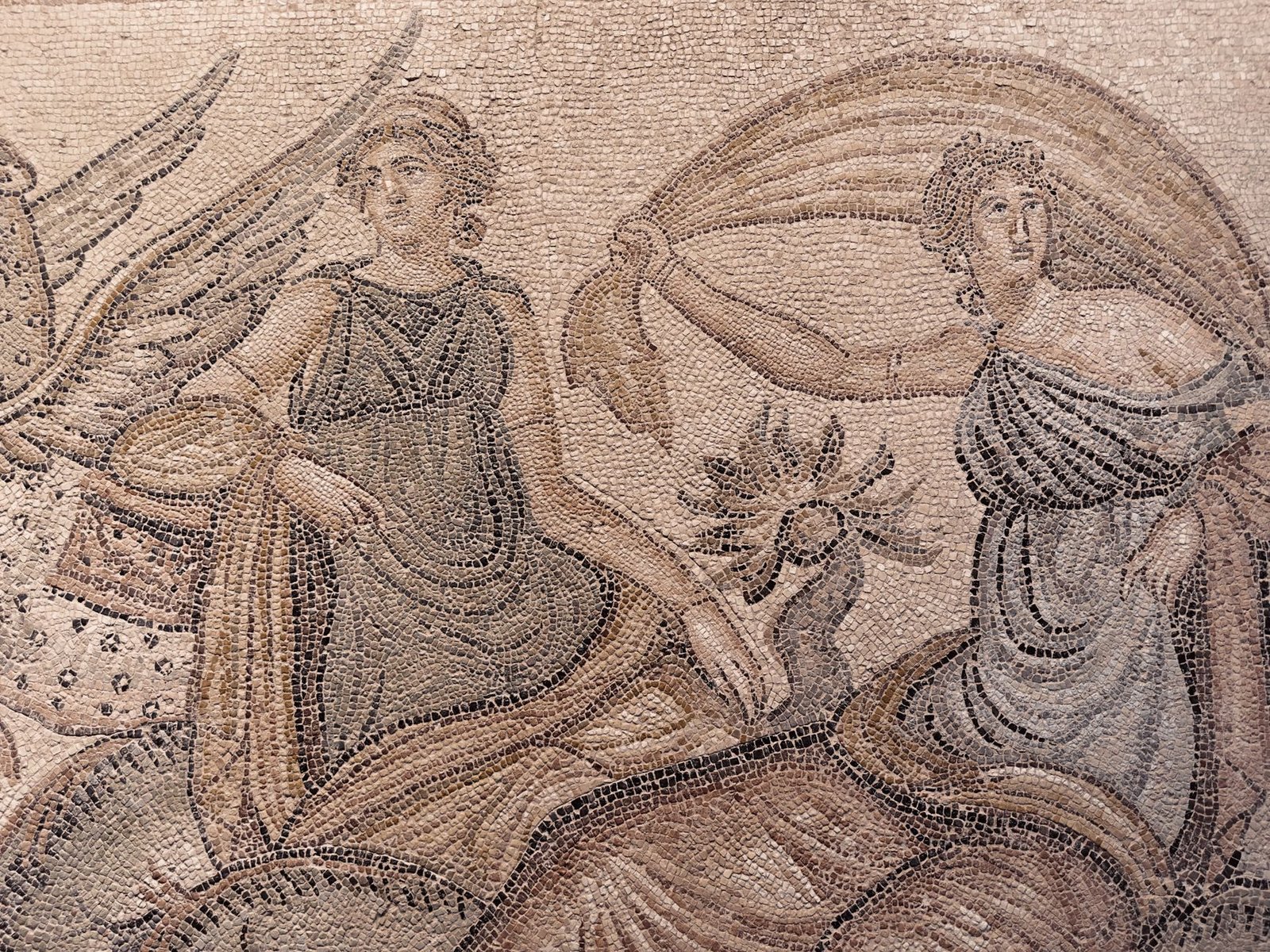
Odysseus and Circe is a celebrated episode in Homer’s *Odyssey*, where enchantment, temptation, and self-mastery shape a pivotal encounter between a cunning hero and a powerful sorceress. After Circe transforms Odysseus’s men into swine, the story traces how divine aid, hospitality, and shifting loyalties reveal deeper tensions between reason and desire, making this myth central to Greek literature and interpretation.

Penelope and the Suitors in Greek Mythology
Penelope and the suitors is a central episode in Homer’s *Odyssey*, portraying Odysseus’ wife as she withstands persistent nobles who occupy her household and demand marriage during his long absence after the Trojan War. The episode explores fidelity, intelligence, and authority, while setting the stage for the suitors’ eventual downfall and the restoration of order.

Athena and Poseidon Contest for Athens Mythology Explained
The contest between Athena and Poseidon for Athens is a foundational Greek myth in which two Olympian gods vie to become the city’s patron by offering rival gifts. Its story of Athena’s olive tree, civic identity, and divine rivalry reveals how Athenians explained their name, values, and relationship to both land and sea.
Procne and Philomela: Greek Myth of Sibling Revenge
Procne and Philomela are central figures in Greek mythology, whose tragic story of violated trust, revenge, and transformation has resonated for centuries. Best known through Ovid’s *Metamorphoses*, the myth explores silence, justice, and the symbolic power of birds, inviting readers to uncover how suffering becomes enduring legend.

Greek Symbols: The Complete Guide to the Sacred Objects and Signs of Greek Mythology
Greek mythology’s sacred objects gave visible, recognizable form to divine power, allowing worshippers, artists, and storytellers to identify a god’s ...