Greek mythology
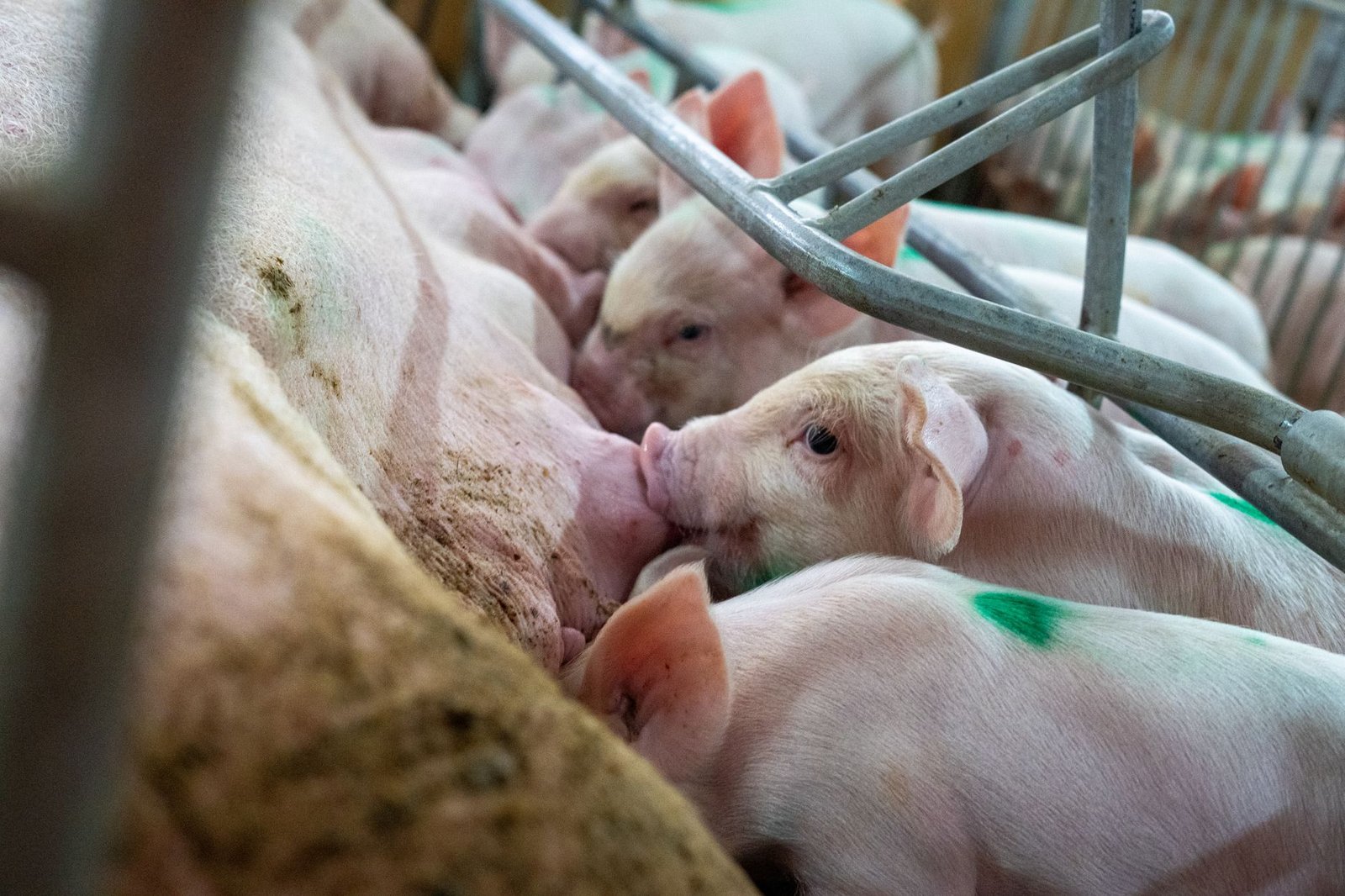
Sow of Lavinium: Ancient Roman Myth and Symbolism
The **Sow of Lavinium** is a striking omen in Roman foundation legend, when a white sow with thirty piglets was said to appear at Lavinium, signaling divine approval of Aeneas’s settlement in Latium. Brief in the sources but rich in meaning, the episode links prophecy, place, and dynastic destiny, inviting closer attention to Rome’s mythical beginnings.

Larvae: Definition, Stages, and Life Cycle Explained
Larvae are the immature, often free-living stages of many animals, including insects, amphibians, and marine invertebrates, and they can differ strikingly from the adult in form, habitat, and diet. Their role in metamorphosis, dispersal, and ecological survival makes larvae a vital subject in biology, with surprising importance across agriculture, medicine, fisheries, and evolution.
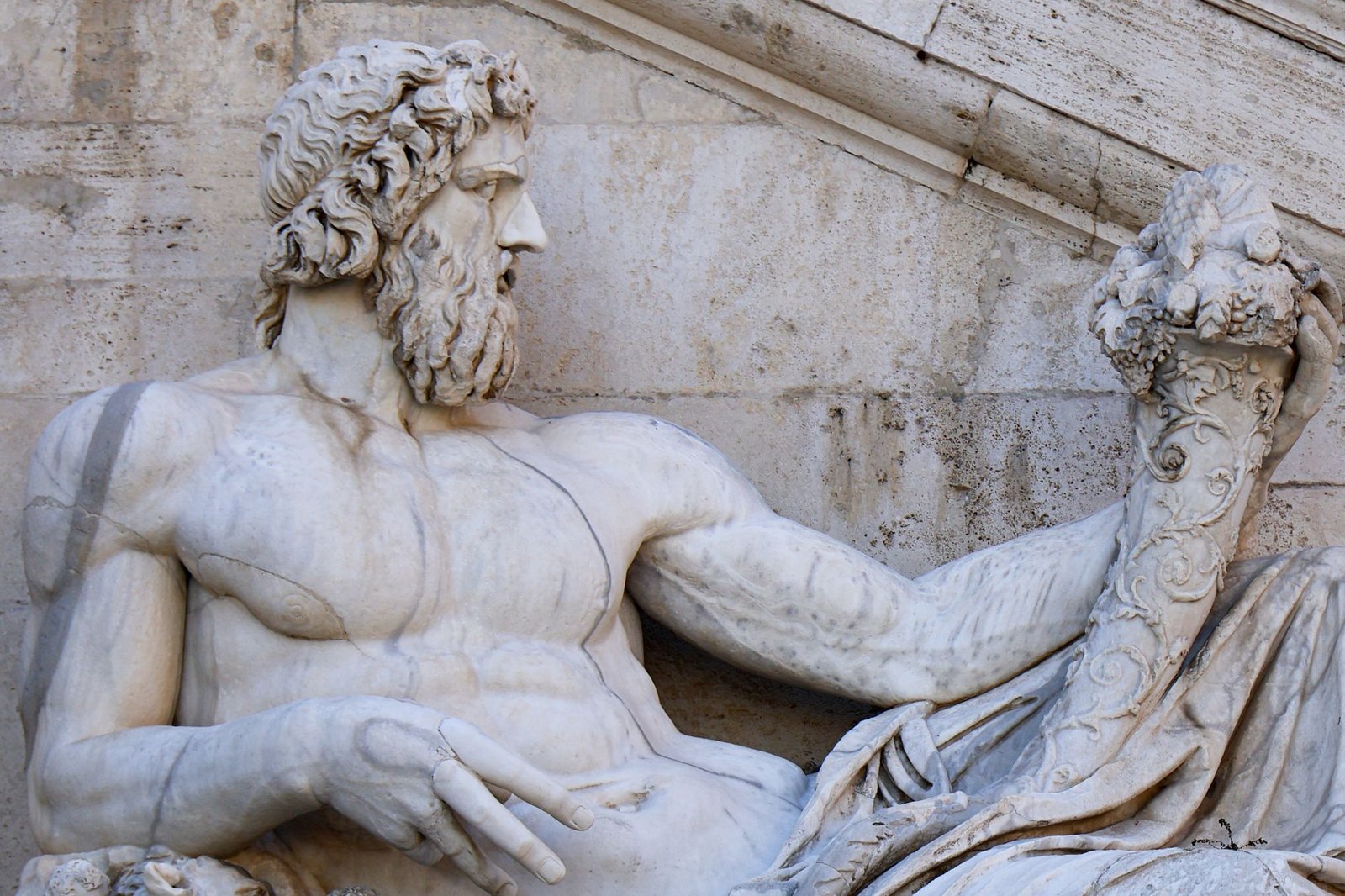
Cacus: Mythological Figure in Roman Legend
Cacus is a formidable figure in Roman mythology, remembered as a fire-breathing cave-dweller who stole Hercules’ cattle and was slain for his crime. His story, set near the Aventine Hill and the Forum Boarium, reveals how Roman legend tied heroic conflict to the sacred landscape and the shaping of early identity.
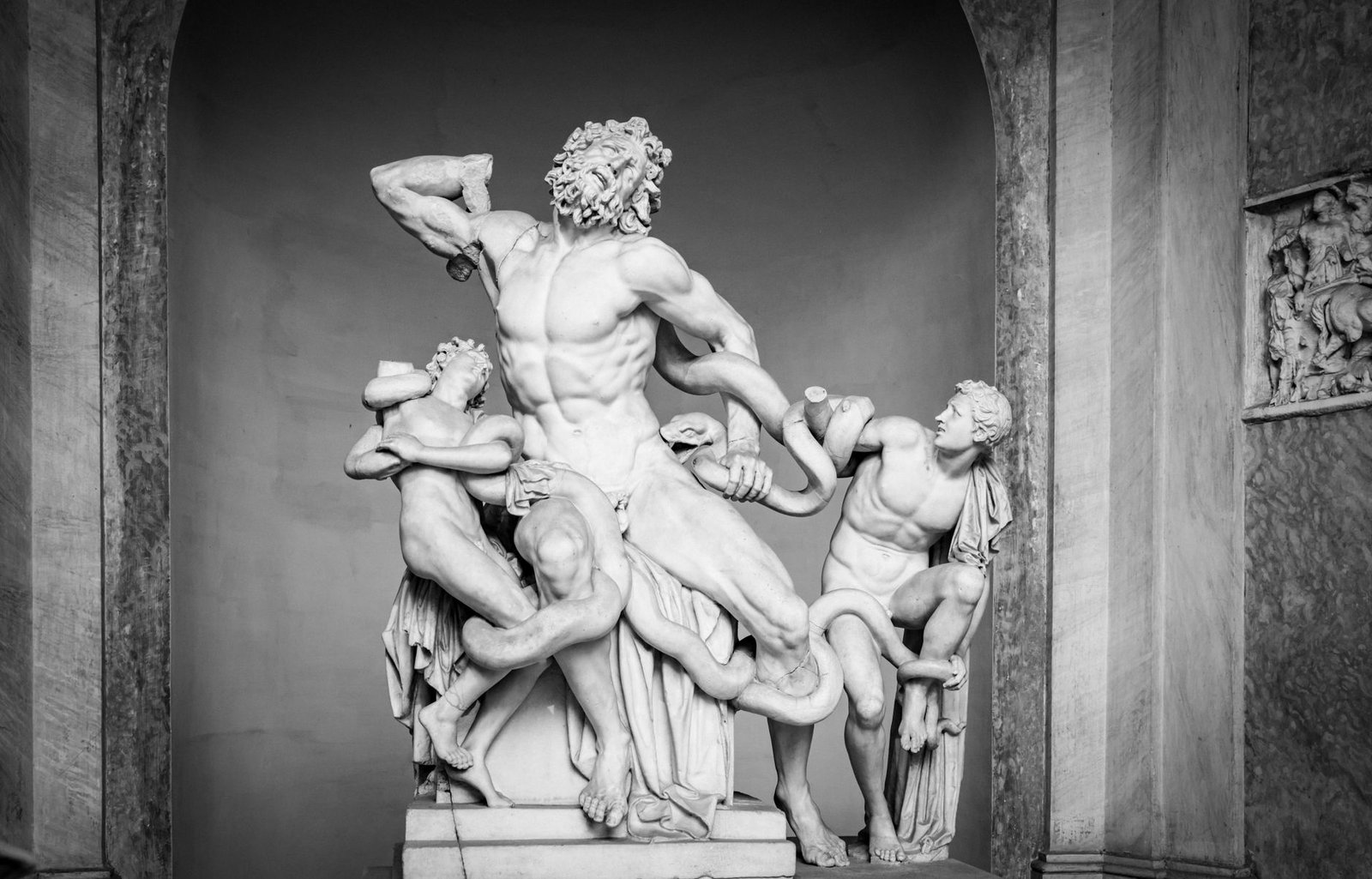
Serpents of Laocoön: Meaning, Myth, and Artistic Significance
The Serpents of Laocoön are central to a celebrated Greek myth in which divine snakes punish Laocoön, a Trojan priest, and his sons after he warns against the wooden horse. This episode became a lasting symbol in art and literature, shaping interpretations of fate, suffering, and the peril of defying the gods.
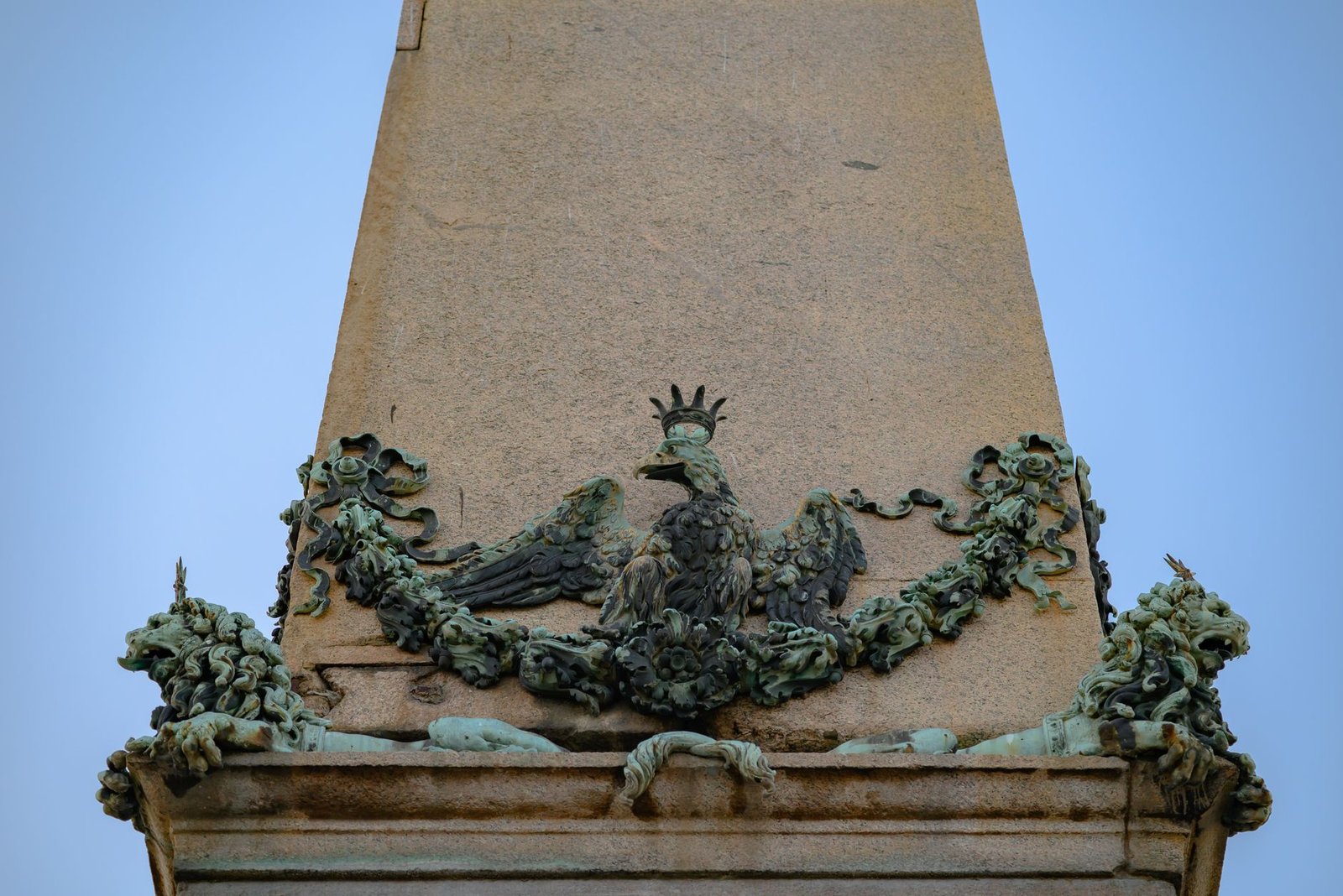
Aquila (Roman Eagle Standard): Roman Military Symbol
The **aquila**, or Roman eagle standard, was the sacred emblem of a legion, symbolizing honor, unity, and Rome’s divine authority. From its uncertain rise in the Marian reforms to its role as a prized battlefield object, its story reveals why losing—or recovering—an aquila could define a legion’s fate.
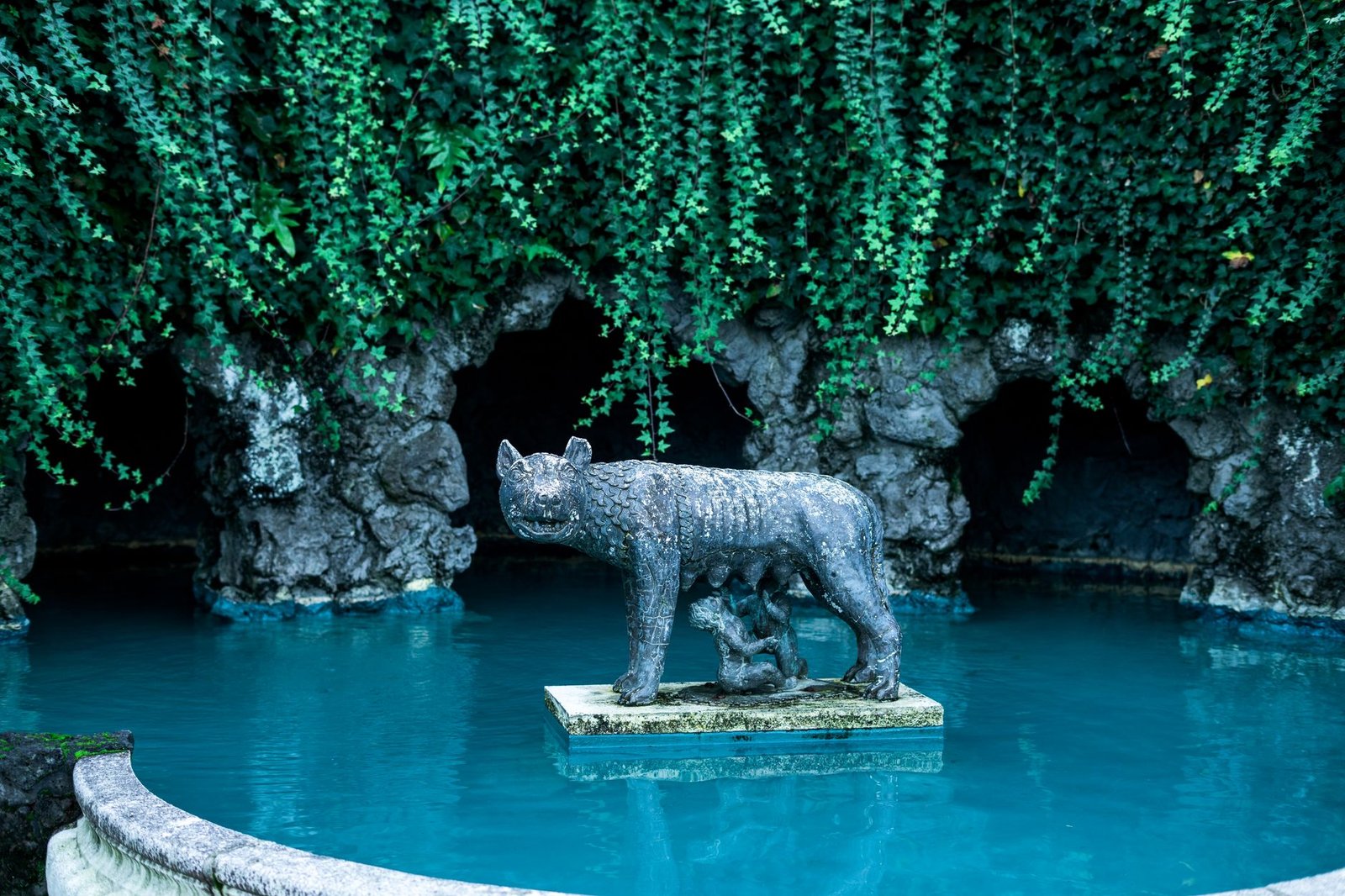
She-Wolf of Rome (Lupa Capitolina): History and Meaning
The She-Wolf of Rome, or Lupa Capitolina, is a powerful emblem of the city’s legendary origins, combining the myth of Romulus and Remus with a bronze image that has shaped Roman identity for centuries. Its debated dating, layered meanings, and enduring political and artistic influence reveal why this familiar figure continues to invite closer study.

Wheel of Fortuna: Meaning, Origins, and Symbolism
The Wheel of Fortuna is a lasting symbol of fate’s unpredictability, linking Roman ideas of Fortuna with medieval philosophy, literature, and art. Its turning wheel captures the rise and fall of human fortune, inviting readers to explore how this powerful image shaped Western ideas of luck, destiny, and loss.

Two Faces of Janus: Meaning, Symbolism, and Origins
Two Faces of Janus is a concise entry into the Roman god whose double gaze symbolized thresholds, beginnings, endings, and the passage between states. This excerpt explores his religious role, the likely connection of his name to doors and January, and the lasting influence of Janus as a sign of transition, duality, and time.

Key of Janus: Meaning, Symbolism, and History
The Key of Janus is a symbolic attribute of the Roman god of beginnings, transitions, and thresholds, expressing authority over access, protection, and the opening or closing of sacred and everyday spaces. Understanding this emblem leads into Janus’s wider significance in Roman religion, where gates, time, and passage reveal a deity central to moments of change.
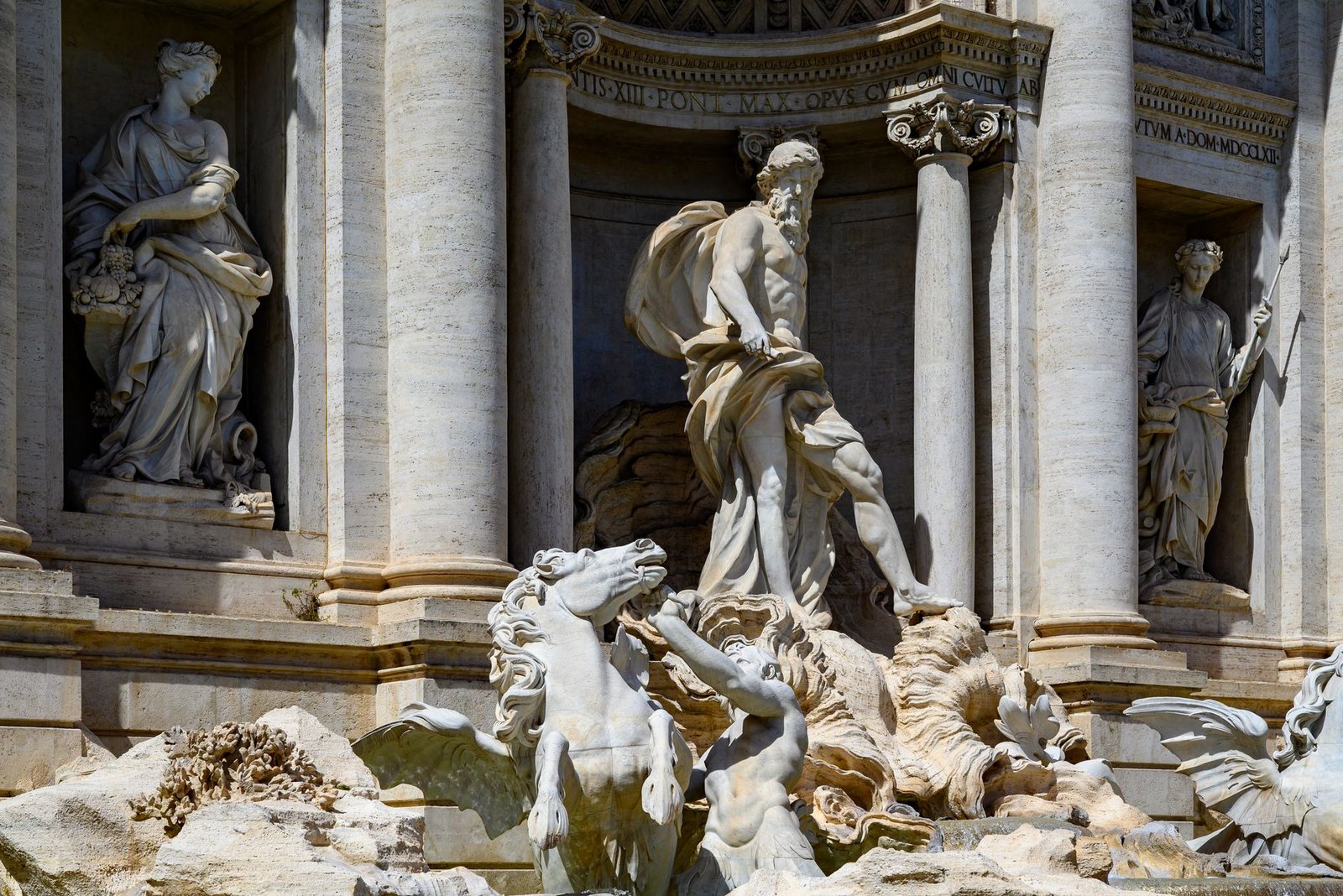
Lares and Penates: Roman Household Gods and Deities
Lares and Penates were central to ancient Roman religion, embodying the protective spirits of the home, its provisions, and, at times, the wider civic community. Though often mentioned together, these distinct divinities reveal how Romans understood domestic security, ancestral continuity, and the sacred life of everyday space.