Greek mythology
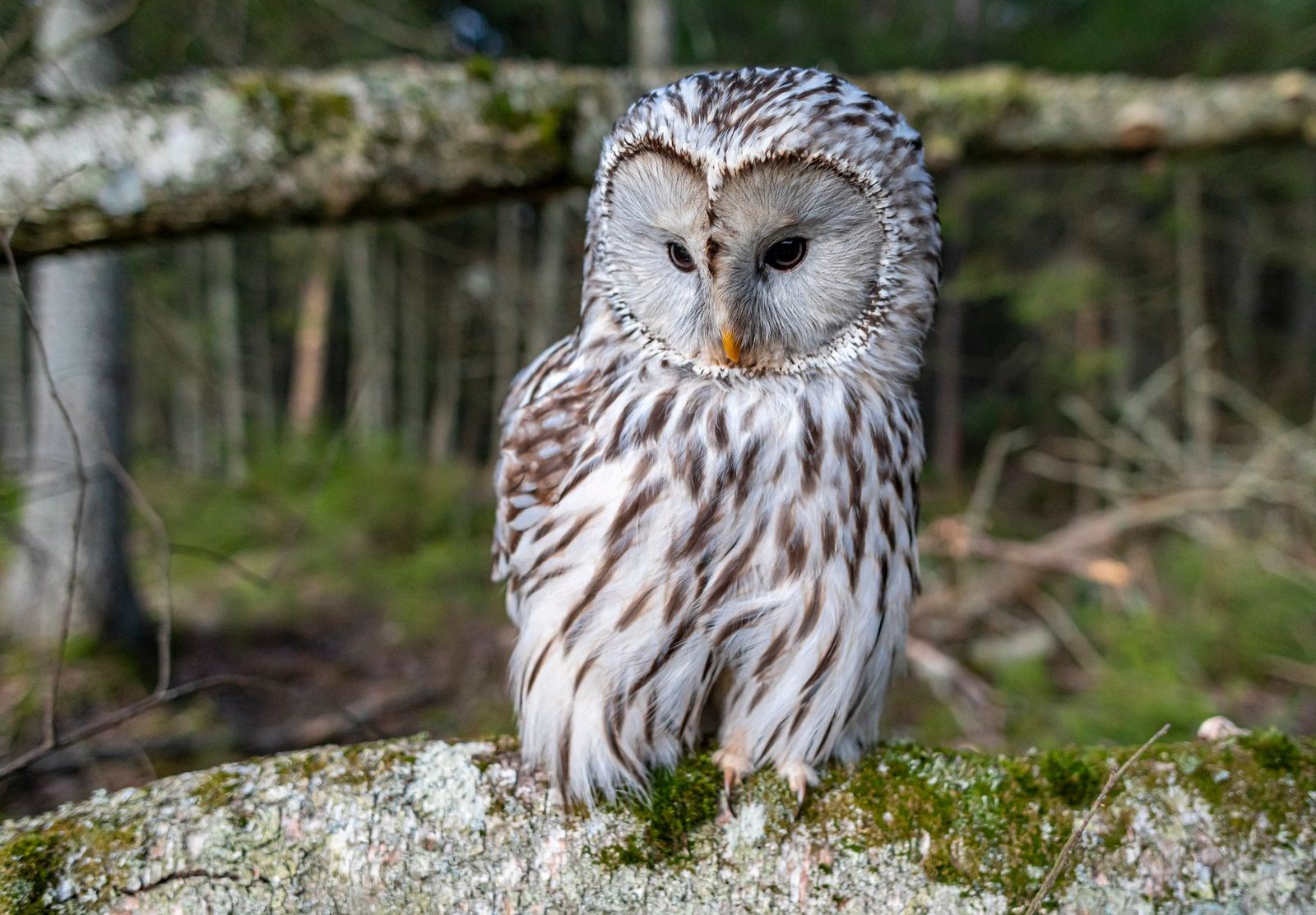
Strix (Striges): Owl Genus and Ancient Mythology
Strix (Striges) refers to a feared creature of Greco-Roman antiquity, described variously as a monstrous owl, night demon, or witch-like being that threatened children and drained blood. Tracing its shifting meanings across literature, magic, and folklore reveals how the strix helped shape later ideas of witches, omens, and nocturnal supernatural beings.
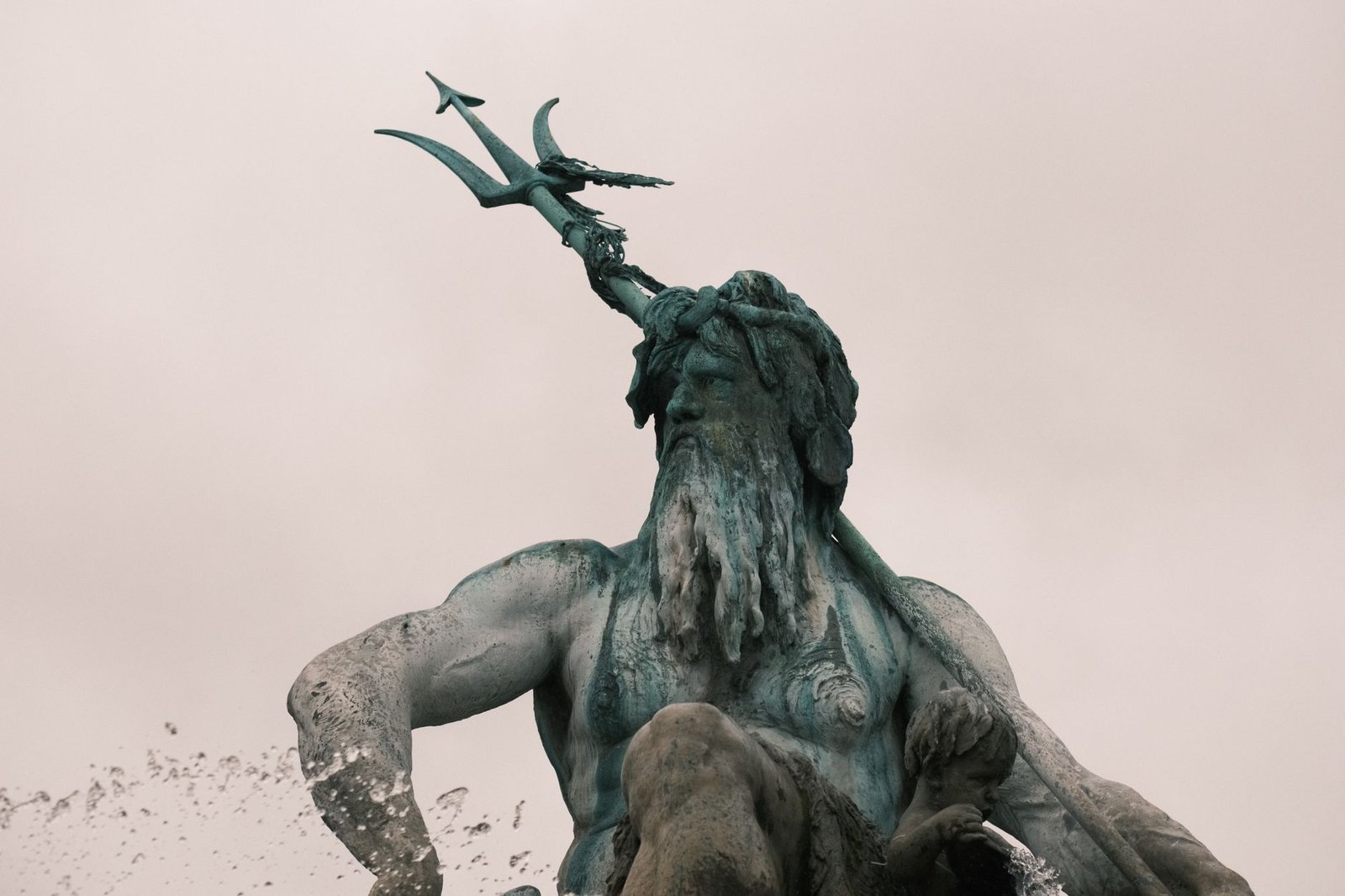
Charon: Definition, Mythology, and Significance
Charon, the grim ferryman of Greek mythology, carries souls across the boundary between the living world and the underworld, embodying passage, loss, and the finality of death. From ancient funerary beliefs to later literature and art, his enduring presence invites a closer look at how Greeks imagined the soul’s journey beyond life.
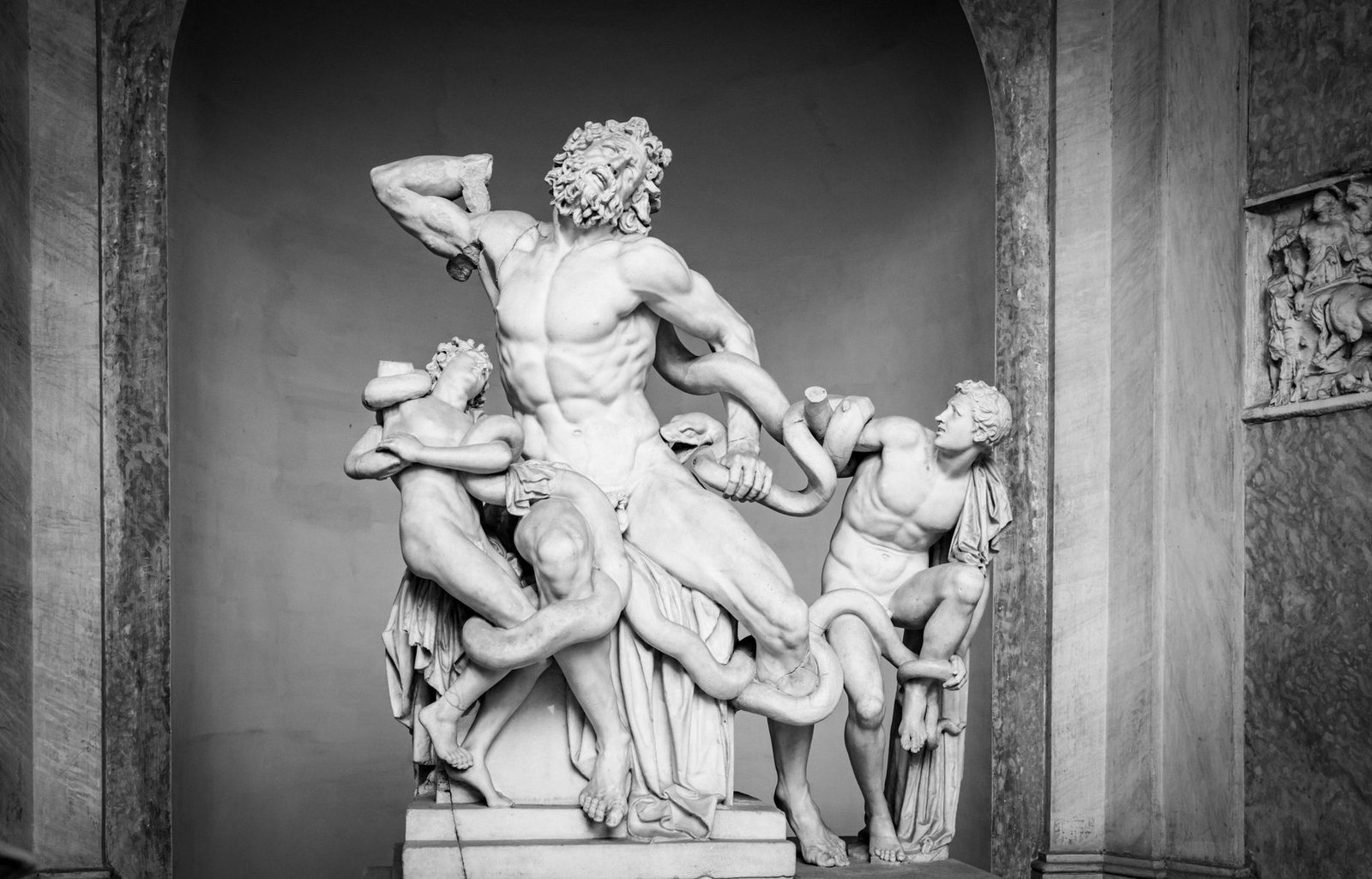
Greek vs Roman Monster Traditions: Key Differences
The difference between Greek and Roman monster traditions lies in more than the creatures themselves, reflecting distinct literary, religious, and cultural contexts that shaped how monsters were understood. This article examines how Greek myth, Roman adaptation, and the Latin idea of *monstrum* transformed beings of chaos into symbols of warning, identity, and power.
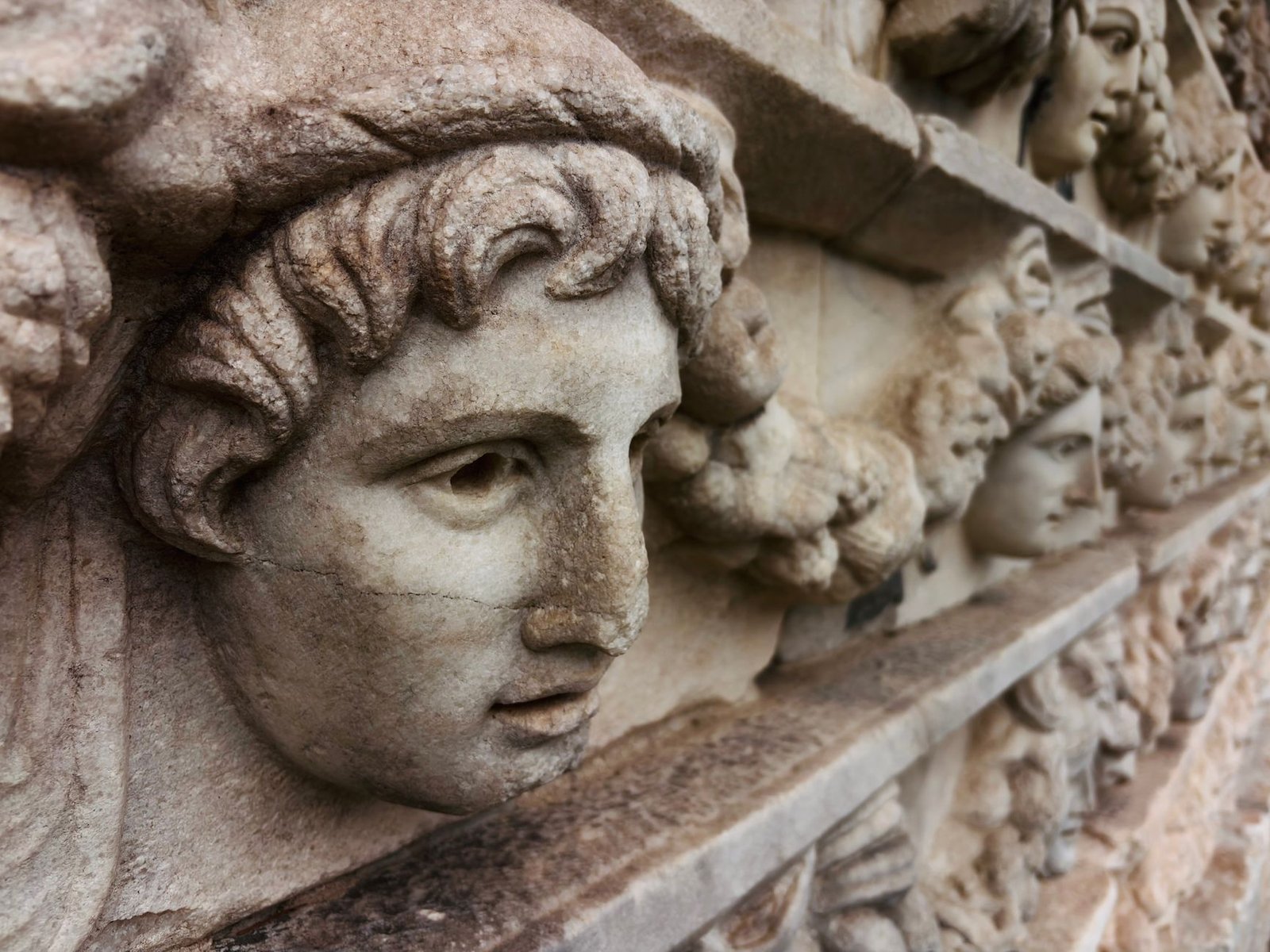
Furies (Furiae/Dirae): Roman Mythology and Vengeance
The Furies, or Furiae and Dirae in Roman tradition, are powerful figures in Greco-Roman mythology who embody vengeance, guilt, and the pursuit of justice after grave wrongdoing. This article explores their origins, meanings, and enduring role in literature and culture, revealing why these fearsome avengers remain central to ancient ideas of law, ethics, and punishment.
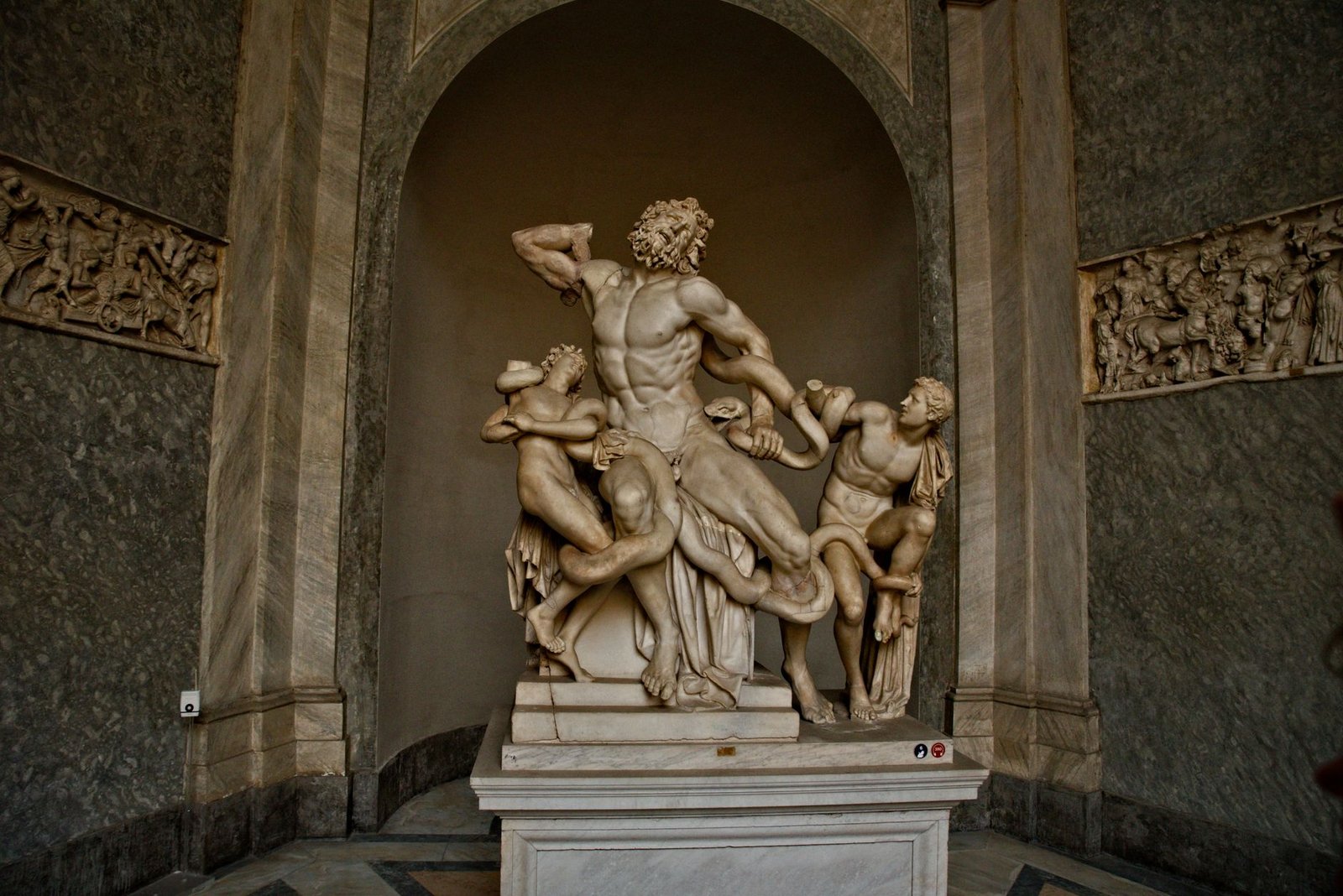
Fauns: Mythology, Meaning, and Cultural Origins
Fauns are enduring figures of Greco-Roman mythology and later European art, associated with forests, pastures, fertility, and the untamed edges of civilization. Blending Roman and Greek traditions, the article traces their origins in Faunus, their links to satyrs and Pan, and their later transformation into symbols of instinct, wilderness, and the mysterious life of the woods.

Incubus: Definition, Origins, and Cultural History
An incubus is a malevolent supernatural figure from European folklore, traditionally described as a demon that visits sleepers, especially women, in the night. Tracing its roots through medieval demonology, older nocturnal spirit beliefs, and explanations for sleep paralysis and erotic dreams, the incubus reveals how societies linked desire, fear, and the supernatural.
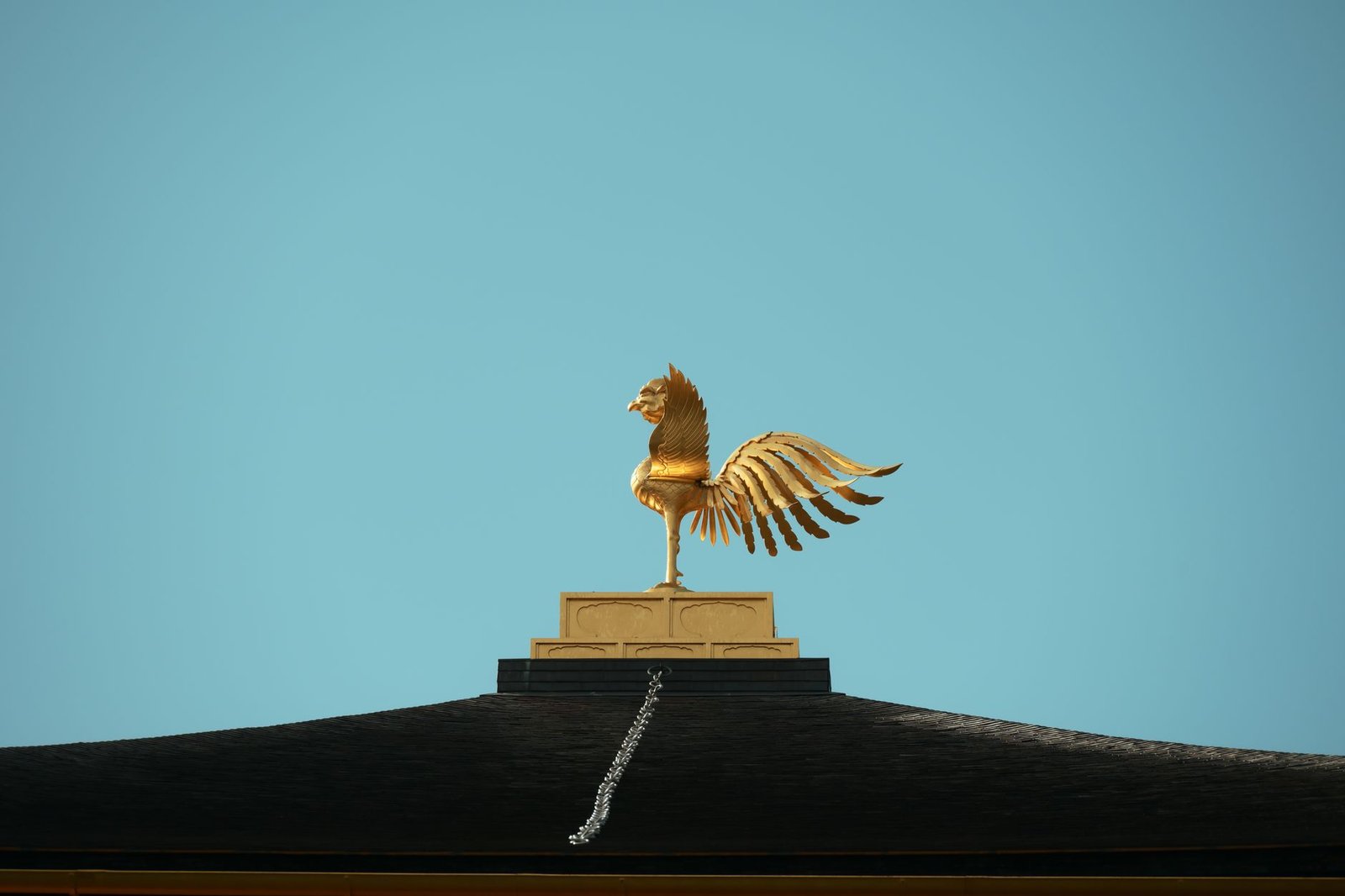
Roman Phoenix: History, Mythology, and Symbolism
The Roman Phoenix was not a distinct deity but a powerful mythic symbol in Roman religion, literature, art, and imperial imagery, representing renewal, immortality, and the continuity of empire. Traced through Greek and Egyptian influences and reinterpreted by Roman writers and rulers, its meaning reveals how ancient Rome used the phoenix to express endurance after crisis and the promise of restoration.
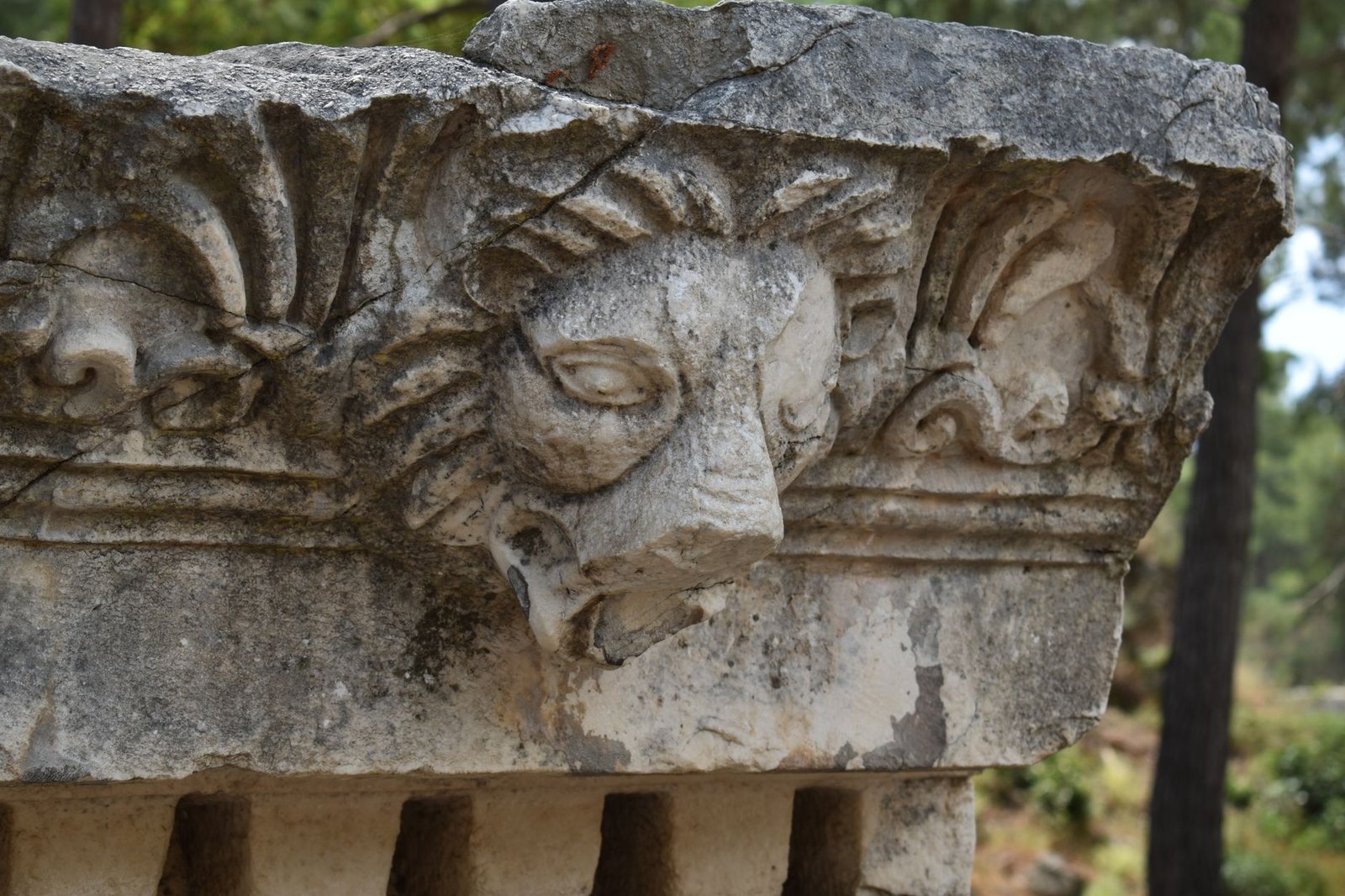
Roman Manticore: Mythology, Origins, and Symbolism
The Roman manticore is a striking example of how classical writers transformed eastern marvels into part of their own encyclopedic world, blending Greek natural history, Persian lore, and Roman curiosity. This article traces its shifting name, fearsome appearance, and literary afterlife, revealing why the creature endured as a powerful symbol of the exotic and monstrous.
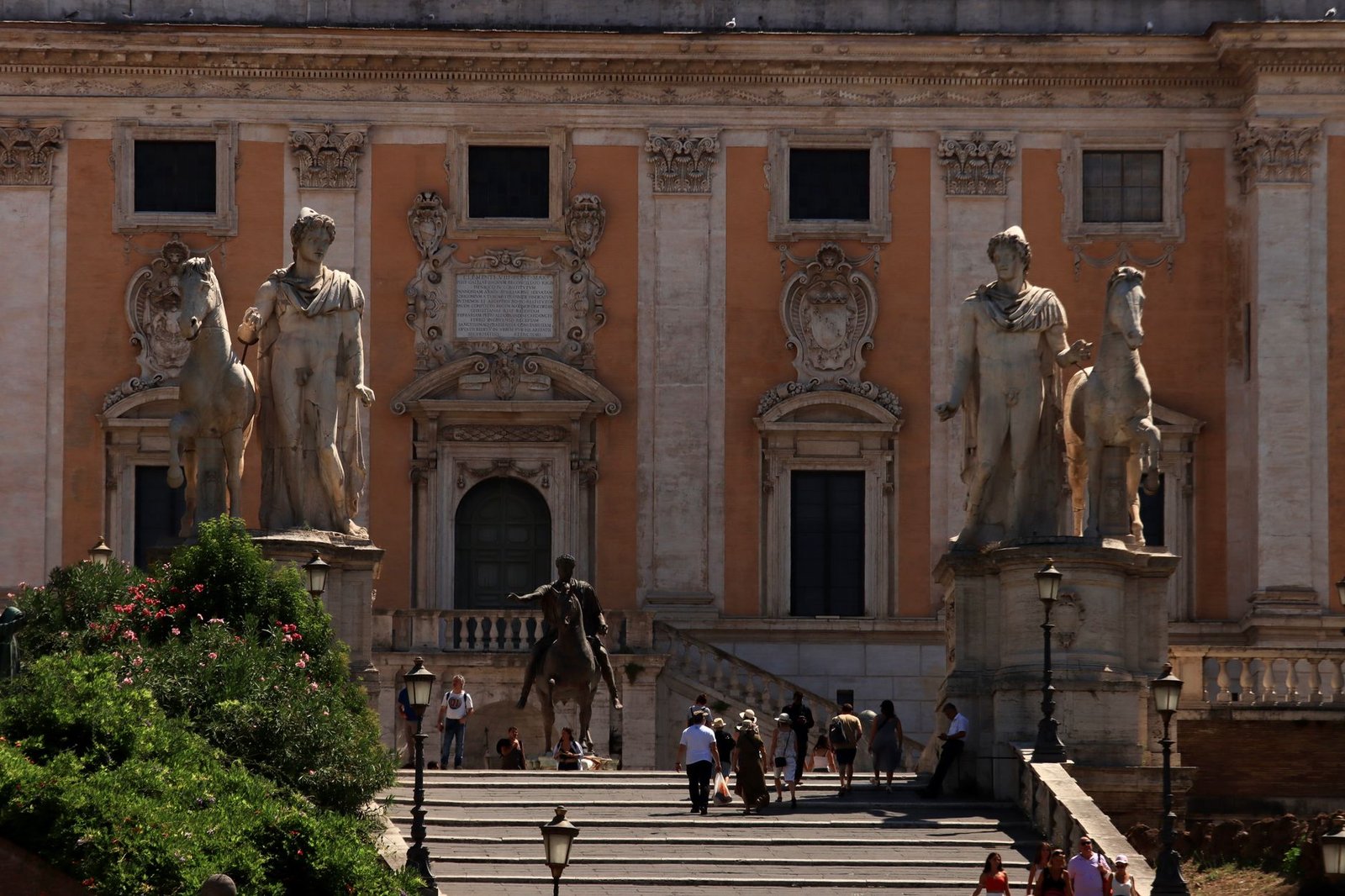
Capitoline Geese: History, Legend, and Roman Significance
The Capitoline Geese are remembered in Roman tradition as the temple birds whose sudden cries warned the city of a Gallic assault on the Capitoline Hill, an episode that became a lasting emblem of vigilance and divine protection. Blending legend, religion, and civic memory, their story reveals how ancient Romans understood sacred animals and omens—and why this celebrated tale continued to resonate long after the siege itself.
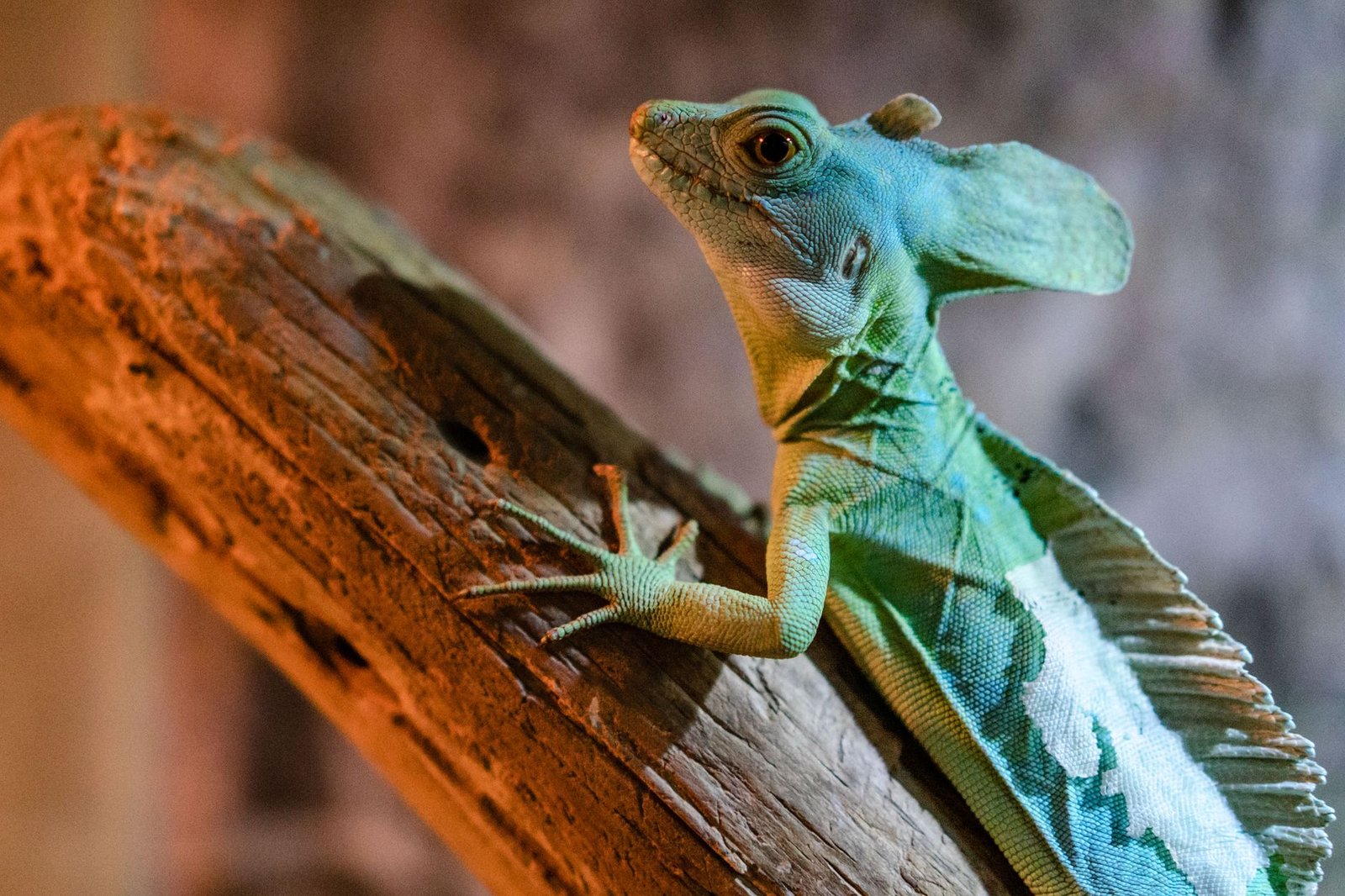
Roman Basilisk: History, Myth, and Symbolism
The Roman basilisk was not a formal deity, but a legendary serpent absorbed from Greek lore into Roman literature, natural history, and moral writing. Famous for its lethal gaze and royal name, the Roman basilisk reveals how antiquity blended observation, myth, and wonder in describing the world’s most feared creatures.