Hermes

Caduceus of Mercury: Meaning, Symbol, and History
The caduceus of Mercury is a herald’s staff entwined with two serpents, often crowned by wings, and in classical mythology it signified messengership, safe conduct, negotiation, and practical intelligence. Though frequently mistaken for the symbol of healing, its history is distinct from the Rod of Asclepius, and its long artistic and cultural afterlife reveals why this ancient emblem still invites careful study.

Winged Sandals of Mercury (Talaria): Mythological Guide
The Winged Sandals of Mercury, or talaria, are a striking symbol of divine speed in Greco-Roman mythology, most closely linked with Mercury and Hermes. This article explores their shifting ancient descriptions, their meanings of mobility and authority, and the enduring role they play in art, literature, and cultural imagination.
Mercury (Roman God): Roman Mythology and God of Commerce
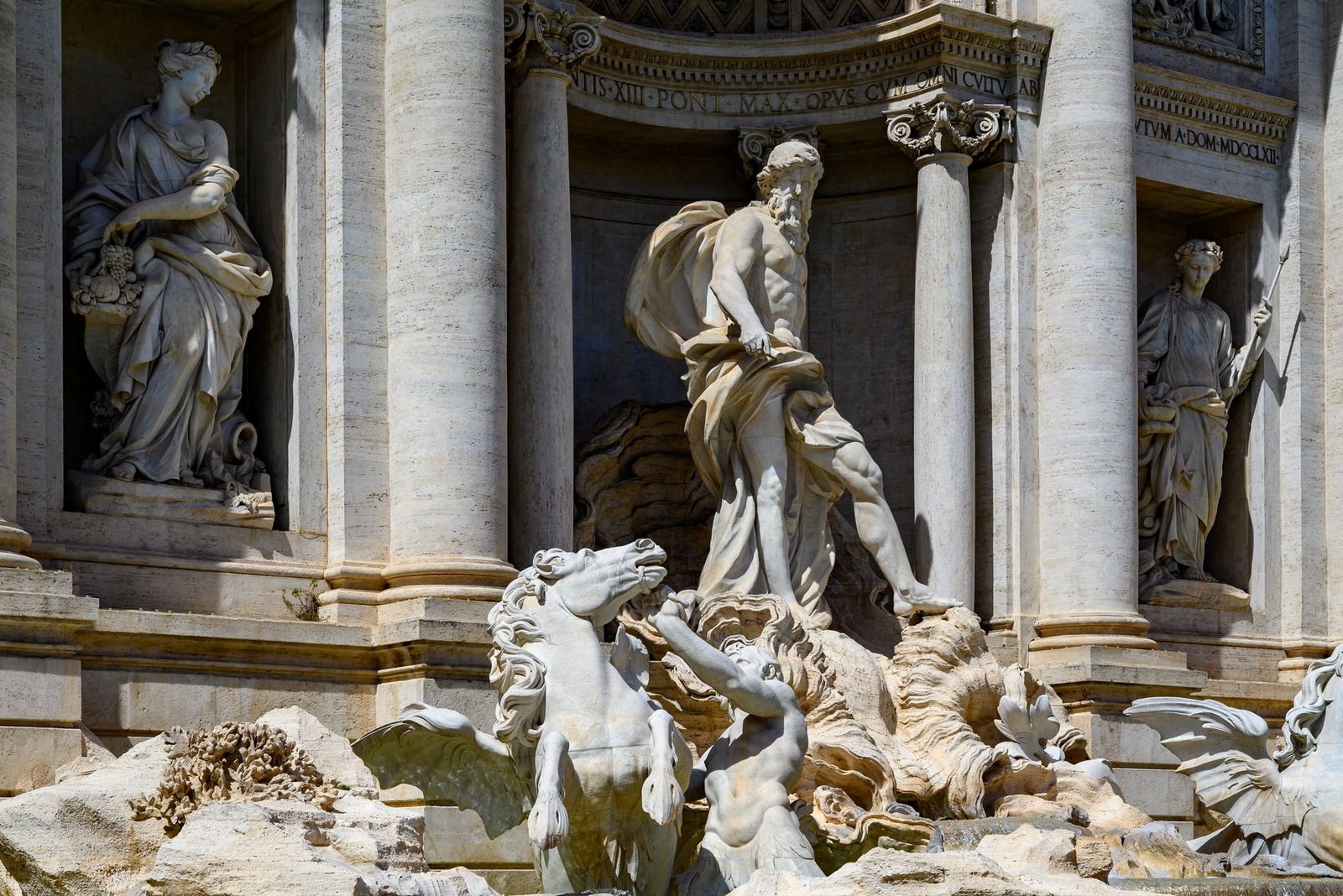
Mercury was one of the most important gods in the Roman pantheon, linked to trade, travel, eloquence, negotiation, and the swift exchange of goods and messages. Though often identified with Hermes, Mercury developed a distinctly Roman character shaped by commerce, civic life, and his enduring role as both divine messenger and guide across boundaries.

Caduceus: Meaning, Symbolism, and History
The caduceus is an ancient symbol of Hermes and Mercury, shown as a staff entwined by two serpents and often topped with wings. Though now widely associated with medicine, its history is rooted in heraldry, commerce, diplomacy, and myth, raising questions about how its meaning shifted over time.
Hermes’s Winged Sandals: Meaning, Myth, and History
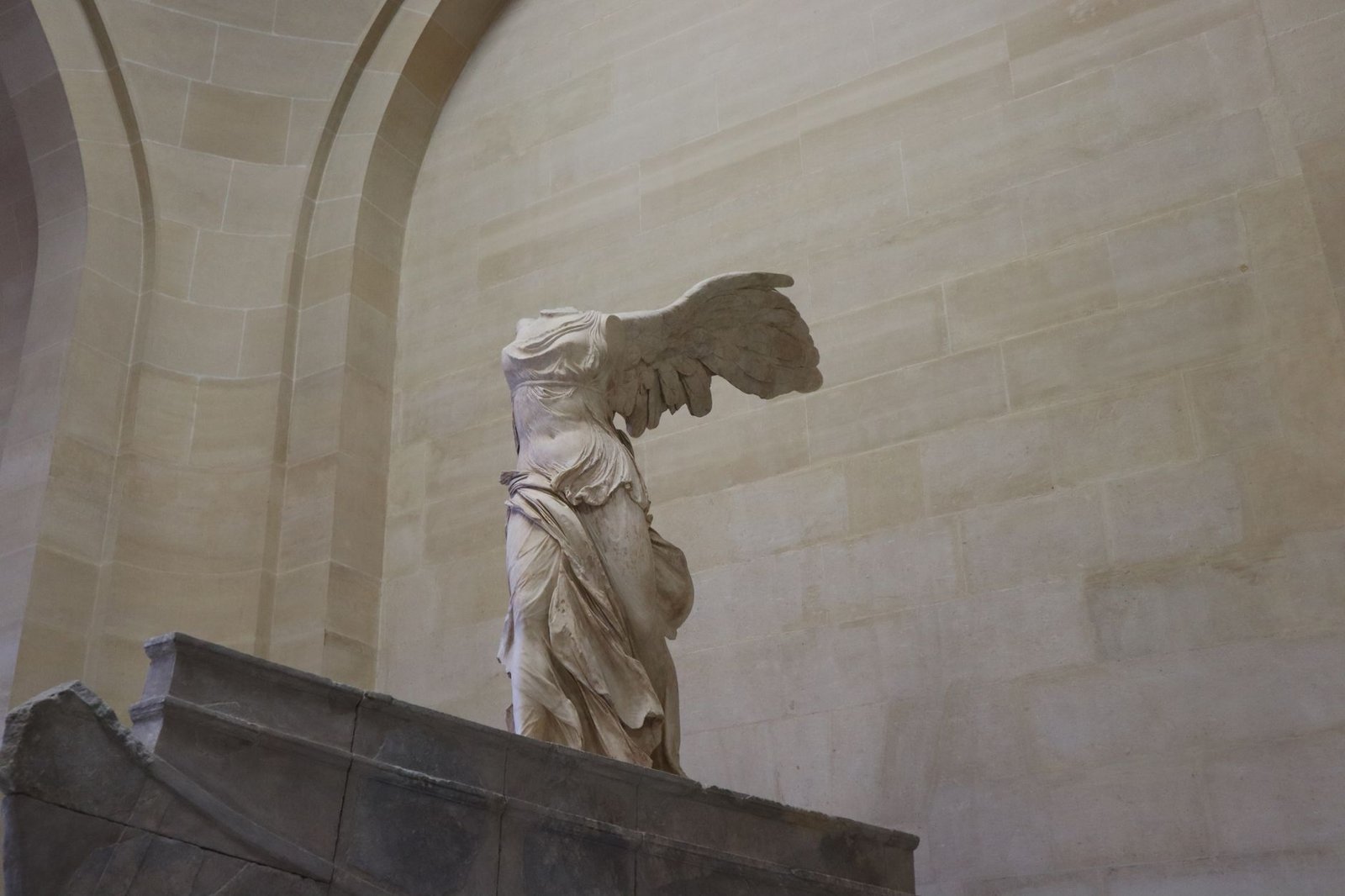
Hermes’s Winged Sandals are among the most enduring symbols of Greek mythology, embodying the god’s unmatched speed, mobility, and role as divine messenger. This article examines their literary origins, shifting descriptions in ancient sources, and the symbolism that turned them into a lasting emblem of rapid communication and boundary-crossing.
Herm Island: History, Geography, and Visitor Guide
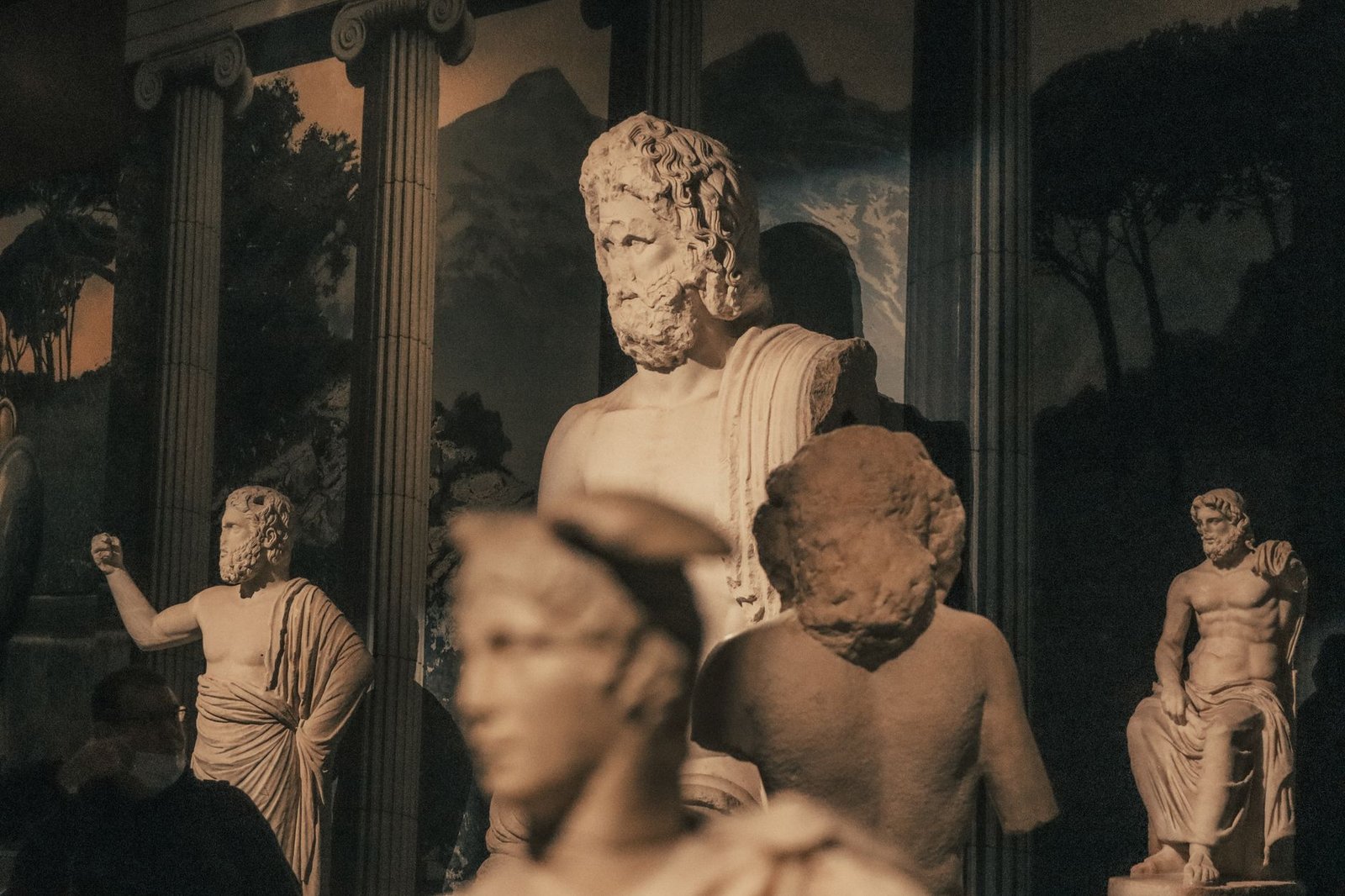
A herm was a distinctive stone boundary marker of the ancient Greek world, usually shaped as a squared pillar crowned by the head of Hermes and placed at roads, crossroads, and thresholds. Blending practical purpose with religious meaning, the herm reveals how Greeks understood travel, protection, and sacred space, and its later adaptations invite closer inspection.

Caduceus vs Staff of Asclepius: Meaning and Differences
The **Caduceus vs Staff of Asclepius** distinction is a classic case of symbol confusion: one belongs to Hermes, the messenger and patron of commerce, while the other is the ancient emblem of healing linked to Asclepius. Exploring their origins, imagery, and later misuse reveals how a single visual detail can reshape meanings across medicine, mythology, and modern culture.
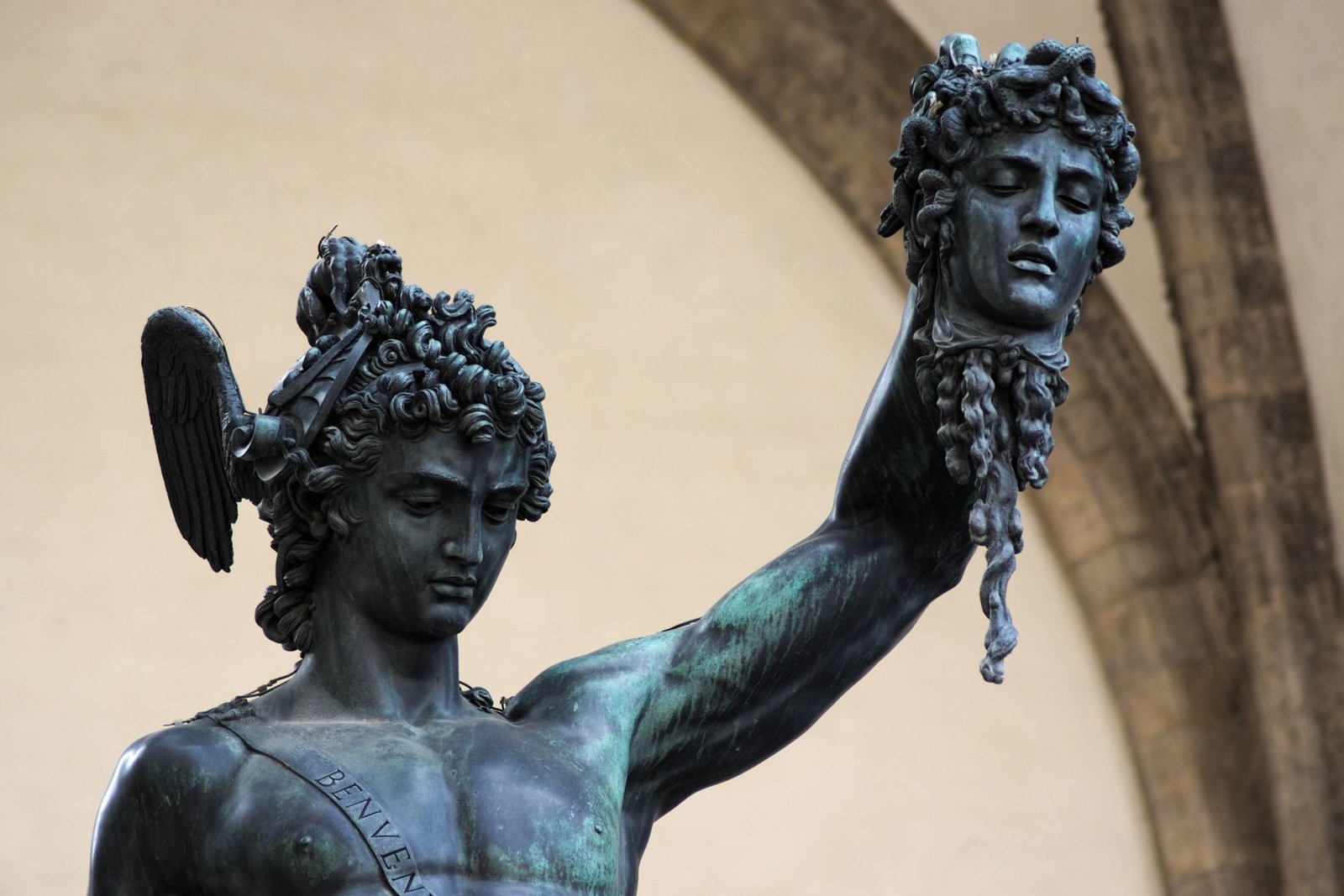
Perseus and Medusa: Greek Mythology Story and Meaning
Perseus and Medusa is a foundational Greek myth in which a divinely aided hero undertakes the perilous task of beheading the mortal Gorgon, Medusa, whose gaze turns living beings to stone. Across ancient and later retellings, the story explores heroism, danger, and the triumph of intelligence over force, inviting readers to trace its deeper meanings and enduring cultural influence.