Hesiod Theogony

Typhon and Echidna: Why So Many Monsters Descend From Them
In Greek mythology, the focus keyword explains how Typhon and Echidna came to be cast as the progenitors of a remarkable line of monsters, from Cerberus and the Hydra to the Chimera and beyond. Their family tree is more than a catalogue of horrors: it reveals how the Greeks gave shape, order, and meaning to chaos, and why these figures remained central to mythic storytelling.
Castration of Uranus by Cronus: Greek Myth Explained
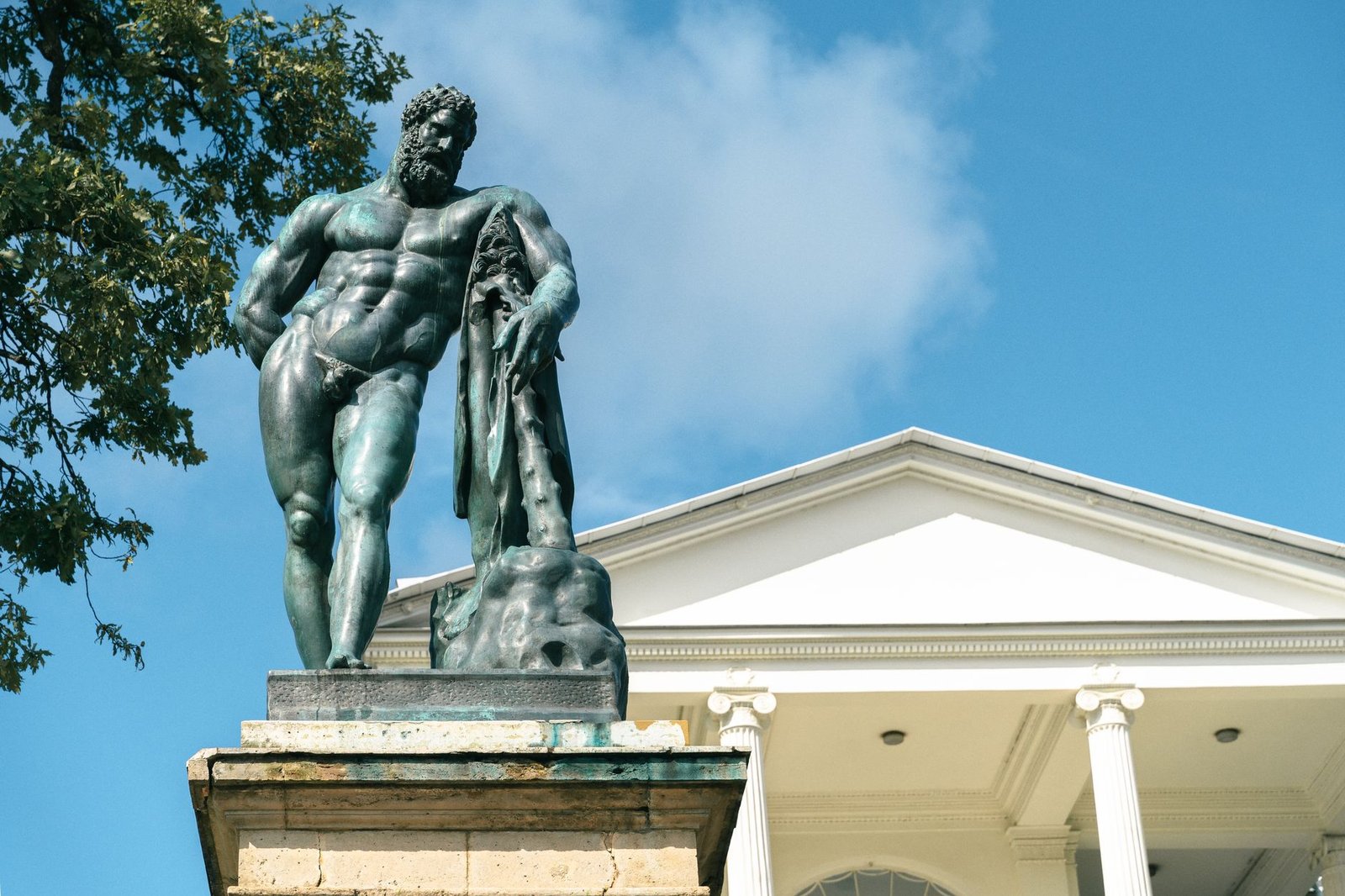
The castration of Uranus by Cronus is a pivotal Greek myth in which the Titan Cronus overthrows his father, the sky god Uranus, with a sickle or harpe, altering the divine order of the cosmos. Preserved most fully in Hesiod’s *Theogony*, the story illuminates themes of succession, violence, and cosmic separation, and its deeper meanings continue to invite close examination.
Cronus Swallowing His Children in Greek Mythology
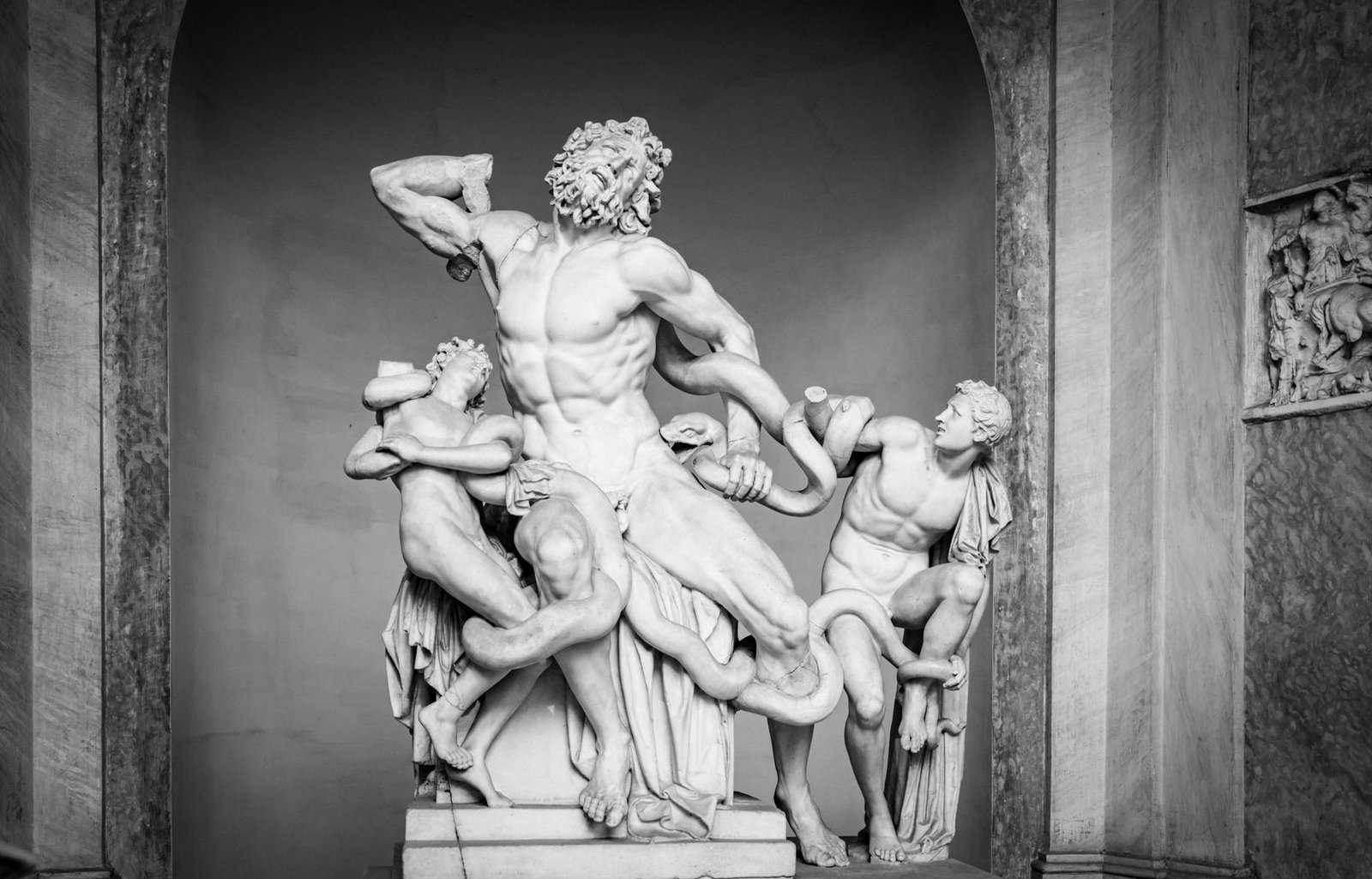
Cronus swallowing his children is a central episode in Greek mythology, depicting the Titan’s desperate attempt to prevent a prophecy of overthrow by consuming each newborn child. The story, preserved in Hesiod’s *Theogony*, reveals themes of power, succession, and fate, while setting the stage for Zeus’s survival and Cronus’s eventual defeat.

Birth of Aphrodite from the Sea: Greek Mythology Explained
The **birth of Aphrodite from the sea** tells how the goddess of love and beauty emerged from sea foam after a primordial divine conflict, fully formed and radiant near Cyprus or Cythera. Blending myth, symbolism, and ancient religious ideas, the story reveals Aphrodite’s origins, her association with fertility and desire, and the enduring artistic fascination that continues to invite closer study.
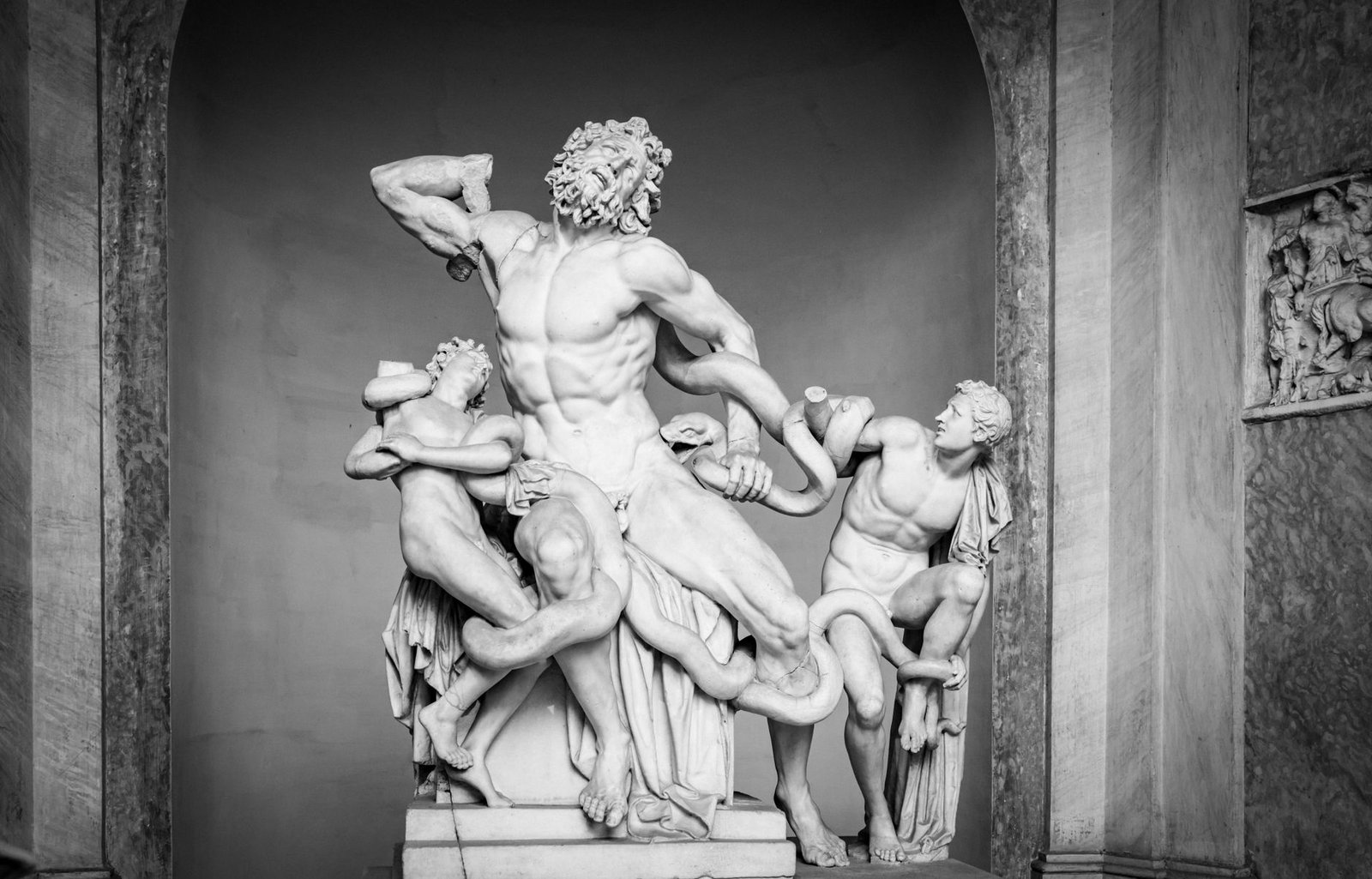
What Is Chaos in Greek Mythology? Origins and Meaning
Chaos in Greek mythology is the mysterious void that existed before the gods, Titans, earth, sky, and sea took shape. Discover how this ancient idea of a vast, formless beginning became the starting point of the Greek creation story.
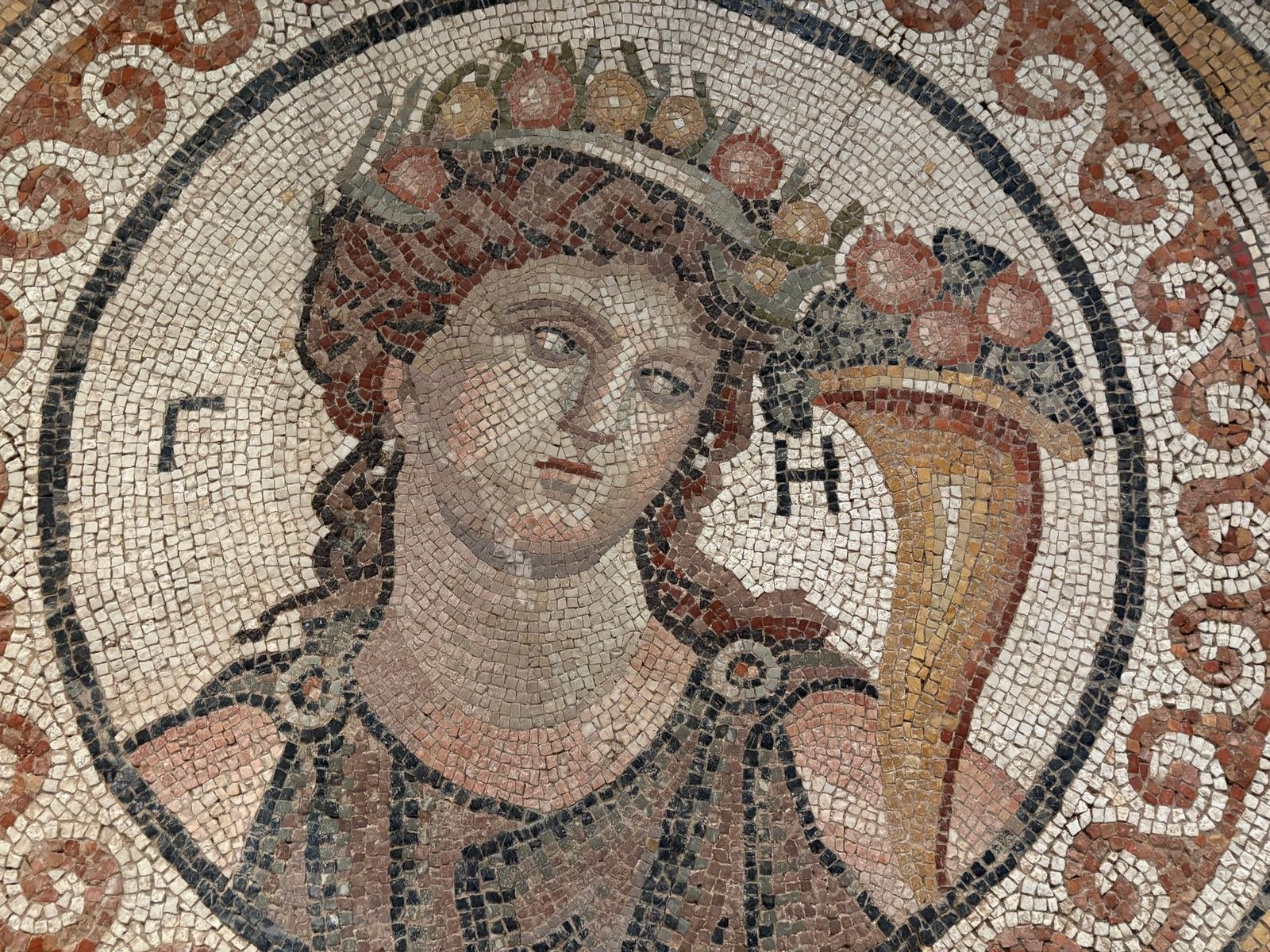
Who Is Gaia in Greek Mythology? Meaning, Myths, and Origins
Gaia in Greek mythology is the ancient Earth goddess and mother of countless gods, giants, and creatures. Her story reveals how the Greeks imagined creation, nature, and the powerful forces beneath the world itself.
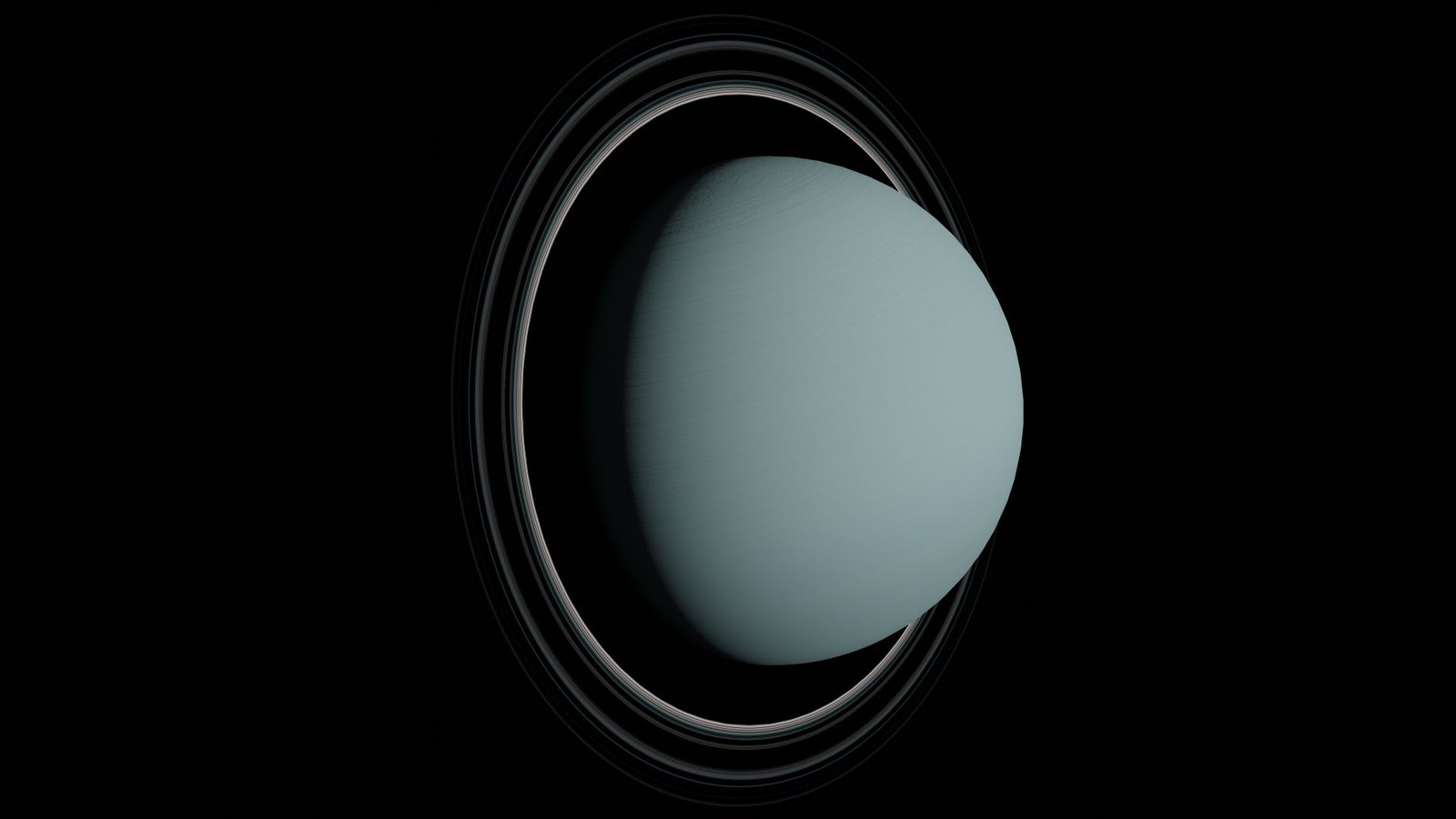
Who Is Uranus in Greek Mythology? A Quick Guide
Uranus in Greek mythology is the ancient sky god whose story begins the family drama of the Titans, Cronus, and eventually Zeus. As one of the first divine beings, he helps explain how the Greek cosmos took shape.
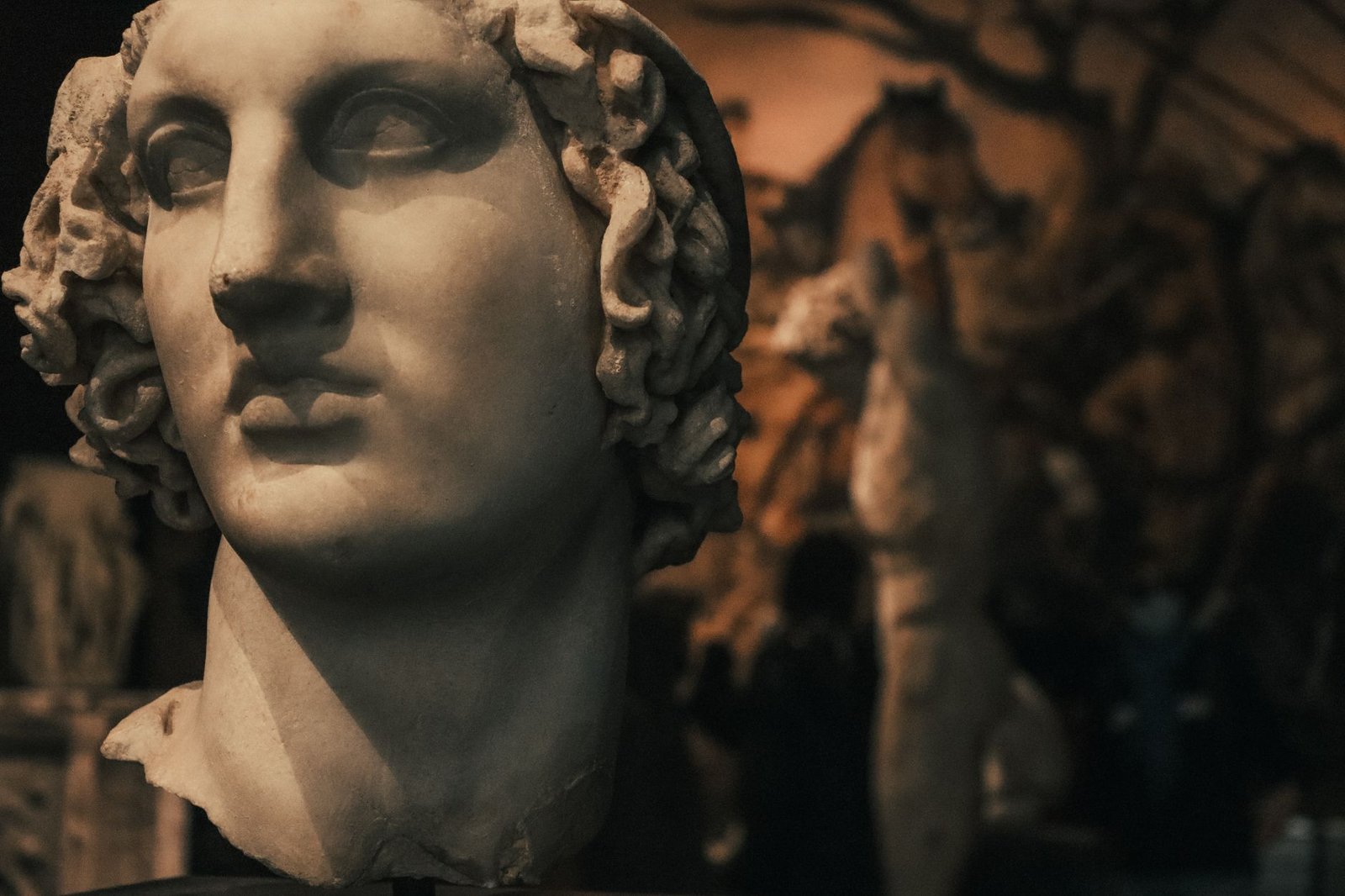
Who Is Nyx in Greek Mythology? Goddess of Night
Nyx in Greek mythology is the ancient goddess of night, a powerful primordial figure born from Chaos and respected even by Zeus. Mysterious and awe-inspiring, she represents darkness, dreams, and the hidden forces that shape the world.