Japanese religion
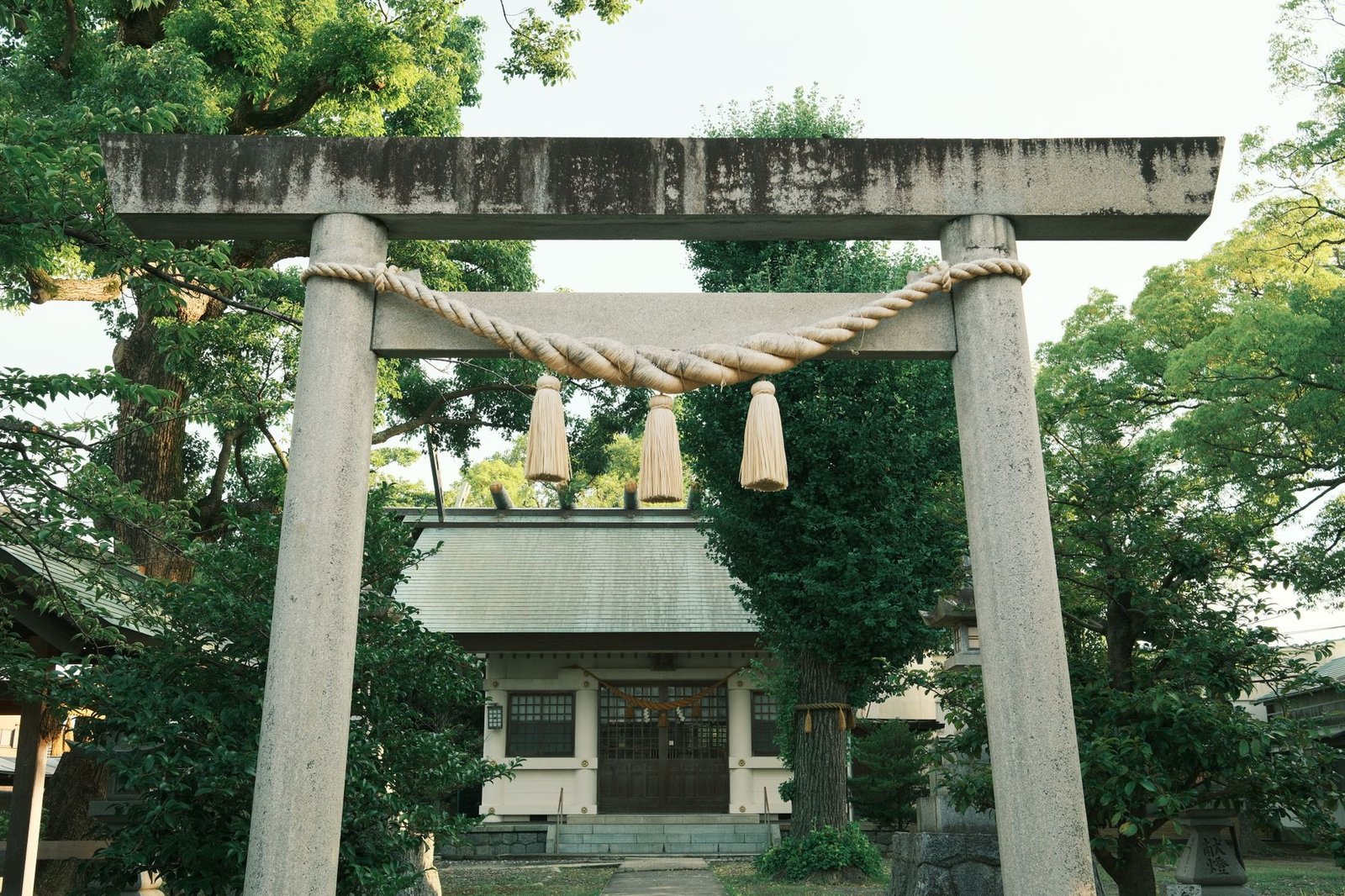
Sakaki Tree: Meaning, Uses, and Cultural Significance
The sakaki tree is an evergreen plant deeply embedded in Japanese religious life, especially in Shinto, where it marks sacred space, appears in offerings, and symbolizes purity and divine presence. Commonly identified with Cleyera japonica, its botanical identity, ritual use, and mythic associations reveal a tradition that is both practical and profoundly symbolic.

Difference Between Magatama and Yasakani No Magatama
The difference between magatama and Yasakani no Magatama is one of category and significance: magatama are curved beads found throughout ancient Japan, while the Yasakani no Magatama is a single, named example revered as part of the Three Imperial Regalia. This article explains their origins, materials, and symbolic roles, showing why one is a broad cultural form and the other a uniquely sacred imperial treasure.
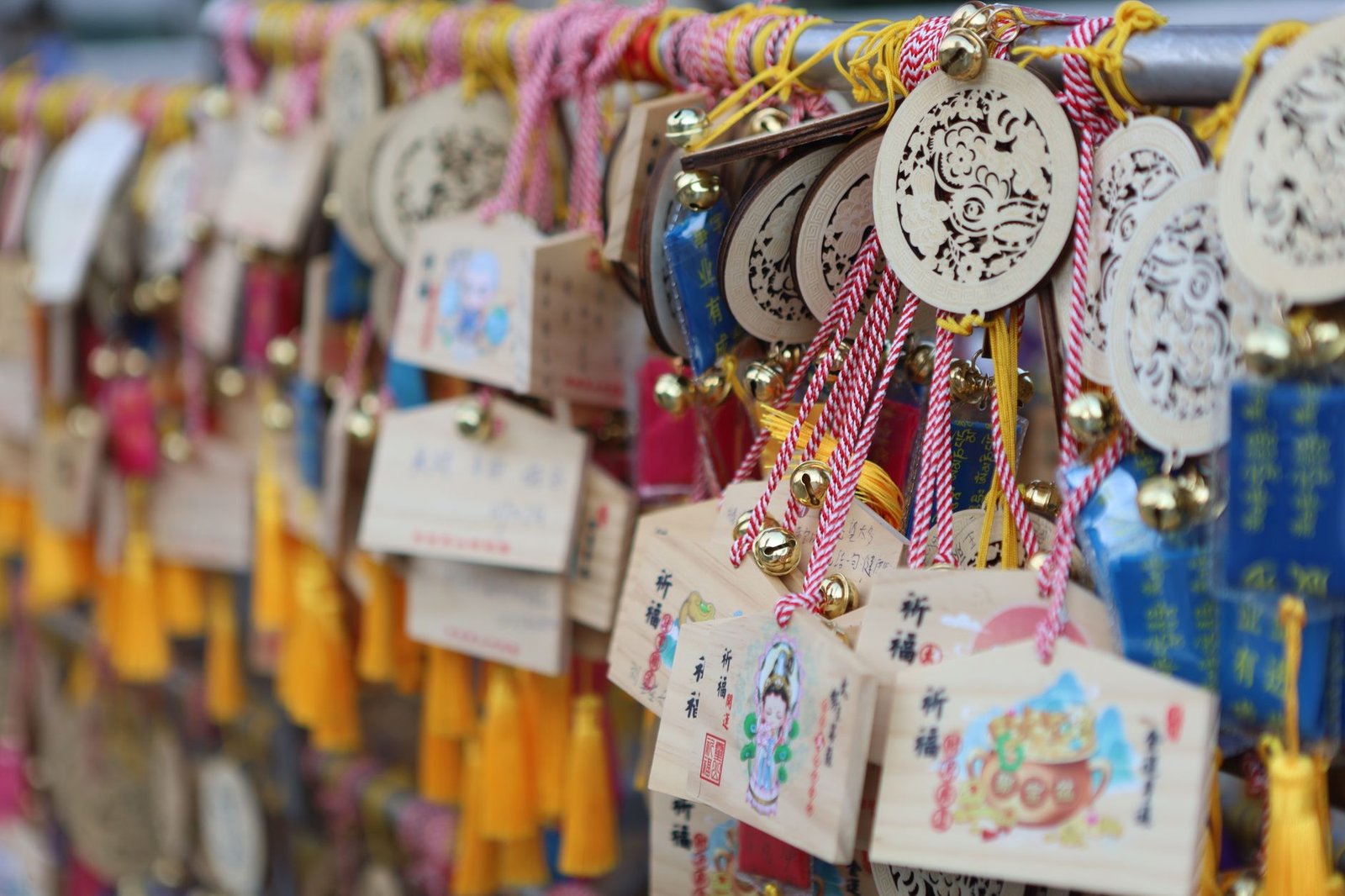
Omamori: Meaning, History, and Japanese Protection Charms
Omamori are Japanese protection charms found at shrines and temples, where they are believed to offer blessings for travel, health, study, and more. This article explains their meaning, religious origins, historical development, and continued role in Japanese life, revealing how a small pouch carries centuries of faith and tradition.

Are the Seven Lucky Gods All Originally Japanese?
The Seven Lucky Gods, or Shichifukujin, are a familiar feature of Japanese festivals, temple visits, and New Year customs, yet they are not all originally Japanese. This article explains how these widely revered figures formed a uniquely Japanese ensemble from Japanese, Buddhist, Hindu, Chinese, and Daoist sources—and why that blend matters.
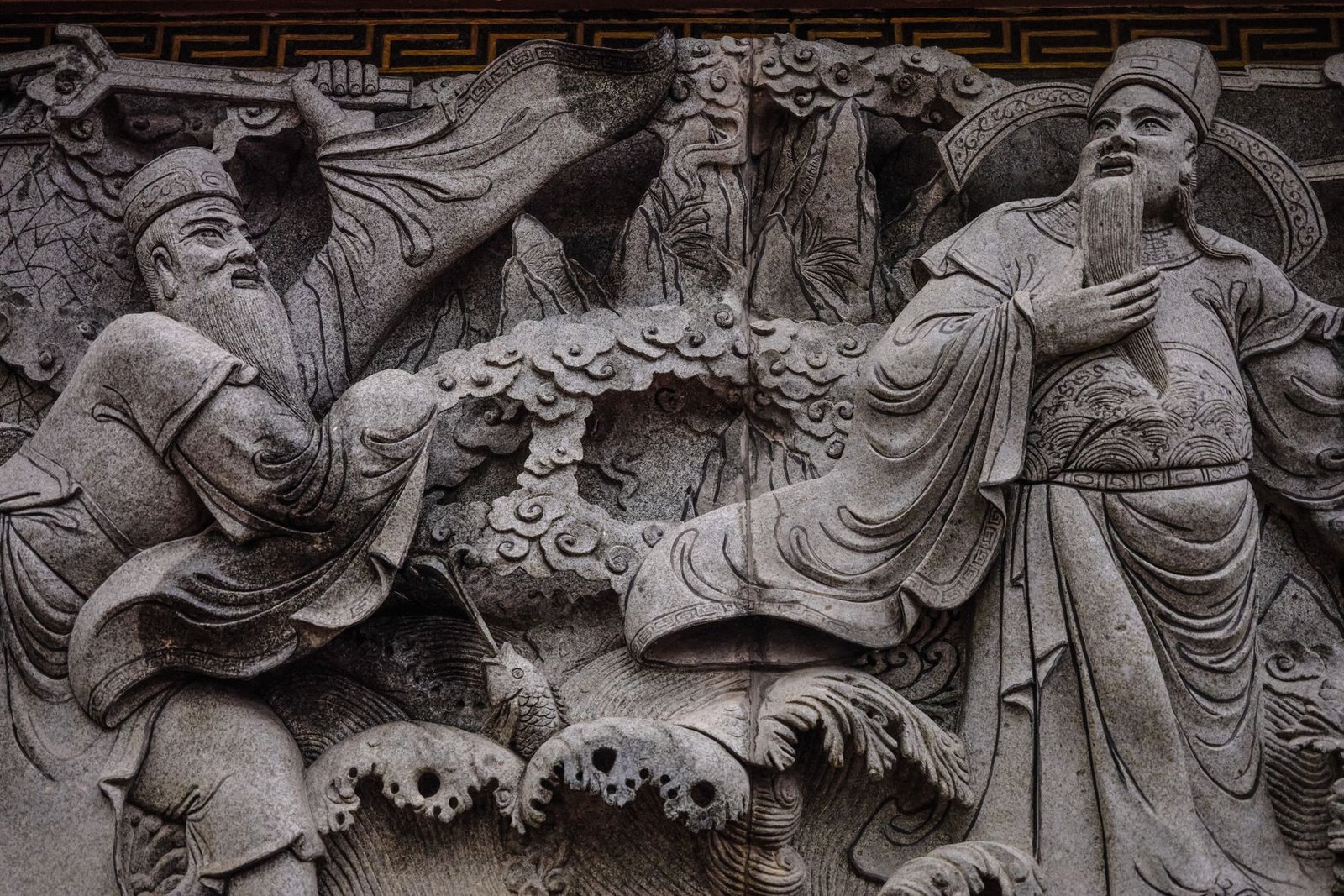
Izanagi: Japanese Creation God in Shinto Mythology
Izanagi is a central deity in Japanese mythology, remembered with Izanami as a primeval couple whose actions helped shape the islands, the kami, and the ritual ideas at the heart of Shinto. His stories, preserved in the *Kojiki* and *Nihon Shoki*, also reveal how creation, purification, and the boundary between life and death are understood in early Japanese tradition.

Raijin: Japanese God of Thunder and Storms
Raijin, the Japanese god of thunder, lightning, and storms, is one of the most striking figures in the nation’s religious and mythological tradition. Blending Shinto, Buddhist, and folk beliefs, this fearsome deity appears in art and stories as a symbol of divine power, natural upheaval, and enduring cultural imagination.
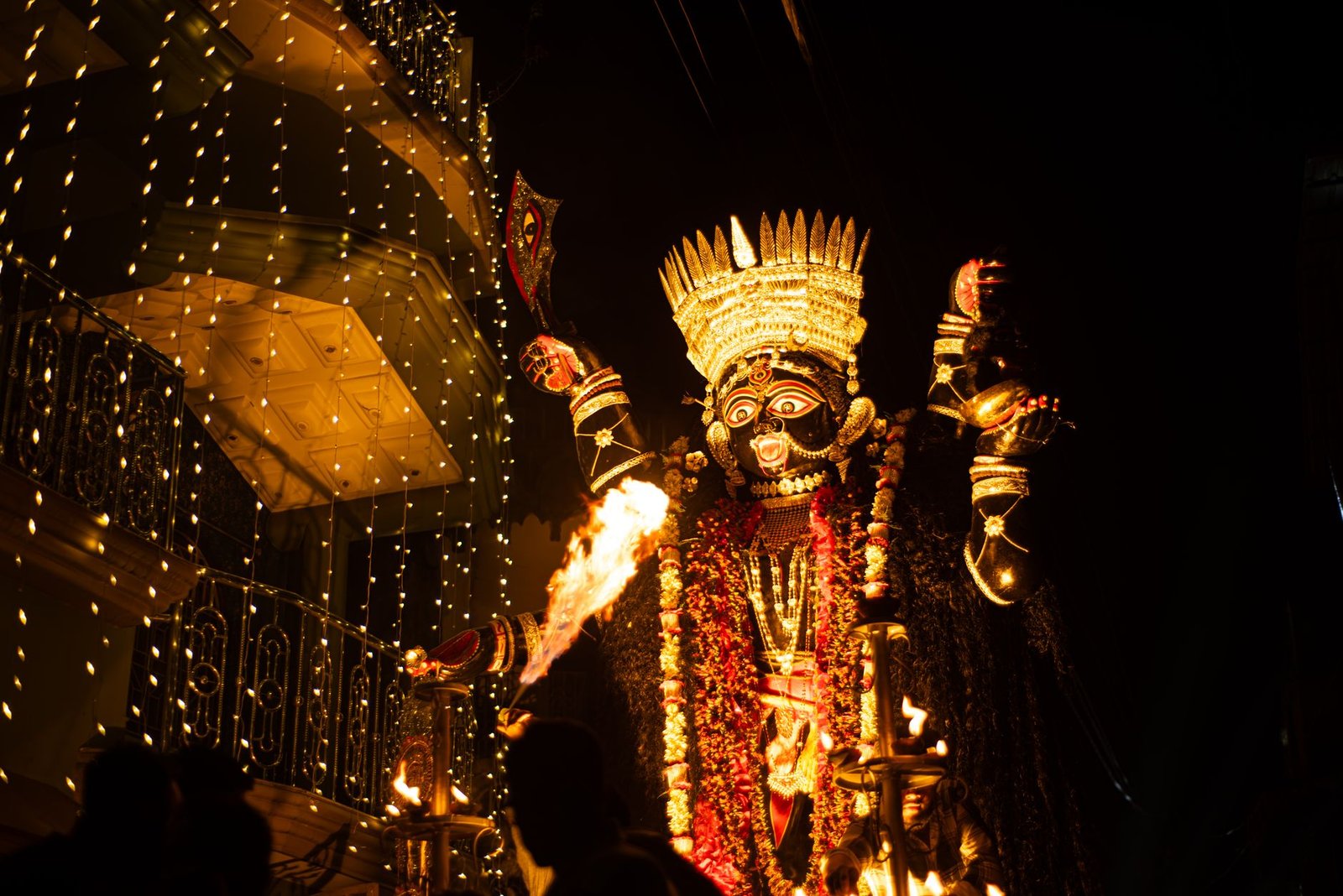
Kagutsuchi: Japanese Fire God in Mythology
Kagutsuchi is the fire deity of Japanese mythology, whose dramatic birth in the *Kojiki* and *Nihon Shoki* brings both creation and catastrophe, including the death of Izanami. Revered as a kami of fire and known also as Homusubi, Kagutsuchi embodies fire’s life-giving warmth and destructive power, inviting closer study of his role in Shinto tradition and mythic history.
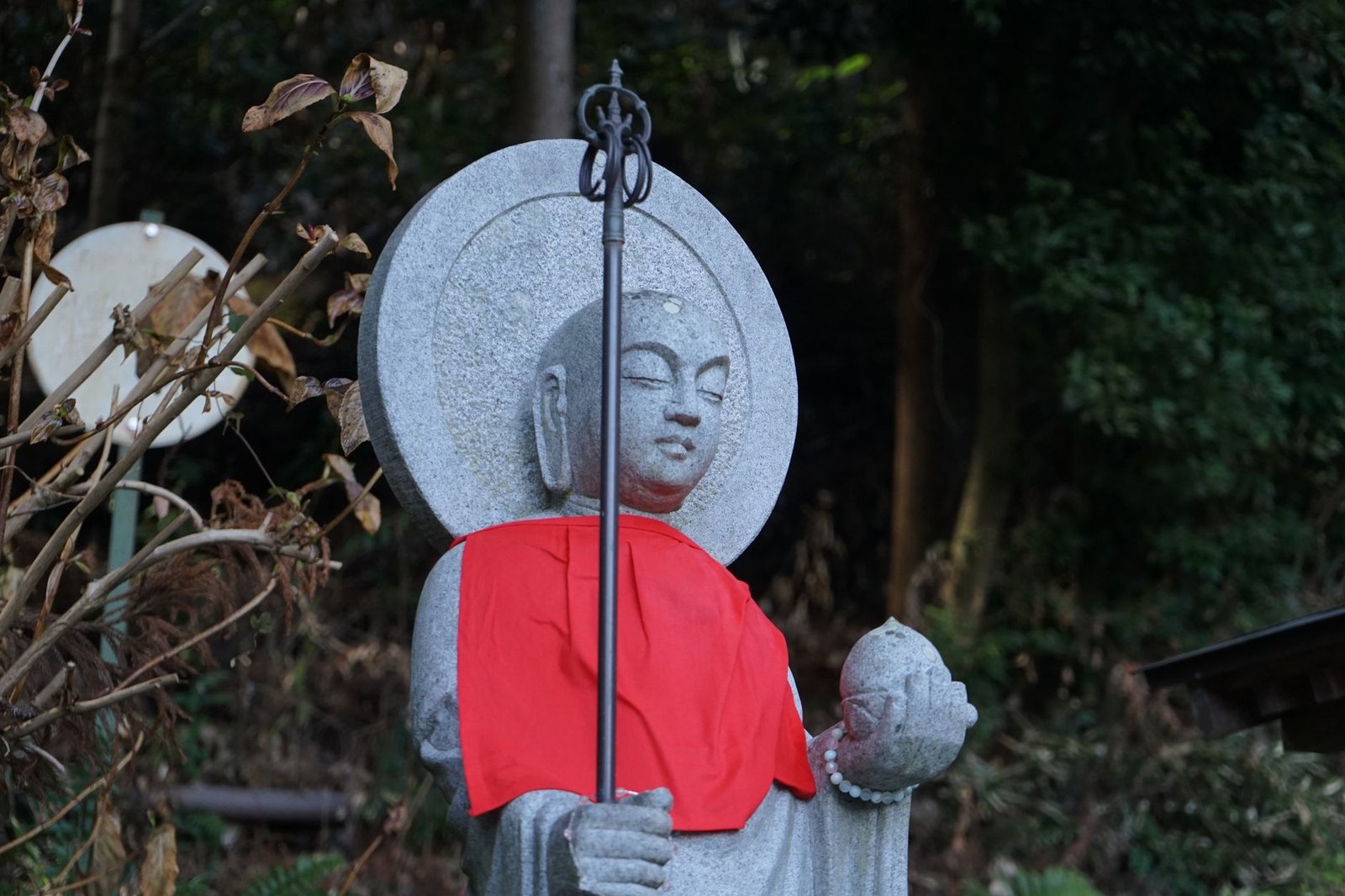
Ebisu: Japanese God of Fortune and Fishermen
Ebisu is one of Japan’s best-known deities, closely associated with prosperity, commerce, fishing, and good fortune, and easily recognized by his cheerful image with a fishing rod and sea bream. Yet behind this familiar figure lies a complex history of shifting myths, local traditions, and religious meanings that reveal how a folk god became a lasting symbol of abundance and success.
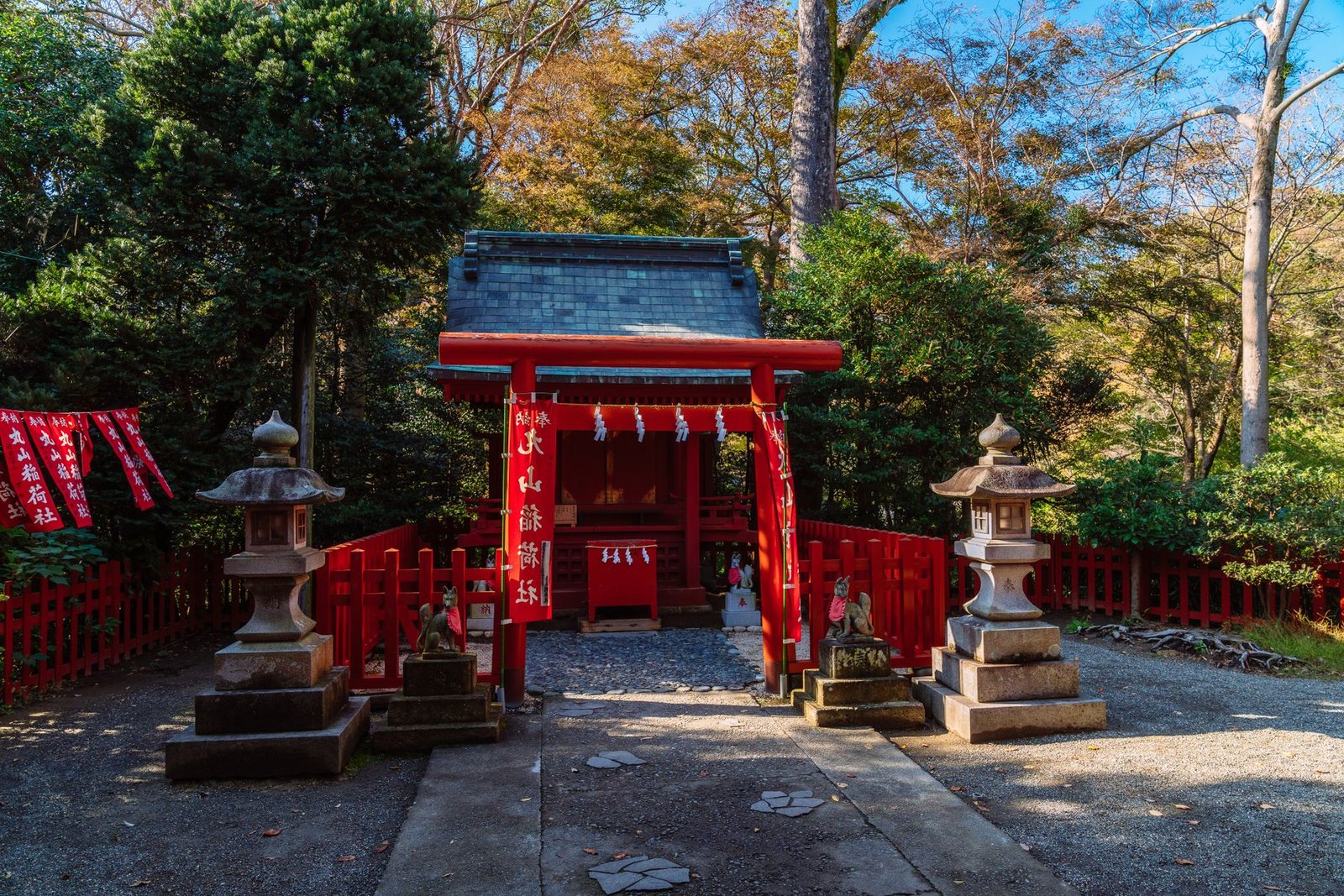
Hachiman: Shinto God of War and Protector of Japan
Hachiman is a major kami in Japanese religion, revered as a protector of warriors, communities, and the imperial house, while also reflecting the blending of native belief with Buddhist influence. This article traces his origins, the meaning of his name, and the rise of Hachiman shrines, revealing why this complex deity became central to Japanese history and worship.
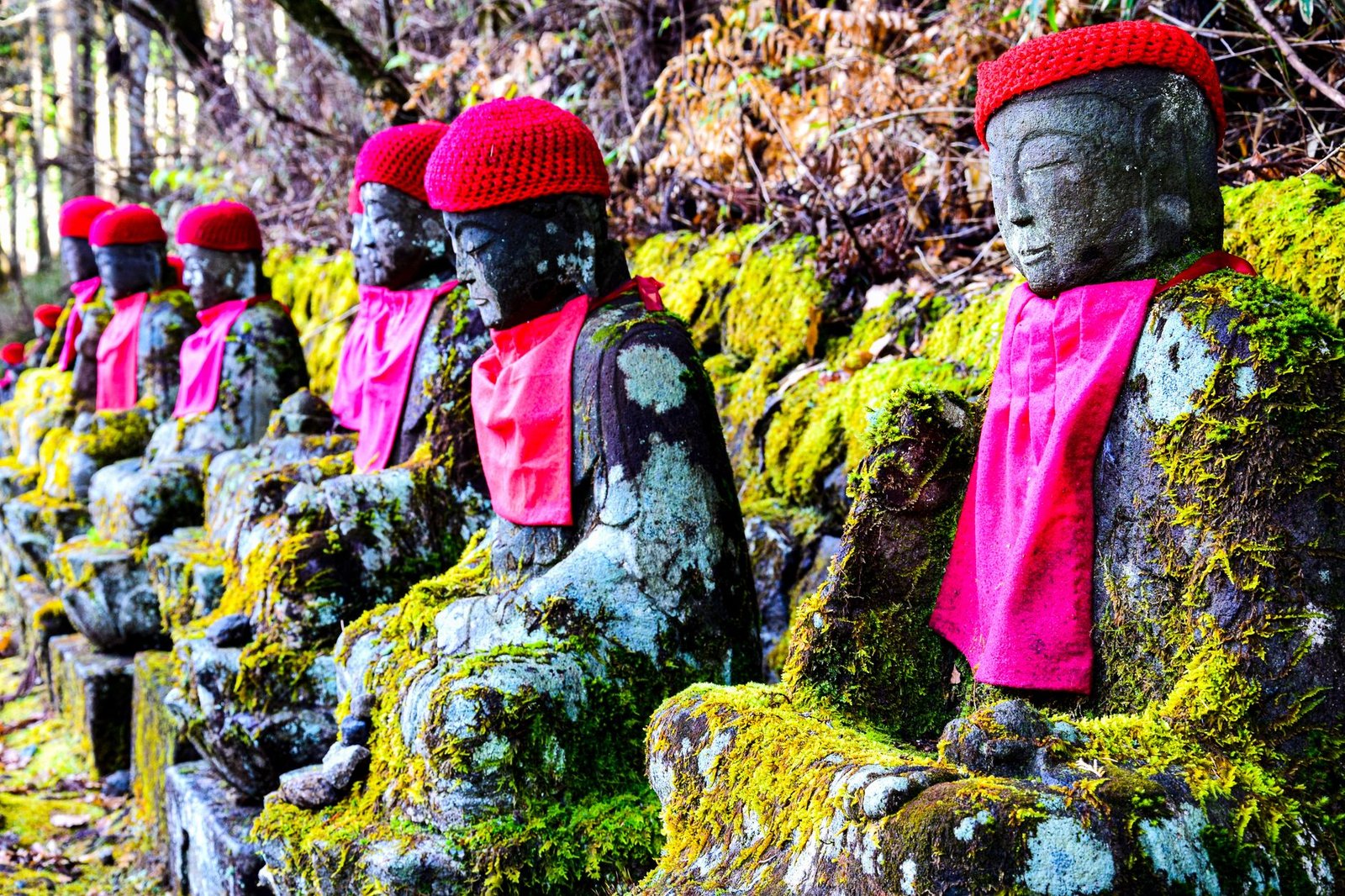
Difference Between Shinto Kami and Buddhist Deities in Japan
The difference between Shinto kami and Buddhist deities in Japan lies in their origins, functions, and religious meanings: kami are indigenous sacred presences tied to nature, ancestors, and place, while Buddhist figures such as Buddhas and bodhisattvas come from a continental tradition centered on enlightenment. Exploring how these beings were distinguished, blended, and reinterpreted in Japanese history reveals a complex spiritual landscape that still shapes shrine and temple culture today.