myth and legend
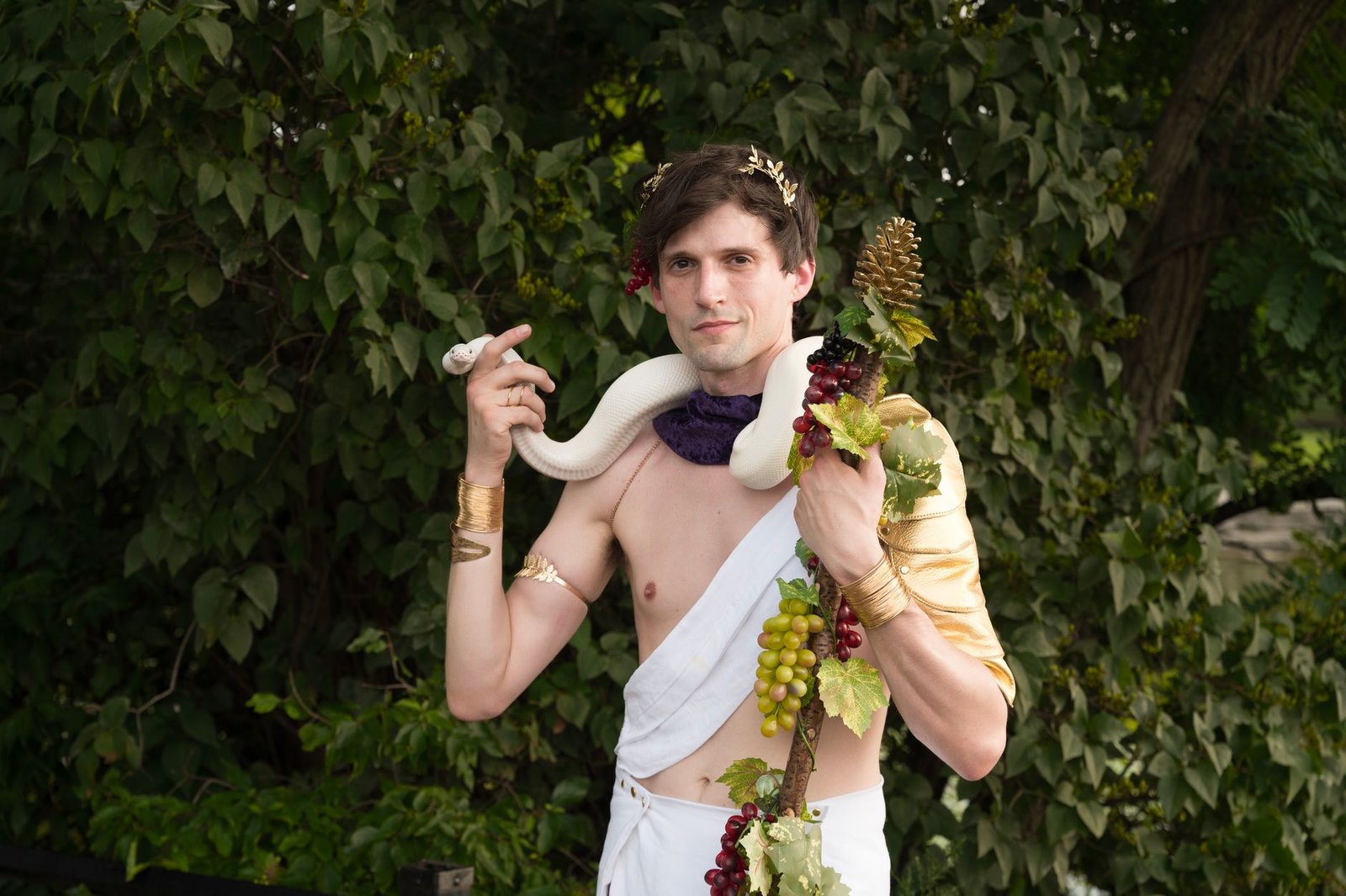
Bacchus: Roman God of Wine and Celebration
Bacchus, the Roman god of wine, ecstasy, fertility, and theatrical release, stands at the crossroads of celebration and restraint in ancient religion. This article traces his Greek origins, Roman adaptation, and enduring influence in art and culture, revealing why Bacchus remains a powerful symbol of both pleasure and peril.

The Twelve Dii Consentes: Roman Gods and Goddesses
The Twelve Dii Consentes were the principal gods of Roman religion, a prestigious council of twelve deities broadly aligned with the Greek Olympians but shaped by Roman custom and political life. This article traces their origin, meaning, and changing composition, showing how these gods reflected Roman ideas of divine order, public worship, and cultural adaptation.
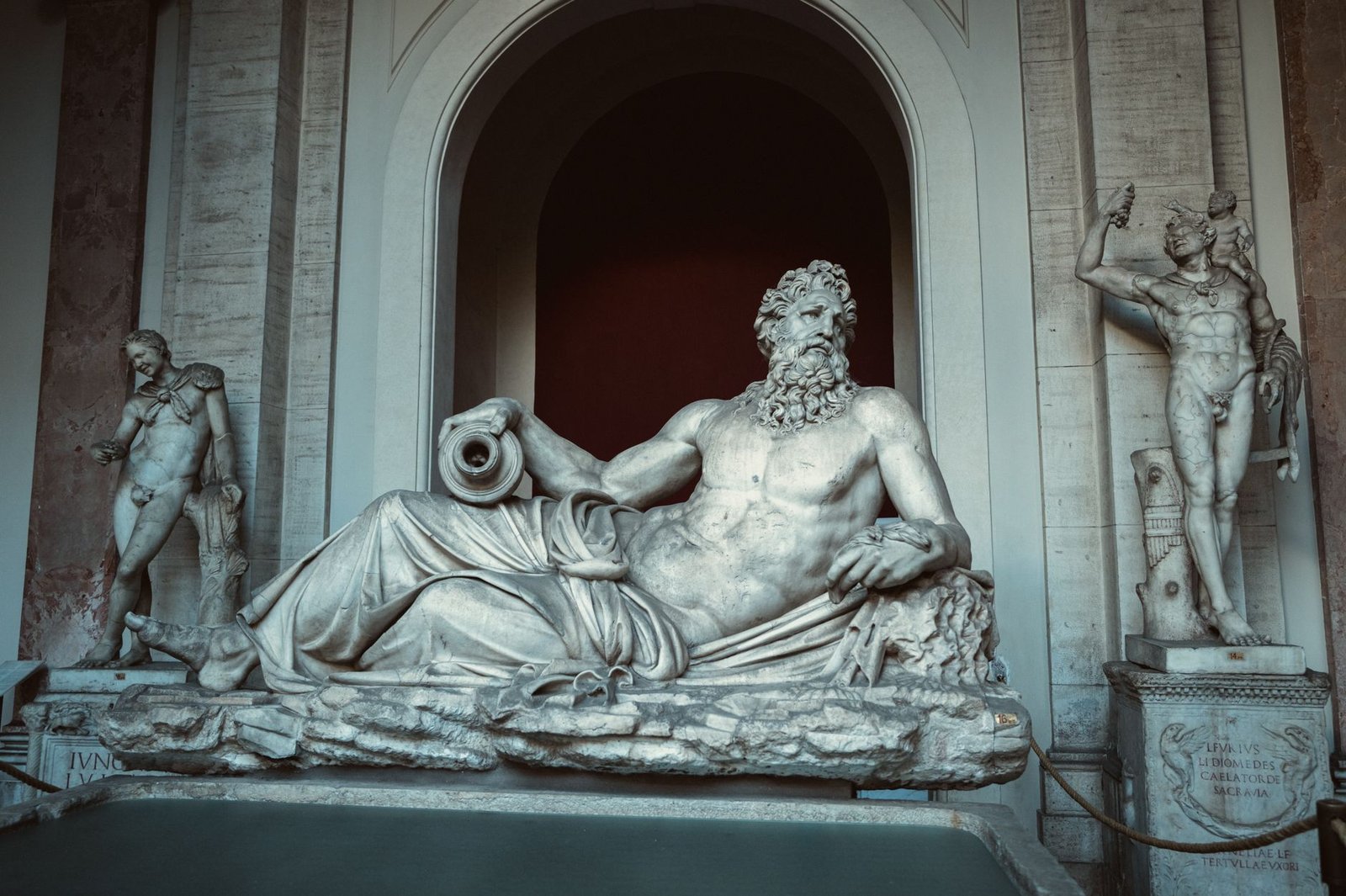
Roman vs Greek Gods: Key Differences Explained
The difference between Roman and Greek gods lies not only in their names but also in the religions that shaped them, from Greek city-state traditions to Rome’s highly organized civic cult. Although many deities were closely matched, their origins, functions, and cultural meanings reveal important distinctions that continue to intrigue historians and readers alike.
What Is a Roman Numen? Definition, Meaning, and History
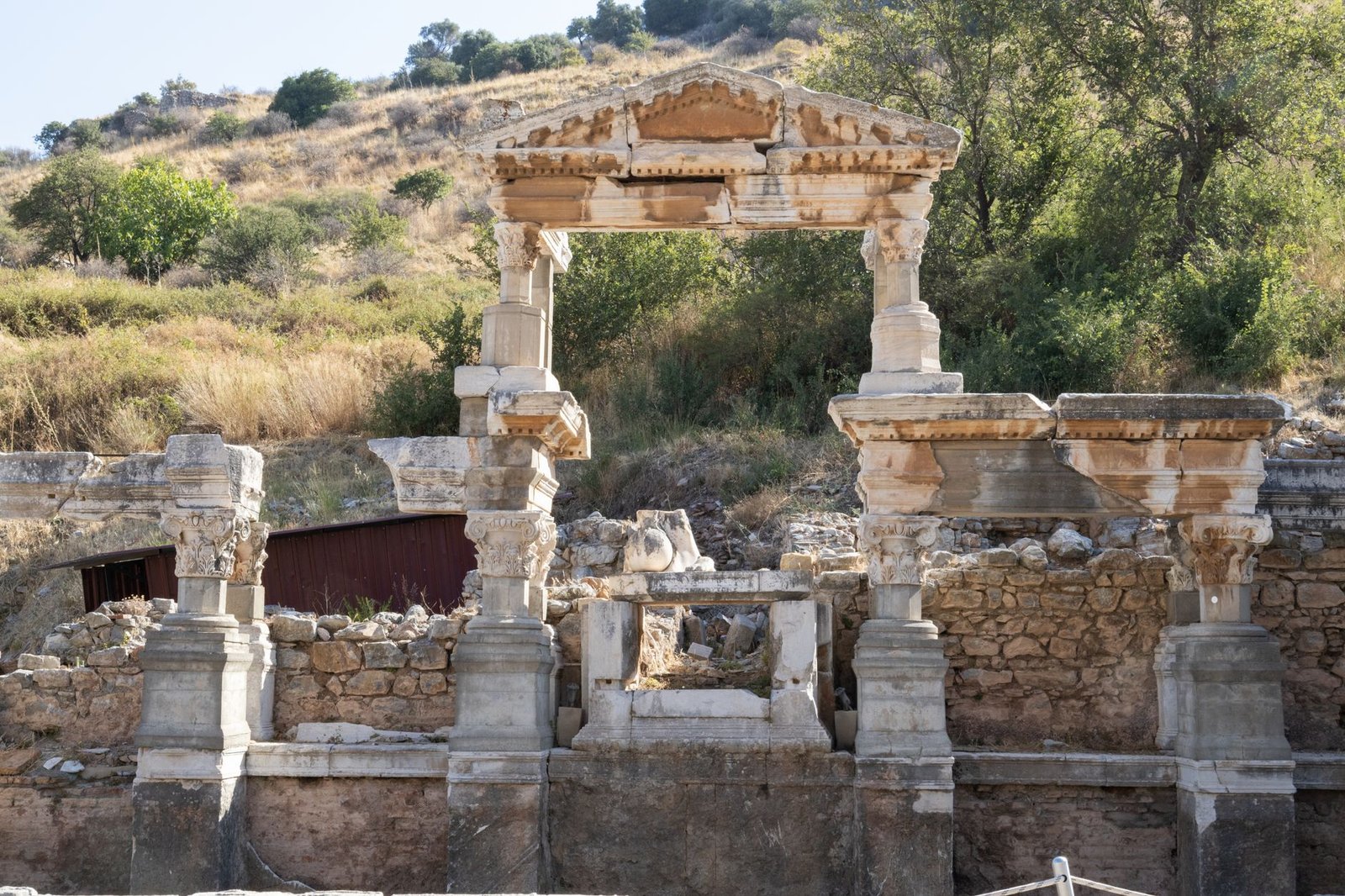
A Roman numen is the active divine power or presence Romans believed could dwell in a god, place, object, or community, shaping religious life through ritual and efficacy rather than personal myth. Exploring the term reveals how Roman religion understood sacred authority, from Jupiter’s will to the numen of emperors and the Roman people.
Medusa: Greek Mythology Gorgon and Legend
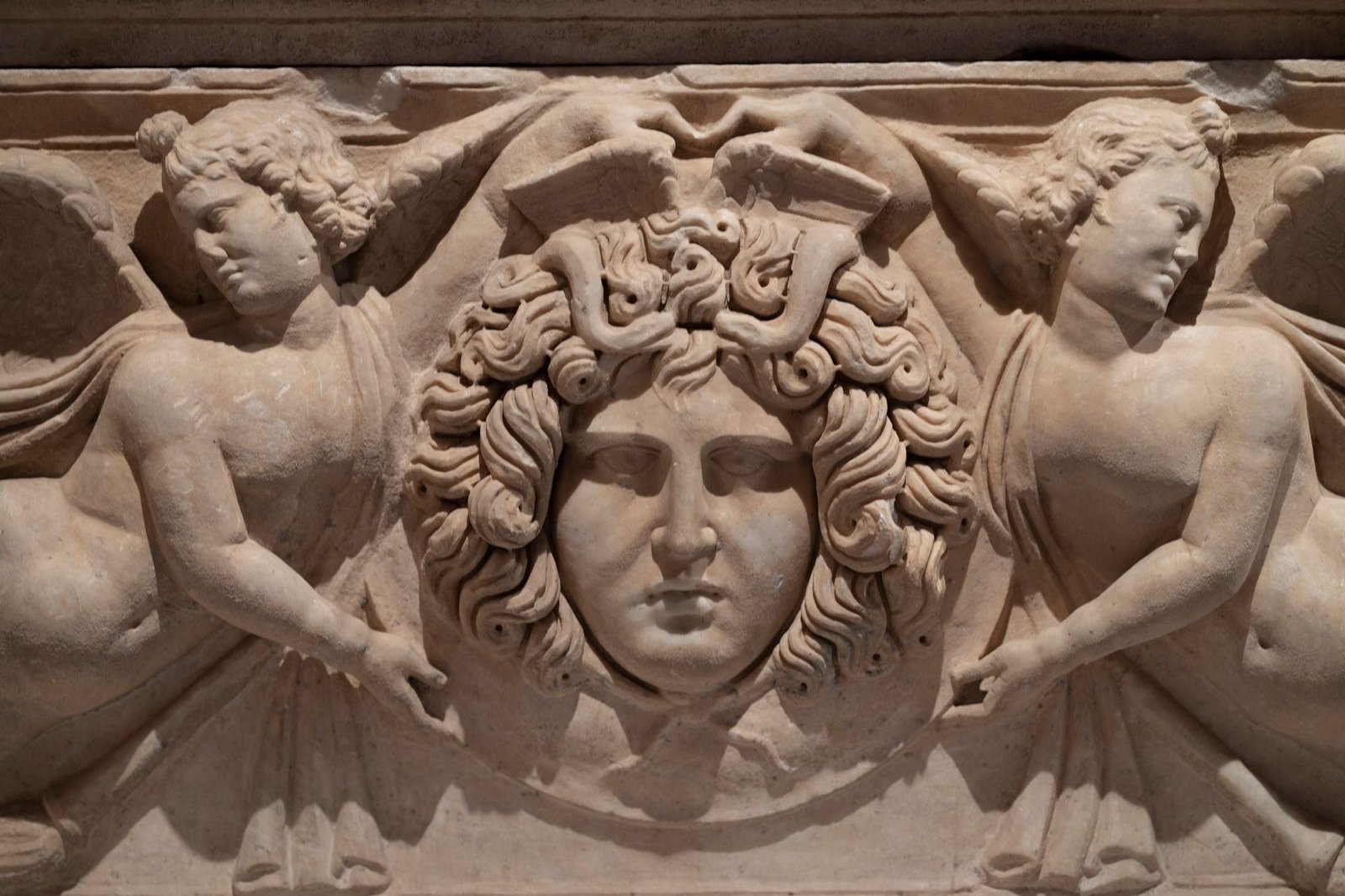
Medusa is one of the most enduring figures in Greek mythology, a Gorgon whose deadly gaze, complex origins, and shifting meanings have fascinated audiences for centuries. From ancient fears of monstrosity and sacred taboo to modern interpretations of beauty, victimhood, and power, her story reveals far more than a simple monster tale.
Harpies: Mythology, Origins, and Cultural Significance
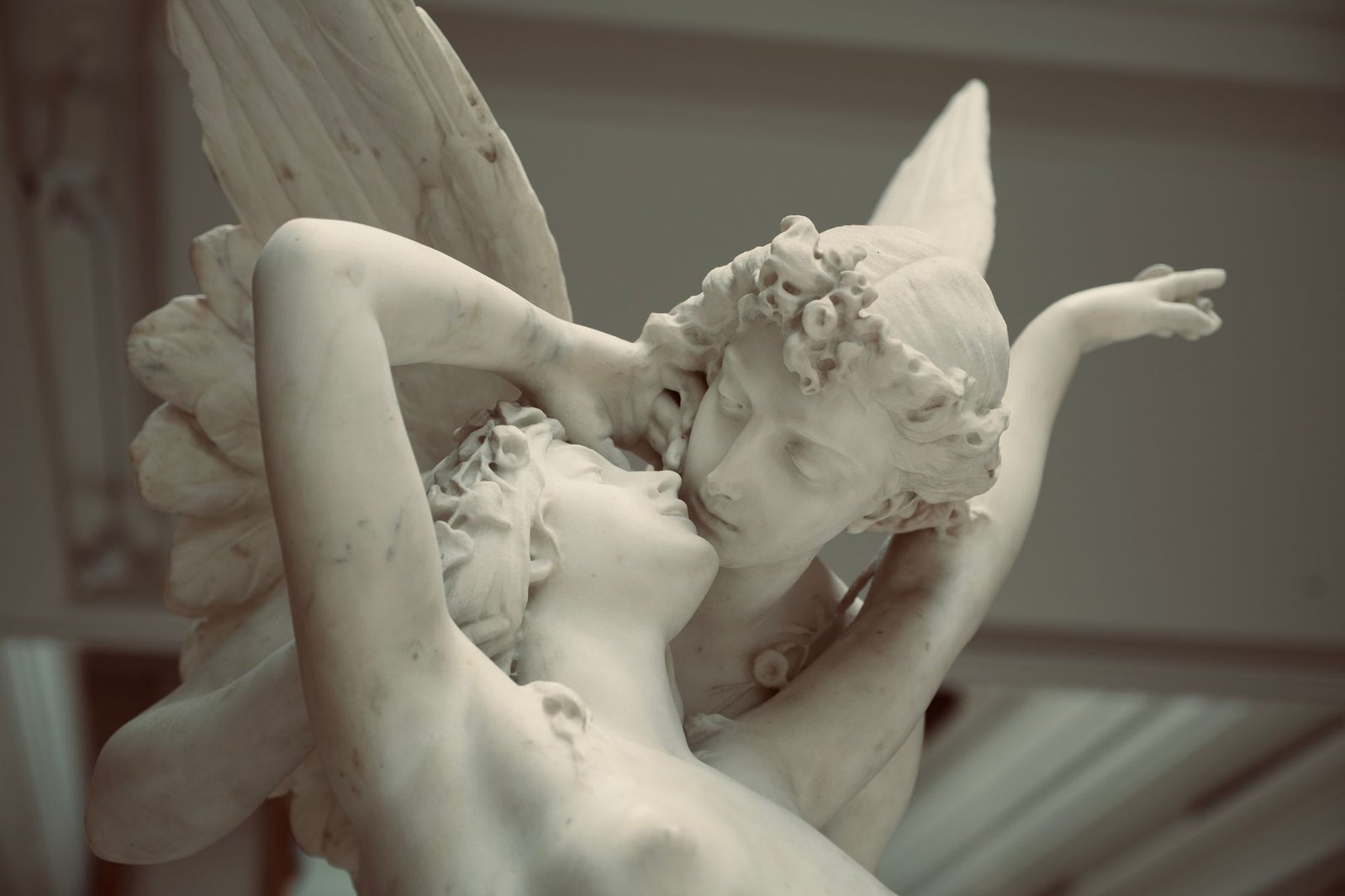
Harpies are enduring figures of Greek mythology, described as swift spirits of violent wind, sudden seizure, and divine punishment rather than merely bird-women in later art. Tracing their changing roles from early poetry to Roman literature reveals how ancient Greeks used harpies to explain loss, contamination, and the hidden force of stormy air.
Cyclops: Greek Mythology One-Eyed Giant Explained
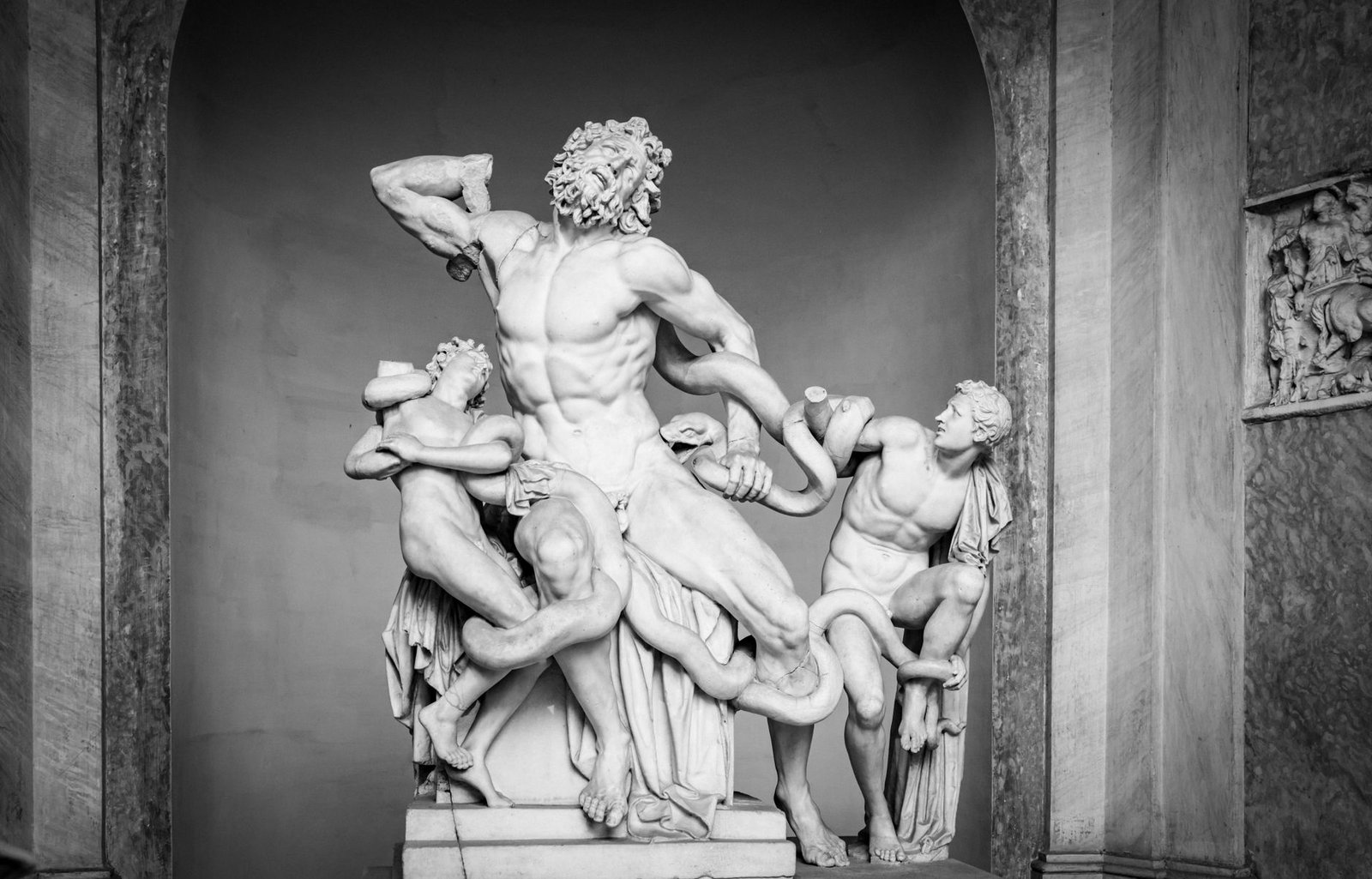
Cyclops are among the most striking figures in Greek mythology: one-eyed giants associated with immense strength, divine craftsmanship, and the uneasy boundary between civilization and wilderness. From Homer’s Polyphemus to the older traditions of thunderbolt-forging smiths, the Cyclops reveals how ancient Greeks imagined power, isolation, and the monstrous.

Prometheus and the Theft of Fire: Greek Myth Explained
Prometheus and the theft of fire is a foundational Greek myth about a Titan who defied Zeus by giving fire to humanity, symbolizing knowledge, civilization, and the rise of human creativity. This excerpt explores the myth’s origins, its meaning in ancient thought, and the lasting cultural influence of a figure remembered as both benefactor and punished rebel.

The Ages of Man: Definition, History, and Meaning
The Ages of Man is a foundational mythological scheme that traces humanity’s decline from a golden era of harmony through Silver, Bronze, Heroic, and Iron Ages. Rooted in Greek and Roman literature, it reveals how ancient writers explained labor, suffering, and social disorder—and why this powerful idea continued to shape later views of history and civilization.
Niobe’s Tragedy: Greek Mythology and the Story of Niobe
Niobe’s tragedy tells of the Theban queen whose boastful claim to outshine Leto provokes Apollo and Artemis into killing her children, turning pride into unbearable grief. Central to Greek ideas of divine retribution and mortal limits, the myth endures as a powerful symbol of mourning, punishment, and the fragility of fortune.