mythological cycle
Fomorians: Mythology, Origins, and Cultural Significance
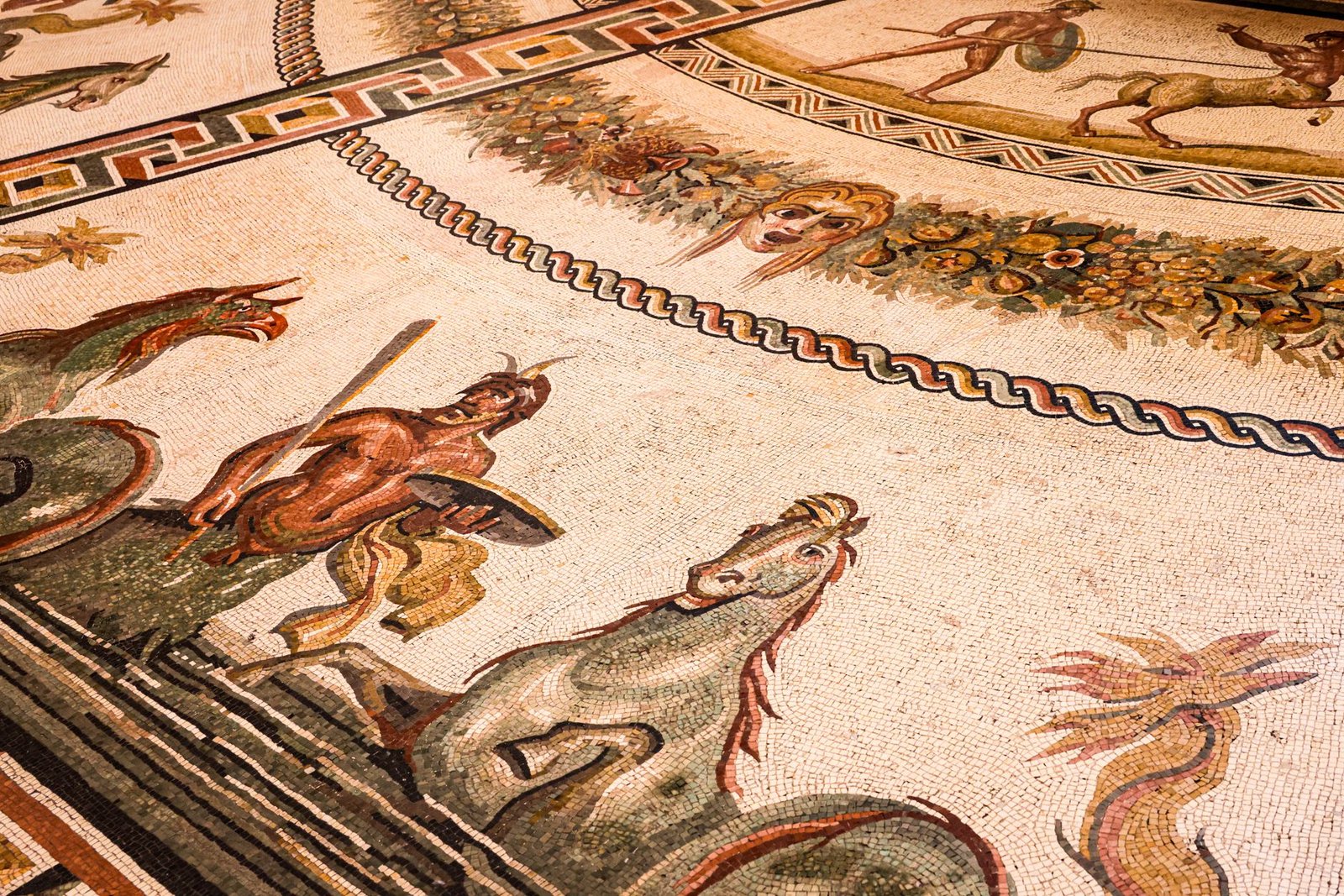
The Fomorians occupy a central place in Irish mythology as powerful, often hostile beings linked to chaos, sea, darkness, and famine. This excerpt explores their uncertain origins, shifting portrayals, and enduring conflict with the Tuatha Dé Danann, offering a glimpse into how medieval Irish tradition imagined the forces beyond civilization.
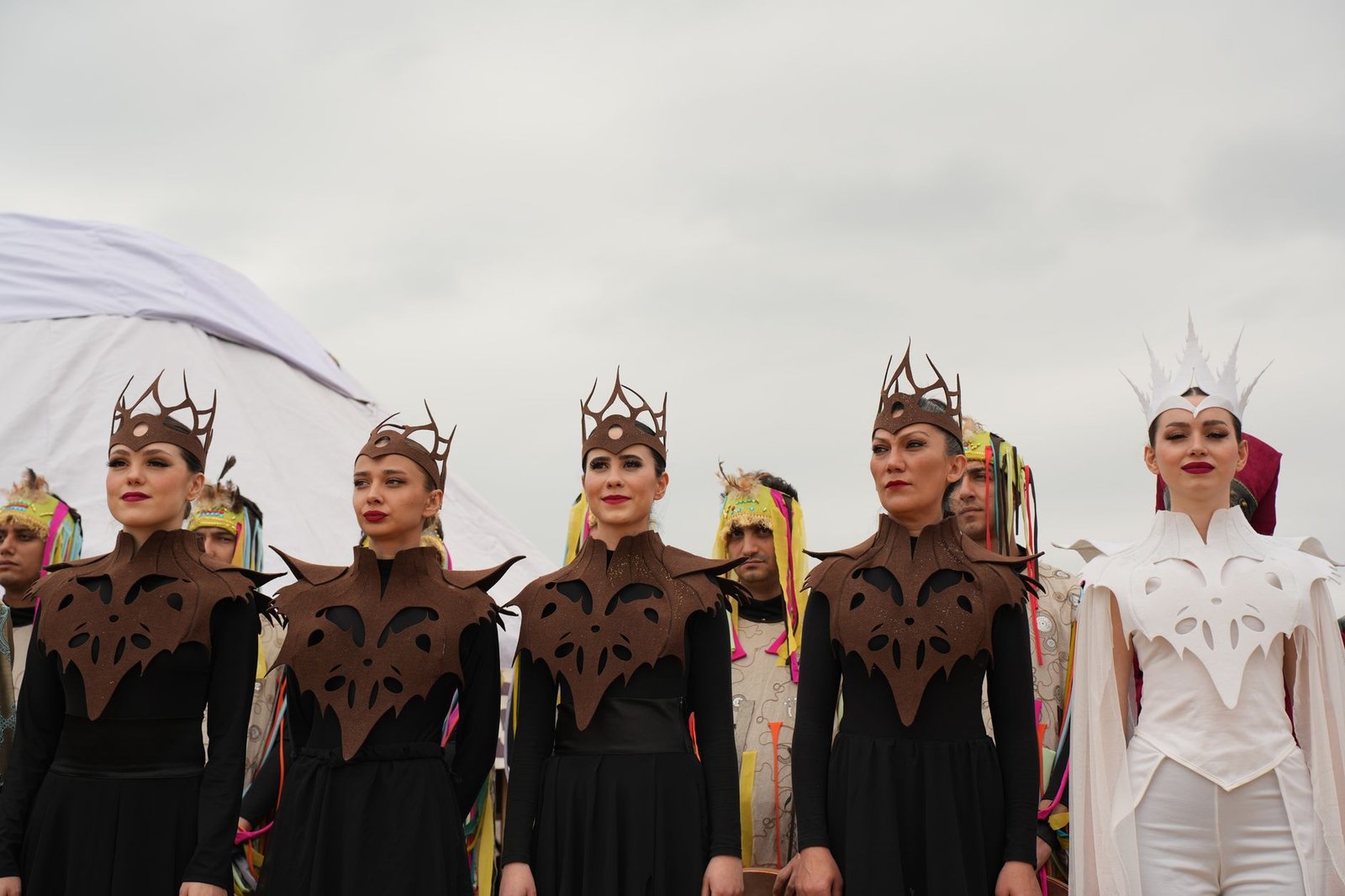
Tuatha Dé Danann vs Fomorians: Celtic Mythology Explained
The **Tuatha Dé Danann vs Fomorians** conflict is a foundational episode in Irish mythology, portraying a struggle between supernatural rulers associated with skill, sovereignty, and sacred order, and hostile forces linked to chaos, oppression, and the perilous margins of the world. Centered on the Second Battle of Mag Tuired, the story reveals how medieval Irish writers preserved older mythic ideas while shaping a complex narrative that still invites closer reading.

Nuada: Irish Mythology’s Legendary High King
Nuada is a central figure in Irish mythology, celebrated as king of the Tuatha Dé Danann and a ruler whose right to govern depends on honor, wholeness, and legitimacy. Best known as Nuada Airgetlám, or “Nuada of the Silver Hand,” he appears in key medieval texts in stories of battle, healing, and the restoration of rightful kingship.
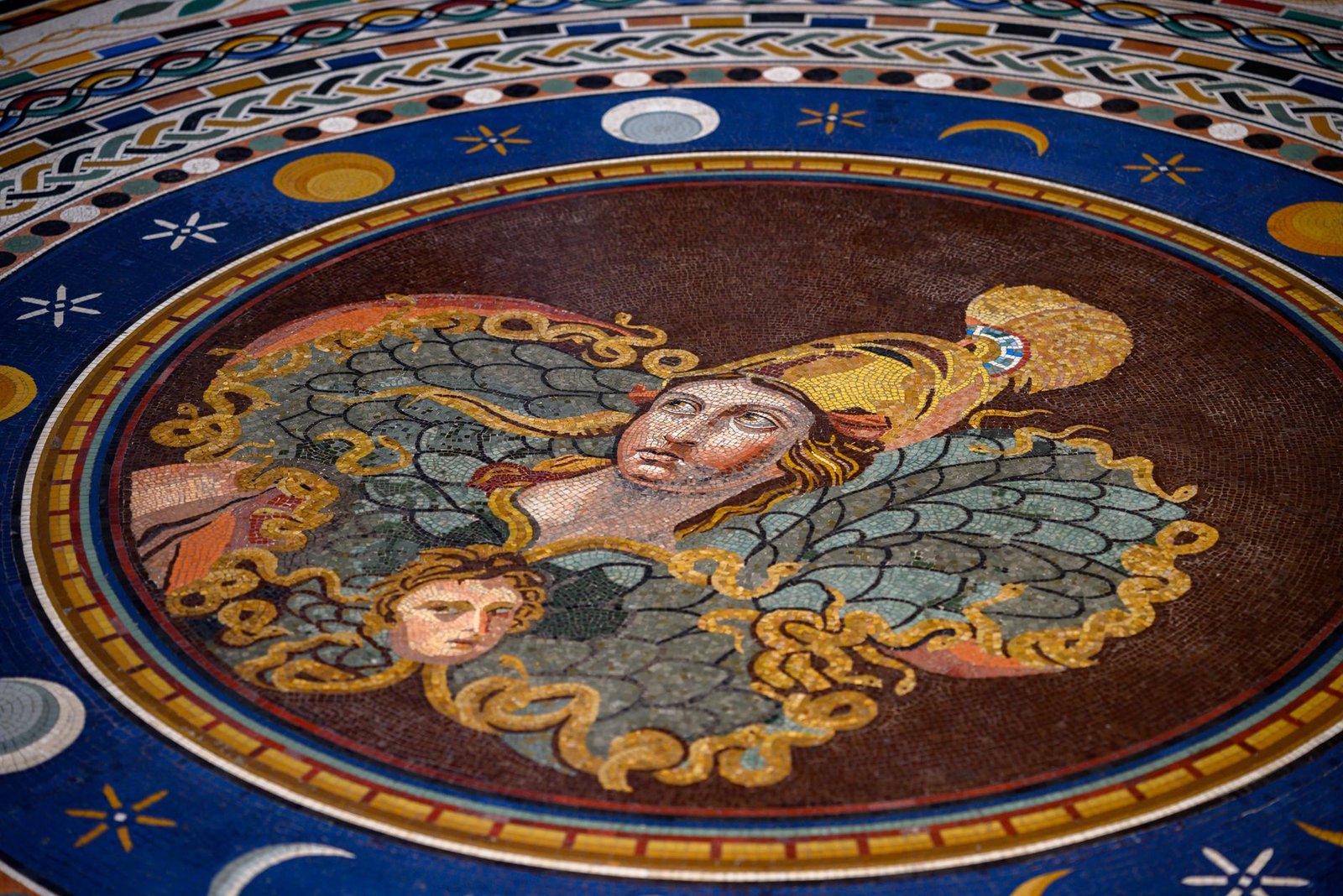
Dian Cecht: Irish Mythology God of Healing
Dian Cecht is a central healing deity in Irish mythology, revered as the divine physician of the Tuatha Dé Danann and celebrated for restoring warriors, replacing lost limbs, and performing miraculous cures. Yet his legends also reveal a complex figure whose medical skill, rivalry, and moral ambiguity illuminate the deeper role of healing in medieval Irish tradition.