mythological monsters
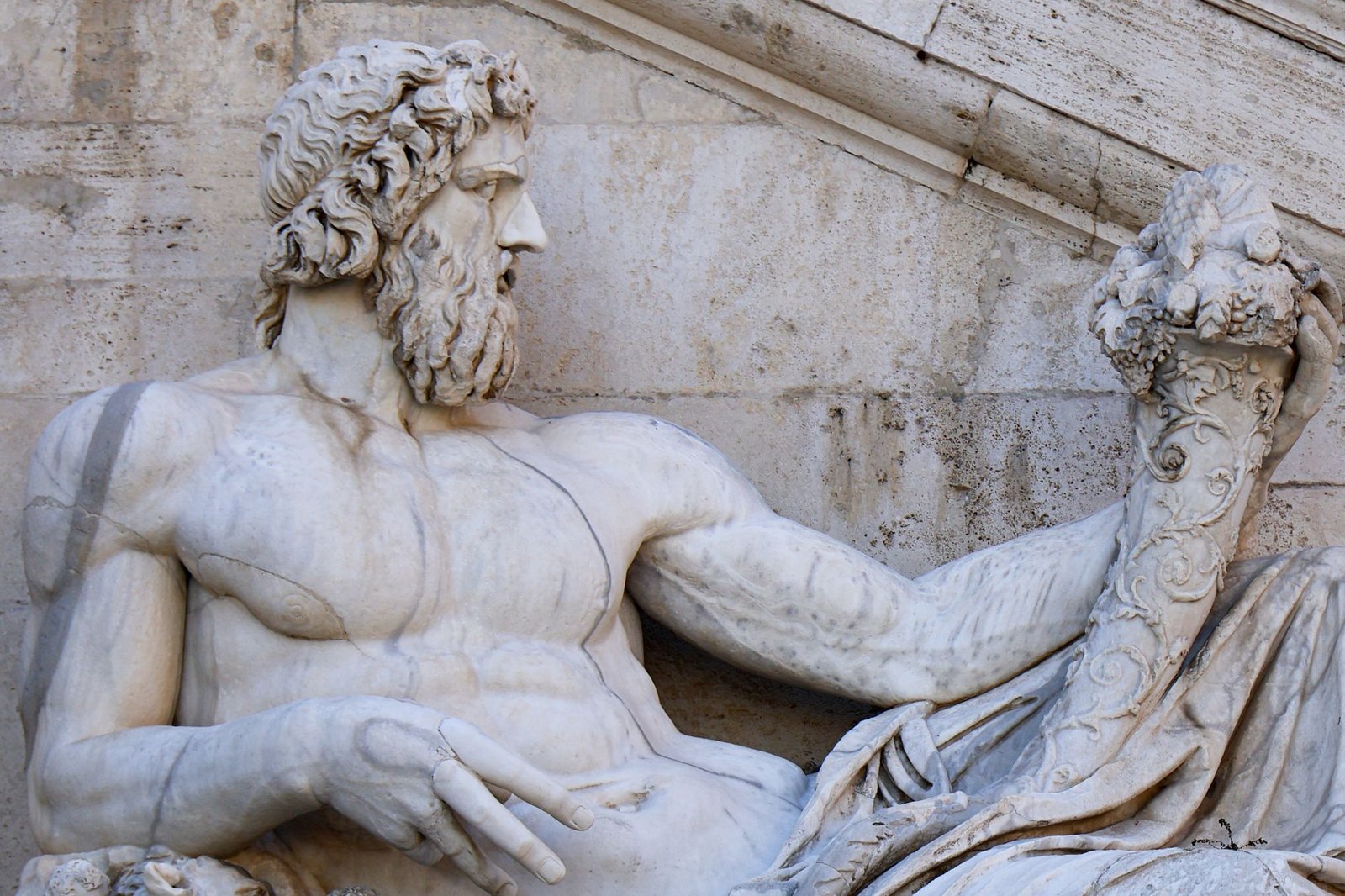
Cacus: Mythological Figure in Roman Legend
Cacus is a formidable figure in Roman mythology, remembered as a fire-breathing cave-dweller who stole Hercules’ cattle and was slain for his crime. His story, set near the Aventine Hill and the Forum Boarium, reveals how Roman legend tied heroic conflict to the sacred landscape and the shaping of early identity.
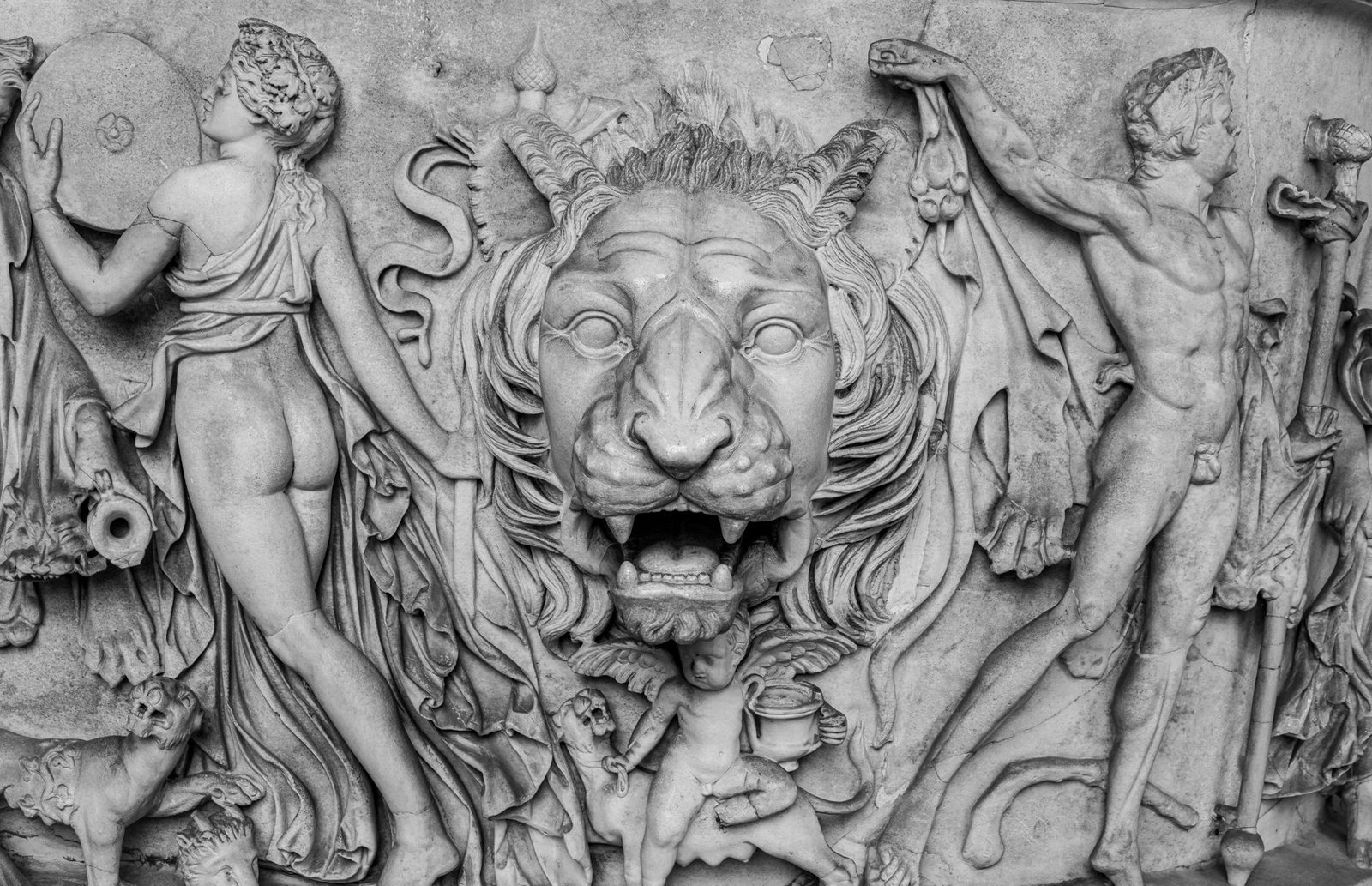
Nemean Lion: Greek Mythology, History, and Symbolism
The **Nemean Lion** is among the most enduring figures in Greek mythology, best known as the first labor of Heracles and the invulnerable beast that haunted Nemea until the hero subdued it by hand. Its story links myth, ritual, and artistic tradition, revealing why this monstrous lion became a powerful emblem of courage, wilderness, and heroic triumph.
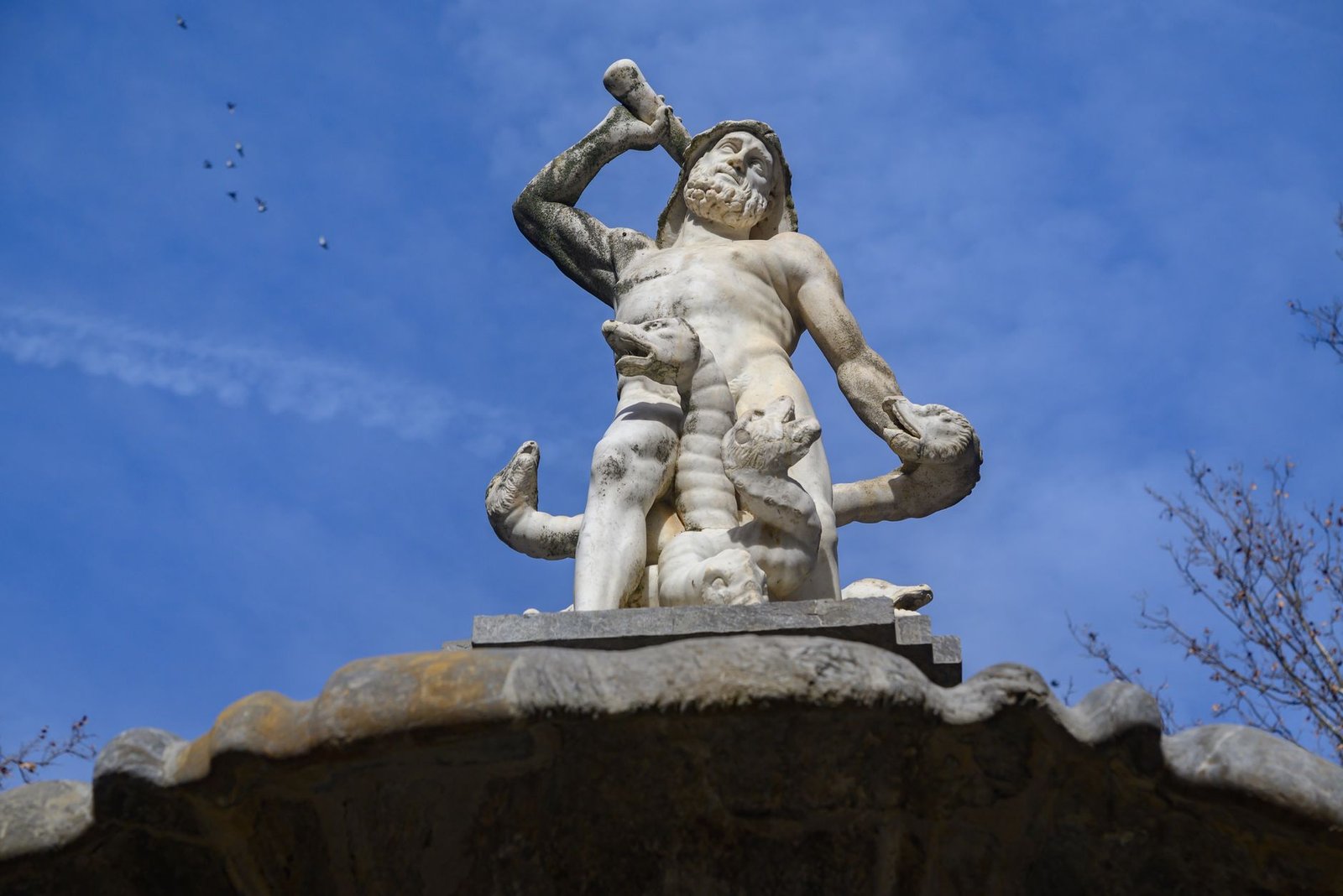
The Twelve Labors of Heracles: Greek Mythology Explained
The Twelve Labors of Heracles recount the punished hero’s impossible feats, from slaying monsters to mastering wild landscapes, as he seeks purification after a tragic act of madness. Rooted in Greek mythology and cultural memory, this cycle reveals how Heracles became a lasting symbol of endurance, divine conflict, and heroic achievement.

Bellerophon and the Chimera: Greek Mythology Story
Bellerophon and the Chimera is a classic Greek myth of heroic triumph and tragic ambition, telling how a mortal hero, aided by the gods, confronted a fire-breathing hybrid that terrorized Lycia. Beyond its dramatic battle, the story reveals Greek ideas about piety, kingship, and the limits of human power, inviting closer attention to the hero’s rise and downfall.
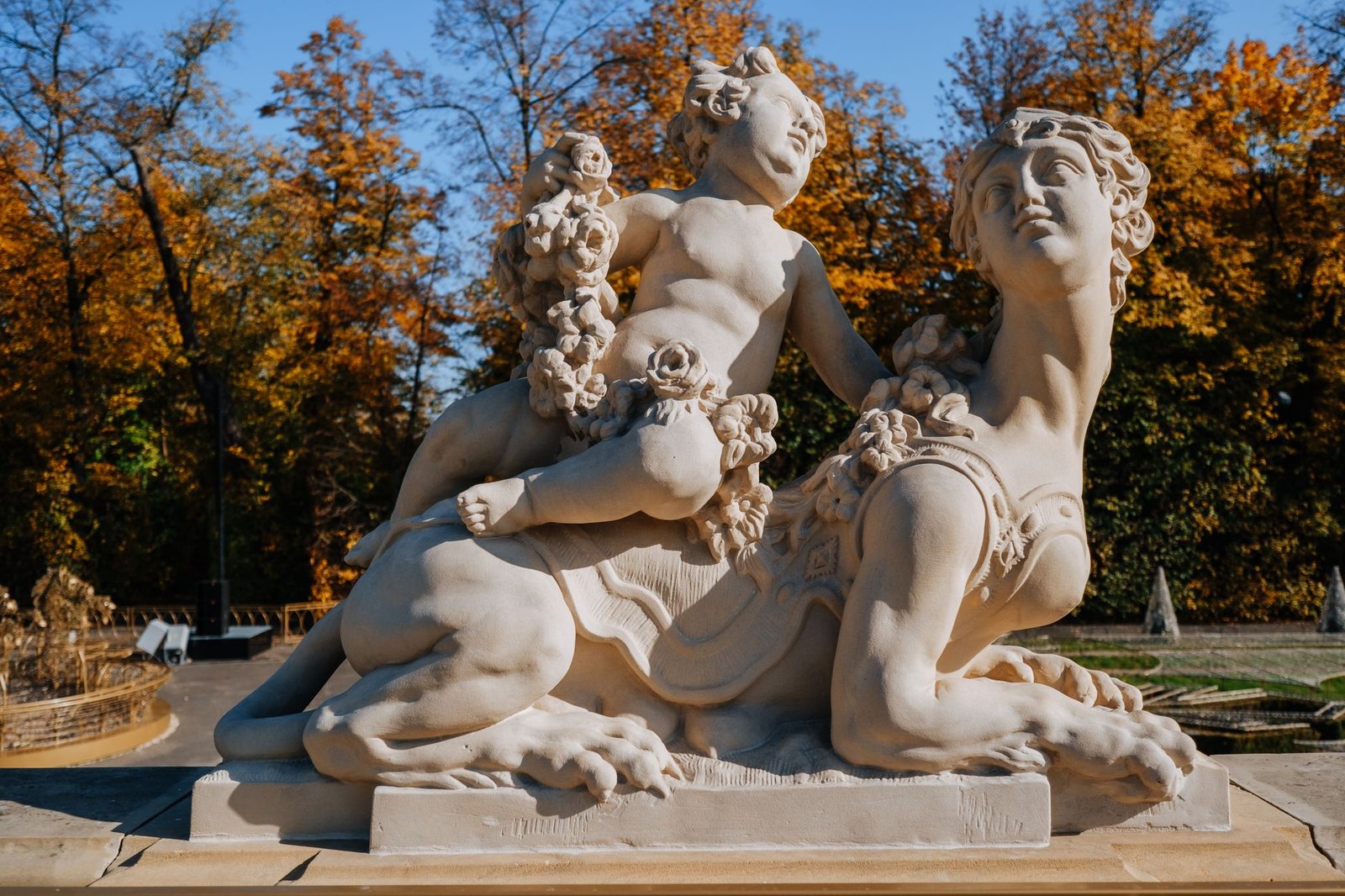
Oedipus and the Sphinx: Greek Myth and Story
Oedipus and the Sphinx is a defining episode in Greek mythology, uniting the Theban riddle, royal succession, and the tragic irony that follows Oedipus’s triumph. This article traces the myth’s literary sources, the symbolism of the Sphinx, and the larger themes of fate, identity, and human knowledge that made the story enduring.