Odysseus

Aeneid vs. Iliad and Odyssey: Key Differences
The difference between the Aeneid and the Iliad/Odyssey lies not only in plot, but in purpose: Homer’s epics explore heroism, suffering, and return, while Virgil’s Aeneid recasts epic tradition to explain Rome’s destiny. Comparing their gods, heroes, and narrative aims reveals how Roman literature adapted Greek models into a work of political, cultural, and moral significance.

Trojan Horse: Meaning, History, and Myth Explained
The Trojan Horse is a legendary episode from Greek mythology in which a deceptive wooden offering concealed armed Greek soldiers, enabling the fall of Troy. More than a war story, it has become a lasting metaphor for hidden danger and strategic deceit, with meanings that extend from politics and literature to modern cybersecurity.

Scylla and Charybdis: Meaning, Myth, and Origins
Scylla and Charybdis are legendary monsters from Greek mythology, first set side by side in Homer’s *Odyssey* as the twin threats guarding a narrow sea passage. Their story explains the enduring phrase “between Scylla and Charybdis,” a vivid symbol of being forced to choose between two dangerous outcomes, and reveals how ancient Greeks understood risk at sea.
Odysseus and the Cyclops: Summary and Analysis
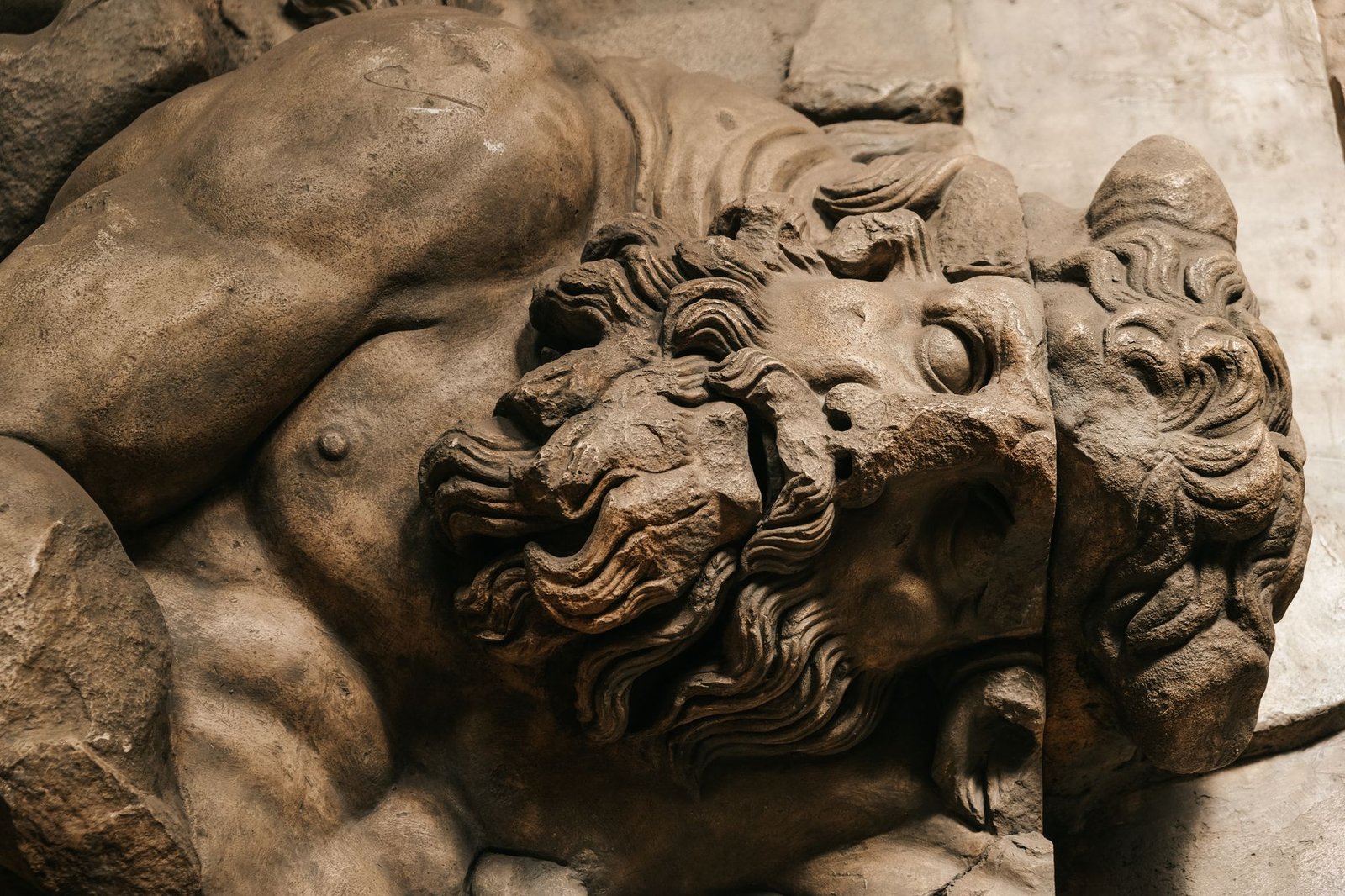
Odysseus and the Cyclops is a defining episode in Homer’s *Odyssey*, where the king of Ithaca confronts the one-eyed giant Polyphemus after being trapped in his cave. Blending suspense, cleverness, and the Greek code of *xenia*, the story reveals why Odysseus survives by wit—and why Poseidon later becomes his enemy.

Odysseus and the Sirens: Meaning and Myth Explained
Odysseus and the Sirens is a classic episode from Homer’s *Odyssey* in which the hero confronts a song said to promise wisdom while concealing death. Its enduring significance lies in the tension between curiosity and survival, the discipline that saves Odysseus, and the wider cultural legacy that made the Sirens a lasting symbol of temptation.
Odysseus and Circe: Myth, Encounter, and Story
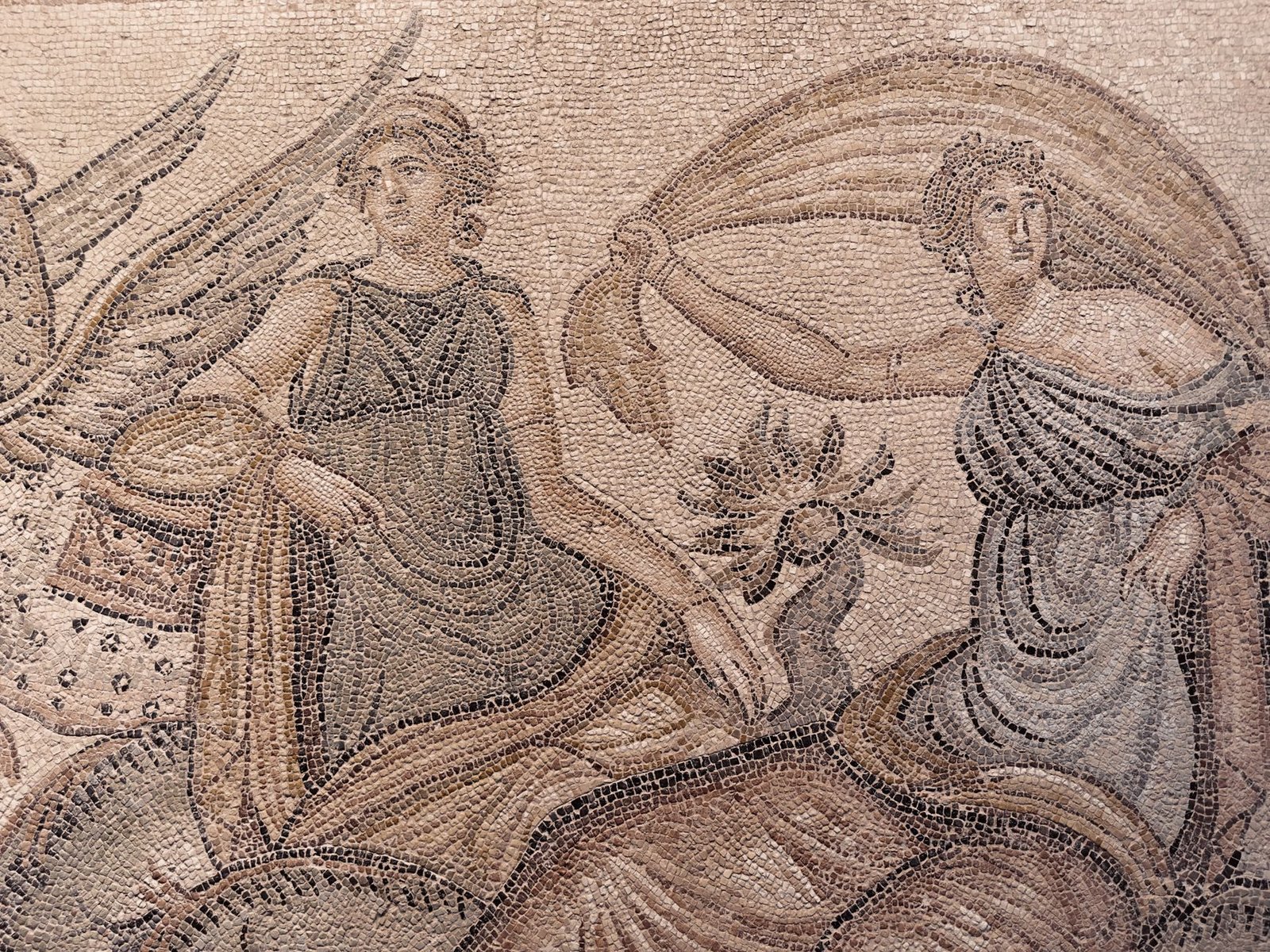
Odysseus and Circe is a celebrated episode in Homer’s *Odyssey*, where enchantment, temptation, and self-mastery shape a pivotal encounter between a cunning hero and a powerful sorceress. After Circe transforms Odysseus’s men into swine, the story traces how divine aid, hospitality, and shifting loyalties reveal deeper tensions between reason and desire, making this myth central to Greek literature and interpretation.

Penelope and the Suitors in Greek Mythology
Penelope and the suitors is a central episode in Homer’s *Odyssey*, portraying Odysseus’ wife as she withstands persistent nobles who occupy her household and demand marriage during his long absence after the Trojan War. The episode explores fidelity, intelligence, and authority, while setting the stage for the suitors’ eventual downfall and the restoration of order.