Olympian gods

Lyre of Apollo: Meaning, Mythology, and Symbolism
The Lyre of Apollo is a central symbol in Greek mythology, linking the god of music, poetry, and prophecy with harmony, restraint, and divine inspiration. This article traces its cultural origins, its place in ancient art and literature, and the distinctions between lyra and kithara that reveal a richer story behind Apollo’s enduring emblem.
Difference Between Giants And Monsters In Greek Mythology
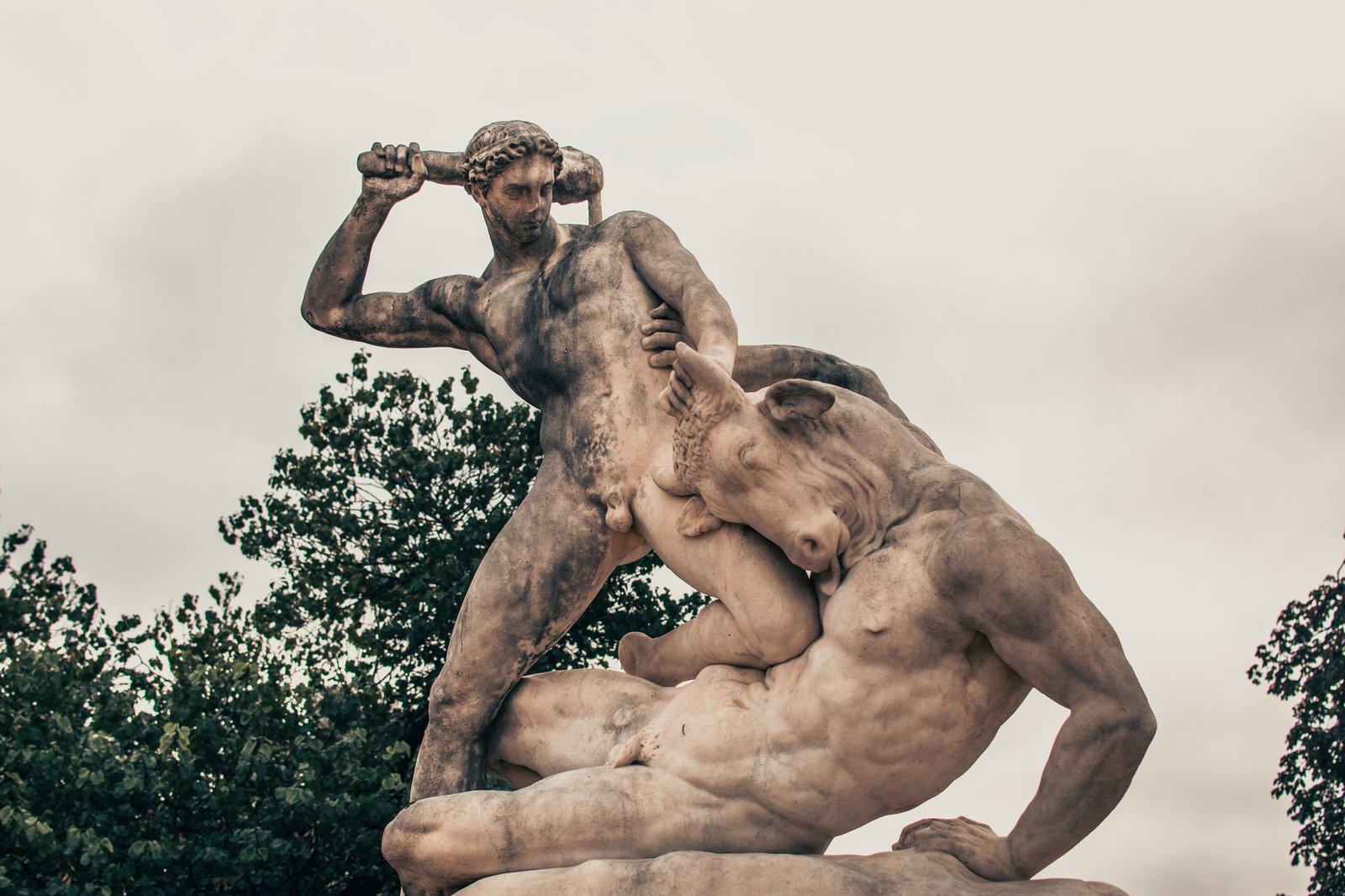
In Greek mythology, the difference between a giant and a monster is more than a matter of size: giants, especially the Gigantes, are a specific race tied to earth and rebellion against the gods, while monsters form a wider category of unnatural, fearsome beings. Exploring how ancient writers used these terms reveals a more subtle system of mythic classification than modern readers often expect.
Greek Creation Myth: Origins, Gods, and the Cosmos
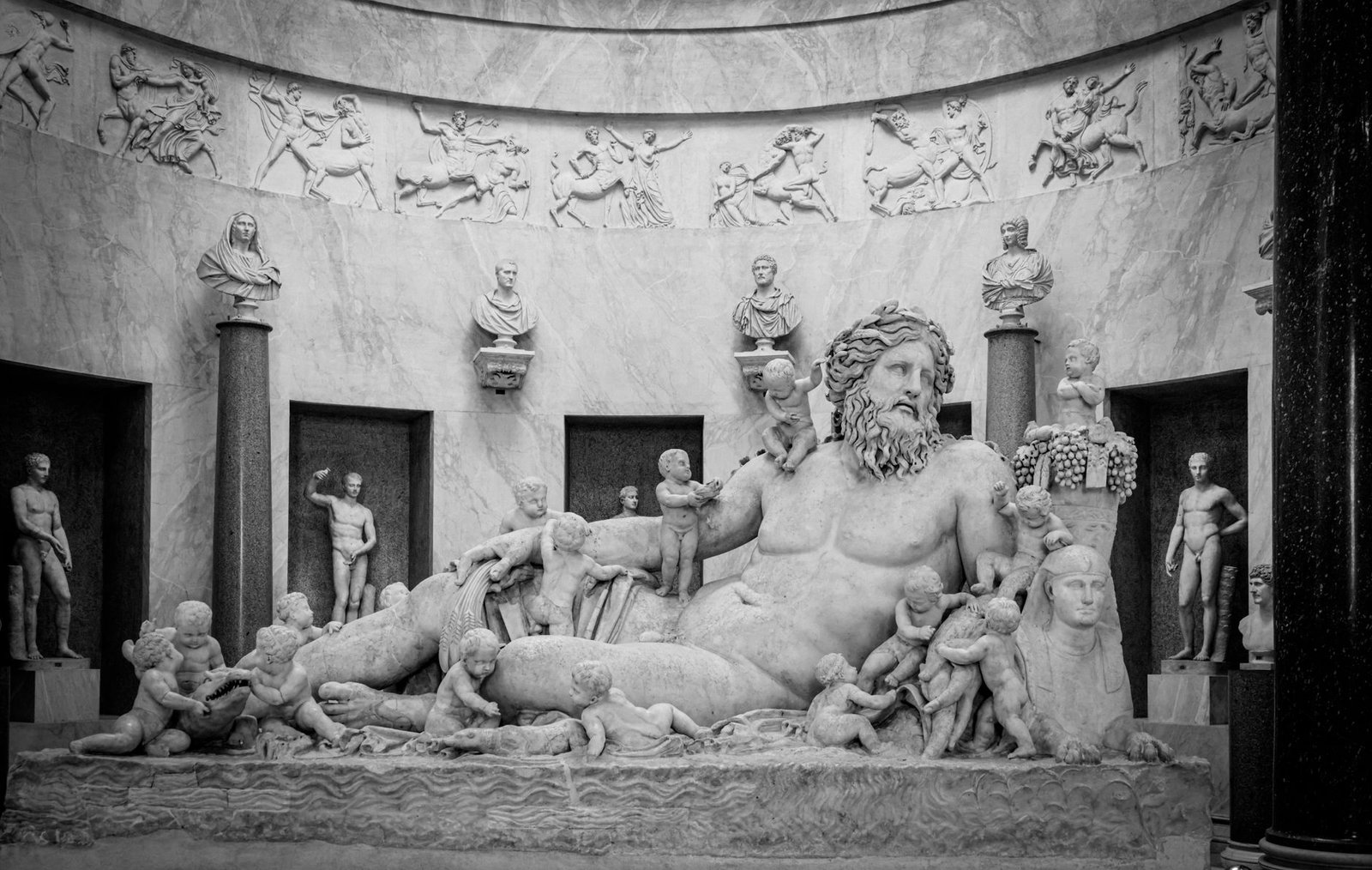
The Greek creation myth is the ancient body of stories that explains how the cosmos, gods, and human order emerged from primordial Chaos. Rooted in texts such as Hesiod’s *Theogony*, it reveals a world where creation means the shaping of order from uncertainty—and where later traditions still invite fresh interpretation.
Cronus Swallowing His Children in Greek Mythology
Cronus swallowing his children is a central episode in Greek mythology, depicting the Titan’s desperate attempt to prevent a prophecy of overthrow by consuming each newborn child. The story, preserved in Hesiod’s *Theogony*, reveals themes of power, succession, and fate, while setting the stage for Zeus’s survival and Cronus’s eventual defeat.
Titanomachy: Greek Mythology’s War of the Titans
Titanomachy is the legendary Greek mythic war in which Zeus and the younger Olympian gods overthrew the Titans, ending an older divine order and establishing cosmic rule. This article explores its origins, meaning, and cultural legacy, showing how the conflict became a foundational story of succession, sovereignty, and the shaping of the Greek universe.
Gigantomachy: Definition, Myth, and Greek Origins
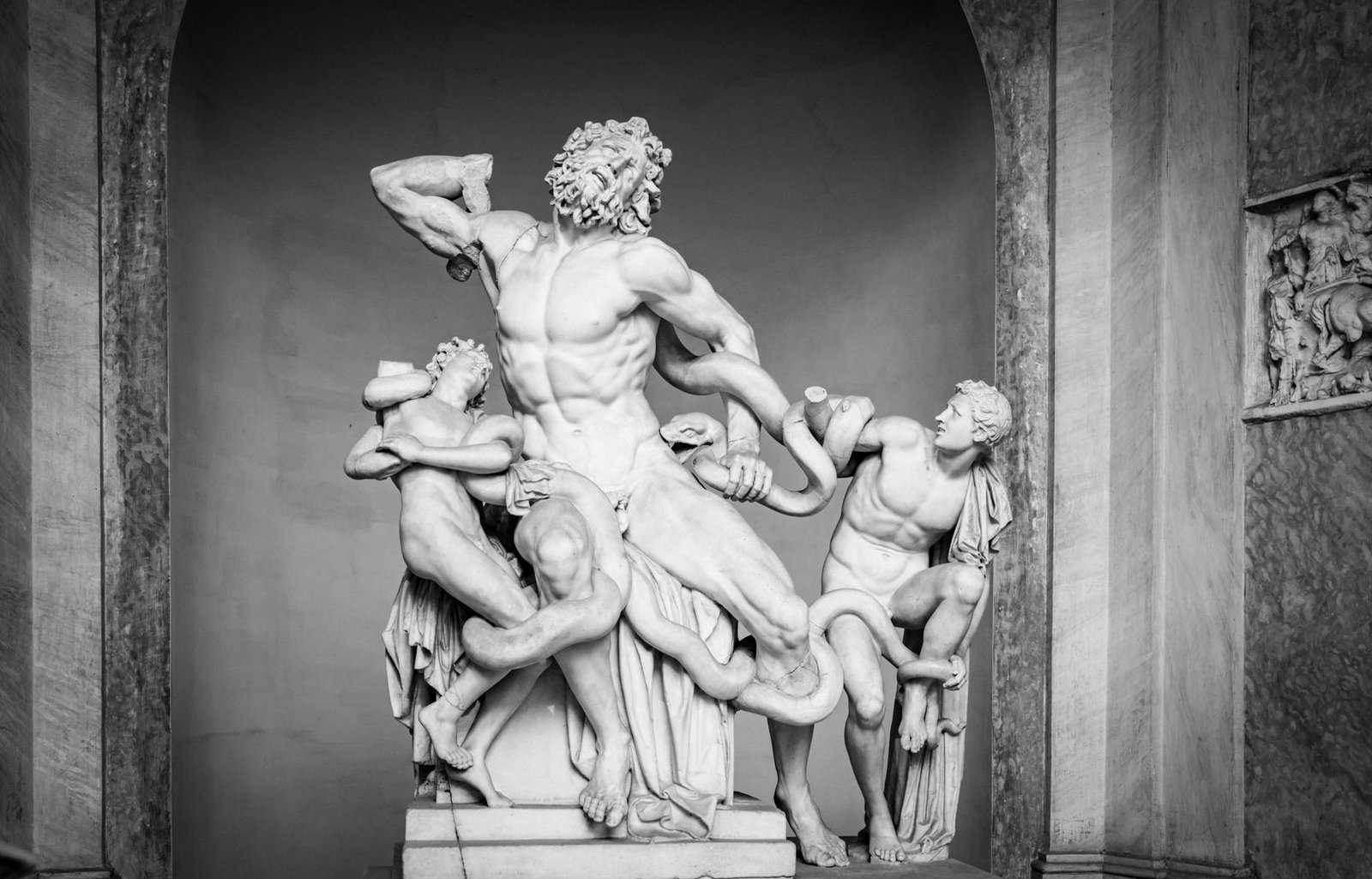
The Gigantomachy is the celebrated Greek myth of the Olympian gods’ war against the Giants, a cosmic struggle that embodies the victory of order over chaos. This article traces its origins, its distinction from the Titanomachy, and its powerful role in ancient religion and Athenian art, inviting a closer look at why the tale endured.
Typhon’s Rebellion Against Zeus in Greek Mythology
Typhons rebellion against Zeus stands among the great conflicts of Greek mythology, pitting the king of the gods against a monstrous challenger who threatened the order of the cosmos. Rooted in ancient traditions and retold by later writers, the myth explores divine kingship, chaotic force, and the struggle that secured Zeus’ supremacy.
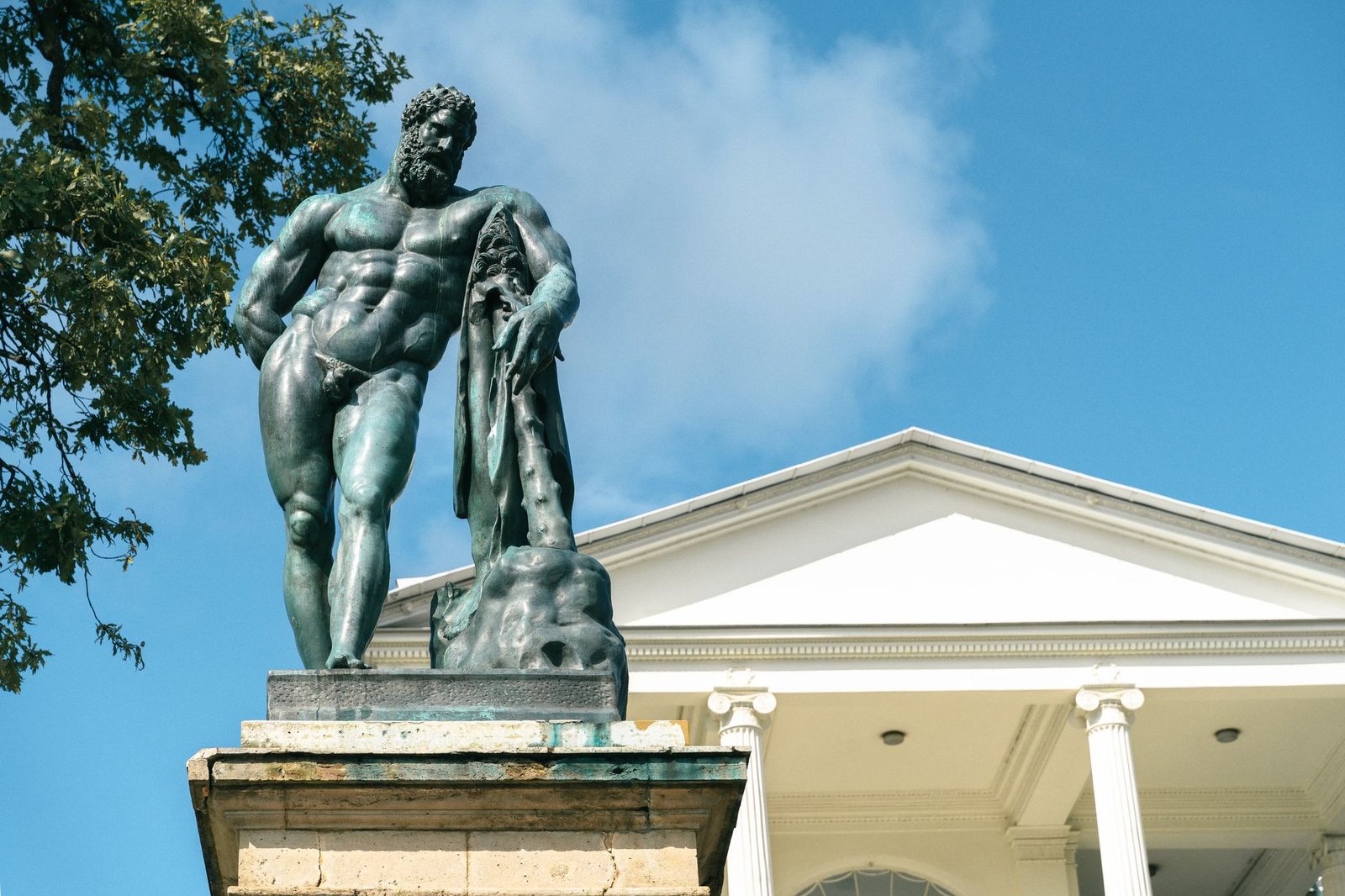
Zeus and Ganymede: Greek Mythology Story and Meaning
Zeus and Ganymede is one of Greek mythology’s most enduring stories, centered on the abduction of a beautiful Trojan youth by Zeus, who brings him to Olympus as cupbearer to the gods. Beyond its dramatic narrative, the myth reveals ancient ideas about divine favor, immortality, royal compensation, and the cultural meaning of beauty—details that make its many versions especially intriguing.
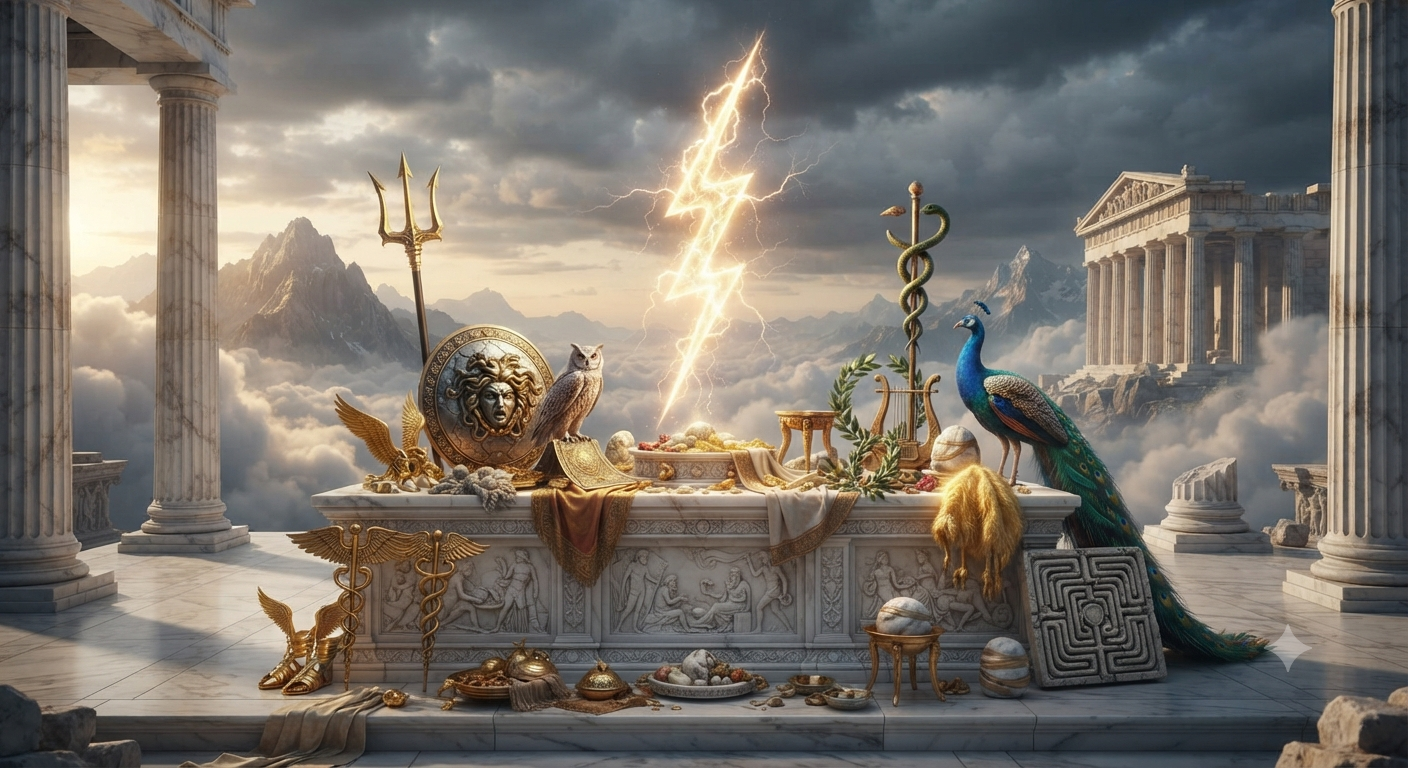
Greek Symbols: The Complete Guide to the Sacred Objects and Signs of Greek Mythology
Greek mythology’s sacred objects gave visible, recognizable form to divine power, allowing worshippers, artists, and storytellers to identify a god’s ...
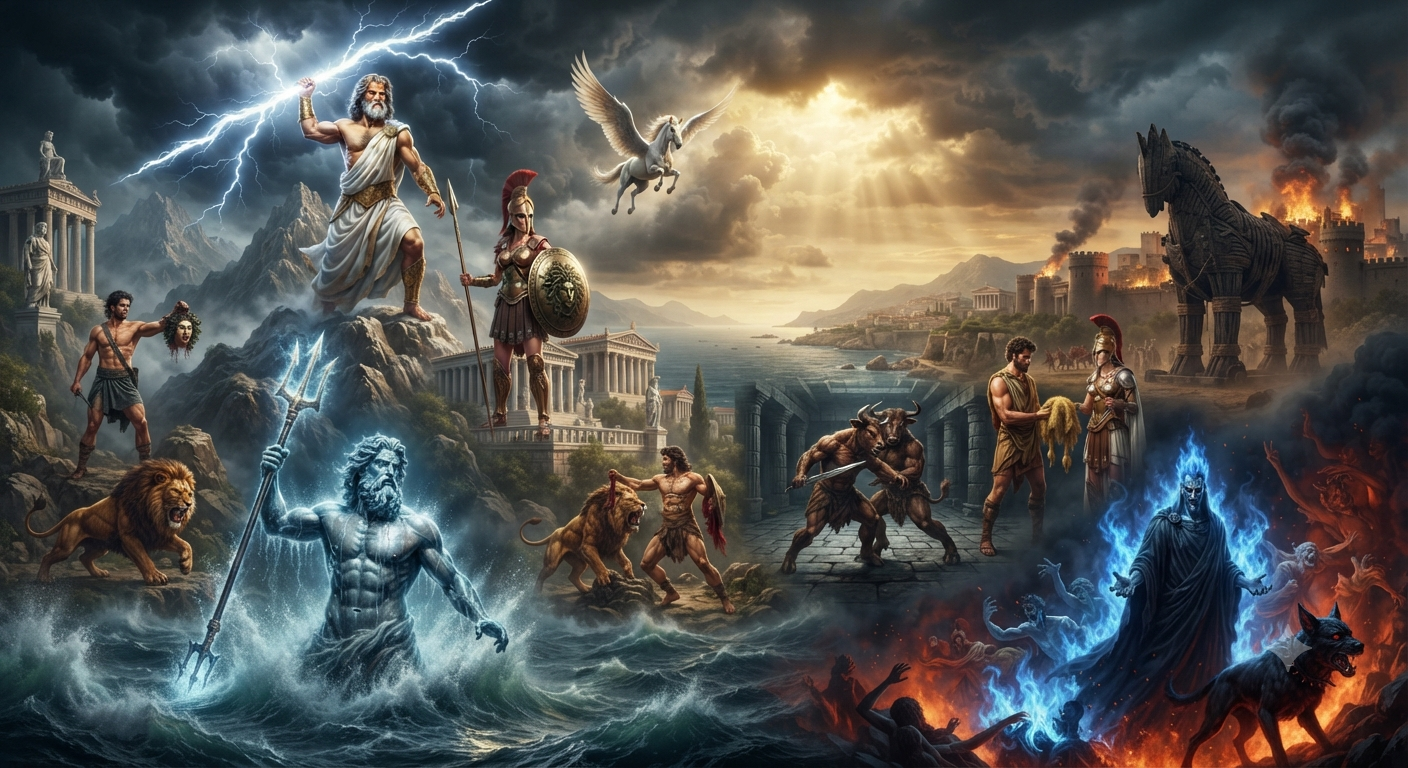
Greek Myths and Legends: The Complete Guide
Greek mythology is built not only from its gods and monsters but from the stories that connect them — tales ...