Roman kings
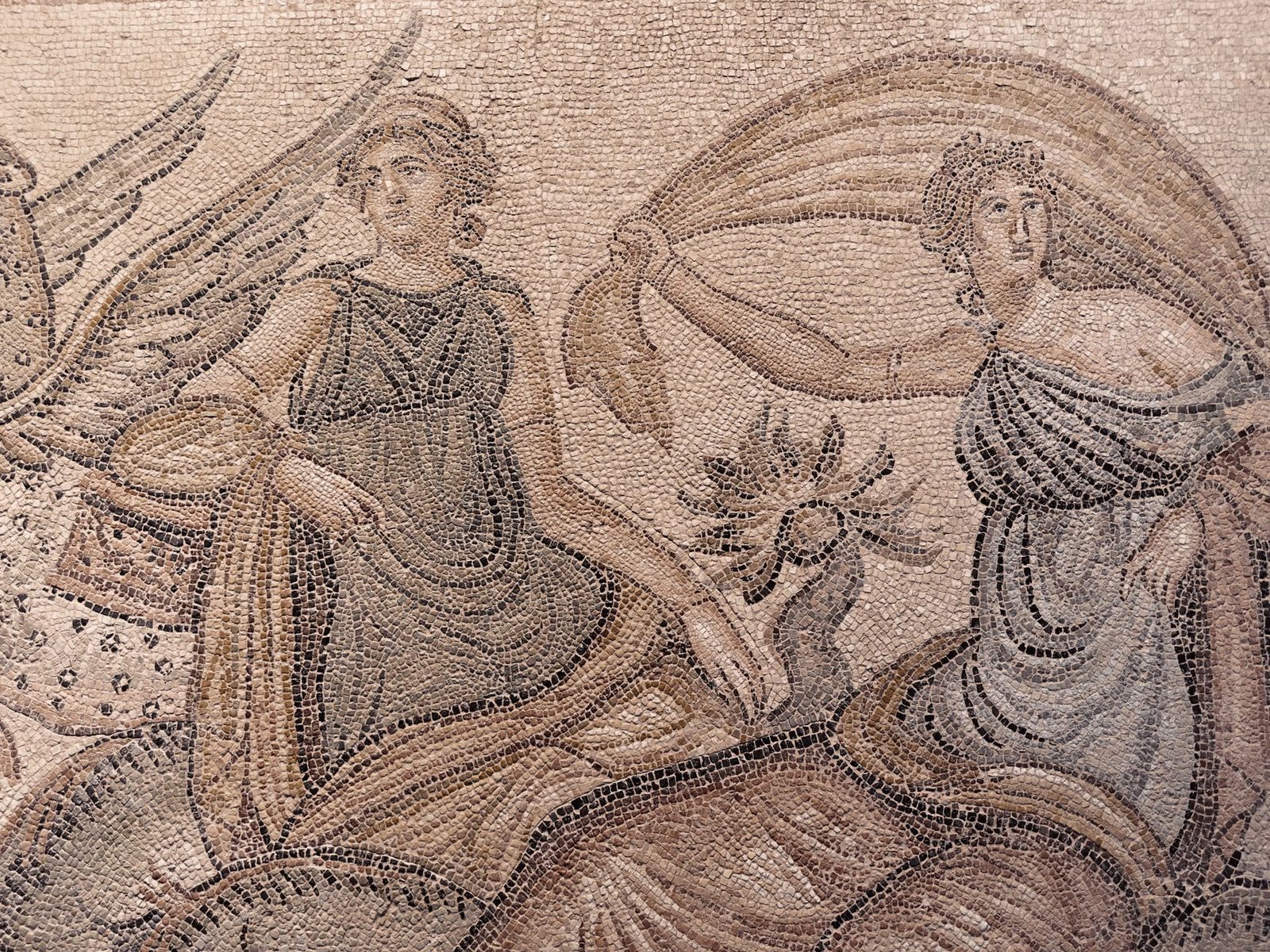
Numa Pompilius and the Nymph Egeria: Roman Legend
Numa Pompilius and the nymph Egeria stand at the crossroads of Roman legend and religious history, linking the city’s second king with the divine source of his reforms. This article explores how ancient writers used their association to explain Rome’s rites, calendar, and priesthoods, while revealing the shifting traditions that kept Egeria’s role both sacred and mysterious.
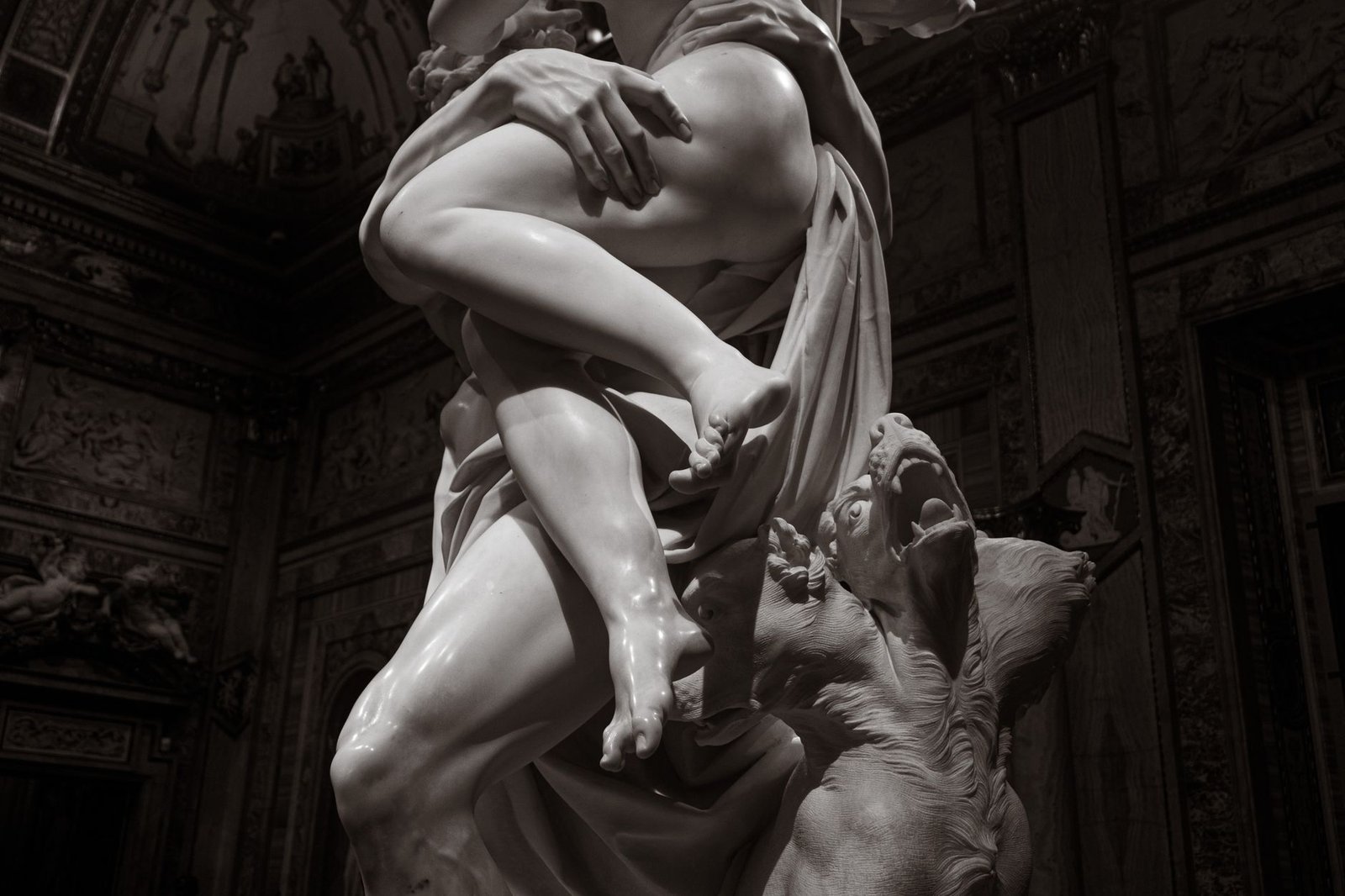
The Rape of Lucretia: Meaning, Summary, and Significance
The Rape of Lucretia is a foundational Roman narrative of sexual violation, public shame, and political rupture, centered on the noblewoman Lucretia and Sextus Tarquinius, son of Rome’s last king. Revered in Roman memory as the catalyst for the overthrow of the monarchy, the story continues to shape discussions of power, gender, and the origins of the Roman Republic.

Founding of Rome: Myth or History Explained
The founding of Rome lies between myth and history, preserving the legendary tale of Romulus and Remus while also reflecting the real growth of Iron Age settlements along the Tiber. This article examines how Roman tradition, archaeology, and later historical writing shaped the enduring question of whether Rome began in 753 BCE or emerged gradually from earlier communities.