Shinto
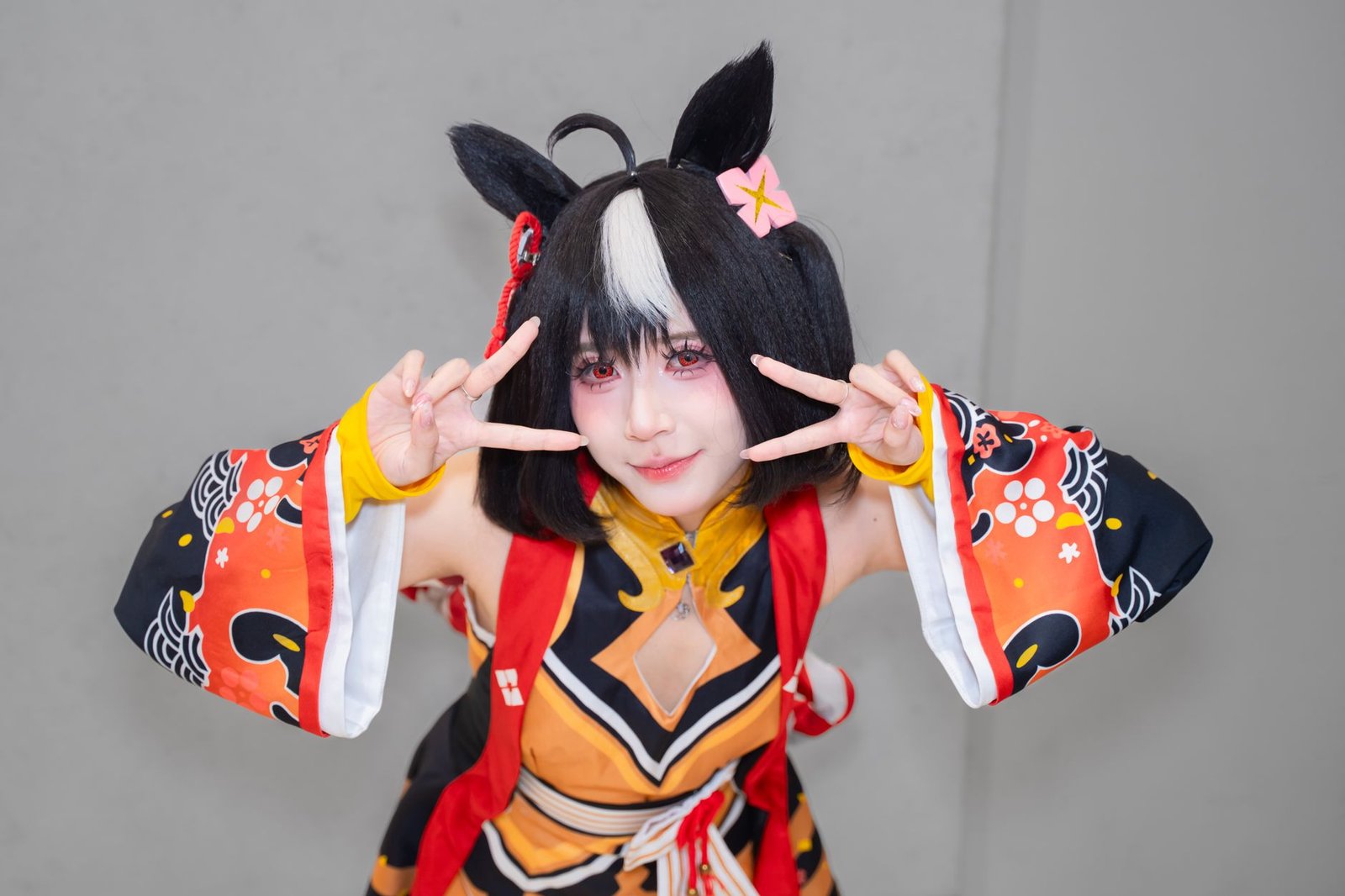
Ninigi: Japanese Mythology Deity and Imperial Ancestor
Ninigi is a central figure in Japanese mythology, remembered as the grandson of Amaterasu and the heavenly envoy whose descent to earth links the gods with Japan’s imperial line. His story, preserved in the Kojiki and Nihon Shoki, reveals how sacred authority, the Three Sacred Treasures, and the origin of the ruling house became joined in a lasting mythic tradition.
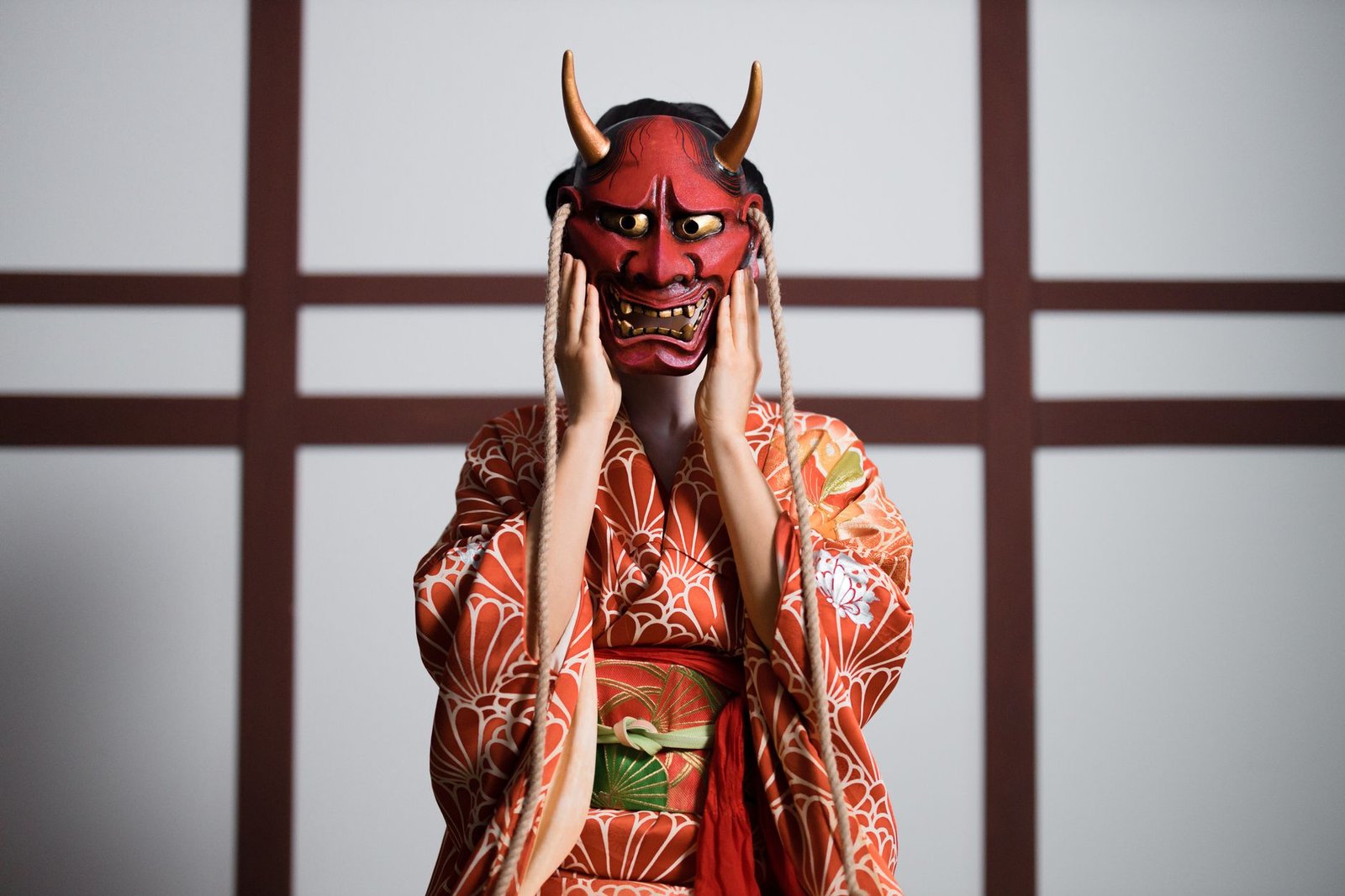
Ame-no-Uzume: Japanese Goddess of Dawn and Dance
Ame-no-Uzume, or Ame-no-Uzume-no-Mikoto, is a central deity in Japanese mythology, celebrated for dance, mirth, and the power to bring hidden things into the light. Best known for luring Amaterasu from a cave and restoring the world’s sunlight, she also shaped Shinto ritual, kagura, and traditions of performance, fertility, and renewal.

Kami vs. Western God: Key Differences Explained
The difference between a kami and a god in the Western sense lies in how each tradition understands sacred presence: kami in Shinto may be deities, natural forces, ancestral spirits, or awe-inspiring presences, while Western “gods” are usually more distinct, personal beings with defined roles. This article examines the term’s origins, translation challenges, and why careful comparison is essential for understanding Japanese religion without imposing outside assumptions.

Omoikane: Japanese God of Wisdom and Wisdom Lore
Omoikane is a central figure in Japanese mythology, revered as the god of wisdom, intelligence, planning, and wise counsel. This encyclopedia-style article explores his origins in the *Kojiki* and *Nihon Shoki*, his role as a divine strategist in moments of crisis, and the enduring cultural meaning of Omoikane in Shinto belief and beyond.