Shinto
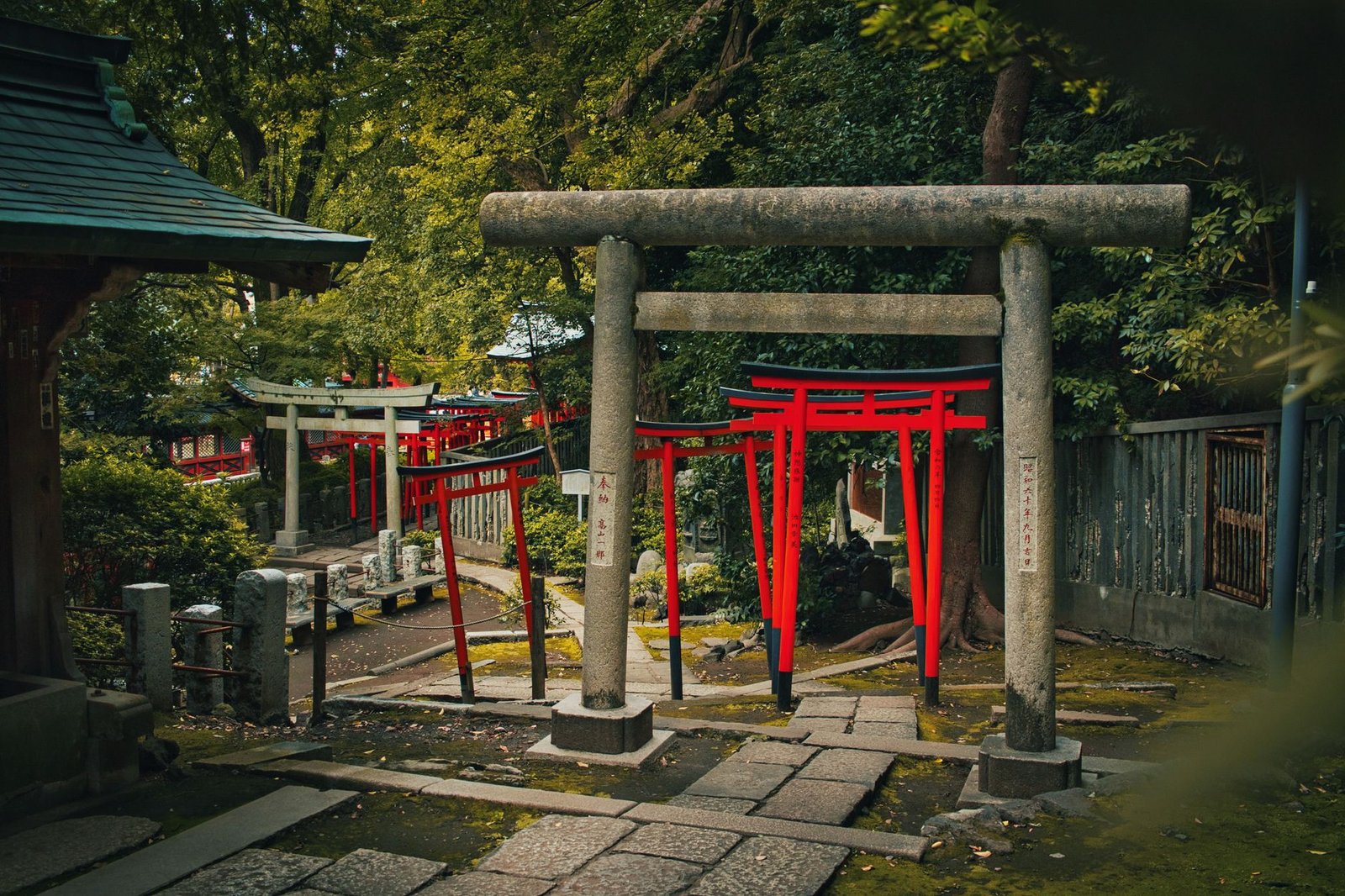
Torii Gate: Meaning, History, and Cultural Significance
A torii gate is one of Japan’s most recognizable symbols, marking the boundary between the ordinary world and a sacred Shinto space. Its origins, meanings, and architectural variations reveal a history that is both deeply religious and broadly cultural, inviting closer attention to how this simple form became so enduring.
Yata No Kagami: The Sacred Mirror of Japanese Mythology
Yata no Kagami, the Sacred Mirror of Japanese mythology, is one of Japan’s three Imperial Regalia and a central symbol in the story of Amaterasu, the sun goddess and divine ancestor of the imperial line. Revered as an emblem of truth, wisdom, and legitimacy, it remains shrouded in secrecy, inviting closer study of its mythic origins, ritual role, and enduring political significance.
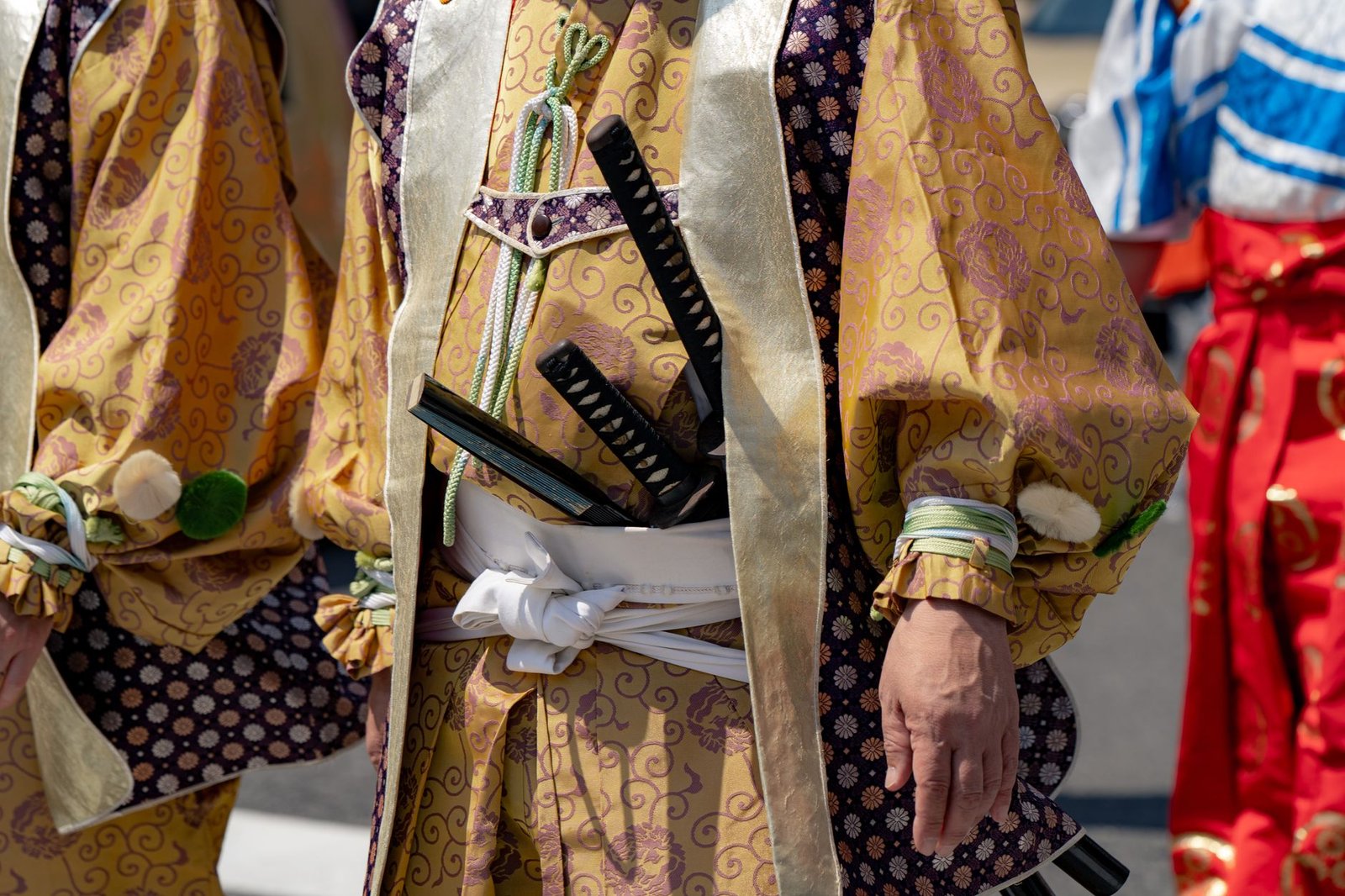
Kusanagi No Tsurugi: The Sacred Sword of Japan
Kusanagi no Tsurugi, the sacred sword of Japanese tradition, is one of the Three Imperial Regalia and a powerful symbol of imperial legitimacy, divine favor, and the continuity of the throne. Rooted in myths of Susanoo, Yamato Takeru, and Amaterasu, its story blends ritual, politics, and legend, inviting closer examination of how a hidden object can shape national identity.

Yasakani No Magatama: Sacred Jewel of Japan
Yasakani no Magatama is a central object in Japanese mythology and imperial tradition, revered as one of the Three Imperial Regalia alongside the sword and mirror. This article traces its ancient origins, symbolic role in legitimizing imperial authority, and the mystery surrounding a sacred jewel that remains hidden from public view.
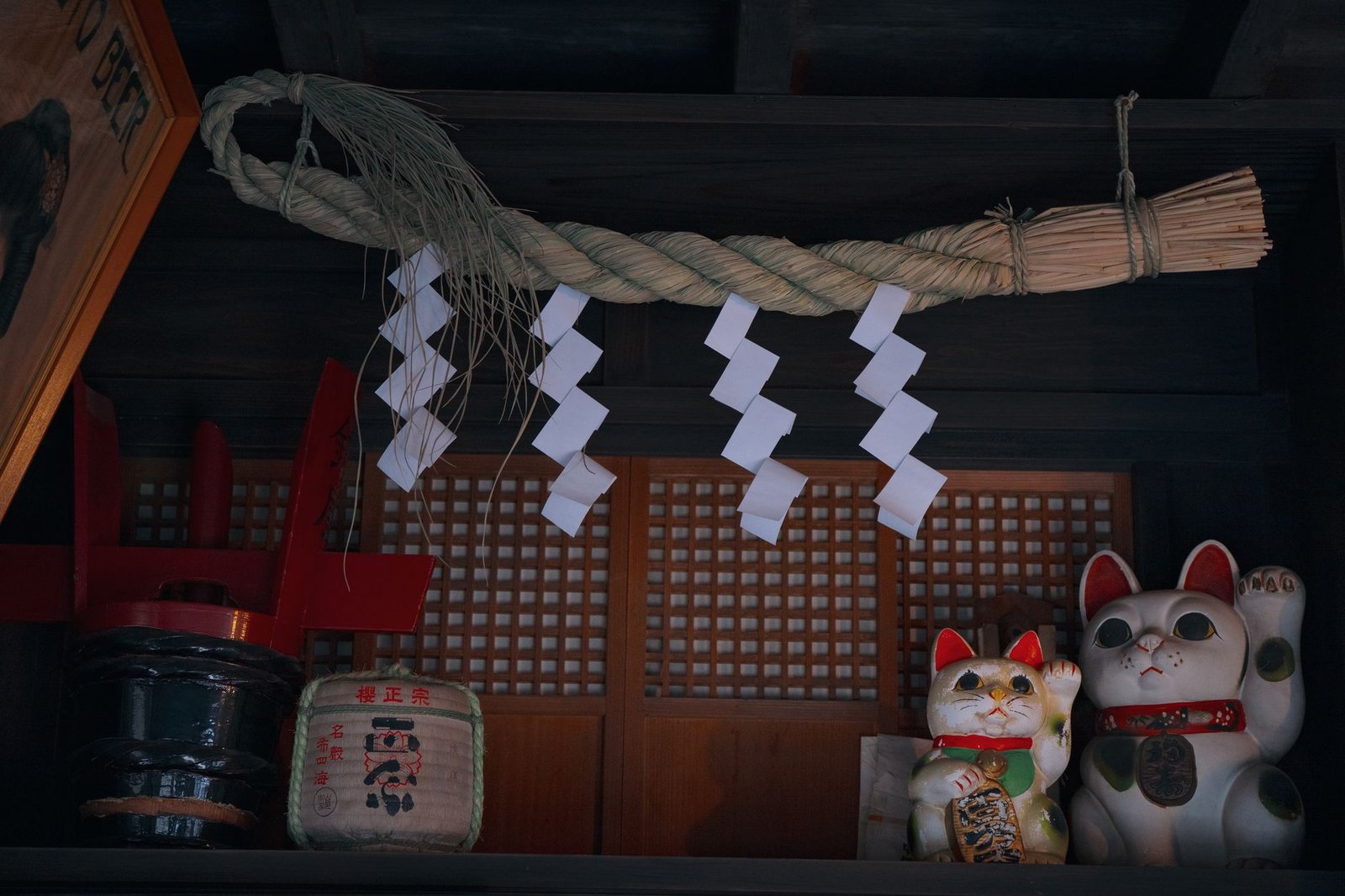
Shimenawa: Japanese Sacred Rope and Shinto Tradition
Shimenawa are sacred ropes in Shinto that mark spaces, objects, and natural forms as pure, protected, and set apart for kami. Made from braided straw, hemp, or other fibers, they reveal how Japanese ritual life connects boundary, purification, and reverence for nature in a single, enduring symbol.
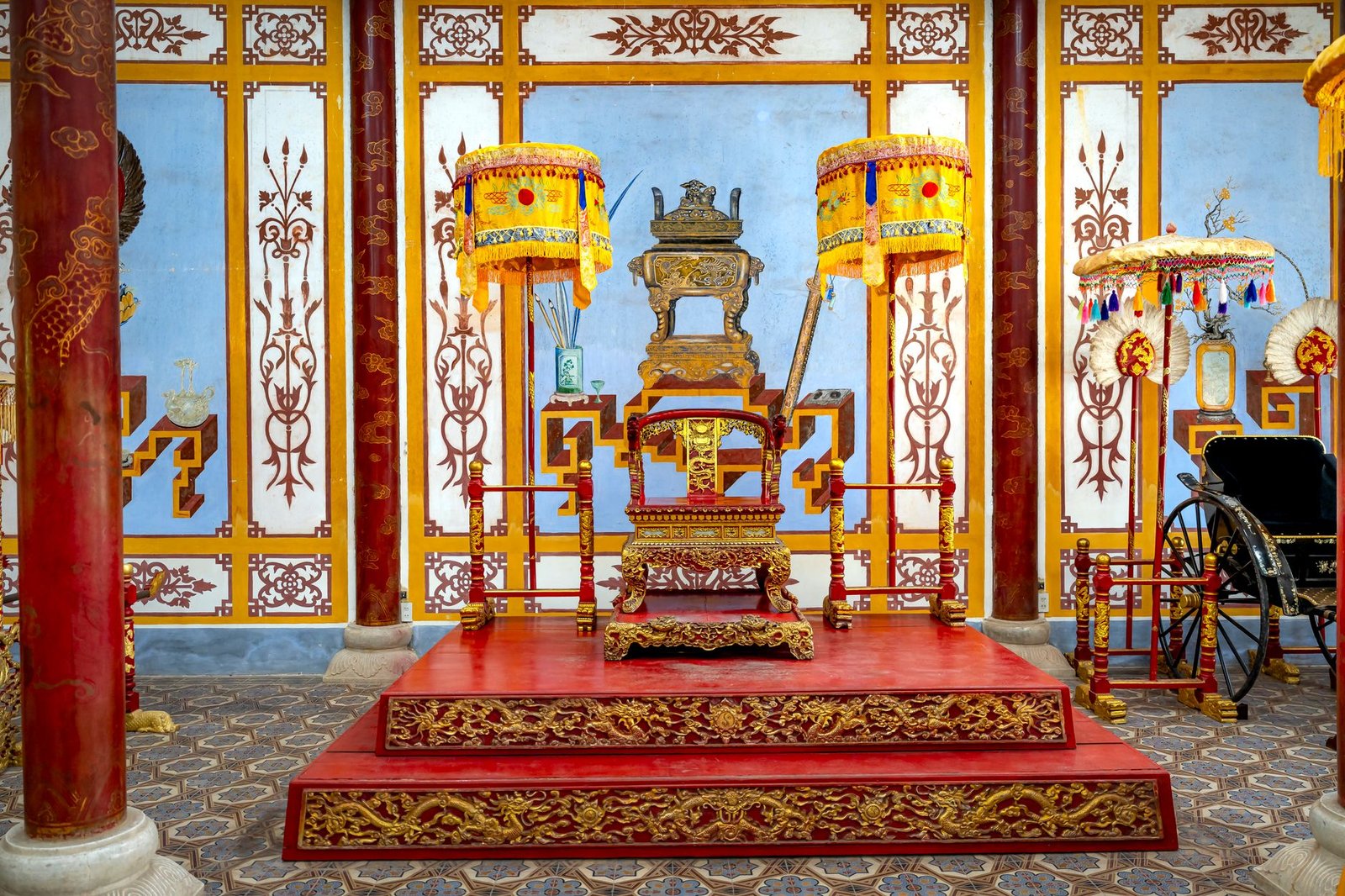
What Are the Three Imperial Regalia in Japanese History
The Three Imperial Regalia are Japan’s sacred sword, mirror, and jewel, symbols of imperial legitimacy rooted in Shinto mythology and the legends of Amaterasu. Rarely displayed and steeped in ritual secrecy, they reveal how divine authority, historical tradition, and national identity became inseparable in the Japanese imperial house.
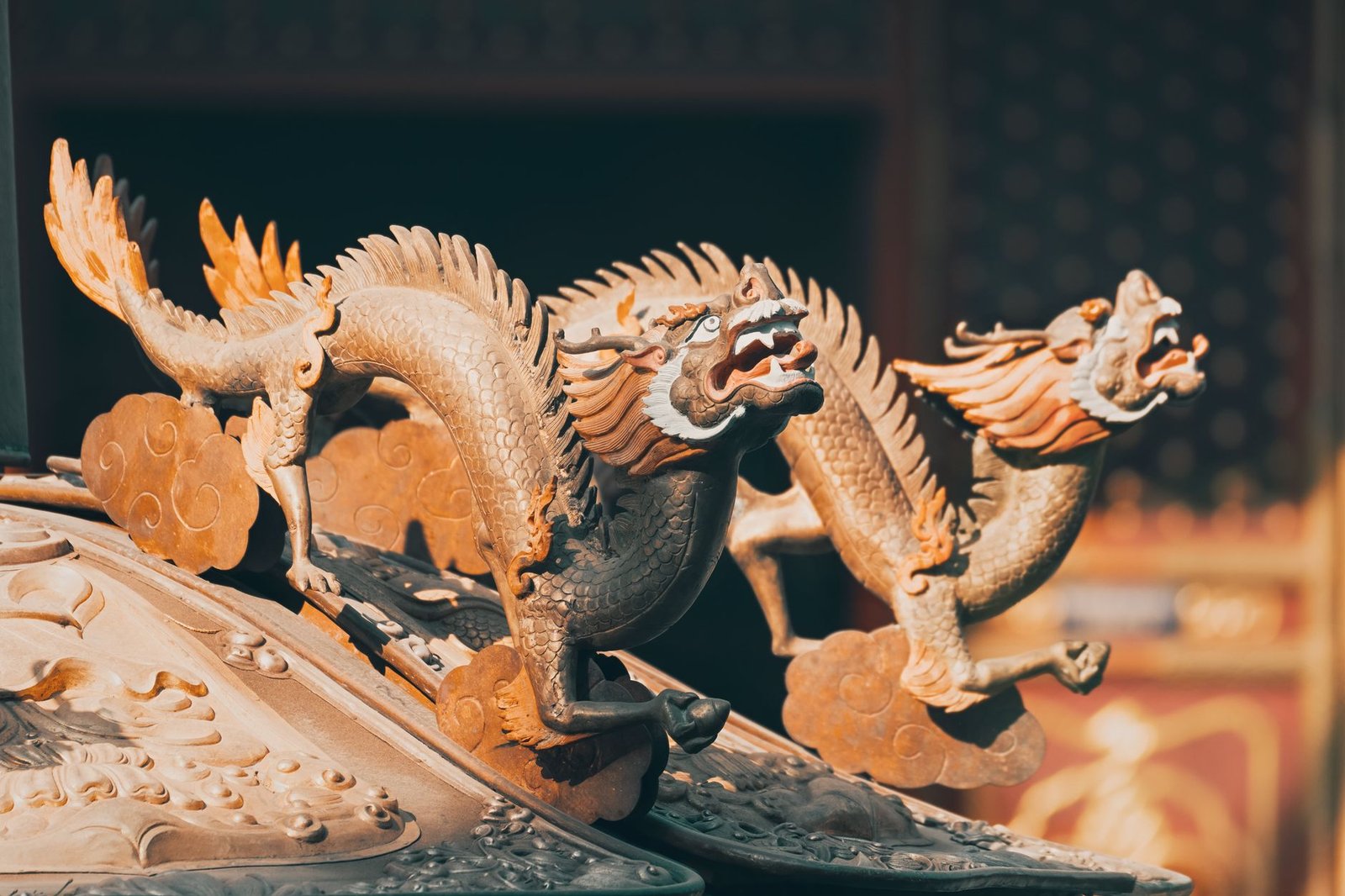
Ryujin: Meaning, Origin, and Cultural Significance
Ryujin is the dragon god of the sea in Japanese mythology, a powerful water deity linked to tides, storms, rain, and the deep ocean. Blending native beliefs with Chinese and Buddhist dragon traditions, Ryujin appears in legends as ruler of an underwater palace, a guardian of life, and a figure whose influence reaches religion, folklore, and art.
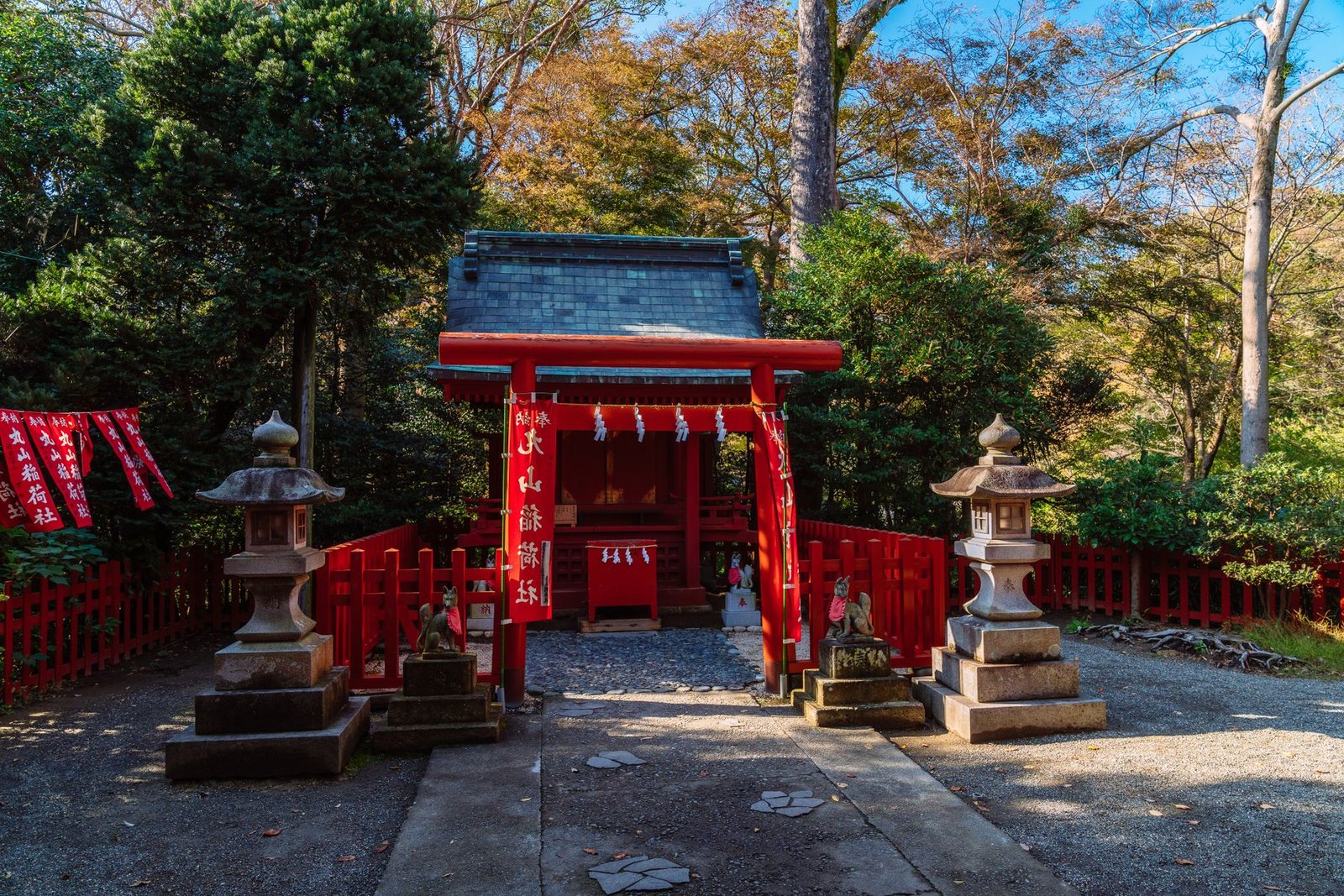
Hachiman: Shinto God of War and Protector of Japan
Hachiman is a major kami in Japanese religion, revered as a protector of warriors, communities, and the imperial house, while also reflecting the blending of native belief with Buddhist influence. This article traces his origins, the meaning of his name, and the rise of Hachiman shrines, revealing why this complex deity became central to Japanese history and worship.
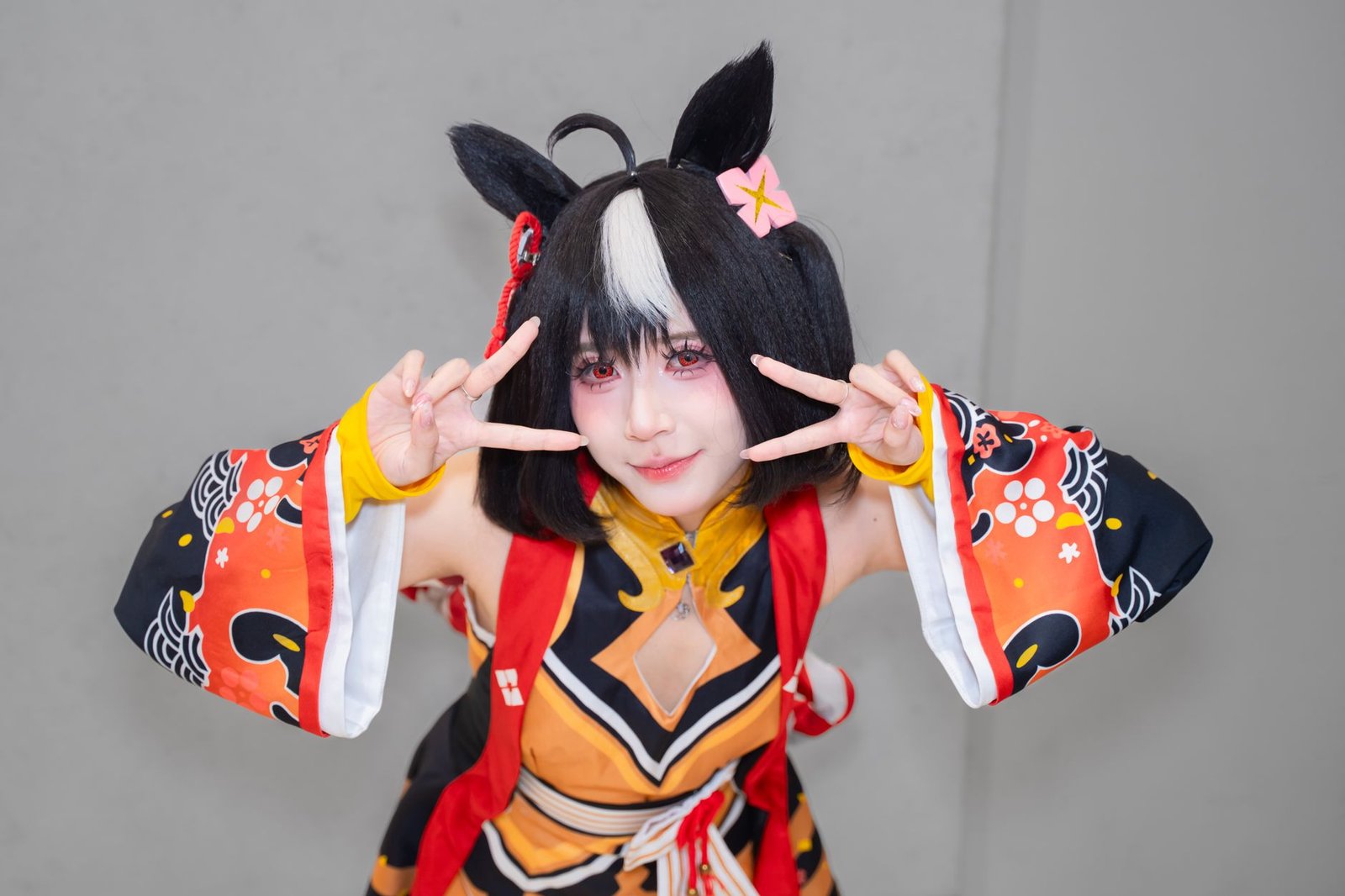
Ninigi: Japanese Mythology Deity and Imperial Ancestor
Ninigi is a central figure in Japanese mythology, remembered as the grandson of Amaterasu and the heavenly envoy whose descent to earth links the gods with Japan’s imperial line. His story, preserved in the Kojiki and Nihon Shoki, reveals how sacred authority, the Three Sacred Treasures, and the origin of the ruling house became joined in a lasting mythic tradition.
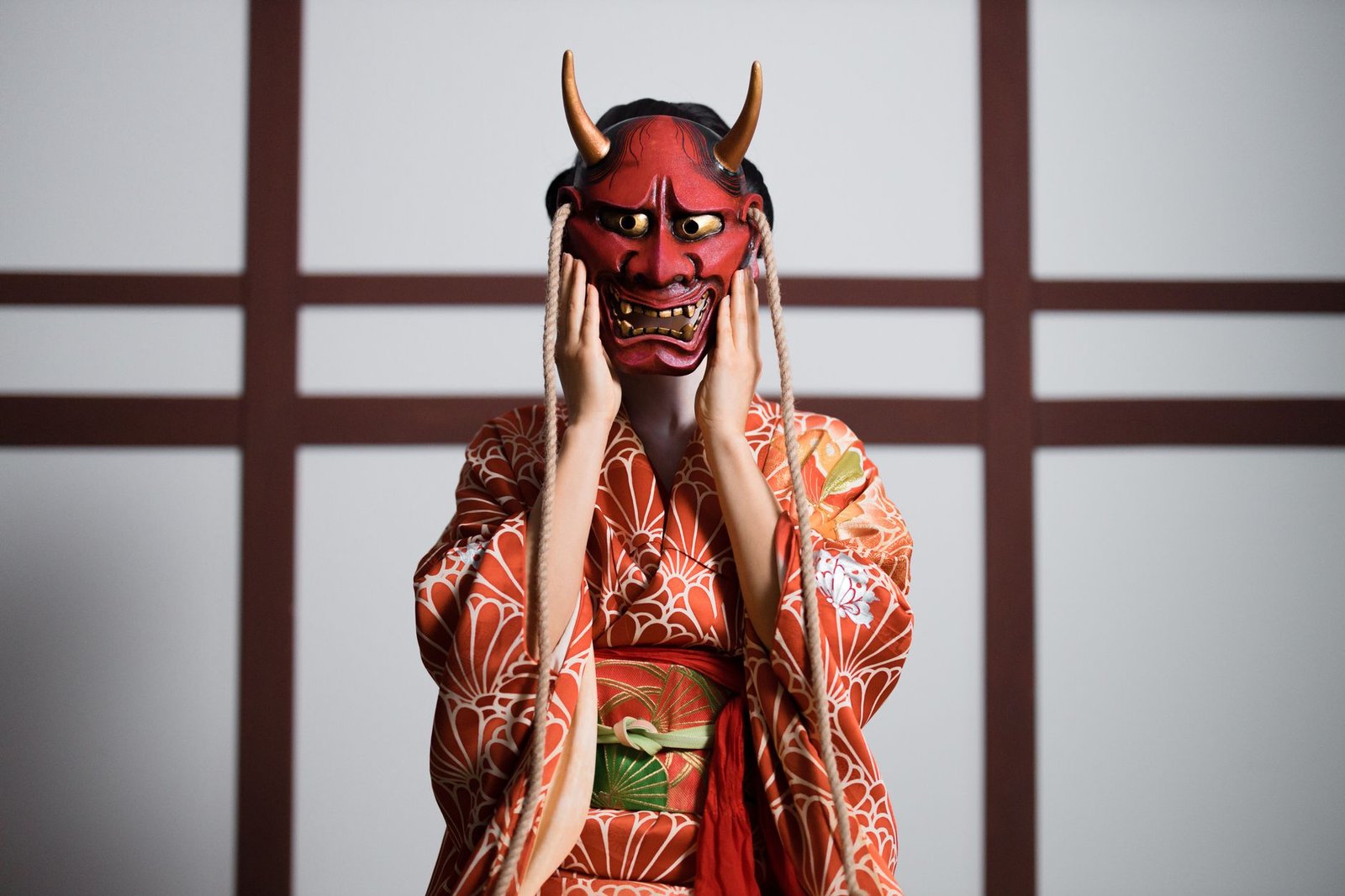
Ame-no-Uzume: Japanese Goddess of Dawn and Dance
Ame-no-Uzume, or Ame-no-Uzume-no-Mikoto, is a central deity in Japanese mythology, celebrated for dance, mirth, and the power to bring hidden things into the light. Best known for luring Amaterasu from a cave and restoring the world’s sunlight, she also shaped Shinto ritual, kagura, and traditions of performance, fertility, and renewal.