Susanoo
Yamata no Orochi: Japanese Eight-Headed Serpent Myth
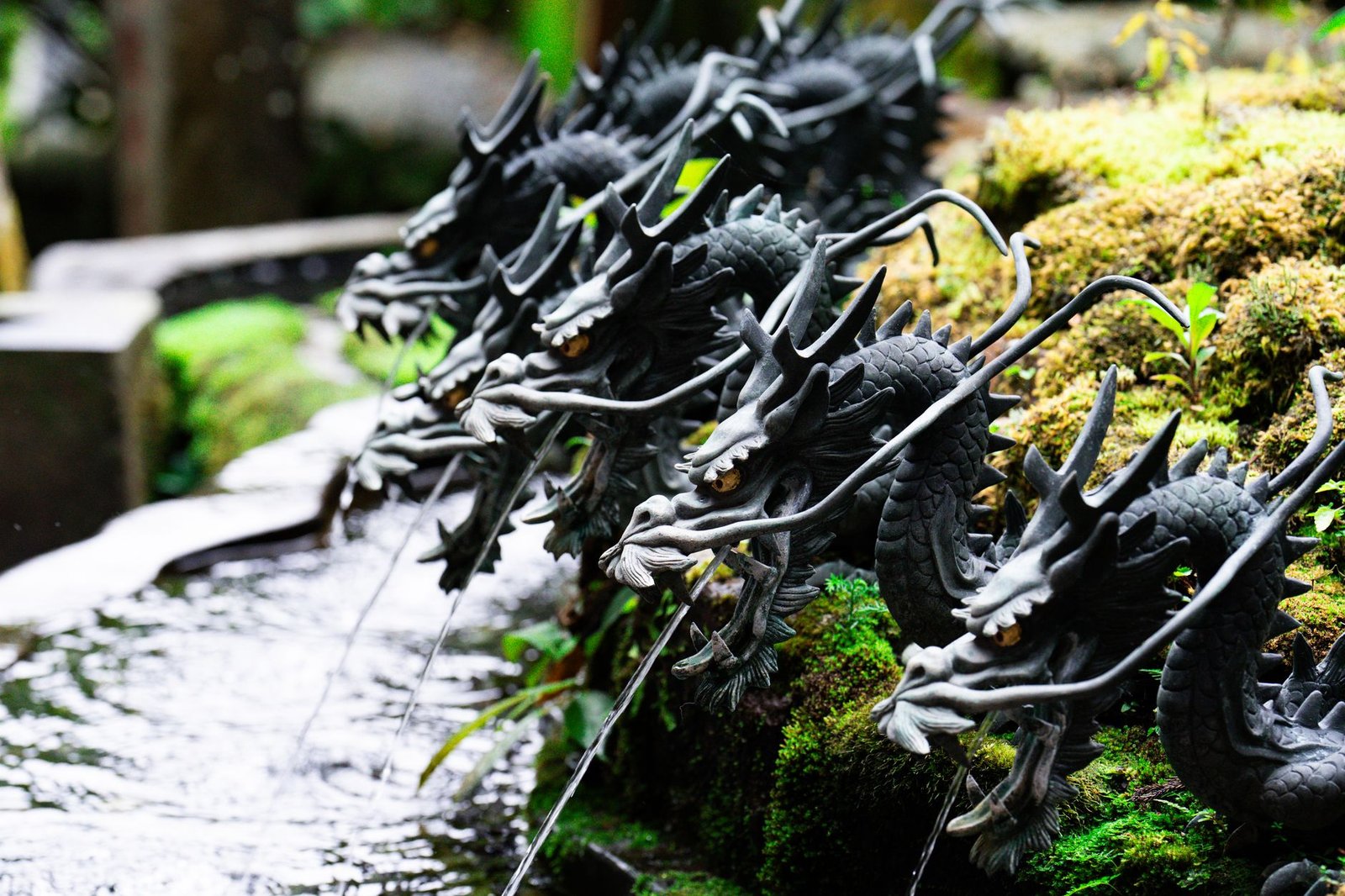
Yamata no Orochi is the legendary eight-headed serpent of Japanese mythology, best known from the *Kojiki* and *Nihon Shoki*, where the storm god Susanoo defeats it and gains the sacred sword Kusanagi-no-Tsurugi. Its myth links divine combat, ritual sacrifice, and royal legitimacy, revealing why this fearsome creature has remained central to Japanese religious tradition and cultural imagination.
Kusanagi No Tsurugi: The Sacred Sword of Japan
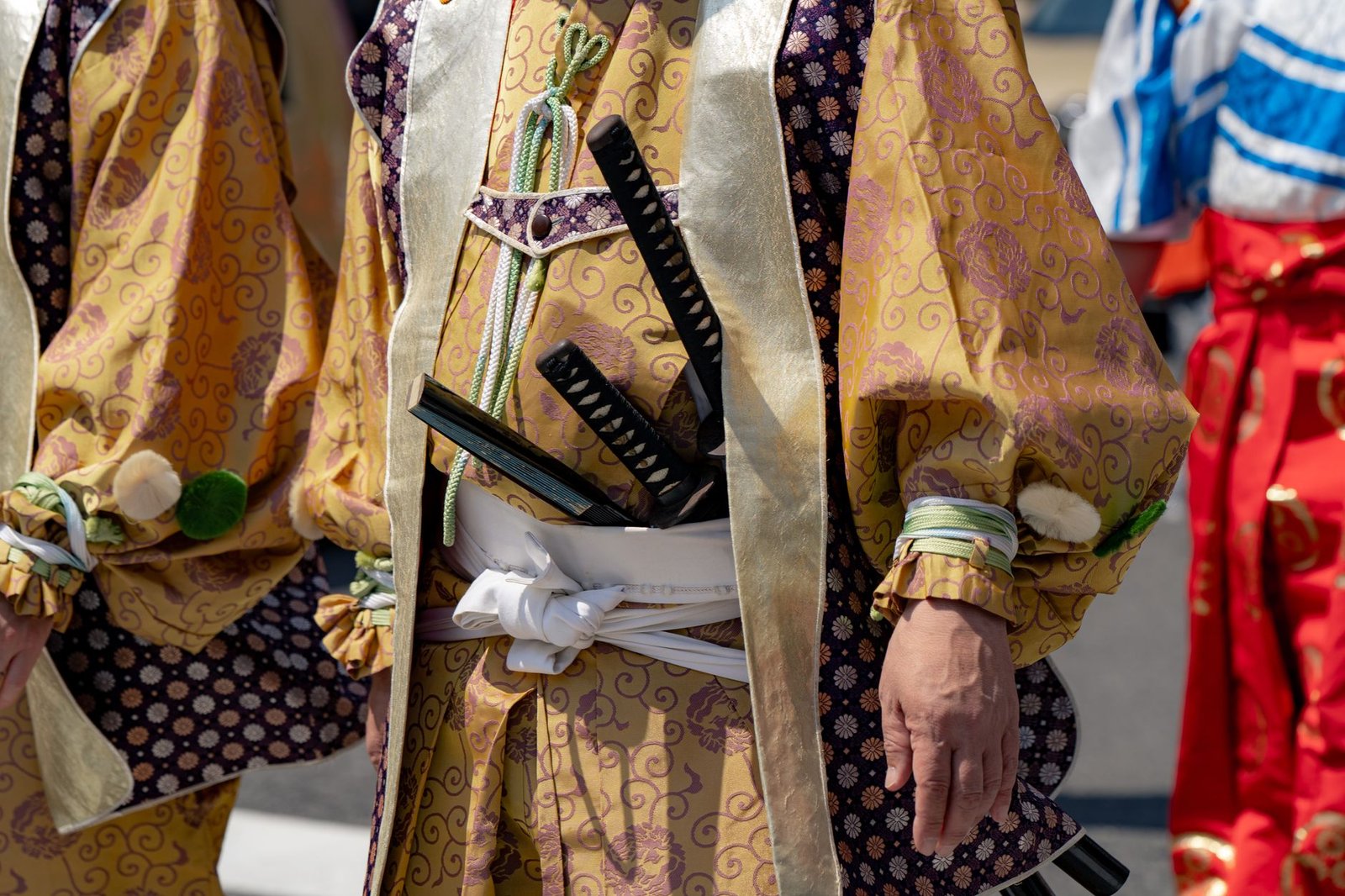
Kusanagi no Tsurugi, the sacred sword of Japanese tradition, is one of the Three Imperial Regalia and a powerful symbol of imperial legitimacy, divine favor, and the continuity of the throne. Rooted in myths of Susanoo, Yamato Takeru, and Amaterasu, its story blends ritual, politics, and legend, inviting closer examination of how a hidden object can shape national identity.
Susanoo: Japanese God of Storms and Sea
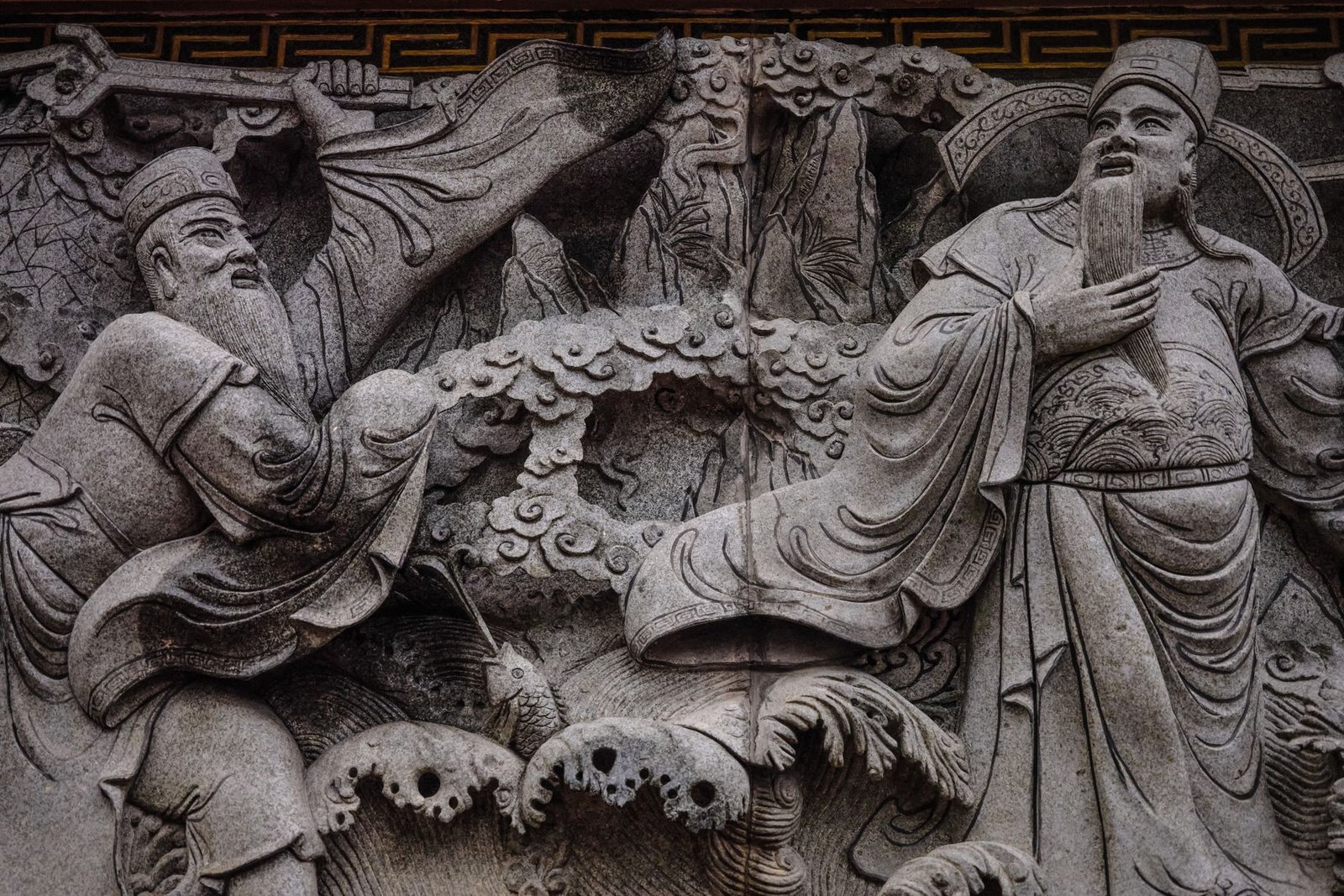
Susanoo is a central deity in Japanese mythology, remembered as a storm god, sea deity, and disruptive force whose myths appear in the Kojiki and Nihon Shoki. His conflict with Amaterasu and defeat of Yamata no Orochi reveal a figure who can bring both calamity and renewal, leaving a legacy that still shapes religion, literature, art, and popular culture.
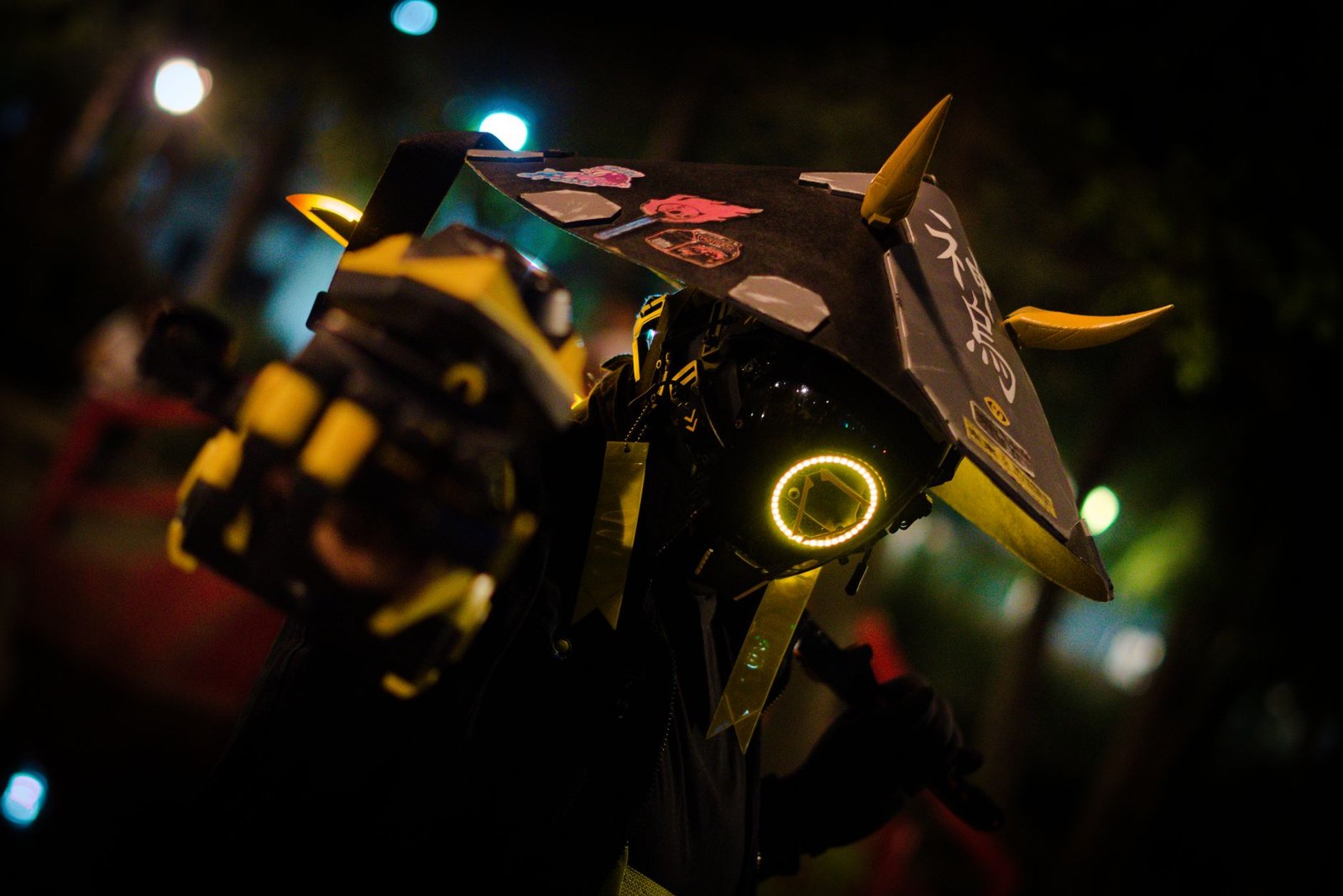
Tsukuyomi: Japanese Moon God in Shinto Mythology
Tsukuyomi, the Japanese moon god in Shinto mythology, stands among Japan’s oldest deities as the elusive sibling of Amaterasu and Susanoo. This article explores his uncertain origins, sparse appearances in the classical chronicles, and enduring role as a symbol of moonlight, night, and the ordered balance of the heavens.