What Is the Difference Between Viking Age Symbols and Modern Norse Symbols?
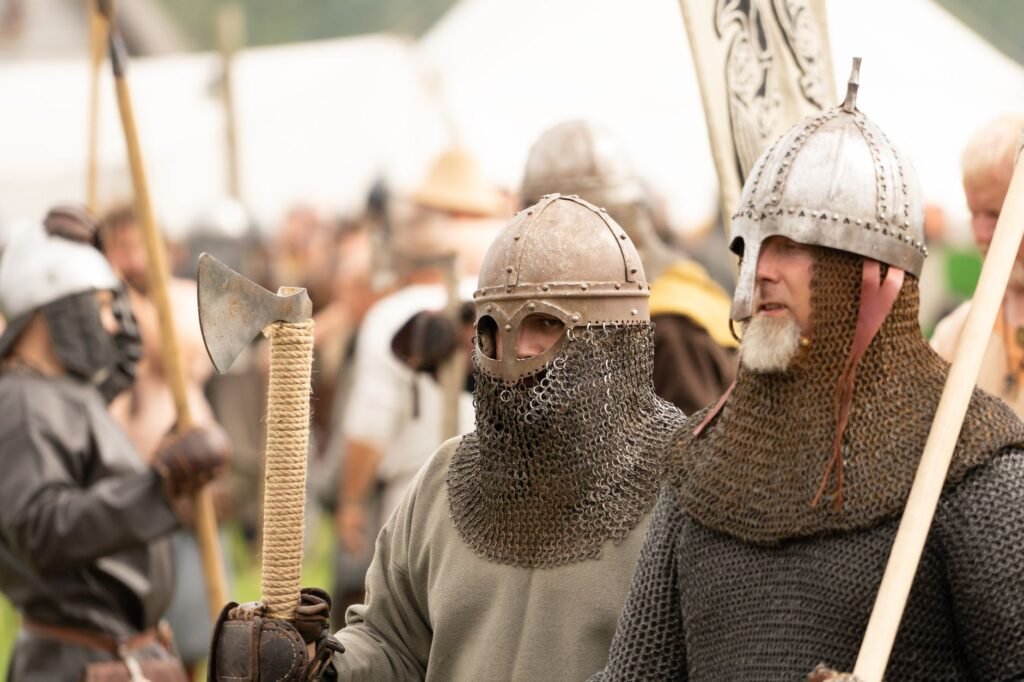
Norse symbols are everywhere today: on jewelry, tattoos, clothing, fantasy artwork, and even brand logos. Many people use them to express strength, heritage, protection, or fascination with Norse mythology. But not every “Norse” symbol seen today comes directly from the Viking Age.
So, what is the difference between Viking Age symbols and modern Norse symbols? The short answer is that Viking Age symbols were used by people living roughly between the late 8th and 11th centuries, while modern Norse symbols often come from later manuscripts, folklore, revival movements, or contemporary reinterpretations.
Understanding the difference helps separate historical evidence from modern meaning.
What Were Viking Age Symbols?
Viking Age symbols are designs, marks, or images that appear in archaeological finds from the Viking Age. These may be found on:
- Rune stones
- Weapons
- Jewelry
- Coins
- Ship carvings
- Burial goods
- Everyday objects
These symbols were used by Norse-speaking people across Scandinavia and in areas they traveled, traded, raided, or settled. However, their meanings were not always written down clearly. Much of what we know comes from archaeology, comparison, and later written sources.
Common Viking Age Symbols
Some symbols have stronger connections to the Viking Age than others. Examples include:
- Mjölnir, Thor’s hammer
- Runes, especially from the Younger Futhark alphabet
- Animal-style designs, such as serpents, birds, and beasts
- The Valknut, often linked today with Odin, though its exact meaning is debated
- Ship imagery, connected with travel, status, and burial customs
These symbols were part of a living culture. They may have had religious, social, protective, decorative, or identity-based meanings.
What Are Modern Norse Symbols?
Modern Norse symbols are designs used today to represent Norse mythology, Viking identity, spirituality, or Scandinavian heritage. Some are based on actual Viking Age artifacts. Others come from much later sources or are modern inventions inspired by Norse themes.
Modern Norse symbols often appear in:
- Tattoos
- Pendants and rings
- Pagan or heathen spiritual practice
- Fantasy books, games, and films
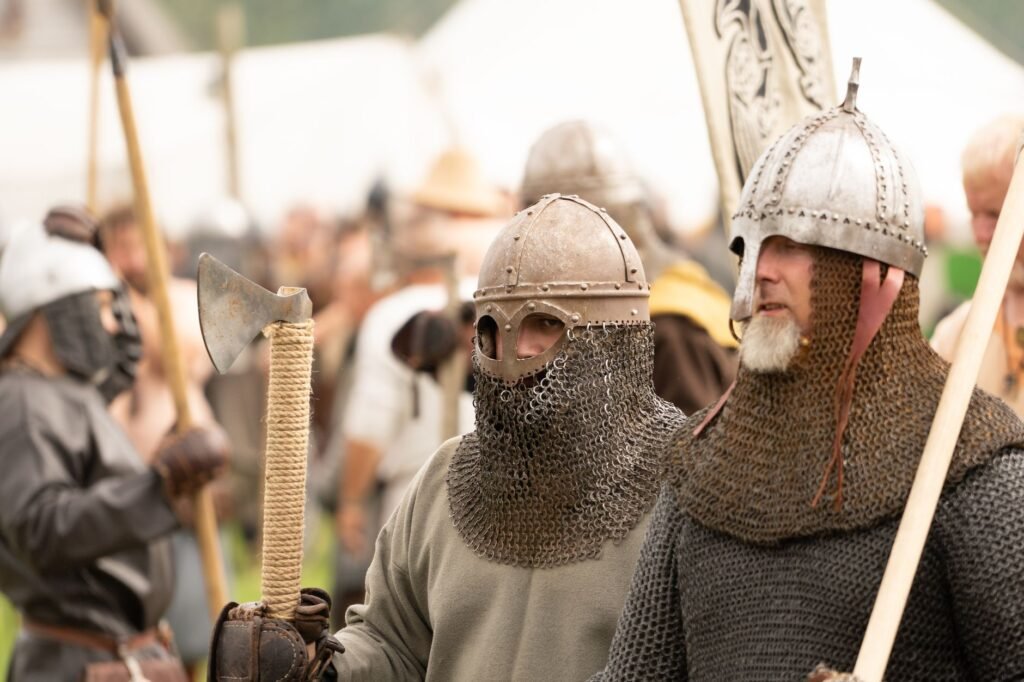
- Historical reenactment
- Online communities
The key point is that modern use does not always equal Viking Age use.
Common Modern Norse Symbols
Some of the most popular modern Norse symbols include:
- Vegvísir, often called the “Viking compass”
- Ægishjálmur, the Helm of Awe
- Bind runes, made by combining runes into one design
- Triple horn of Odin
- Modern rune circles
- Stylized Yggdrasil trees
Many of these symbols have real roots in Nordic tradition, but not always in the Viking Age itself.
The Main Difference: Historical Evidence
The biggest difference between Viking Age symbols and modern Norse symbols is the type of evidence behind them.
Viking Age symbols are supported by physical finds from the Viking period. Archaeologists can point to objects, dates, locations, and contexts. For example, Thor’s hammer pendants have been found in Viking Age graves and settlements, making Mjölnir one of the best-attested symbols from that time.
Modern Norse symbols may be inspired by later Icelandic magical manuscripts, medieval literature, folklore, or modern spirituality. They can still be meaningful, but they are not always historically Viking.
Example: Vegvísir and the Viking Age
Vegvísir is one of the best examples of the difference between Viking Age symbols and modern Norse symbols.
Today, Vegvísir is often described as a Viking compass that helped Norse sailors find their way. It is widely used in tattoos and jewelry. However, the symbol is not known from Viking Age artifacts. It appears in Icelandic manuscripts from much later periods, especially early modern magical texts.
This does not make Vegvísir “fake,” but it does mean it should not be described as a proven Viking Age symbol. It is better understood as an Icelandic magical symbol with modern Norse associations.
Example: Mjölnir as a Viking Age Symbol
Mjölnir, Thor’s hammer, is different. Archaeologists have found many hammer-shaped pendants from the Viking Age. These objects were likely worn as signs of protection, devotion, identity, or resistance to Christian influence during a time of religious change.
Mjölnir is also mentioned in Norse myths, where Thor uses the hammer to defend gods and humans against giants and chaos. Because both archaeology and mythology support its importance, Mjölnir has a strong claim as an authentic Viking Age symbol.
Runes: Ancient Letters and Modern Meanings
Runes are another area where confusion is common. The Vikings did use runes, particularly the Younger Futhark, which had 16 characters. Runes were used for inscriptions on stones, wood, metal, and bone.
Modern rune use is often very different. Today, people may use runes for divination, magical purposes, tattoos, or personal symbolism. Some of these practices draw from later traditions or modern esoteric systems.
Also, many people use the Elder Futhark, an older rune system that predates the Viking Age. While it is ancient and Germanic, it was not the main rune alphabet used during the Viking Age.
Why the Confusion Happens
The line between Viking Age symbols and modern Norse symbols can be blurry because Norse culture has been rediscovered and reimagined many times.
Several factors contribute to the confusion:
- Later medieval texts preserved many Norse myths
- Icelandic magical manuscripts included symbols not from the Viking Age
- Romantic-era artists reshaped Viking imagery
- Modern fantasy popularized Norse themes
- Online sources often repeat simplified claims
As a result, symbols from different centuries are often grouped together under the label “Viking.”
Are Modern Norse Symbols Less Valuable?
Not necessarily. A symbol does not need to be Viking Age to be meaningful. Modern Norse symbols can represent personal strength, protection, ancestry, faith, creativity, or connection to mythology.
The important thing is honesty about origin. Calling a later symbol “Viking” can spread misinformation. But using a modern Norse symbol while understanding its background is a respectful and informed choice.
How to Tell the Difference
When looking at a Norse symbol, ask a few simple questions:
- Has it been found on Viking Age artifacts?
- Does it appear in rune stones, graves, or archaeological objects?
- Is it known mainly from later manuscripts?
- Is the meaning ancient, medieval, or modern?
- Are popular claims supported by reliable historical sources?
These questions can help separate historical symbols from later Norse-inspired designs.
Final Thoughts
The difference between Viking Age symbols and modern Norse symbols comes down to origin, evidence, and use. Viking Age symbols are tied to archaeological finds and the culture of Scandinavia from around 793 to 1066. Modern Norse symbols may come from later Icelandic magic, medieval literature, revival movements, or contemporary imagination.
Both can be powerful and meaningful, but they are not the same. Knowing the difference allows us to appreciate Norse symbolism more deeply—both as history and as living modern culture.

Orin Vale has spent the better part of two decades tracing the threads that connect the world’s oldest stories — from the halls of Asgard to the banks of the Nile, from Olympus to the jungles of the Maya. What began as a childhood fascination with flood myths and trickster gods grew into years of independent study across comparative mythology and ancient religion, always chasing the same question: what did these stories mean to the people who first told them? Orin writes for readers who want more than trivia — the ones looking for the beliefs, fears, and truths that myths were built to carry.