What Is the Web of Wyrd Symbol in Norse Mythology?
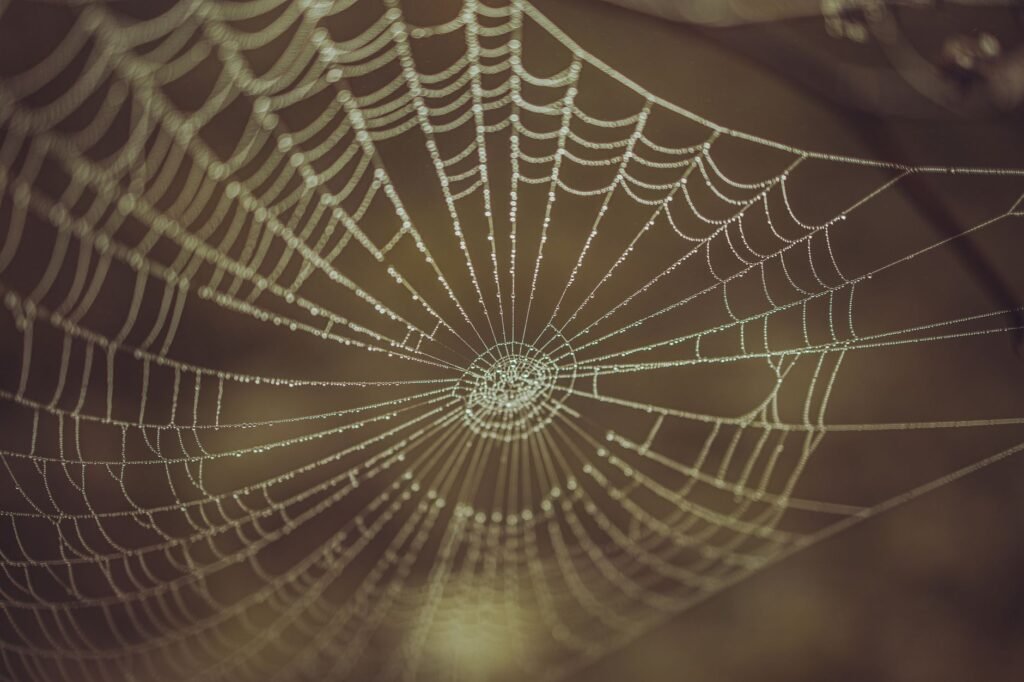
The Web of Wyrd symbol in Norse mythology is often described as a mysterious pattern of interwoven lines representing fate, destiny, and the unseen connections between all things. It is commonly associated with the Norse concept of wyrd, a word related to fate, becoming, and the unfolding of events.
Although the symbol is widely used today in modern Norse-inspired art, spirituality, and tattoo designs, its ancient origins are more complex than many people realize. To understand the Web of Wyrd, it helps to explore the Norse view of fate, the role of the Norns, and how the symbol came to represent the threads of existence.
The Meaning of Wyrd
The word wyrd comes from Old English rather than Old Norse, but it is closely related to Germanic ideas of fate. In Norse tradition, fate was not simply a fixed future waiting to happen. Instead, it was something constantly being shaped by actions, choices, ancestry, and unseen forces.
In this worldview, every event was connected to what came before it. A person’s deeds could influence their future, but they also lived within a larger pattern shaped by family, gods, spirits, and destiny.
Wyrd can be understood as:
- The unfolding of fate
- The connection between past, present, and future
- The consequences of actions
- The hidden pattern behind life events
- A force that even gods could not fully escape
This makes wyrd different from the modern idea of fate as something completely unchangeable. It is more like a living web that is always being woven.
The Norns and the Weaving of Fate
In Norse mythology, fate is strongly linked to the Norns, powerful female beings who shape the destinies of gods and humans. The three best-known Norns are:
- Urðr – often associated with the past or what has become
- Verðandi – associated with the present or what is becoming
- Skuld – associated with the future or what shall be
According to Norse myth, the Norns dwell near the roots of Yggdrasil, the World Tree. There, they care for the tree and influence the fate of all beings. They are often imagined as spinning or weaving threads of destiny, though different sources describe their work in different ways.
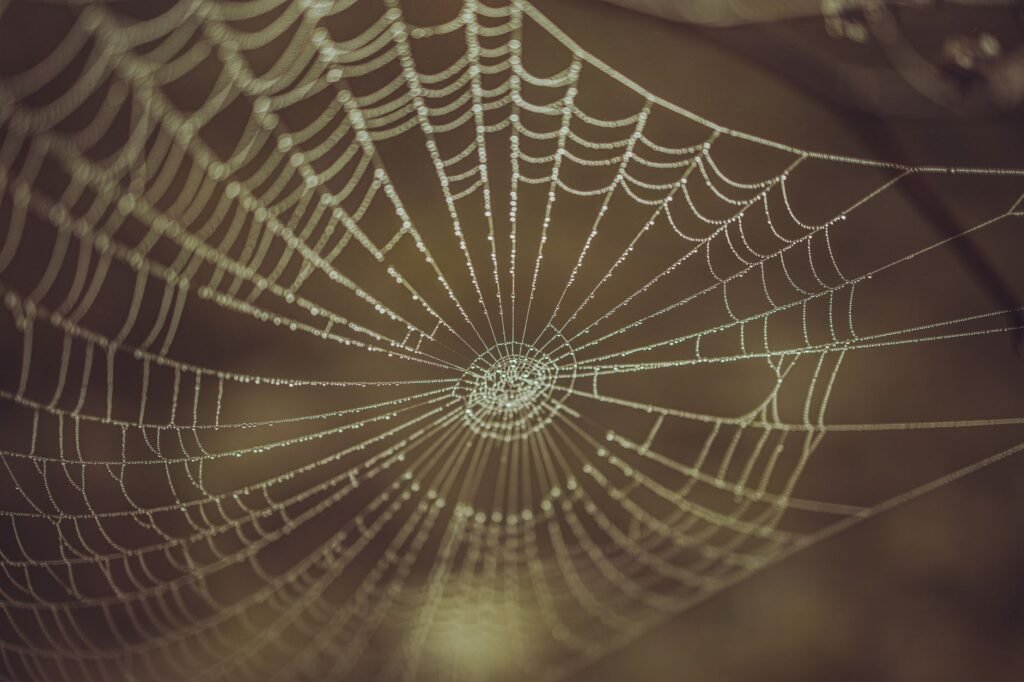
The Web of Wyrd symbol is commonly interpreted as a visual representation of this weaving. Its crossing lines suggest that every life is part of a greater design, with each thread touching many others.
What Does the Web of Wyrd Symbol Look Like?
The Web of Wyrd is usually drawn as a geometric symbol made of straight lines that intersect in a pattern resembling a web or lattice. It is often said to contain the shapes of all the runes from the Elder Futhark, the oldest runic alphabet used by Germanic peoples.
This idea is one reason the symbol is popular among people interested in runes and Norse spirituality. If all runes are hidden within the web, then the symbol can be seen as representing all possible meanings, choices, and outcomes.
Common visual features include:
- Interlocking lines
- A symmetrical or nearly symmetrical design
- A web-like structure
- Rune-like shapes within the pattern
- A sense of connection and movement
The pattern is simple but powerful, which has helped it become one of the most recognizable symbols associated with modern Norse mysticism.
Is the Web of Wyrd an Ancient Norse Symbol?
This is where the topic becomes interesting. While the idea behind the Web of Wyrd is rooted in ancient Germanic and Norse concepts of fate, the specific symbol known today as the Web of Wyrd does not appear to be clearly documented as an ancient Viking Age symbol.
Many scholars and researchers consider it a modern symbolic design inspired by Norse mythology, runes, and the concept of wyrd. It may not have been used by Vikings in the exact form seen today.
That does not mean the symbol is meaningless. Rather, it means that its importance comes mostly from modern interpretation and reconstruction. The symbol brings together several authentic themes from Norse belief:
- Fate as a woven pattern
- The influence of the Norns
- The power of runes
- The connection between all events
- The relationship between past, present, and future
So, while the Web of Wyrd may not be an ancient artifact symbol in the strict historical sense, it still expresses ideas that are deeply connected to Norse mythology.
Symbolism of the Web of Wyrd
The Web of Wyrd symbol has many layers of meaning. Its central message is that everything is connected. Nothing exists in isolation, and every action creates ripples through the web of existence.
Past, Present, and Future
One of the most common interpretations is that the Web of Wyrd represents the relationship between past, present, and future. The past shapes the present, the present creates the future, and the future is influenced by countless threads already in motion.
This reflects the role of the three Norns and the Norse understanding of time as deeply interconnected.
Choice and Consequence
The symbol also reminds us that choices matter. In Norse mythology, heroes often face destiny with courage, even when they cannot avoid their final fate. What matters is not only what happens, but how a person acts within the pattern given to them.
The Web of Wyrd can therefore represent personal responsibility, honor, and the lasting effects of one’s deeds.
Hidden Connections
Because the symbol looks like a web, it suggests unseen relationships between people, events, and worlds. In Norse cosmology, the universe is made of many connected realms held together by Yggdrasil. The Web of Wyrd reflects this same sense of cosmic connection.
Modern Uses of the Web of Wyrd
Today, the Web of Wyrd is used in many different ways. It appears in jewelry, tattoos, artwork, altar decorations, and books about Norse spirituality. For some, it is a sacred symbol. For others, it is a reminder of resilience, destiny, or ancestral connection.
People may use the symbol to represent:
- Acceptance of life’s path
- Trust in the unfolding of events
- Connection to Norse mythology
- Interest in rune work
- Respect for ancestral traditions
- Awareness of cause and effect
As with many Norse-inspired symbols, it is important to approach the Web of Wyrd with respect and historical awareness. Understanding both its mythological inspiration and its modern development gives it deeper meaning.
Final Thoughts
The Web of Wyrd symbol in Norse mythology represents fate as a vast, interconnected pattern. It reflects the idea that every action, choice, and event is woven into a greater design shaped by time, consequence, and unseen forces.
While the exact symbol may be modern rather than an original Viking Age design, its meaning draws from powerful Norse themes: the Norns, the runes, Yggdrasil, and the mysterious force of destiny. For many people today, the Web of Wyrd remains a striking reminder that life is not a straight line, but a woven web of past, present, and future.

Orin Vale has spent the better part of two decades tracing the threads that connect the world’s oldest stories — from the halls of Asgard to the banks of the Nile, from Olympus to the jungles of the Maya. What began as a childhood fascination with flood myths and trickster gods grew into years of independent study across comparative mythology and ancient religion, always chasing the same question: what did these stories mean to the people who first told them? Orin writes for readers who want more than trivia — the ones looking for the beliefs, fears, and truths that myths were built to carry.