Who Is Persephone in Greek Mythology?
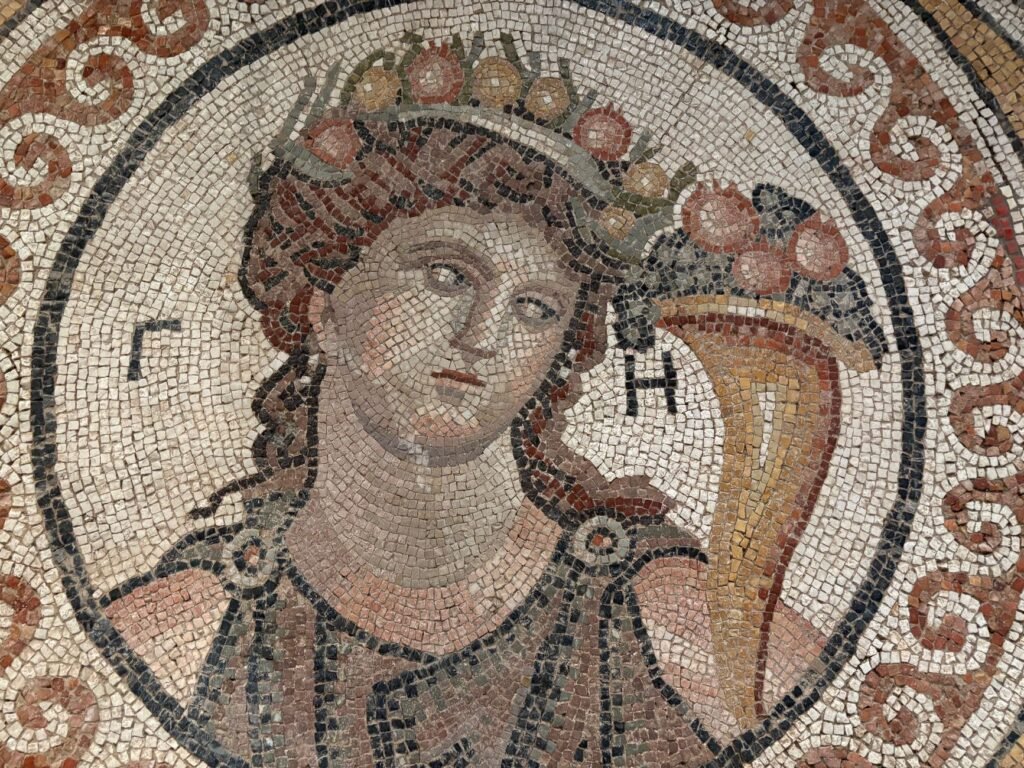
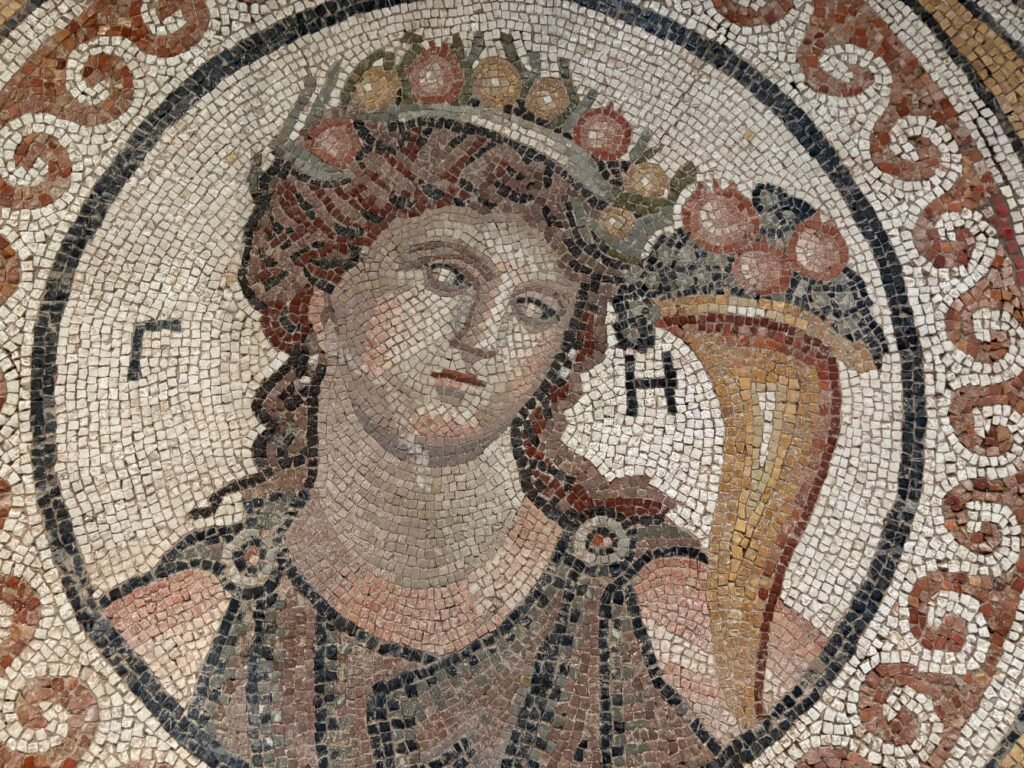
Persephone is one of the most fascinating figures in Greek mythology. She is best known as the daughter of Demeter, the goddess of agriculture, and Zeus, the king of the gods. Persephone is also the wife of Hades and the queen of the Underworld. Her story explains the changing of the seasons and explores powerful themes of innocence, transformation, loss, and renewal.
In Greek myth, Persephone’s life is divided between two worlds: the bright, fertile earth and the dark realm of the dead. Because of this, she represents both springtime growth and the mysterious power of the Underworld.
Persephone’s Family and Origins
Persephone was born to Demeter and Zeus. Her mother, Demeter, was one of the major Olympian gods and ruled over grain, crops, and the fertility of the earth. Because Demeter was closely tied to food and harvest, Persephone was also connected with plants, flowers, and the natural cycle of life.
Persephone was sometimes called Kore, which means “maiden” or “girl.” This name reflects her early role as a youthful goddess associated with spring, flowers, and new growth. Before becoming queen of the Underworld, she was often imagined as a beautiful young goddess gathering flowers in a meadow.
The Abduction of Persephone
The most famous myth about Persephone tells how she became the wife of Hades.
According to the story, Persephone was picking flowers with other maidens when the ground suddenly opened. Hades, god of the Underworld, emerged in his chariot and carried her away to his shadowy kingdom. In many versions of the myth, Zeus had allowed or arranged the marriage, but Demeter was not told.
Demeter was devastated when she discovered her daughter was missing. She searched the earth in grief, carrying torches and refusing to rest. As her sorrow deepened, the land became barren. Crops stopped growing, plants withered, and famine threatened humanity.
This part of the myth shows the close bond between Demeter and Persephone. It also connects Persephone’s disappearance with the deathlike stillness of winter.
Persephone and the Pomegranate Seeds
Eventually, the gods realized that Demeter’s grief could not continue without destroying life on earth. Zeus sent Hermes to the Underworld to bring Persephone back.
However, before she returned, Persephone ate several pomegranate seeds. In Greek mythology, eating food from the Underworld bound a person to that realm. Because of this, Persephone could not leave Hades forever.
A compromise was made: Persephone would spend part of the year with her mother on earth and part of the year with Hades in the Underworld. When Persephone returns to Demeter, the earth blooms with spring and summer. When she descends again to the Underworld, Demeter mourns, and autumn and winter arrive.
This myth became an ancient explanation for the seasons:
- Spring represents Persephone’s return and the rebirth of nature.
- Summer reflects abundance, growth, and Demeter’s joy.
- Autumn marks Persephone’s departure.
- Winter reflects Demeter’s sorrow and the earth’s rest.
Persephone as Queen of the Underworld
Although Persephone is often remembered as the innocent maiden taken by Hades, she is more than a victim in Greek mythology. Once in the Underworld, she becomes its queen, ruling beside Hades over the souls of the dead.
As queen, Persephone held great authority. Mortals and heroes who entered the Underworld often treated her with respect and fear. In several myths, she appears as a powerful figure capable of showing mercy or enforcing divine law.
For example, Persephone plays a role in myths involving heroes such as Orpheus and Heracles. Orpheus enters the Underworld to recover his wife, Eurydice, and his music moves both Hades and Persephone. Heracles also encounters Persephone during his labors. These stories show that she was not only a symbol of spring but also a ruler of the dead.
What Does Persephone Symbolize?
Persephone’s story is rich with symbolism. She stands at the boundary between life and death, youth and maturity, earth and the Underworld. Her myth has remained powerful because it speaks to natural cycles and human experiences.
Life, Death, and Rebirth
Persephone’s yearly return from the Underworld symbolizes rebirth. Her descent symbolizes death or dormancy. This cycle mirrors the agricultural year, when seeds are buried in the ground before growing again.
Seasonal Change
The myth of Persephone explains why the earth does not remain fertile all year. Her absence causes winter, while her return brings spring. For ancient Greeks, this story gave divine meaning to the rhythms of nature.
Transformation
Persephone begins as Kore, the maiden of spring, but becomes queen of the Underworld. Her journey represents a dramatic transformation from innocence to power. She belongs to both worlds, making her one of the most complex goddesses in Greek mythology.
Persephone in Ancient Worship
Persephone was worshipped throughout the Greek world, often alongside Demeter. Their most important religious connection was in the Eleusinian Mysteries, secret rituals held at Eleusis near Athens.
These mysteries focused on Demeter, Persephone, agriculture, and the hope for life after death. Initiates believed the rituals offered special knowledge about the soul and the afterlife. Although many details remain unknown because participants were sworn to secrecy, Persephone’s role was central.
Her story reassured worshippers that death was not simply an end, but part of a larger cycle.
Why Persephone Still Matters
So, who is Persephone in Greek mythology? She is a goddess of spring, the daughter of Demeter, the wife of Hades, and the queen of the Underworld. Her myth explains the seasons, but it also explores grief, change, power, and renewal.
Persephone continues to capture modern imagination because she embodies opposites. She is both gentle and formidable, both a maiden of flowers and a ruler of the dead. Her story reminds us that growth often follows darkness and that transformation can lead to unexpected strength.

Orin Vale has spent the better part of two decades tracing the threads that connect the world’s oldest stories — from the halls of Asgard to the banks of the Nile, from Olympus to the jungles of the Maya. What began as a childhood fascination with flood myths and trickster gods grew into years of independent study across comparative mythology and ancient religion, always chasing the same question: what did these stories mean to the people who first told them? Orin writes for readers who want more than trivia — the ones looking for the beliefs, fears, and truths that myths were built to carry.