Who Is Dionysus in Greek Mythology?
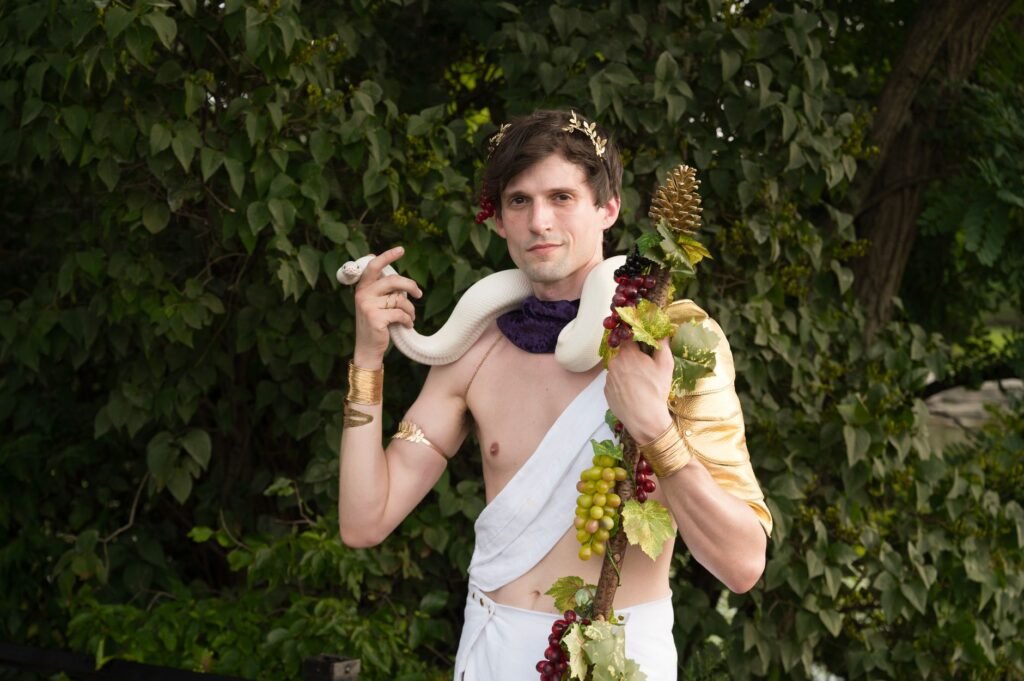
Dionysus is one of the most fascinating and complex gods in Greek mythology. Best known as the god of wine, celebration, theater, and ecstasy, he represents both joy and danger, freedom and chaos. Unlike some Olympian gods who are associated with order, law, or warfare, Dionysus is tied to the wild side of life—the powerful emotions and instincts that can inspire creativity, pleasure, and transformation.
To understand who Dionysus is in Greek mythology, it helps to look beyond the image of a joyful wine god. His stories reveal a deity connected to rebirth, madness, religious devotion, and the breaking of social boundaries.
The Origins of Dionysus
Dionysus was the son of Zeus, king of the gods, and Semele, a mortal princess of Thebes. His birth story is one of the most unusual in Greek mythology.
According to myth, Semele became pregnant by Zeus. Hera, Zeus’s jealous wife, discovered the affair and tricked Semele into asking Zeus to reveal himself in his true divine form. Because mortals could not survive the full glory of a god, Semele was destroyed by Zeus’s radiant presence.
Zeus saved the unborn Dionysus by sewing him into his thigh until he was ready to be born. For this reason, Dionysus is sometimes called “twice-born.” His unusual birth connects him to themes of death, survival, and rebirth.
What Is Dionysus the God Of?
Dionysus is most commonly known as the god of wine, but his role is much broader. He is associated with experiences that loosen control and reveal hidden truths.
Dionysus is the god of:
- Wine and vineyards
- Celebration and festivals
- Theater and performance
- Ecstasy and altered states
- Fertility and nature
- Madness and divine possession
- Transformation and rebirth
Wine was not just a drink in ancient Greek culture. It was part of religious rituals, social gatherings, and artistic inspiration. Through wine, Dionysus symbolized release from ordinary life and the power of emotion.
Dionysus and the Power of Ecstasy
One of the most important aspects of Dionysus is ecstasy, a state of being outside oneself. His followers believed that through music, dance, wine, and ritual, they could experience a direct connection with the divine.
This made Dionysus both beloved and feared. He offered liberation from strict social rules, but that freedom could become uncontrollable. Myths often show Dionysus punishing those who reject his divinity or refuse to honor his rites.
In this way, Dionysus represents a central Greek idea: forces of nature and emotion must be respected. If ignored or suppressed, they can become destructive.
The Followers of Dionysus
Dionysus was often accompanied by a wild and energetic group of followers. These included satyrs, sileni, and maenads.
Satyrs
Satyrs were half-human, half-animal companions of Dionysus. They were playful, mischievous, and often associated with music, dancing, and desire. In art, they are usually shown with animal features such as tails, ears, or goat-like legs.
Maenads
The maenads were female followers of Dionysus. Their name means “raving ones,” and they were said to enter states of divine frenzy during rituals. In myth, maenads wandered through mountains and forests, dancing and worshiping Dionysus with intense passion.
The maenads show how Dionysian worship could overturn normal social expectations, especially for women in ancient Greece. Under the influence of the god, they stepped outside ordinary roles and entered a sacred wildness.
Dionysus and Theater
Dionysus was also closely connected to theater. In Athens, dramatic festivals were held in his honor, especially the City Dionysia. These festivals included performances of tragedies and comedies by famous playwrights such as Aeschylus, Sophocles, Euripides, and Aristophanes.
The link between Dionysus and theater makes sense because theater involves transformation. Actors become other people, audiences experience strong emotions, and stories reveal hidden truths about human life.
Through drama, Dionysus became a god not only of wine and revelry but also of art, imagination, and emotional insight.
Famous Myths About Dionysus
Several myths show the strange and powerful nature of Dionysus.
Dionysus and King Pentheus
One of the most famous stories appears in Euripides’ play The Bacchae. In this myth, King Pentheus of Thebes refuses to accept Dionysus as a god and tries to stop his worship.
Dionysus punishes Pentheus by driving the women of Thebes, including Pentheus’s mother, into a divine frenzy. Pentheus is eventually torn apart by the maenads, who do not recognize him in their madness.
This myth shows the danger of denying Dionysus. It also explores the conflict between rigid control and untamed religious experience.
Dionysus and the Pirates
In another story, pirates capture Dionysus, thinking he is a wealthy young man they can ransom. When they try to bind him, the ropes fall away. Vines grow over the ship, wine flows, and Dionysus transforms into a lion.
Terrified, the pirates leap into the sea and are changed into dolphins. This tale presents Dionysus as a god who may appear gentle but possesses terrifying divine power.
Dionysus Among the Olympian Gods
Dionysus is often counted among the twelve Olympian gods, though his place in the Olympian family is unusual. He has a mortal mother, experiences a strange second birth, and spends much of his mythology traveling among humans.
Unlike gods who remain distant from mortals, Dionysus frequently enters human communities. He arrives as a stranger, a foreigner, or an outsider, demanding recognition. This outsider quality is central to his identity.
Dionysus crosses boundaries between god and human, male and female, civilization and wilderness, sanity and madness. Because of this, he is one of the most symbolic figures in Greek mythology.
Why Dionysus Still Matters
Dionysus continues to interest modern readers because he represents parts of life that are difficult to control. He is joy, music, intoxication, creativity, and freedom. But he is also chaos, obsession, and destruction when passion overwhelms reason.
In Greek mythology, Dionysus teaches that human beings need celebration, art, and emotional release. At the same time, his myths warn that these forces must be respected.
So, who is Dionysus in Greek mythology? He is far more than the god of wine. Dionysus is the god of transformation, theater, ecstasy, and the wild energy of life itself.

Orin Vale has spent the better part of two decades tracing the threads that connect the world’s oldest stories — from the halls of Asgard to the banks of the Nile, from Olympus to the jungles of the Maya. What began as a childhood fascination with flood myths and trickster gods grew into years of independent study across comparative mythology and ancient religion, always chasing the same question: what did these stories mean to the people who first told them? Orin writes for readers who want more than trivia — the ones looking for the beliefs, fears, and truths that myths were built to carry.