Persephone
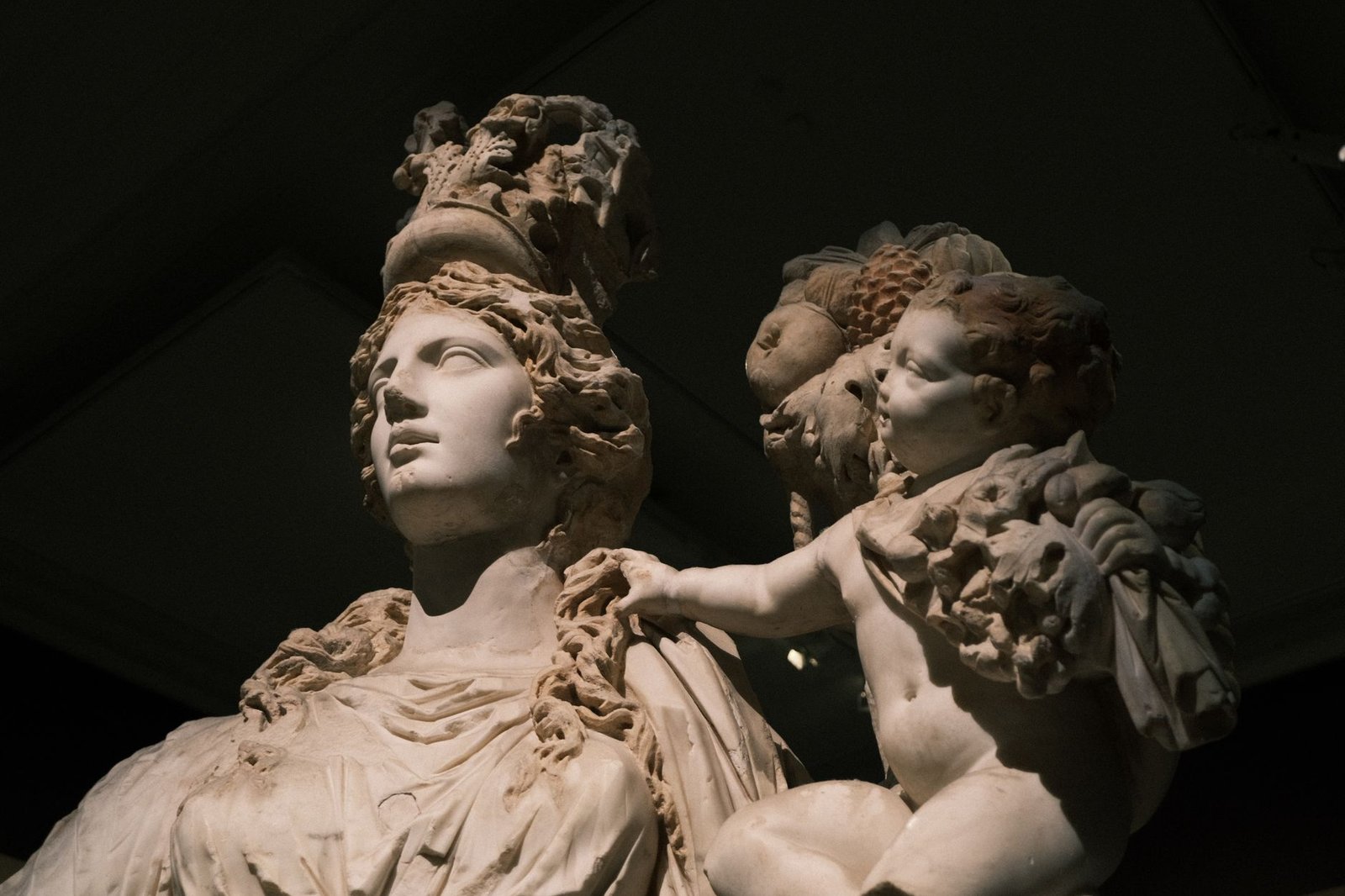
Ceres’s Search for Proserpina: Myth and Meaning
**Ceres’s Search for Proserpina** recounts the Roman goddess of grain’s desperate wanderings after her daughter is taken to the underworld by Pluto, a myth that links maternal grief with the cycle of the seasons. Drawing on Greek and Roman sources, the story reveals ancient ideas about fertility, divine power, and the balance between life, death, and renewal.
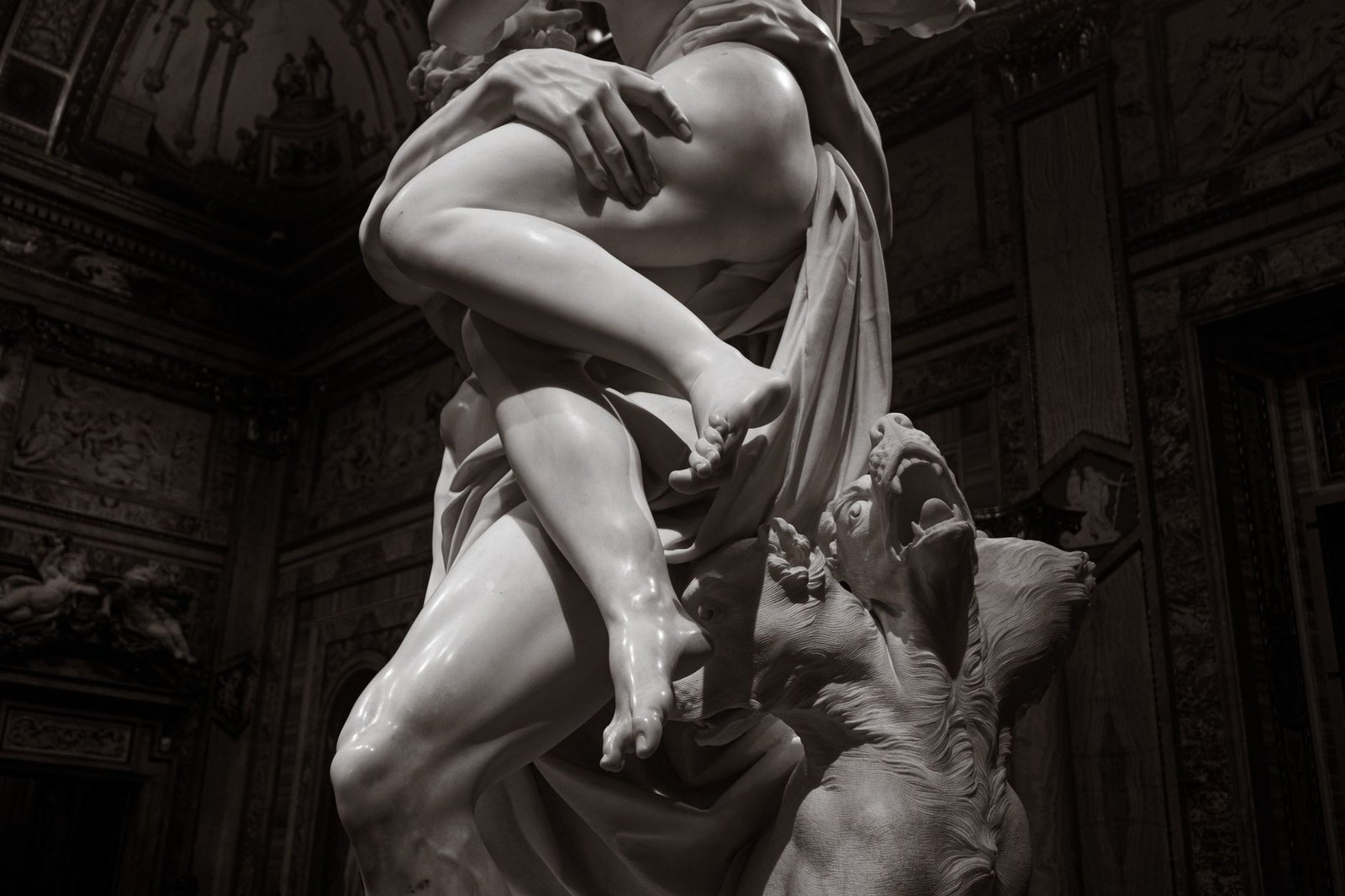
Proserpina: Roman Goddess of Spring and the Underworld
Proserpina is a central figure in Roman religion and mythology, the goddess whose descent to the underworld and return each year were used to explain the changing seasons, fertility, and the uneasy boundary between life and death. As the Roman counterpart of Persephone, she appears in ritual, literature, and art, and her story reveals how ancient thinkers linked the growth of crops to the hidden powers beneath the earth.

Orpheus and Eurydice: Greek Myth Explained
Orpheus and Eurydice is one of Greek mythology’s most haunting stories, uniting love, music, death, and the fragile hope of return from the underworld. This excerpt traces the myth’s origins, its symbolic meaning, and the decisive moment that has inspired poets, artists, and thinkers for more than two millennia.

Who Is Persephone in Greek Mythology? Goddess and Queen Explained
Persephone in Greek mythology is a captivating goddess of spring and the Underworld, whose story blends beauty, mystery, and transformation. Her journey from Demeter’s beloved daughter to Hades’ queen helps explain the seasons and reveals timeless themes of loss and renewal.