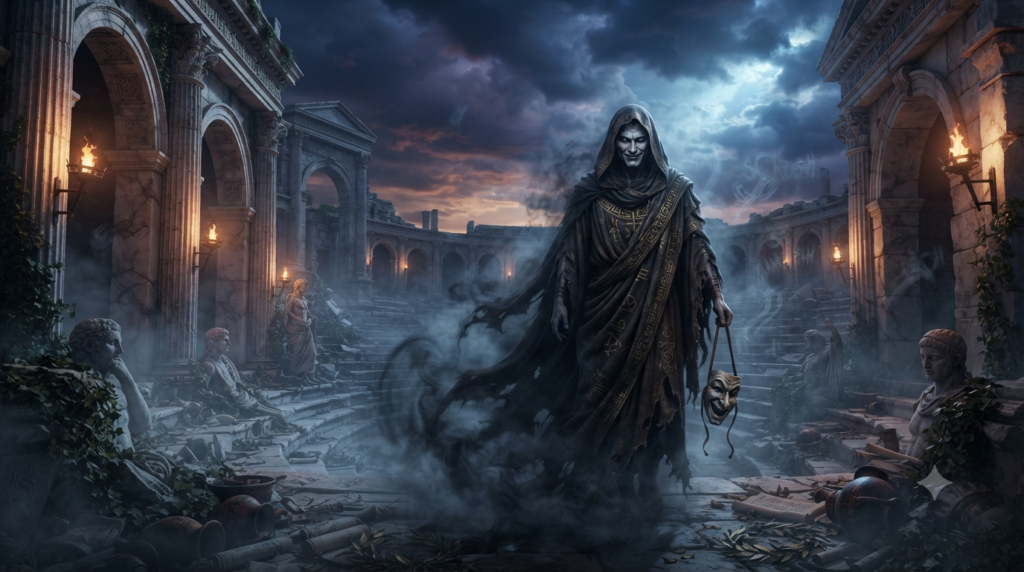
Sokos, also transliterated as Socus, is a minor but genuinely documented figure in Greek mythology, best known as a Trojan warrior who appears in Homer’s Iliad. Ancient sources actually preserve more than one figure by this name, but the question of who is Sokos in Greek mythology almost always points toward this warrior specifically, whose brief but memorable role in the Trojan War left a lasting mark on one of the Iliad’s most significant heroes.
This warrior’s story unfolds during the intense fighting recounted in Book Eleven of the Iliad, where Sokos confronts none other than Odysseus in personal combat, driven by the desire to avenge his own brother’s death. The resulting duel produces one of the rare moments in the epic where Odysseus, typically defined by cunning rather than physical vulnerability, sustains a genuine battlefield wound at the hands of an opponent.
Beyond this central story, a small number of other figures also carry the name Sokos within Greek mythological tradition, reflecting how ancient sources sometimes reused names across entirely unrelated stories and genealogies. Addressing who is Sokos in Greek mythology completely requires acknowledging these additional figures, even while recognizing that the Trojan warrior remains by far the most significant and well-documented bearer of the name.
What follows traces Sokos’s genealogy, his fateful duel with Odysseus, the consequences of that confrontation, and the other, more obscure figures who share his name across ancient Greek sources.
Sokos, Son of Hippasus: The Trojan Warrior of the Iliad
The Sokos most relevant to any serious study of Greek mythology was the son of Hippasus, a lineage that places him among the many named but secondary warriors populating Homer’s account of the Trojan War. Hippasus himself appears only briefly in the broader mythological tradition, known primarily through his role as Sokos’s father rather than through any extensive mythology of his own.
Sokos had a brother named Charops, and the bond between the two siblings becomes central to understanding why Sokos who is Sokos in Greek mythology ultimately enters the narrative at all. Both brothers fought on the Trojan side during the war, standing among the many lesser-known defenders of the city whose stories Homer weaves into the larger, more famous conflicts involving figures like Hector and Achilles.
As a defender of Troy, Sokos represents the kind of secondary warrior figure common throughout the Iliad, individuals whose personal stories receive only a few lines of attention yet still carry genuine emotional and narrative weight within the broader epic. His introduction into the poem comes specifically through the death of his brother, an event that sets the stage for his own fateful encounter with one of the war’s most cunning Greek heroes.
Understanding this genealogy matters because it frames everything that follows: Sokos does not enter the Iliad as an anonymous casualty, but as a brother seeking justice, a detail that gives his brief appearance in the poem far more emotional resonance than many other similarly minor Trojan warriors receive.
The Duel Between Sokos and Odysseus
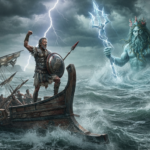
The central episode defining who is Sokos in Greek mythology takes place in Book Eleven of the Iliad, during a period of intense fighting in which Odysseus finds himself isolated on the battlefield after other Greek heroes have been wounded or withdrawn. It is within this dangerous moment that Sokos, having just witnessed his brother Charops killed by Odysseus, confronts the Greek hero directly, driven by a desire for vengeance rather than broader strategic purpose.
Sokos challenges Odysseus openly, and Homer describes the exchange with the kind of personal, almost intimate detail reserved for confrontations carrying real emotional stakes rather than anonymous battlefield chaos. In the fighting that follows, Sokos manages to wound Odysseus, striking him along the side and drawing blood in an attack serious enough to threaten the hero’s continued participation in the battle.
This wound represents a significant moment within the broader Iliad, since Odysseus rarely suffers this kind of direct physical injury throughout Homer’s narrative, more often relying on strategy, speech, and tactical positioning rather than raw physical combat. Sokos, in this brief encounter, achieves something few other warriors manage against Odysseus specifically, even though the confrontation ultimately ends in his own death rather than victory.
Despite the wound he inflicts, Sokos does not survive the encounter, as Odysseus retaliates and kills him in the fighting that follows, delivering a taunting response over his fallen opponent that reflects the harsh, boastful conventions common throughout Homeric battle scenes. This outcome cements Sokos’s role in the epic as a warrior remembered specifically for the wound he manages to inflict rather than for any lasting victory of his own.
The Aftermath: Odysseus’s Wound and Retreat
The physical consequence of Sokos’s attack extends beyond the immediate duel itself, since the wound Odysseus receives proves serious enough to force him into a temporary retreat from active fighting. This detail matters significantly within the broader structure of the Iliad, since moments depicting Odysseus in genuine physical distress remain comparatively rare across Homer’s portrayal of the hero.
Odysseus’s withdrawal from battle following this wound creates a brief but meaningful shift in the poem’s momentum, illustrating that even the war’s most resourceful Greek hero remains vulnerable to direct physical harm when circumstances allow a determined opponent to land a genuine blow. This vulnerability adds depth to Odysseus’s characterization, tempering his usual image as a figure who succeeds primarily through intelligence and verbal skill rather than raw combat prowess.
This episode also reinforces the broader pattern found throughout the Iliad, in which even secondary, less prominent warriors like Sokos can meaningfully affect the fates of the war’s most celebrated heroes. Sokos’s willingness to confront Odysseus directly, despite the significant risk involved, produces consequences that ripple outward into the immediate battlefield situation, however briefly.
This aftermath ultimately completes the most historically documented answer to who is Sokos in Greek mythology: a Trojan warrior whose single act of vengeance against Odysseus, though it cost him his own life, left a physical mark on one of the Greek forces’ most important figures during a pivotal stretch of the Trojan War.
Other Figures Named Sokos in Greek Mythology
Beyond the Trojan warrior, ancient sources preserve at least two additional figures bearing the name Sokos, reflecting how names could recur across entirely separate mythological traditions without any direct connection between them. One such figure, Sokos of Euboea, appears in a very different context, identified as the father of the seven Corybantes, mythological attendants sometimes associated with ecstatic ritual and protective guardianship.
According to this separate tradition, Sokos of Euboea expelled his wife and sons from the island, eventually meeting his own end at the hands of Cecrops, the legendary early king associated with the founding of Athens. This story bears no direct relationship to the Trojan warrior discussed earlier, existing instead as an entirely independent thread within the broader tapestry of Greek mythological genealogy.
A third use of the name appears not as an individual figure at all, but as an epithet applied to the god Hermes in certain ancient sources, tied to an adjective in ancient Greek meaning “strong” or “vigorous.” This usage reflects how Greek language and mythology sometimes overlapped, with descriptive terms occasionally taking on independent mythological associations of their own.
Acknowledging these additional figures ensures a complete answer to who is Sokos in Greek mythology, even as the Trojan warrior, son of Hippasus, remains by far the most substantively documented and narratively significant figure to carry this name across surviving ancient sources.
Why Minor Warriors Like Sokos Still Matter in the Iliad
Warriors like Sokos serve an important narrative function within the Iliad, even when their appearances last only a few lines within a much longer epic. By giving named identities, family relationships, and personal motivations to secondary figures, Homer transforms the broader chaos of battle into a series of individually meaningful human stories, each carrying its own emotional weight despite limited attention within the poem as a whole.
Sokos exemplifies this pattern particularly well, since his motivation, avenging his brother Charops, gives his confrontation with Odysseus genuine emotional stakes rather than reducing him to an anonymous casualty of war. This approach allows Homer to remind audiences that the Trojan War’s broader tragedy consists of countless individual losses, each with its own family context and personal significance beyond the war’s larger strategic narrative.
These minor warriors also serve to humanize the war’s principal heroes by occasionally placing them in genuine danger, as seen in Sokos’s ability to wound Odysseus despite ultimately losing his own life in the encounter. This dynamic prevents figures like Odysseus from appearing invulnerable, reinforcing the real stakes and physical risks present even for the most celebrated participants in the conflict.
Considering Sokos within this broader narrative function reveals why who is Sokos in Greek mythology remains a worthwhile question despite his relatively minor status within the epic, since his brief appearance illustrates exactly the kind of individually meaningful, emotionally grounded storytelling that gives the Iliad its enduring depth beyond its most famous central figures.
Frequently Asked Questions
Who killed Sokos in the Iliad?
Odysseus killed Sokos during their duel in Book Eleven, after Sokos had already wounded him in the fighting.
Who was Sokos’s brother?
Sokos’s brother was Charops, whose death at the hands of Odysseus prompted Sokos to challenge the Greek hero directly.
Is Sokos the same as Socus?
Yes, Sokos and Socus refer to the same figure, with the difference reflecting alternate transliterations of the original Greek name Σῶκος.
Conclusion
Sokos, son of Hippasus, stands as a minor but genuinely significant figure in Greek mythology, remembered primarily for the wound he inflicted on Odysseus during their duel in the Iliad before losing his own life in the encounter. While other, more obscure figures share his name elsewhere in ancient sources, this Trojan warrior’s brief but emotionally charged confrontation with one of the war’s most celebrated heroes remains the definitive answer to who is Sokos in Greek mythology.

Orin Vale has spent the better part of two decades tracing the threads that connect the world’s oldest stories — from the halls of Asgard to the banks of the Nile, from Olympus to the jungles of the Maya. What began as a childhood fascination with flood myths and trickster gods grew into years of independent study across comparative mythology and ancient religion, always chasing the same question: what did these stories mean to the people who first told them? Orin writes for readers who want more than trivia — the ones looking for the beliefs, fears, and truths that myths were built to carry.