Incubus
An incubus is a malevolent supernatural being from European folklore, traditionally described as a male demon that visits sleeping women and engages in sexual activity with them. The related figure of the succubus is usually understood as its female counterpart. Incubi appear in medieval Christian demonology, but their roots reach deeper into older beliefs about nocturnal spirits, sleep paralysis, erotic dreams, and the religious explanation of unexplained nocturnal experiences.
Although the incubus is not a god, hero, or fully developed deity in the manner of classical mythology, it occupies an important place in the history of ideas about demons, sexuality, sin, and the supernatural. Its story reveals how different societies interpreted dreams, bodily experience, and spiritual danger.
Origin and Meaning
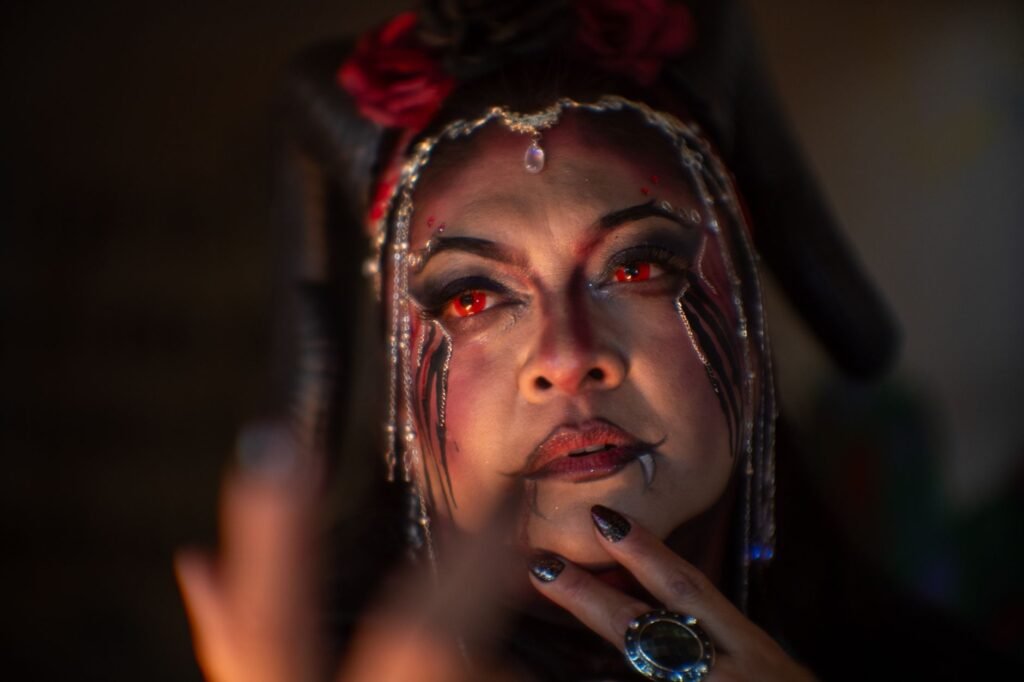
The word incubus comes from Latin incubus, meaning “nightmare” or “one who lies down on,” derived from incubare, “to lie upon” or “to press upon.” The term originally referred broadly to a heavy, oppressive dream experience and later became associated with a specific demonic being.
In medieval Latin Christian usage, the incubus was a demon believed to attack sleeping people, especially women, often in a sexual form. The female counterpart, succubus, comes from Latin succubare, “to lie beneath.” These terms became standard in learned demonology, although ideas resembling them existed earlier in folklore across many cultures.
The incubus is best understood as a concept that evolved over time:
- Linguistically, from a Latin word for pressure, heaviness, or nighttime oppression.
- Folklorically, from widespread beliefs about nocturnal spirits and harmful dreams.
- Theologically, from attempts by medieval writers to explain temptation, sexual sin, and demonic deception.
Historical Context
Beliefs related to the incubus developed within a long tradition of interpreting dreams and night terrors as supernatural events. In the ancient Mediterranean world, sleep could be thought of as a vulnerable state in which spirits, gods, or demons might interact with the body.
Ancient and Late Antique Background
Classical authors described a range of night spirits, erotic dream beings, and harmful demons, though not always under the exact name “incubus.” In late antiquity, Jewish, Christian, and pagan writers increasingly systematized demonic beings. These traditions influenced medieval demonology, where the incubus became a recognized category.
Christian thinkers were especially concerned with:
- Sexual temptation and lust
- Demonic deception through dreams and visions
- The relationship between spirit and body
- The moral dangers of nocturnal experiences
The incubus also intersected with broader medieval anxieties about witchcraft, sin, and the hidden activities of the devil. In many texts, it was not simply a monster from folklore but part of an organized theological world-view.
Medieval and Early Modern Development
During the Middle Ages, references to incubi appeared in theological treatises, sermons, penitential literature, and legal or demonological works. Writers debated whether such beings were:
- purely spiritual beings,
- capable of physical interaction,
- or manifestations of other causes such as imagination or illness.
By the early modern period, belief in incubi and succubi often merged with broader witchcraft theory. Some demonologists argued that demons could assume physical form or use human bodies as instruments of reproduction. Others treated the stories as evidence of moral corruption or deception.
Main Characteristics
The incubus is usually described as a male demon that approaches sleeping women, especially at night. However, descriptions vary by source and period.
Common Features
| Feature | Typical description |
|---|---|
| Gender | Male, with the female equivalent often called a succubus |
| Time of appearance | Night, especially during sleep |
| Mode of attack | Sexual contact, oppressive pressure, or terrifying dreams |
| Nature | Demonic, deceptive, nocturnal |
| Purpose in folklore | To harm, tempt, or exploit the victim |
Identifying Traits
Traditional accounts often emphasize:
- A sense of weight on the chest or body
- Sudden fear, paralysis, or inability to move
- Erotic dreams or unwanted sexual sensations
- A feeling of a presence in the room
- Physical or spiritual harm in some narratives
These features overlap strikingly with modern descriptions of sleep paralysis and hypnagogic hallucinations. Scholars often note that the incubus legend may have provided a cultural framework for interpreting such experiences.
Variations in Sources
Not all traditions describe the incubus the same way. Some portray it as:
- a visible human-like figure,
- a shapeshifting spirit,
- a demon that takes on attractive forms,
- or a more abstract oppressive presence.
In some accounts, the incubus is less a seducer than a suffocating force associated with nightmares.
Family and Genealogy
Unlike gods or mythic heroes, the incubus does not usually belong to a stable family tree. Its “genealogy” is symbolic and theological rather than mythic in the classical sense.
Relationship to the Succubus
The incubus is commonly paired with the succubus. Medieval demonological theory sometimes described a cycle in which:
- a demon appears as a succubus to a man,
- collects semen,
- then appears as an incubus to a woman,
- and uses the collected semen to impregnate her.
This idea appears in some learned medieval discussions, though it was not universally accepted and was often presented as a speculative explanation rather than a settled doctrine.
Offspring and Descendants
Some medieval and Renaissance authors claimed that offspring could result from demonic intercourse. These children were sometimes described as unusual or monstrous, but such accounts vary widely and should be treated as part of demonological literature rather than historical fact.
In folklore, the incubus may also be connected to:
- haunting lineages,
- inherited curses,
- or repeated nocturnal assaults in a family or community.
However, no single canonical genealogy exists.
Symbols
The incubus is not associated with a standardized set of sacred symbols in the way that deities often are. Still, several recurring motifs are linked to it in folklore and literature.
Common Symbolic Associations
- Night: secrecy, vulnerability, hidden forces
- The bed or sleeping chamber: the private space of attack
- Pressure or heaviness: the “weight” on the chest experienced during nightmares or sleep paralysis
- Darkness: concealment and fear
- Erotic imagery: temptation and bodily vulnerability
Objects and Motifs
In stories and artwork, the incubus may be connected with:
- beds and blankets,
- shadows or mist,
- mirrors,
- claws, wings, or horns in later artistic depictions,
- and signs of possession or corruption.
These are not universal symbols but recurring literary and visual conventions.
Sacred Animals
The incubus has no sacred animals in the religious sense. In folklore and occult symbolism, however, certain animals are often associated with demonic or nocturnal forces.
Common Animal Associations
- Bats: darkness, night, and flight
- Cats, especially black cats in later European folklore: stealth, nocturnal activity, and witchcraft associations
- Owls: night vision, silence, and mystery
- Goats: lust and demonic imagery in Christian symbolism
These associations are cultural rather than doctrinal. They reflect broader European demonological imagery, not a fixed cultic tradition.
Sacred Plants
No plants are uniquely or historically central to the incubus tradition. In later magical and folkloric contexts, however, plants used for protection against evil spirits were sometimes invoked in response to nocturnal attacks.
Protective Plant Traditions
Depending on region and era, people used herbs such as:
- garlic
- sage
- rosemary
- rue
- wormwood
These plants were often employed in popular magic, household protection, or folk healing. Their role was preventative rather than devotional.
Sacred Places
The incubus is not tied to temples, shrines, or pilgrimage sites. Its “places” are instead the settings of its encounters.
Typical Settings in Tradition
- Bedrooms
- Sleep chambers
- Remote houses
- Wilderness spaces in some folktales
- Monasteries or convents in polemical stories, where the demon is associated with temptation
In demonological writing, the incubus could appear anywhere a vulnerable sleeper was believed to be exposed. The location matters less than the state of vulnerability it represents.
Powers and Attributes
The incubus is associated with several overlapping powers, all of them harmful or dangerous.
Primary Powers
- Nocturnal visitation
- Sexual temptation or assault
- Inducing nightmares
- Creating fear and bodily pressure
- Deception through appearance
- Spiritual corruption
Broader Significance
In medieval and early modern thought, the incubus was not only a sexual demon. It represented the danger of the body under spiritual attack. The figure embodied concerns about:
- uncontrolled desire,
- the fragility of moral discipline,
- the boundary between waking life and dream life,
- and the hidden operations of evil.
Modern readers often interpret incubus narratives as symbolic accounts of sleep paralysis, trauma, or unwanted sexual experiences. From a historical perspective, the legend is important precisely because it combines bodily sensation with cultural meaning.
Main Myths
There is no single “incubus myth” equivalent to a classical hero cycle. Instead, there are clusters of stories, reports, and demonological explanations.
The Nocturnal Assault
The most common narrative describes a sleeping woman who awakens to a feeling of pressure, fear, and sexual violation. In medieval interpretation, this was often attributed to an incubus.
The Succubus-Into-Incubus Cycle
One famous demonological idea held that a demon might act first as a succubus to obtain semen from a man, then as an incubus to impregnate a woman. This theory attempted to explain demonic reproduction while preserving theological doctrines about human procreation.
The Monastic Temptation Story
Some medieval texts use incubus-like figures in stories of temptation involving clergy or monastics. Such accounts served moral and didactic purposes, warning against lust and spiritual weakness.
The Sleep Paralysis Interpretation
Although not a myth in the traditional sense, many modern discussions connect incubus stories with sleep paralysis. People in this state may feel awake but unable to move, sometimes sensing a presence or pressure on the chest. Cultures around the world have interpreted this experience through different supernatural frameworks, and the incubus is one of the best-known European examples.
Relationship with Other Mythological Figures
The incubus belongs to a wider network of spirits, demons, and folklore beings.
Succubus
The closest counterpart is the succubus, a female demon associated with sexual visitation of men. In some traditions, the incubus and succubus are complementary roles played by the same kind of demon.
Demons in Christian Demonology
The incubus is related to broader Christian categories of demons and tempters. It often appears alongside:
- devils,
- familiar spirits,
- temptations of the flesh,
- and spirits of the night.
Folkloric Night Beings
Comparable figures appear in many cultures, including night hags, nightmare spirits, and oppressive beings associated with sleep. These are not the same as incubi, but they share motifs of pressure, fear, and nocturnal intrusion.
Mythic and Literary Parallels
In later literature and art, incubi may be compared with:
- seducers,
- vampire-like beings,
- fauns or satyrs in erotic symbolism,
- and other supernatural temptresses or tempters.
These comparisons are interpretive rather than genealogical.
Worship and Cult
There is no historical evidence of an organized cult of the incubus. Unlike gods or local spirits, the incubus was not worshiped. It was feared, resisted, and exorcised.
Religious Responses
In Christian settings, responses to incubus beliefs included:
- prayer,
- confession,
- fasting,
- exorcism,
- the use of holy objects,
- and moral admonition.
Clergy often treated reports of incubus attacks as evidence of demonic assault, sinful behavior, or mental and bodily distress. In some cases, such experiences may have been interpreted through a pastoral lens rather than as proof of literal demonic contact.
Folk Protective Practices
Popular responses across Europe sometimes included:
- charms,
- amulets,
- protective herbs,
- blessing of the bed or home,
- and apotropaic gestures.
Because incubus beliefs were bound to local folklore, protective customs varied greatly by region.
Ancient Sources
The incubus in the strict medieval sense is not a major figure in the surviving literature of ancient Greece and Rome, but the broader idea of oppressive nighttime spirits has ancient antecedents.
Important Sources and Traditions
- Latin usage: incubus as “nightmare” or oppressive spirit
- Late antique demonology: Christian and Jewish writers discussing demons, dreams, and sexual temptation
- Medieval theologians: writers such as Thomas Aquinas, who discussed incubi and succubi in the context of demonic activity and reproduction
- Demonological manuals: early modern authors who systematized beliefs about spirits, witchcraft, and nocturnal visitation
Classical and Later Authors
While not all of the following describe incubi directly, they are important for the historical background:
- Ovid: for Roman literary treatment of metamorphosis, desire, and supernatural transformation
- Apuleius: for magical and spiritual themes in The Golden Ass
- Augustine: for Christian views on demons, dreams, and bodily deception
- Thomas Aquinas: for scholastic discussion of demons and human reproduction
- Heinrich Kramer and Jacobus Sprenger: for witchcraft-era demonology in the Malleus Maleficarum
Because the incubus is a concept that developed over time, sources differ in terminology and emphasis.
Roman Equivalent
There is no exact Roman deity equivalent to the incubus, because the incubus is not a god or a standardized mythological persona. The Latin word itself is Roman, but the fully developed demonic figure belongs mainly to later folklore and Christian demonology.
Closest Roman and Pre-Roman Parallels
Some Roman concepts and figures are sometimes discussed in comparison:
- Lemures and larvae: restless or harmful spirits of the dead
- Fauns or satyres: rustic, sexually charged beings in myth and art
- Incubation-related terminology: the Roman sense of incubare as lying upon or causing oppressive dreams
These are only partial parallels. The incubus is best understood as a later synthesis drawing on classical vocabulary, folk belief, and Christian demonology.
Influence on Modern Culture
The incubus has remained a powerful image in modern literature, art, music, film, and games. Its appeal lies in the combination of eroticism, fear, and the uncanny.
Literature
Modern authors have used the incubus as:
- a literal demon,
- a metaphor for forbidden desire,
- or a symbol of psychological disturbance.
Gothic and horror fiction often reworks incubus imagery without always naming it directly.
Film and Television
The incubus appears in horror media as a seducer, predator, or supernatural attacker. It is especially common in stories involving:
- haunted bedrooms,
- sexualized hauntings,
- possession,
- and dream invasion.
Games and Popular Fantasy
In fantasy role-playing games and video games, incubi are often reimagined as demon races or seductive monsters. These versions borrow heavily from medieval demonology but simplify or dramatize it for entertainment.
Art and Music
Artists have used the incubus to explore themes of:
- erotic danger,
- nightmare,
- taboo,
- and the boundary between desire and fear.
The term also appears in band names, song titles, and album concepts, showing how deeply embedded the word has become in modern culture.
Curiosities
- The incubus and succubus are often treated as sexed opposites, but some historical texts suggest they may be different manifestations of the same demonic power.
- The incubus was one of the few demonological figures for which medieval thinkers developed elaborate theories about reproduction.
- Many modern explanations of incubus experiences overlap with sleep paralysis, though historical people interpreted them through their own religious worldview.
- The word nightmare originally had a different meaning in English than it does today; older usage could refer to a spirit that presses upon the sleeper.
- Some folkloric traditions around the world have very similar “sleep demon” figures, even though they are not historically connected to the European incubus.
- The incubus became especially influential in the imagination of later occultists, horror writers, and artists interested in erotic supernatural themes.
- In some medieval contexts, reports of incubus attacks were used not only to describe horror but also to reinforce moral teachings about chastity and vigilance.
Frequently Asked Questions
What is an incubus?
An incubus is a male demon in European folklore and medieval demonology believed to visit sleepers, especially women, and engage in sexual activity or cause oppressive nightmares.
Is an incubus the same as a succubus?
Not exactly. A succubus is usually the female counterpart of the incubus. In some traditions, however, scholars argued that they were different forms of the same demonic being.
Where does the word incubus come from?
It comes from Latin incubus, meaning a nightmare or something that lies upon a person, from incubare, “to lie down on” or “to press upon.”
Did people really believe in incubi?
Yes. Belief in incubi was widespread in medieval and early modern Europe, especially in theological and folkloric contexts. Interpretations varied by time, region, and religious tradition.
Is the incubus connected to sleep paralysis?
Many modern scholars think incubus stories often reflect experiences that fit sleep paralysis, including pressure on the chest, fear, and a sensed presence. Historical people, however, usually explained these experiences as demonic.
What is the Roman equivalent of an incubus?
There is no exact Roman equivalent. The incubus is a Latin term, but the fully formed figure comes from later folklore and Christian demonology. Some Roman spirits and mythic beings offer partial parallels.
Is the incubus worshiped anywhere?
No organized worship of the incubus is historically known. It was generally feared, avoided, and exorcised rather than venerated.
Conclusion
The incubus is a striking figure in the history of religion, folklore, and cultural imagination. Emerging from Latin language and medieval demonology, it came to represent the fears and mysteries of nighttime vulnerability, erotic temptation, and unexplained bodily experience. While not a deity or classical mythic hero, the incubus is important because it shows how societies give supernatural meaning to dreams, illness, sexuality, and fear.
Its legacy continues in literature, horror, psychology, and popular culture. As both a historical demonological concept and a modern symbol, the incubus remains a powerful example of how myth and belief adapt to human experiences that are difficult to explain.

Orin Vale has spent the better part of two decades tracing the threads that connect the world’s oldest stories — from the halls of Asgard to the banks of the Nile, from Olympus to the jungles of the Maya. What began as a childhood fascination with flood myths and trickster gods grew into years of independent study across comparative mythology and ancient religion, always chasing the same question: what did these stories mean to the people who first told them? Orin writes for readers who want more than trivia — the ones looking for the beliefs, fears, and truths that myths were built to carry.