Difference between Celtic Gods and Celtic Heroes
Introduction
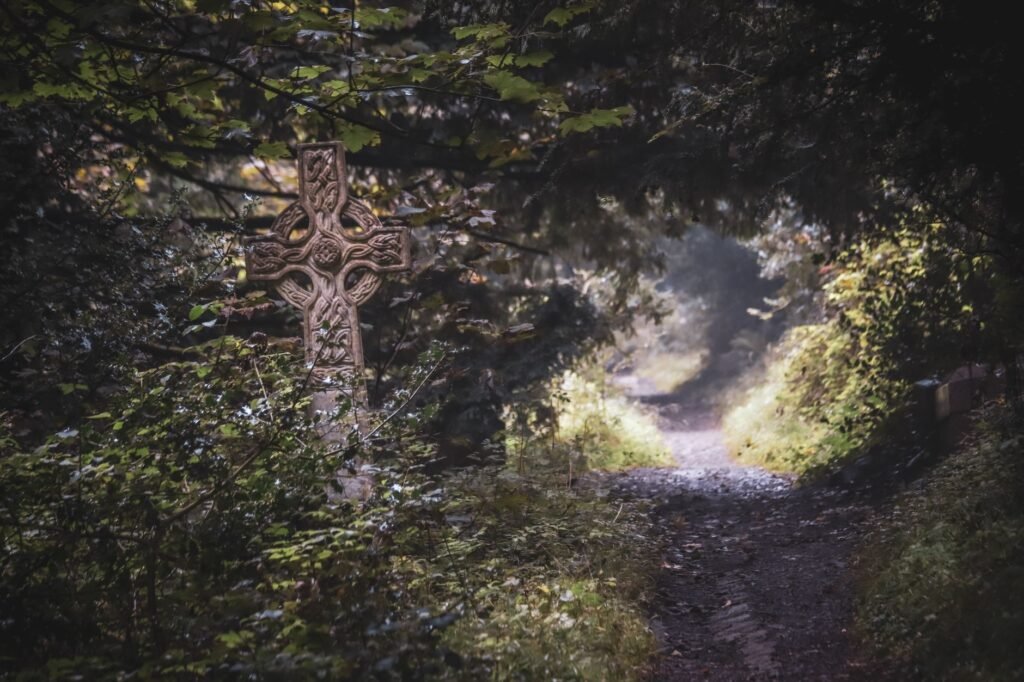
The difference between Celtic gods and Celtic heroes is one of the most important distinctions in the study of Celtic mythology. Both figures appear in the mythic literature and religious traditions of the Celtic-speaking peoples of ancient Britain, Ireland, Gaul, and other regions of western Europe. Yet they are not the same kind of being.
Celtic gods are divine or semi-divine beings associated with natural forces, sovereignty, warfare, healing, fertility, craft, and the other-worldly order of the cosmos. Celtic heroes, by contrast, are typically mortal or once-mortal champions whose extraordinary deeds, lineage, and status place them above ordinary people but below the gods. In some traditions the boundary is blurred, especially in Irish mythology, where heroic figures may possess supernatural qualities and some divine figures behave like legendary kings or warriors.
Understanding this distinction helps explain how ancient Celtic societies imagined authority, kingship, battle, ancestry, and the sacred landscape. It also clarifies why modern popular culture often merges gods and heroes, even though ancient traditions usually treated them as different categories.
Origin and Meaning
The word Celtic refers to a broad group of ancient peoples whose languages belonged to the Celtic branch of the Indo-European family. The term comes from Greek and Roman ethnographic usage, not from a single native self-designation for all Celtic-speaking peoples.
Gods
The English word god comes from Old English god, ultimately from a Proto-Indo-European root meaning “to invoke” or “to call upon,” though the exact linguistic history is complex and debated in details. In a Celtic context, “gods” refers to the divine beings attested in indigenous mythological traditions and in inscriptions, many of which are known only fragmentarily.
Heroes
The word hero comes from Greek hērōs, meaning a figure of exceptional status, often a warrior or founder, sometimes honored after death. In Celtic studies, “hero” is used as an analytical term for legendary champions such as Cú Chulainn, Fionn mac Cumhaill, or King Arthur in later tradition. These figures are not always called “heroes” in native Celtic languages in a direct one-to-one sense, but modern scholarship uses the term because it captures their narrative role.
Historical Context
Celtic religious and heroic traditions developed in societies that changed significantly over time. The ancient Celts lived across a wide geographic range, including:
- Gaul and parts of central Europe
- Britain and Ireland
- Iberia in some Celticized regions
- later, the surviving Celtic-language areas of the medieval Atlantic world
Gods in Historical Context
Celtic gods are known through several kinds of evidence:
- Classical references by Greek and Roman authors
- Inscriptions from the Roman period
- Iconography on altars, coins, reliefs, and votive objects
- Medieval Irish and Welsh literature, which preserves older mythic material in transformed Christian-era form
Many divine names and cults were local or regional. Unlike the more centralized pantheons of Greece or Rome, Celtic religion appears to have been highly diverse, with many local gods attached to particular tribes, rivers, springs, or sacred places.
Heroes in Historical Context
Celtic heroes are known mainly through heroic cycles and saga traditions preserved in medieval manuscripts. Important examples include:
- the Ulster Cycle in Ireland
- the Fenian Cycle
- Welsh narrative traditions in the Mabinogion
- later Arthurian material in Britain and France
These stories often reflect earlier oral traditions, but they were written down centuries after the pre-Christian Celtic world. As a result, heroic figures are shaped by medieval literary culture, Christian editing, and local political memory.
Main Characteristics
Celtic Gods
Celtic gods are usually identified by one or more of the following traits:
- association with a natural domain such as rivers, cattle, the sun, healing, or war
- connection to sovereignty and legitimacy
- supernatural knowledge, transformation, or control of fate
- cultic or ritual recognition in sanctuaries and offerings
- local or tribal identity rather than universal worship across all Celtic lands
Some gods may appear in tripartite, healing, or horse-related forms. Others are strongly associated with war, craftsmanship, abundance, or the underworld.
Celtic Heroes
Celtic heroes are usually characterized by:
- exceptional martial skill
- royal or noble ancestry
- feats of strength, intelligence, or endurance
- a central role in a saga or cycle of stories
- a human life story involving youth, training, battle, and death
- liminal qualities, meaning they stand between the human and the supernatural
Unlike gods, heroes are usually subject to fate, injury, and mortality. Their greatness lies in human excellence pushed to an extraordinary level.
Key Difference
| Aspect | Celtic Gods | Celtic Heroes |
|---|---|---|
| Nature | Divine or semi-divine | Human or once-human |
| Role | Control or embody cosmic, tribal, or natural powers | Achieve greatness through deeds |
| Worship | Received cult, offerings, and ritual | Usually commemorated in story and memory, not worshiped as gods |
| Mortality | Often immortal or beyond ordinary death | Usually mortal; many die in legend |
| Function | Sacred authority, fertility, war, healing, sovereignty | Martial prowess, leadership, adventure, identity |
Family and Genealogy
Gods
Genealogies of Celtic gods are often incomplete or inconsistent. Some traditions give them divine parentage; others connect them to local clans, ancestral lines, or sacred landscapes. In Irish mythological literature, the Tuatha Dé Danann are a divine people rather than individual gods in a strict sense, though many of them function as deities.
Examples include:
- The Dagda, a father-like figure associated with abundance and sovereignty
- Brigid, connected with healing, poetry, and craft
- Lugh, a master of many arts and skilled in combat
- The Morrígan, associated with war, fate, and sovereignty
These figures sometimes have spouses, offspring, or parentage in medieval texts, but the traditions vary.
Heroes
Heroes generally have more explicit genealogies than gods because heroic legitimacy depends on descent. A hero’s pedigree often establishes noble status, legitimacy, and connection to older royal lines.
Examples:
- Cú Chulainn is associated with the Ulster royal world and is often presented as exceptional from birth
- Fionn mac Cumhaill is linked to the Fianna and to a specific family narrative
- Arthur in later tradition is often a kingly figure whose genealogy varies by source
In heroic literature, family ties frequently generate conflict, vengeance, fosterage, and inheritance issues. The hero’s relatives may be important narrative agents, but the hero remains distinct from the divine order.
Symbols
Symbols of Celtic Gods
Because Celtic religion was diverse, symbols vary widely by region and deity. However, some recurring motifs include:
- cauldrons, representing abundance, rebirth, or wisdom
- spears, associated with war and sovereignty
- hammers or clubs, linked to power and provision in some traditions
- rods, torcs, and ritual vessels
- horse imagery, especially in relation to sovereignty and mobility
- solar and wheel motifs, in some regional contexts
It is important not to overgeneralize. Many symbols are known from archaeology but cannot always be assigned securely to one specific god.
Symbols of Heroes
Heroic symbols often emphasize martial identity and status:
- spear
- sword
- shield
- chariot
- boar, especially as a hunting or warrior emblem
- fosterage tokens or items linked to identity and destiny
Some heroes are associated with unusual objects that mark their uniqueness, such as a famous weapon or a special geis, a sacred obligation or taboo.
Sacred Animals
Animals Associated with Gods
Celtic gods are often linked to animals that express their powers:
- horses, tied to sovereignty, travel, and war
- cattle, associated with wealth, fertility, and prosperity
- boars, connected with strength and ferocity
- ravens or crows, often linked to battle and prophecy
- dogs, sometimes associated with healing, hunting, or the otherworld
- stags and deer, tied to wilderness and transformation
Animals Associated with Heroes
Heroes also interact with sacred animals, but often as part of adventures, combat, or symbolic challenges. A hero may hunt a boar, win a horse, or encounter an animal that signals destiny. In some stories, animals serve as companions, omens, or tests of character rather than as stable cultic emblems.
Sacred Plants
Plants in Divine Tradition
Plants associated with Celtic gods vary by region and source, and evidence is often indirect. Commonly noted sacred or meaningful plants include:
- oak, strongly associated with sacred space and authority in wider Celtic and Indo-European traditions
- mistletoe, especially in later classical descriptions of druidic ritual
- rowan, hawthorn, and other boundary trees in folklore
- apple and hazel, which appear in mythic otherworld settings
The oak is especially important in discussion of Celtic religious landscapes, though direct assignments to specific gods are usually uncertain.
Plants in Heroic Tradition
Heroes are often tied to symbolic plants through trials, healing, or otherworld journeys:
- healing herbs
- fruit-bearing trees from the otherworld
- plants linked to sovereignty or magical knowledge
In heroic stories, plants typically serve narrative and symbolic purposes rather than cultic ones. They may mark a boundary between the human and supernatural realms.
Sacred Places
Places Connected to Gods
Celtic gods are often associated with:
- rivers and springs
- hills and mountains
- groves and sacred trees
- lakes and marshes
- temples, shrines, and sanctuaries in the Roman period
- well sites later preserved in folklore and Christianized tradition
Examples from scholarship include river goddesses and localized cults whose names survive in place names and inscriptions. Sacred geography was central to Celtic religion, with many deities grounded in the land itself.
Places Connected to Heroes
Heroes are linked to places of action and memory:
- battlefields
- forts
- royal centers
- burial mounds
- training grounds
- otherworldly islands or hidden realms
In Irish and Welsh tradition, places such as Emain Macha, Tara, and supernatural islands become strongly associated with heroic narratives. Later legend often binds heroes to a landscape of memory, where place confirms identity and status.
Powers and Attributes
Gods
Celtic gods typically possess powers over specific domains. Their authority may include:
- war and victory
- fertility and abundance
- healing and medicine
- poetry, inspiration, and skill
- rivers, springs, and weather
- sovereignty and the legitimizing of kings
- the otherworld, fate, and transformation
Some gods are masters of multiple domains. Lugh, for example, is often presented as highly skilled in many arts. The Dagda is associated with abundance and might. The Morrígan is connected to battle, prophecy, and sovereignty. Because traditions vary, no single list can represent all Celtic gods.
Heroes
Heroes do not usually command cosmic domains. Their “powers” are more limited and personal:
- unmatched combat skill
- speed, strength, or tactical intelligence
- endurance beyond the ordinary
- supernatural bravery
- special gifts, weapons, or training
- ability to perform deeds that affect the social order
Their status often depends on personal excellence and a unique destiny rather than divine office.
Main Myths
Myths of the Gods
Celtic divine myths are fragmented, but some recurring patterns appear:
- divine intervention in kingship and sovereignty
- battles between supernatural groups
- interactions with mortals
- control over fertility, harvest, and cattle
- otherworldly union or transformation
- a seasonal or cyclical relationship with death and renewal
In Irish myth, the Tuatha Dé Danann are defeated by the Milesians and retreat into the otherworld, becoming associated with the síde or fairy mounds in later tradition. This is not a simple “death” myth but a transformation of divine status in the literary imagination.
Myths of the Heroes
Heroic myths tend to follow narrative arcs:
- miraculous birth or unusual childhood
- fosterage and training
- the first great feat
- trials involving taboos or geasa
- rivalry with other champions
- an ultimate death, disappearance, or apotheosis-like memory
Examples include:
- Cú Chulainn, whose story combines youthful brilliance, battle frenzy, and tragic death
- Fionn mac Cumhaill, associated with wisdom gained through the salmon of knowledge
- Arthur, whose career ranges from war leader to king and eventually to a figure of return
Unlike god-myths, hero myths focus on biography, conflict, and social legitimacy.
Relationship with Other Mythological Figures
Gods Among Themselves
Celtic gods often relate to one another through kinship, rivalry, or complementary powers. Their relationships are not always systematic. Some are paired with spouses or linked as members of a divine people, while others appear as independent local deities.
Heroes Among Themselves
Heroes usually exist in networks of:
- allies and companions
- rivals and adversaries
- foster brothers
- queens, druid advisers, and kings
- hostile or helpful supernatural beings
Their interactions often drive the plot. Rivalry is common, especially among warriors seeking honor.
Gods and Heroes Together
In Celtic tradition, gods and heroes may interact directly. This interaction is one of the main places where the difference between Celtic gods and Celtic heroes becomes visible.
Common patterns include:
- gods granting or withholding aid
- heroes receiving supernatural weapons or knowledge
- heroes entering divine or otherworldly spaces
- gods testing heroic behavior
- mortal kings or champions acting under divine sanction
In some stories, a figure may seem divine in one context and heroic in another. This is especially true in medieval Irish literature, where the categories are not always sharply separated.
Worship and Cult
Worship of Gods
Celtic gods were worshiped through ritual practices that included:
- offerings of food, drink, weapons, and valuables
- dedication of altars and inscriptions
- sacrifice, including animal sacrifice in some historical contexts
- prayers and vows
- ceremonies at springs, groves, sanctuaries, and festivals
Roman-era inscriptions show the names of many local gods and goddesses. These cults were often intertwined with Roman religious practices, producing mixed forms of devotion.
Cult of Heroes
Heroes were generally not worshiped in the same way as gods. Their remembrance took other forms:
- recitation of stories
- heroic poetry
- dynastic memory
- commemorative performance
- association with sacred places or ancestral identity
In later traditions, some heroes become quasi-saintly or legendary figures, but this is a different phenomenon from pagan cult. The key difference is that heroes are primarily memorialized, while gods are ritually addressed.
Ancient Sources
Our knowledge of Celtic gods and heroes comes from a mixture of ancient and medieval sources.
Classical Authors
Classical writers mention Celtic religion and myth only indirectly, including:
- Julius Caesar, who described Gallic religion in Commentarii de Bello Gallico
- Strabo, on the geography and peoples of the Celtic world
- Diodorus Siculus
- Tacitus
- Lucan, whose poetry includes druidic imagery
- Pliny the Elder, who mentions ritual practices such as mistletoe
These authors often wrote from an external perspective and sometimes misunderstood local traditions.
Medieval Celtic Sources
Important medieval texts preserve mythic material:
- the Book of the Dun Cow
- the Book of Leinster
- the Mabinogion
- Welsh genealogical and bardic traditions
- later Arthurian romances
Because these texts are later than the pagan period, they must be read carefully. They preserve older material but also reflect Christian, literary, and political reinterpretation.
Roman Equivalent
There is no exact Roman equivalent for all Celtic gods or heroes.
Gods and Roman Interpretatio
Romans often identified Celtic deities with their own gods through interpretatio Romana, matching local gods with Roman ones based on function:
- a war god might be linked to Mars
- a healing figure to Apollo
- a sovereign or sky-related figure to Jupiter
- a craft or trade deity to Mercury
These identifications are approximate, not exact. They reflect Roman efforts to classify foreign religion using familiar categories.
Heroes and Roman Parallels
Celtic heroes may be compared with Roman or Greco-Roman heroic figures such as:
- Aeneas
- Hercules
- Romulus
- later imperial heroes and founders
However, these are analogies, not direct equivalents. Celtic heroes often belong to a different narrative environment shaped by tribal kingship, fosterage, geasa, and the otherworld.
Influence on Modern Culture
Celtic gods and heroes have had a major influence on modern literature, visual art, nationalism, fantasy, and popular entertainment.
Literary Influence
Writers and poets have drawn on Celtic myth for:
- Romantic-era revivalism
- Irish literary nationalism
- modern fantasy literature
- reinterpretations of Arthurian legend
Figures such as Cú Chulainn, the Morrígan, Brigid, and the Dagda appear in poetry, historical fiction, and retellings.
Film, Television, and Games
Modern media often uses Celtic myth as inspiration for:
- fantasy worlds
- warrior imagery
- druidic magic
- enchanted landscapes
- quests and hero cycles
Video games and role-playing games frequently blend gods and heroes from different traditions, sometimes simplifying or combining them for dramatic effect.
Art and Cultural Identity
Celtic myth remains significant in:
- modern Irish, Welsh, Scottish, and Breton cultural identity
- jewelry, tattoos, and decorative art
- museum exhibitions and heritage tourism
- modern pagan and neopagan practice
This modern use is creative and meaningful, but it should not be confused with exact ancient belief.
Curiosities
- Some Celtic gods are known only from one inscription, making their functions uncertain.
- The distinction between god and hero is clearer in analysis than in some medieval narratives, where the two categories sometimes overlap.
- The Tuatha Dé Danann are often described as divine beings, but they also behave like a mythic people with kings, craftsmen, and warriors.
- In several Irish stories, a hero’s greatness depends on a geis—a sacred prohibition or obligation that can protect or doom them.
- Archaeology shows that many Celtic sacred sites were open-air locations rather than monumental temples in the classical style.
- The same figure can appear differently in different sources, especially when oral tradition was written down centuries later.
- Some “heroes” in later tradition, especially Arthurian figures, may have roots in historical leaders, though the line between history and myth is often impossible to determine with certainty.
Frequently Asked Questions
1. What is the main difference between Celtic gods and Celtic heroes?
Celtic gods are divine beings associated with sacred powers and cult worship, while Celtic heroes are exceptional human or legendary figures known for feats, ancestry, and story rather than formal worship.
2. Were Celtic heroes ever worshiped like gods?
Usually, no. Heroes were honored in memory, poetry, and legend, but they were not typically the objects of cult in the same way as gods.
3. Did all Celtic peoples have the same gods and heroes?
No. Celtic religion and myth varied by region, language, and period. Many gods were local or tribal, and heroic cycles differ between Irish, Welsh, and continental traditions.
4. Can a Celtic figure be both a god and a hero?
In some traditions the boundary is blurred. Certain figures have divine status in one source and heroic or kingly traits in another, especially in medieval retellings.
5. What are the best-known Celtic heroes?
Among the best-known are Cú Chulainn, Fionn mac Cumhaill, and King Arthur in later Celtic-British tradition.
6. What are the best-known Celtic gods?
Well-known figures include The Dagda, Lugh, Brigid, and The Morrígan, though local traditions produced many other deities.
7. Why is the difference between Celtic gods and Celtic heroes difficult to study?
Because most surviving sources were written down long after the pre-Christian period, and because oral tradition, local cult, and medieval literature do not always preserve neat categories.
8. Are Celtic gods like the gods of Greece and Rome?
They share some broad features with Greco-Roman gods, but Celtic religion was more localized and less systematized in the surviving evidence.
Conclusion
The difference between Celtic gods and Celtic heroes lies mainly in status, function, and relationship to worship. Celtic gods belong to the sacred and cosmic order: they govern fertility, war, healing, sovereignty, craft, and the otherworld. Celtic heroes belong to legend and history transformed by myth: they are extraordinary human champions whose deeds shape kingdoms, families, and collective memory.
Yet the distinction is not always rigid. In the surviving sources, especially medieval Irish and Welsh literature, divine and heroic qualities often overlap. That overlap is part of what makes Celtic mythology so rich and complex. It reflects a worldview in which the boundary between the human, the ancestral, and the sacred could be porous, and in which landscape, kingship, and story were deeply interconnected.
For this reason, studying Celtic gods and Celtic heroes is not only a matter of naming figures from old tales. It is also a way of understanding how ancient and medieval Celtic cultures explained power, identity, and the place of human beings within a mythic world.

Orin Vale has spent the better part of two decades tracing the threads that connect the world’s oldest stories — from the halls of Asgard to the banks of the Nile, from Olympus to the jungles of the Maya. What began as a childhood fascination with flood myths and trickster gods grew into years of independent study across comparative mythology and ancient religion, always chasing the same question: what did these stories mean to the people who first told them? Orin writes for readers who want more than trivia — the ones looking for the beliefs, fears, and truths that myths were built to carry.