Sacred Hazel Tree
Introduction
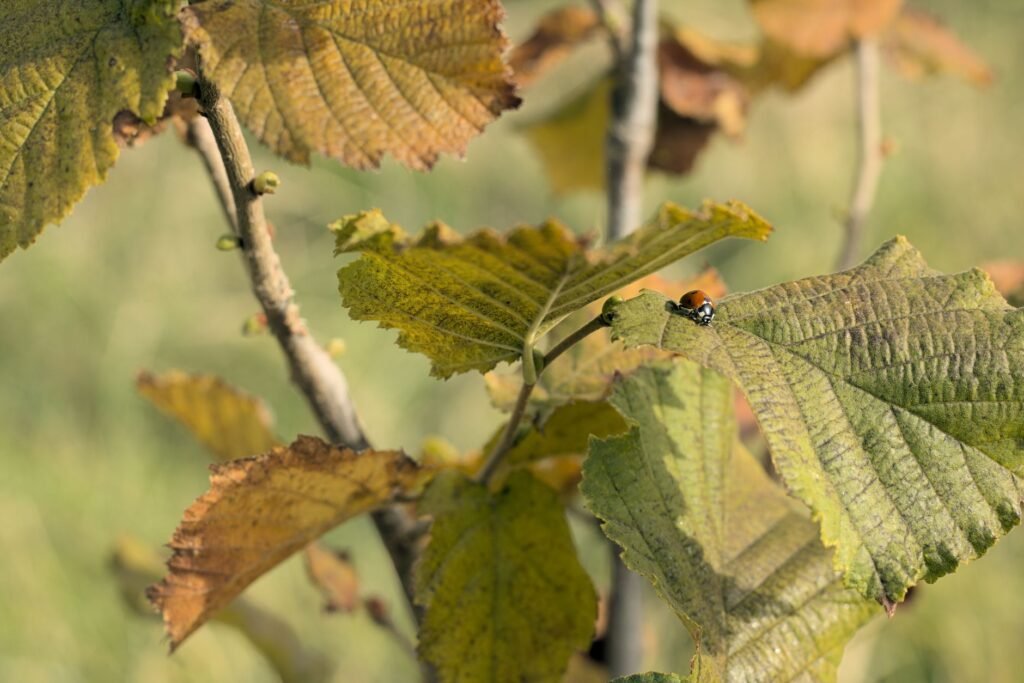
The sacred hazel tree is a recurring symbol in European mythology, folklore, and ritual practice. Rather than referring to a single universally standardized deity or sacred being, the term usually denotes the hazel tree itself as a revered plant, especially in Celtic, Irish, British, and later folklore traditions. Across these traditions, hazel is associated with wisdom, poetic inspiration, divination, protection, and hidden knowledge.
In many premodern cultures, trees were not merely useful plants but living presences with spiritual significance. The hazel tree, in particular, acquired a privileged place because of its practical value, its early fruiting, and its strong presence in mythic stories about sacred wells, poetic vision, and the acquisition of knowledge. The sacred hazel tree is therefore important not only in mythology, but also in the history of ritual, symbolism, and folk belief.
Origin and Meaning
The English word hazel comes from Old English hæsel, which is related to Germanic cognates such as German Hasel. The name refers both to the tree and to the nut-bearing shrub or small tree known botanically as Corylus avellana in much of Europe.
The idea of a “sacred hazel tree” is not a single ancient technical term with one fixed definition. Instead, it is a modern descriptive phrase used to identify the religious and symbolic importance of the hazel in different traditions. In Celtic and Irish material, hazel is especially prominent. In classical and medieval references, hazel rods and branches also appear as instruments of authority, divination, or magical action.
The symbolic meaning of hazel developed from several overlapping features:
- it produces nutritious nuts
- it grows in temperate regions familiar to many European communities
- it was used for rods, wands, and lightweight tools
- it appeared in stories connected with learning and inspiration
- it was often believed to have protective or purifying properties
Because of these associations, hazel became a natural candidate for sacred status in folk religion and literary myth.
Historical Context
Hazel in Ancient and Medieval Europe
Hazel was widely known in prehistoric and historic Europe as a useful wild plant. Nuts provided food, while straight stems could be cut for baskets, rods, thatching supports, and simple implements. Such practical value often contributed to a plant’s ritual reputation. In traditional societies, useful trees frequently became symbolic of life, fertility, and divine favor.
In Irish and broader Celtic tradition, hazel is especially important. Medieval Irish literature preserves several references to hazel trees and hazelnuts as sources of wisdom. The best-known cycle of traditions links hazel with sacred wells, the salmon of knowledge, and poetic insight. These stories are preserved in written form by medieval scholars, though they likely reflect older oral traditions.
In British folklore, hazel was also considered protective and beneficial. Hazel rods were used in dowsing and divination, and branches or “wands” were associated with locating water or hidden things. These practices do not prove a single ancient cult of the hazel tree, but they do show that hazel remained symbolically powerful in folk culture.
Religious and Cultural Environment
The sacredness of hazel must be understood in the context of tree veneration more generally. Many Indo-European and non-Indo-European societies attached religious meaning to particular trees, groves, and springs. A tree could function as:
- a boundary marker
- a place of assembly
- a source of medicine or food
- a dwelling place of spirits
- a sign of divine presence
Hazel’s connection to knowledge and inspiration makes it stand out from trees associated mainly with strength, sovereignty, or fertility. In some traditions, the hazel is less a “temple tree” than a tree of insight.
Main Characteristics
The sacred hazel tree is identified by a cluster of symbolic traits rather than by one fixed mythic biography.
Botanical and Symbolic Features
| Feature | Significance in tradition |
|---|---|
| Nut-bearing shrub or small tree | Abundance, nourishment, hidden potential |
| Flexible branches | Rods, wands, divining sticks |
| Early seasonal growth and fruiting | Renewal, fertility, generative power |
| Presence in hedgerows and wooded margins | Liminality, threshold symbolism |
| Association with nuts and water | Knowledge, inspiration, and discovery |
Core Attributes
The hazel tree is commonly associated with:
- wisdom
- poetic inspiration
- divination
- protection
- fertility
- healing
- hidden knowledge
In some traditions, hazel appears as a tree whose nuts contain concentrated meaning: not merely food, but the seed of understanding. This symbolic logic is central to the mythic role of hazel in Irish stories.
Family and Genealogy
Unlike a deity, the sacred hazel tree does not have a consistent family tree in the way gods and heroes do. However, mythic narratives may personify the tree or connect it to genealogical structures in legend.
In Mythic Tradition
In Irish lore, hazel is sometimes part of a sacred ecological network rather than a family in the biological sense. One famous example is the tradition of the Nine Hazel Trees surrounding the Well of Wisdom. In this narrative system, the hazels are not genealogical individuals but mythic participants in a sacred landscape.
Personified or Related Figures
Depending on the source and tradition, hazel may be linked to:
- poets or fili, who seek inspiration
- wise women or seers, who use branches for divination
- water beings or salmon symbolism, in stories where nuts fall into a well and transfer wisdom to the fish
- divine or semi-divine guardians of sacred places
Because sources vary, it is best to treat these relationships as mythic associations, not as a fixed genealogy.
Symbols
The sacred hazel tree is linked with several strong symbols.
Common Symbols
- Hazelnuts: condensed wisdom, hidden truth, nourishment
- Hazel wand or rod: authority, divination, magical action
- Water and wells: knowledge, purity, inspiration
- Salmon: wisdom acquired through sacred encounter
- White flowers or pale wood: purity and liminality in some symbolic systems
- Circular arrangements of trees: sacred enclosure and cosmic order
Meaning of the Symbols
Hazel’s symbolic value often rests on the idea that knowledge must be gathered, opened, or discovered. A nut is a sealed object, and to obtain its inner content requires effort. This made hazelnuts especially suitable for myths about concealed wisdom.
The hazel wand, meanwhile, became a practical and symbolic tool. In later folk custom, rods made of hazel were used for seeking water, identifying minerals, or guiding ritual acts. Even when such practices were not strictly religious, they preserved hazel’s reputation as a medium between visible and hidden realities.
Sacred Animals
The sacred hazel tree is not consistently associated with a single animal across all traditions, but several animals appear in linked narratives.
The Salmon
The salmon is the most famous animal connected with hazel in Irish tradition. In the story of the Well of Wisdom, hazelnuts fall into the well, are eaten by a salmon, and in some versions transfer knowledge to the fish. The salmon thus becomes a symbol of acquired wisdom and inspired understanding.
Birds
Birds, especially in folklore and symbolic systems, can represent:
- inspiration
- messages between worlds
- the soul or poetic vision
While not uniquely tied to hazel in every source, birds often accompany sacred trees in mythic landscapes.
Other Animals in Folk Practice
In later folk belief, hazel rods were used in dowsing for water, a practice associated indirectly with the hidden realm beneath the earth. In such contexts, animals are not central, but the tree’s role as a detector of what is concealed reinforces its liminal power.
Sacred Plants
The sacred hazel tree is itself the primary plant of interest, but it often appears alongside other sacred plants in myth and ritual.
Associated Plants
| Plant | Connection to hazel traditions |
|---|---|
| Oak | Often paired with hazel in broader sacred woodland symbolism |
| Rowan | Protective plant in later folk belief |
| Willow | Linked with water and flexible rods, sometimes in similar ritual contexts |
| Ivy | Common in symbolic plant lore, especially with seasonal rites |
| Sacred herbs in wells or groves | May appear in stories of inspiration and healing |
Importance of Plant Associations
The hazel rarely stands completely alone. In sacred landscape traditions, a tree gains meaning through its relation to water, grove, and other plants. The combination of trees and wells is especially important in Irish material, where the surrounding vegetation forms part of the holiness of the place.
Sacred Places
Sacred hazel traditions are often located in wells, groves, and mythic landscapes rather than in formal temples.
The Well of Wisdom
The Well of Wisdom is the most famous place associated with hazel in Irish tradition. In versions of the story, the well is surrounded by hazel trees. Hazelnuts fall into the water, are consumed by a salmon, and thereby become a source of knowledge. This sacred place is central to the mythic connection between hazel and inspiration.
Groves and Liminal Spaces
Hazel often appears in:
- groves
- waterside places
- boundary areas
- hedgerows
- ritual clearings
Such settings are important because they symbolize the border between ordinary life and sacred knowledge.
Sites in Folklore
In later folklore, hazel-associated sites may include:
- wells used for healing or blessing
- places where dowsing rods were cut
- groves believed to protect against harm
These locations vary widely by region and source. There is no single universal sacred site of the hazel tree.
Powers and Attributes
The sacred hazel tree is attributed with several powers, particularly in Celtic and folk traditions.
Principal Powers
- wisdom and inspiration
- divination and discovery
- protection against harm
- fertility and abundance
- healing and purification
- access to hidden truths
Interpretation of These Powers
Hazel’s most distinctive power is probably knowledge. In Irish myth, wisdom is not abstract but transmitted through a physical chain: nuts enter the well, fish consume them, and a chosen person gains insight through contact with the salmon. This mythic pattern presents knowledge as something sacred, embodied, and transferable.
The protective power of hazel may reflect its use in amuletic and ritual contexts. In various European folk customs, hazel was thought to guard against misfortune or reveal concealed objects. While such practices differ from region to region, they reinforce the idea that hazel mediates between the known and unknown.
Main Myths
The Well of Wisdom and the Salmon of Knowledge
This is the most widely cited hazel myth in Irish tradition. A sacred well is surrounded by hazel trees whose nuts fall into the water. Salmon eat the nuts, and the knowledge they acquire becomes associated with the fish. The story is connected to the figure Fionn mac Cumhaill in later tradition: he gains knowledge by tasting the salmon of wisdom.
Different versions survive, and details vary. Some accounts emphasize the number of hazel trees; others focus on the well, the salmon, or the act of poetic inspiration. The central idea remains the same: hazel is the source of hidden knowledge.
Hazel in Divination and Folk Magic
In later European folk tradition, hazel branches were used for water divining and other forms of detection. This is not always mythic narrative in the strict sense, but it belongs to the wider cultural life of the sacred hazel tree.
Protective and Threshold Lore
Some traditions treat hazel as a plant that protects households, fields, or travelers. Branches may be placed or carried for safety. Again, these customs vary widely, and surviving evidence is often late or fragmentary.
Relationship with Other Mythological Figures
The sacred hazel tree appears in relation to human heroes, poets, and symbolic beings rather than as an isolated sacred object.
Fionn mac Cumhaill
Fionn is the best-known hero associated with hazel in Irish tradition. Through the myth of the salmon of wisdom, hazel becomes part of his acquisition of extraordinary knowledge. The precise form of the story varies between texts, but the connection is well established in the literary tradition.
Poets and Seers
In Celtic material, poets are often linked to inspired knowledge. Hazel’s association with wisdom makes it a natural emblem for those who seek poetic or prophetic insight.
Water and Fish Symbolism
The relationship between hazel and water is central. The well, the salmon, and the nuts form a symbolic sequence that links land, water, and knowledge. This is not a simple tale of animal association, but a mythic system in which wisdom moves through the natural world.
Worship and Cult
Ritual Use
There is no universally documented ancient cult dedicated exclusively to the hazel tree, but hazel clearly had ritual uses in several traditions.
Possible forms of worship or reverence include:
- cutting hazel rods for divination
- using hazel in healing or protection rites
- associating hazel with sacred wells
- preserving hazel groves or trees as special places
- reciting stories or charms involving hazel
Offerings and Practices
Direct evidence for specific offerings to the sacred hazel tree is limited. In some traditions, sacred trees and wells received tokens, prayers, or ritual attention, but the exact customs varied. It is important not to overstate what the sources prove.
Seasonal and Community Context
Hazel’s ritual life was likely tied to seasonal rhythms:
- nut ripening
- autumn gathering
- local healing practices
- divinatory use in late summer and autumn
Because much of the evidence comes through folklore and medieval literature, a cautious approach is necessary. The tree’s sacredness is clear; the precise form of cult is often not.
Ancient Sources
The sacred hazel tree appears across a range of classical, medieval, and folkloric sources. No single ancient author provides a comprehensive doctrine, but several texts are relevant.
Key Sources and Traditions
| Source | Relevance |
|---|---|
| Medieval Irish literature | Preserves the Well of Wisdom and salmon traditions |
| The Dindshenchas | Place-lore connecting sacred sites with mythic narratives |
| The Finn Cycle / Fenian tradition | Links hazel wisdom with Fionn mac Cumhaill |
| Pausanias | Useful for broader context on sacred groves and local cult, though not specifically hazel-focused |
| Ovid | Relevant for classical tree symbolism and metamorphic sacred landscapes |
| Apollodorus | Useful for comparative myth, though not directly concerned with hazel |
| Folklore collections | Preserve later beliefs about hazel rods, divination, and protection |
Notes on Evidence
The strongest evidence for hazel’s sacred status comes from Irish mythological and literary material and from later folklore records. Classical authors do not provide a single canonical hazel myth comparable to the Well of Wisdom. Therefore, any account of the sacred hazel tree should distinguish between:
- medieval literary tradition
- earlier oral myth
- later folkloric practice
- comparative interpretation
Roman Equivalent
There is no exact Roman equivalent of the sacred hazel tree. Roman religion did recognize sacred trees, groves, and plants, but hazel did not occupy a single universally equivalent position in Roman cult.
That said, the Romans did assign symbolic and practical value to many trees and woods. In comparative terms, hazel can be loosely compared with sacred or ritually important plants used in divination, purification, or protective rites. However, such comparisons are approximate rather than exact.
If a Roman adaptation is sought, it is better understood as part of the broader Roman respect for sacred vegetation rather than as a direct counterpart to one specific hazel cult.
Influence on Modern Culture
The sacred hazel tree continues to appear in modern literature, fantasy, folklore studies, and nature symbolism.
Literary Influence
Modern authors drawing on Celtic myth often use hazel as a sign of:
- wisdom
- magical knowledge
- ancient landscape memory
- poetic inspiration
The tree’s association with hidden knowledge makes it especially suitable for fantasy and myth-inspired writing.
Popular Culture
Hazel imagery appears in:
- fantasy novels
- role-playing games
- neo-pagan and revivalist traditions
- gardening and herbal symbolism
- educational and ecological discussions of native trees
Folklore Revival and Nature Spirituality
In contemporary spiritual movements, hazel is sometimes treated as a sacred tree in reconstructions or adaptations of Celtic spirituality. These modern practices are diverse and should not be conflated with ancient religion, but they demonstrate the continued cultural resonance of the hazel tree.
Curiosities
- In Irish tradition, the hazel is often linked not just to wisdom but to poetic inspiration, showing that knowledge and artistry were closely connected.
- The hazelnut’s hard outer shell and hidden kernel made it a natural symbol for concealed truth.
- Hazel rods became important in dowsing, a practice that remained influential into modern times.
- The connection between hazel and the salmon of knowledge is one of the most famous examples of plant-animal-hero symbolism in Celtic literature.
- Hazel is sometimes grouped with other “useful sacred trees” because it was practical in everyday life as well as symbolically powerful.
- The sacred hazel tree is a good example of how a plant can move from local ecology into mythic meaning.
Frequently Asked Questions
1. What is the sacred hazel tree?
The sacred hazel tree is the hazel as a symbolically and ritually important plant in mythology, folklore, and cultural tradition, especially in Irish and wider Celtic contexts.
2. Why is hazel associated with wisdom?
In Irish tradition, hazelnuts fall into a sacred well and are eaten by salmon, transferring wisdom. This made hazel a powerful symbol of hidden knowledge and inspiration.
3. Is the sacred hazel tree a god or goddess?
No. It is not usually a deity. It is a tree given sacred significance through myth, ritual use, and symbolic association.
4. What is the Well of Wisdom?
The Well of Wisdom is a mythic place in Irish tradition surrounded by hazel trees. It is central to stories about the transmission of knowledge through hazelnuts and salmon.
5. What animals are associated with the sacred hazel tree?
The most important animal is the salmon. Birds may also appear in broader symbolic contexts, but the salmon is the clearest traditional association.
6. How was hazel used in folk practice?
Hazel rods were used in divination, especially dowsing for water. Hazel was also associated with protection and other folk remedies.
7. Is there a Roman hazel deity?
No exact Roman counterpart is known. Roman religion respected sacred trees and groves, but not in a direct one-to-one hazel cult comparable to the Irish traditions.
8. Why does the sacred hazel tree matter today?
It remains important as a symbol of wisdom, ecological memory, and the way human cultures sacralize useful plants. It also continues to influence literature and modern spirituality.
Conclusion
The sacred hazel tree occupies a distinctive place in European myth and folklore, especially in Irish tradition. It is not simply a useful plant but a vessel of symbolic meaning: a source of wisdom, a marker of sacred places, and a bridge between nature and knowledge. Through stories of the Well of Wisdom, the salmon of knowledge, and the use of hazel rods in divination, the tree became associated with inspiration, hidden truth, and protection.
Although the evidence comes from different periods and traditions, the overall pattern is consistent. Hazel is repeatedly presented as a plant whose inner value exceeds its outward appearance. That enduring image has given the sacred hazel tree a lasting legacy in mythology, cultural memory, and modern interpretations of sacred nature.

Orin Vale has spent the better part of two decades tracing the threads that connect the world’s oldest stories — from the halls of Asgard to the banks of the Nile, from Olympus to the jungles of the Maya. What began as a childhood fascination with flood myths and trickster gods grew into years of independent study across comparative mythology and ancient religion, always chasing the same question: what did these stories mean to the people who first told them? Orin writes for readers who want more than trivia — the ones looking for the beliefs, fears, and truths that myths were built to carry.