Sacred Boar
Introduction
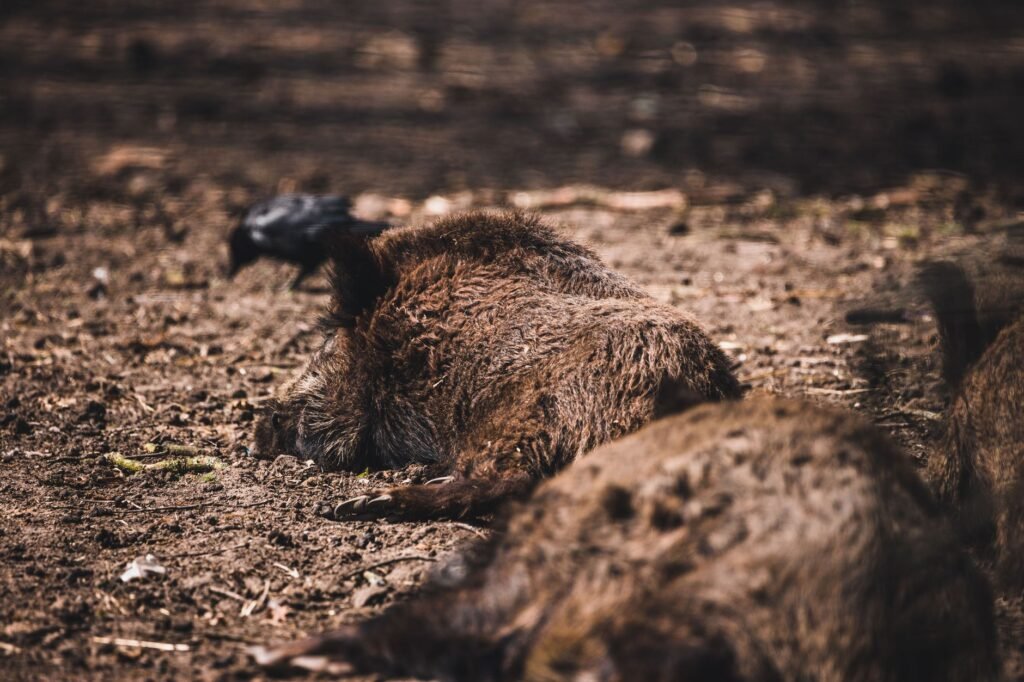
The sacred boar is a recurring figure in mythology, ritual, and religious symbolism across many cultures. In some traditions, the boar is revered as a divine animal, a sacred sacrificial victim, or an emblem of royal power, fertility, warrior strength, and protection. In others, it appears as a dangerous creature whose killing or sacrifice carries special religious meaning.
Because the boar was both admired and feared in the ancient world, it often occupied an ambiguous place in myth. It could represent abundance and masculine force, but also chaos, destruction, and the untamed wilderness. The sacred boar is especially important in Greek, Roman, Celtic, Near Eastern, and South Asian traditions, though the exact meaning varies widely from one culture to another.
Origin and Meaning
The word boar in English refers to an adult male pig, especially one that is wild. The term comes from Old English bār, related to Germanic words for the same animal. In historical and mythological contexts, the phrase sacred boar does not usually refer to a single universal deity or being. Rather, it describes a symbolic or ritual role assigned to the animal in different traditions.
The “sacred” aspect of the boar usually arises from one or more of the following ideas:
- the boar as an offering in sacrifice
- the boar as an emblem of a god, clan, or royal house
- the boar as a totemic or protective animal
- the boar as a creature connected with seasonal renewal, warfare, or fertility
In some cases, the sacred boar is not sacred because it is gentle or benevolent, but precisely because it is powerful, wild, and dangerous.
Historical Context
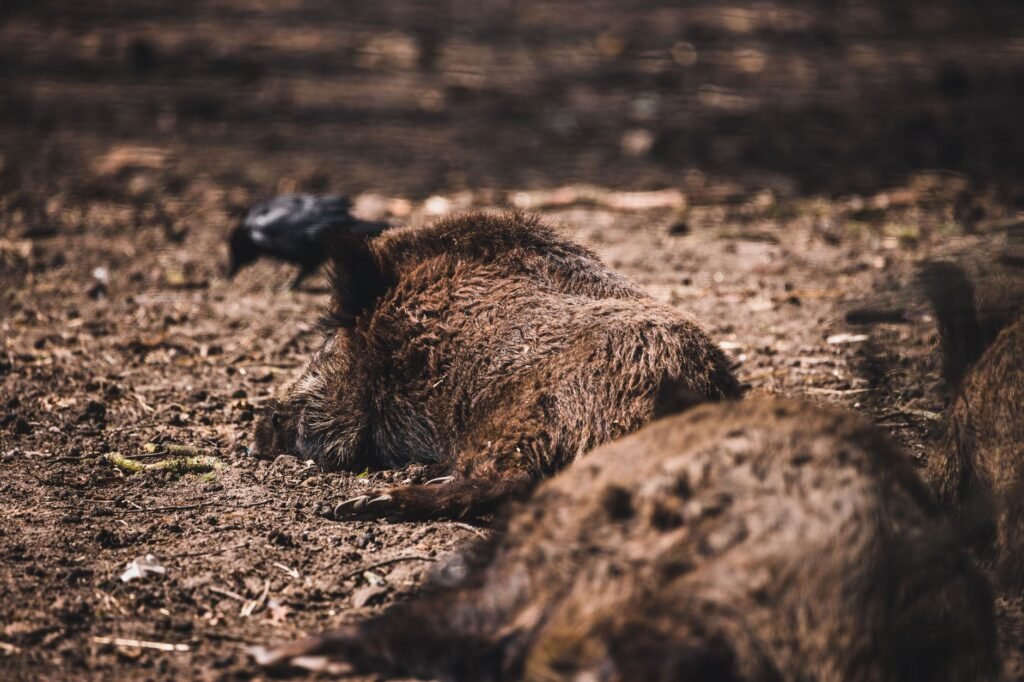
Boars were widespread across ancient Eurasia, and humans encountered them as both prey and threat. Their tusks, aggression, and nocturnal habits made them formidable animals. At the same time, their fertility and rapid reproduction linked them to agricultural abundance.
In the ancient Mediterranean
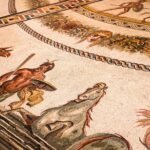
In the Greek and Roman worlds, boars appear frequently in myth, art, and sacrificial practice. They were hunted by aristocratic elites, but also offered in religious rites. The boar’s association with strength made it a fitting symbol for warrior culture. Several famous myths center on heroic boar hunts, such as the Calydonian Boar in Greek tradition and the Erymanthian Boar associated with Heracles.
In Celtic and Iron Age Europe
Archaeological and textual evidence suggests that boars were highly symbolic in Celtic cultures. Boar imagery appears on weapons, helmets, coins, and sculpture. The animal was associated with ferocity, nobility, and martial courage. Some tribal names and personal names may also reflect boar symbolism, although interpretations can be uncertain.
In South Asia
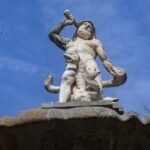
In Hindu tradition, the boar appears in both sacred and mythic forms. The most important is Varaha, the boar incarnation of Vishnu, who rescues the earth from the cosmic waters. Here the boar is not merely an animal but a divine embodiment of restoration and cosmic order.
In Near Eastern and other traditions
Boar symbolism also appears in broader mythic traditions, often as part of hunting culture, kingship imagery, or ritual sacrifice. However, the specific role of the sacred boar differs greatly, and it is important not to overgeneralize across cultures.
Main Characteristics
The sacred boar is usually identified by a cluster of symbolic traits rather than by one fixed image.
Common characteristics
| Feature | Symbolic meaning |
|---|---|
| Tusks | Power, aggression, warrior force |
| Wild nature | Untamed energy, danger, liminality |
| Fertility | Abundance, generative power |
| Earthiness | Connection to soil, forest, and physical vitality |
| Hunting value | Nobility, elite status, ritual bravery |
| Sacrificial role | Purification, appeasement, divine offering |
Visual and narrative traits
In art and myth, the boar is often shown as:
- large and muscular
- bristling or dark-coated
- armed with prominent tusks
- charging or resisting capture
- associated with hunters, heroes, or gods
Because the boar is a wild animal that can neither be easily domesticated nor ignored, it frequently symbolizes resistance to control. In sacred contexts, this untamed quality becomes meaningful rather than merely destructive.
Family and Genealogy
The “family” of the sacred boar depends on the tradition in question. Unlike gods or heroes, boars are not always given a formal genealogy. However, some mythic boars do have parentage, offspring, or divine associations.
Greek mythic examples
- The Calydonian Boar is sometimes described simply as a monstrous beast sent by a god, without clear parents.
- The Erymanthian Boar is likewise a creature of mythic opposition, not a genealogically defined being.
- In some local traditions, boars may be connected to specific divine punishments or sacred landscapes.
Hindu tradition
The Varaha form is not a boar born in the ordinary sense but an avatar of Vishnu. In this context, genealogy is theological rather than biological. Varaha belongs to the broader system of Vishnu’s incarnations, which are not offspring in a normal family tree.
Local and folk traditions
In some indigenous and local religious traditions, boars may function as:
- clan ancestors
- totemic protectors
- spirit animals
- manifestations of divine power
These relationships are often culturally specific and may not fit the genealogical model used in classical mythology.
Symbols
The sacred boar is associated with a range of symbols, many of which emphasize strength, abundance, and danger.
Common symbols
- Tusks: martial power, penetration, protection
- Bristles: wildness, resistance, untamed force
- Blood: sacrifice, life force, renewal
- Earth and mud: fertility, grounding, physical vitality
- Forest: wilderness, liminal space, non-civilized strength
Colors
Color symbolism varies by tradition, but boars are commonly linked with:
- black or dark brown: the wild, the nocturnal, the earthy
- red: blood, warfare, sacrifice
- gold: divine power or sacred kingship in some artistic traditions
Sacred objects
Depending on the culture, the boar may be represented by:
- boar tusks or tusk-shaped ornaments
- hunting spears
- shields or helmets marked with boar imagery
- ritual vessels used in sacrificial contexts
- carved figures and amulets
Sacred Animals
The sacred boar is often understood within a wider network of sacred animals.
Associated animals
- Wild boar: the primary symbolic form
- Pig: in some traditions, a domesticated counterpart related to sacrifice and fertility
- Deer: often a rival in hunting myths
- Wolf: another creature of wilderness and predation
- Bull: a comparable symbol of virility and force
- Lion: a royal or heroic parallel in some mythic systems
Symbolic significance
The boar’s sacred status often emerges from comparison with other animals:
- unlike the sheep, it is not meek
- unlike the dog, it is not domesticated in the same way
- unlike the bull, it is less often associated with open-field power and more with forested danger
This contrast helps explain why the boar frequently appears in heroic myth as an adversary worthy of elite combat.
Sacred Plants
In many traditions, the sacred boar is connected indirectly to certain plants rather than to a fixed botanical cult.
Common plant associations
- oak: strength, forest sovereignty, endurance
- acorn-producing woodland: the boar’s natural habitat, symbolizing wild abundance
- grain and cereals: in traditions where pigs or boars are connected to fertility and harvest
- lotus: in Hindu contexts through the cosmological restoration associated with Vishnu
Interpretive significance
These plant associations usually reflect habitat and symbolism rather than a strict doctrinal link. The boar as a forest creature is frequently tied to woodland trees, while in fertility cults it may be linked more broadly to the earth’s capacity to produce life.
Sacred Places
The sacred boar is connected to both real and mythic places, often through hunting stories, temple imagery, or cosmological narratives.
Notable locations in Greek myth
- Calydon: associated with the famous Calydonian Boar hunt
- Mount Erymanthos: linked to Heracles and the Erymanthian Boar
- Arcadia: a region strongly associated with wild landscapes and hunting mythology
Hindu sacred geography
- the cosmic ocean: in the Varaha myth, Vishnu as boar dives into the waters to rescue the earth
- temples dedicated to Vishnu: many depict Varaha in sculpture and iconography
- sacred landscapes of India: where boar-related forms of Vishnu appear in devotional art and narrative
Broader sacred landscapes
Across cultures, boars are often connected to:
- forests
- mountains
- borderlands
- hunting grounds
- liminal spaces between civilization and wilderness
These settings reinforce the boar’s role as a creature of threshold and transition.
Powers and Attributes
The sacred boar is not usually thought of as a deity with standardized powers, but it does embody certain recurring attributes.
Key powers and domains
- fertility: linked to abundance and generative force
- warfare: associated with courage, ferocity, and martial vigor
- protection: boar emblems can ward off danger
- restoration: especially in the Varaha myth, where the boar restores cosmic balance
- chaos and challenge: in hunting myths, the boar tests heroes and social order
Interpretive role
The boar’s symbolic power often lies in contradiction. It can mean both:
- destructive force, because it tramples crops and attacks hunters
- life-giving force, because it embodies vitality, reproductive energy, and seasonal renewal
This duality made the sacred boar a compelling religious and artistic motif.
Main Myths
The most famous boar myths vary by culture, but several are especially important.
The Calydonian Boar
In Greek mythology, the Calydonian Boar was sent as a divine punishment, according to different ancient sources, after a king neglected a deity’s honor. The beast ravaged the land until a group of heroes gathered to hunt it. The episode is notable because it brings together many legendary figures, including Meleager and Atalanta, whose role varies by source but is often central to the story.
The myth highlights:
- divine retribution
- heroic cooperation and competition
- the dangerous balance between human society and the wild
The Erymanthian Boar
One of the labors of Heracles was to capture the Erymanthian Boar alive. The story emphasizes endurance, strength, and heroic control over nature. Heracles’ success in this labor reflects his role as a civilizing hero who confronts wilderness threats.
Varaha and the rescue of the earth
In Hindu myth, Varaha, Vishnu’s boar incarnation, rescues the earth goddess, often identified as Bhudevi, from the primordial waters. The boar dives into the cosmic ocean, defeats a threatening force, and lifts the earth back into place.
This myth is one of the most significant sacred boar narratives in world religion because it combines:
- cosmology
- divine incarnation
- restoration of order
- the sanctification of animal form
Local sacred boar stories
Various local traditions in Europe and Asia include boar legends involving:
- miraculous animals
- guardian boars
- royal hunts
- omens
- territorial protection
Because these traditions are diverse, it is best to treat them individually rather than as a single unified mythic system.
Relationship with Other Mythological Figures
The sacred boar often interacts with heroes, deities, and monsters.
In Greek mythology
- Artemis is linked to the Calydonian Boar, which was sent as punishment in some traditions because her honor was neglected.
- Heracles confronts the Erymanthian Boar as one of his labors.
- Meleager is central to the Calydonian hunt in many accounts.
- Atalanta is sometimes credited with striking the boar first, highlighting her exceptional status.
- Other hunters and heroes join the pursuit, making the boar a catalyst for human rivalry and alliance.
In Hindu tradition
- Vishnu becomes Varaha, directly identifying with the boar.
- Bhudevi, the earth goddess, is rescued by the boar-avatar.
- Demonic or chaotic forces oppose cosmic order and are defeated or displaced in the process.
In broader symbolic systems
The boar may stand in opposition to:
- kings who must prove their legitimacy
- hunters who seek mastery over nature
- deities of fertility or the wilderness
- rival beasts that share similar symbolic territory
Worship and Cult
Worship of the sacred boar is highly variable and should not be assumed to exist everywhere in the same form.
Ritual sacrifice
In some ancient religions, boars or pigs were sacrificed in rites associated with:
- purification
- seasonal festivals
- agricultural renewal
- divine appeasement
The exact sacrificial meaning differs by region and period. In the Greek and Roman worlds, pig sacrifice was common in several contexts, though not always specifically boar sacrifice.
Devotional imagery
In Hindu practice, Varaha is honored in temples and iconography as a form of Vishnu. Devotees may venerate him for protection, cosmic stability, and the triumph of order over disorder.
Hunting and elite culture
In some societies, the boar was linked not to public worship alone but also to aristocratic hunting culture. Hunting a boar could have ritual or symbolic value, particularly when it marked transitions into adulthood, demonstrated royal prowess, or enacted a mythic pattern.
Festivals and regional observances
Some local festivals and folk customs involve pig or boar imagery, sacrificial meals, or boar-shaped symbols. Because these practices are region-specific, they should be understood in their own historical settings.
Ancient Sources
The sacred boar appears in many ancient sources, though not always under a single title or theme.
Greek and Roman literature
- Homer: boar imagery appears in epic hunting and martial language, though not as a focused cultic theme.
- Hesiod: provides mythic background for gods and monsters that help frame later boar stories.
- Apollodorus: preserves summary accounts of boar-related myths, including Heracles’ labors.
- Ovid: especially important for the Calydonian Boar in the Metamorphoses.
- Pausanias: offers valuable descriptions of local cults, monuments, and mythic traditions.
- Diodorus Siculus and other mythographers: preserve additional versions of related stories.
South Asian sources
- Puranic literature: central for the Varaha myth
- Mahabharata and related texts: include boar symbolism in broader religious narrative
- Temple inscriptions and iconography: crucial evidence for devotional forms of Varaha worship
Important caution
Ancient sources do not always agree. Boar myths often exist in multiple versions, and later authors may reinterpret earlier traditions. A careful reading must distinguish literary embellishment from older religious practice.
Roman Equivalent
There is no single Roman “equivalent” to the sacred boar in the sense of a one-to-one deity. However, Roman religion and myth adapted many Greek boar traditions and also used pigs and boars in sacrificial contexts.
Roman adaptation and symbolism
- Roman authors retold Greek boar myths, especially those involving Heracles and heroic hunting.
- Boar imagery appears in Roman art, military symbolism, and decorative motifs.
- Pigs, including boars, were used in sacrifice in various Roman rites.
Related Roman associations
The boar can also be seen in relation to:
- Mars, through martial symbolism
- Diana, through hunting
- Roman sacrificial religion, where pigs and boars could play ritual roles
However, there was no universally worshipped Roman boar deity parallel to Varaha.
Influence on Modern Culture
The sacred boar continues to appear in modern literature, visual art, games, and popular culture.
Literature and scholarship
Modern writers and scholars have used the boar as a symbol of:
- untamed masculinity
- archaic power
- nature’s resistance to civilization
- mythic restoration
Academic studies of myth, ritual, and animal symbolism often treat the boar as an important example of sacred animal imagery.
Art and design
Boar imagery appears in:
- sculpture
- heraldry
- tattoos
- fantasy illustration
- museum reconstructions of ancient objects
In Celtic-inspired design, the boar is often used to express courage and warrior identity.
Games and fantasy media
In role-playing games, strategy games, and fantasy fiction, boars often function as:
- dangerous forest creatures
- mounts or beasts of burden in imaginative settings
- symbols of barbaric strength
- sacred or primal animals
Popular symbolism
Today, the boar is still used in emblems and mascots to convey toughness, endurance, and aggression. This modern use echoes older mythic associations, even when it is no longer explicitly religious.
Curiosities
- In Greek myth, the boar hunt is often as important as the boar itself, because the hunt reveals the hero’s character and social status.
- The boar’s tusks made it a natural symbol of weapon-like power.
- In some ancient societies, boar tusks were used as decorative or prestigious items.
- The sacred boar can symbolize both civilization’s enemy and cosmic savior, depending on the tradition.
- Varaha is one of the clearest examples of an animal form becoming fully divine in South Asian religion.
- Boar imagery is common in archaeology because the animal was frequently represented on metalwork, pottery, and armor.
- The boar’s reputation differs sharply by culture: in one tradition it may be a demonized beast, in another a divine rescuer.
Frequently Asked Questions
1. What is a sacred boar?
A sacred boar is a boar that holds religious, mythological, or ritual importance in a particular tradition. It may be an offering, a divine form, a protective symbol, or a creature with special mythic status.
2. Is the sacred boar a god?
Not always. In some traditions, it is simply a sacred animal. In Hinduism, however, the boar form of Vishnu, known as Varaha, is fully divine.
3. Why are boars important in mythology?
Boars are important because they symbolize wild strength, fertility, danger, and the struggle between order and chaos. Their role in hunting myths makes them ideal opponents for heroes.
4. What is the most famous sacred boar myth?
One of the most famous is the Varaha myth in Hindu tradition, in which Vishnu takes the form of a boar to rescue the earth from the cosmic waters. In Greek mythology, the Calydonian Boar is also highly significant.
5. Were boars sacrificed in ancient religions?
Yes, in some ancient religions pigs or boars were used in sacrifice. The exact ritual meaning varied by culture, region, and historical period.
6. What does the boar symbolize in Celtic culture?
In many Celtic contexts, the boar symbolizes courage, ferocity, nobility, and warrior energy. It appears frequently in art and iconography, though interpretations can differ by source.
7. How is the sacred boar different from a pig?
A pig is generally the domesticated animal, while a boar is the wild adult male. In symbolism, the boar usually represents untamed force, while the pig may be more closely associated with sacrifice, fertility, or household life.
8. Does the sacred boar appear in modern religion?
Yes. The most prominent example is Varaha in Hindu devotional tradition. Boar symbolism also appears in modern folklore, ritual imagery, and cultural art forms.
Conclusion
The sacred boar is a powerful mythological and religious symbol whose meaning changes across cultures but consistently centers on force, wilderness, fertility, and transformation. In Greek myth it tests heroes; in Hindu tradition it becomes a divine rescuer; in Celtic and other European traditions it signifies martial courage and sacred abundance.
Its enduring importance lies in its ambiguity. The boar is dangerous, yet revered; wild, yet sacred; destructive, yet life-giving. This combination made it one of the ancient world’s most compelling animal symbols and explains why the sacred boar continues to hold a strong place in mythology, art, and cultural memory.

Orin Vale has spent the better part of two decades tracing the threads that connect the world’s oldest stories — from the halls of Asgard to the banks of the Nile, from Olympus to the jungles of the Maya. What began as a childhood fascination with flood myths and trickster gods grew into years of independent study across comparative mythology and ancient religion, always chasing the same question: what did these stories mean to the people who first told them? Orin writes for readers who want more than trivia — the ones looking for the beliefs, fears, and truths that myths were built to carry.