royal power
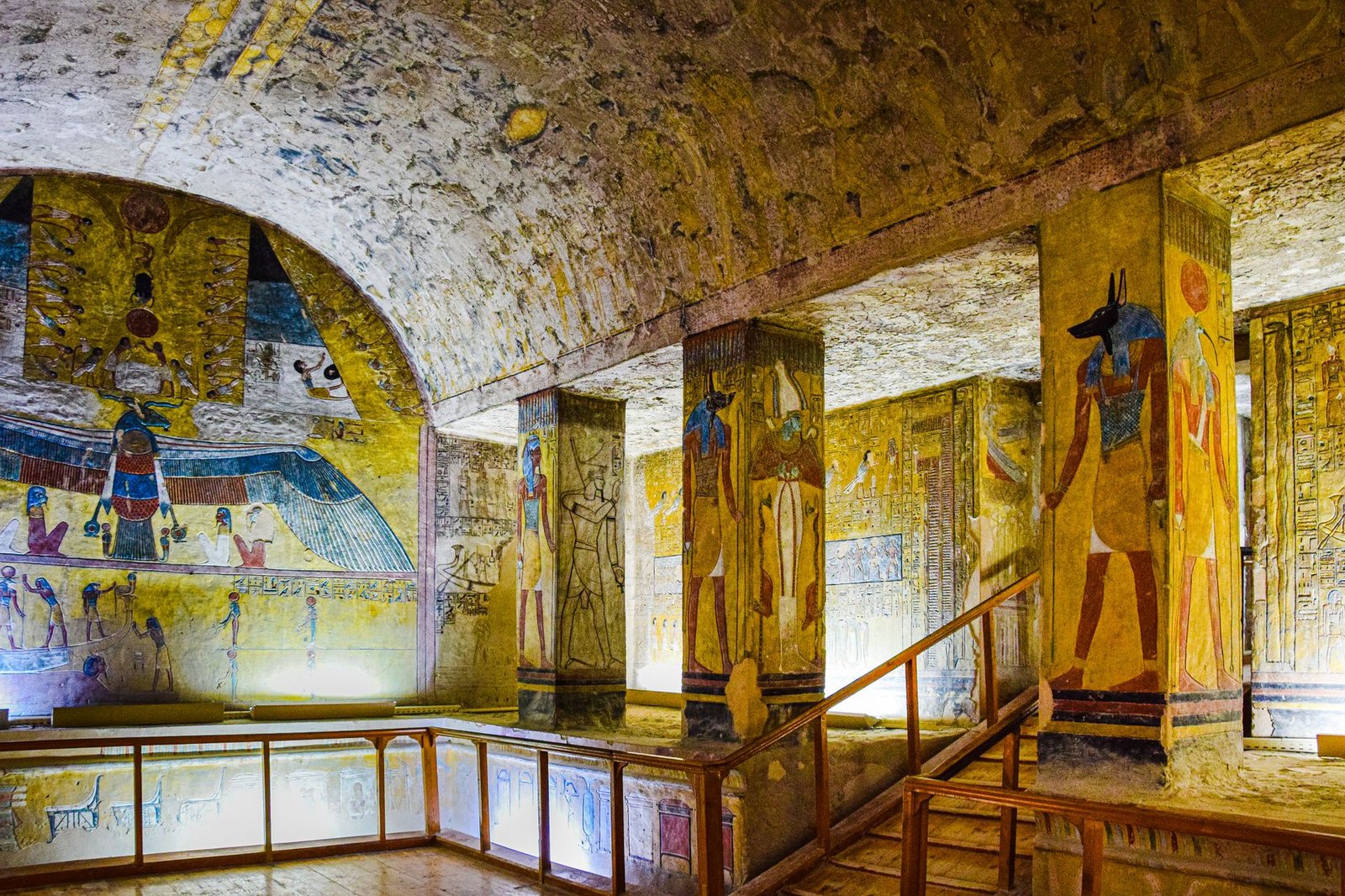
Eye of Horus in Egyptian Mythology: Meaning and Origins
The Eye of Horus in Egyptian mythology is a powerful symbol of healing, protection, royal authority, and restored wholeness, rooted in the story of Horus’s injured eye and its divine repair. Its long history in amulets, funerary art, and temple imagery reveals how a single emblem came to embody both personal wellbeing and cosmic order.

What Does the Was Scepter Symbolize in Egyptian Mythology?
The **was scepter** is a central emblem in Egyptian mythology, symbolizing power, dominion, divine authority, and the ordered rule that sustains both kingship and the cosmos. Found in the hands of gods, pharaohs, and priests, it raises deeper questions about how ancient Egyptians linked legitimacy, strength, and sacred authority.
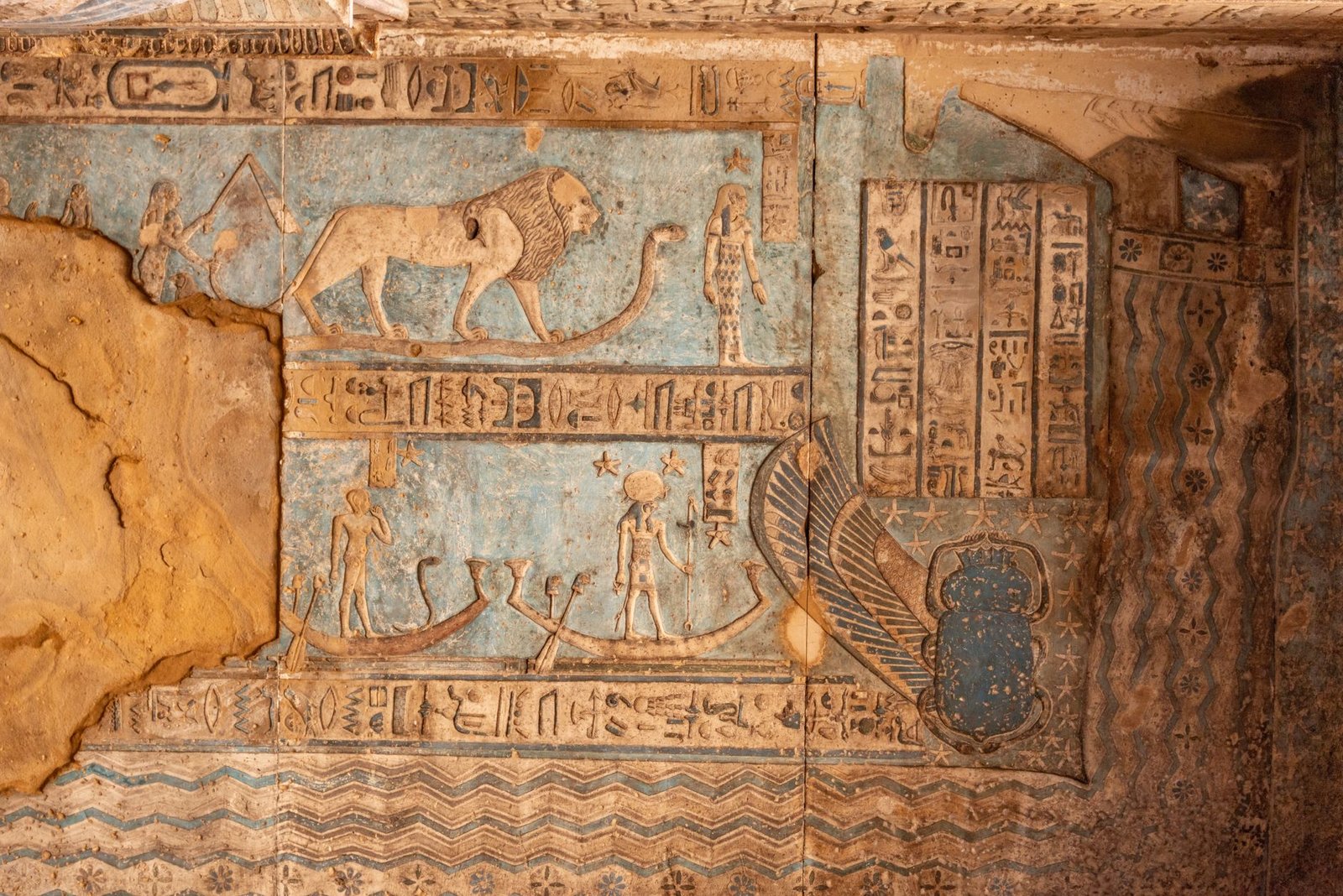
Who Is Sekhmet in Egyptian Mythology? Ancient Egyptian Goddess
Sekhmet is a major goddess in Egyptian mythology, known as “The Powerful One” and linked to war, plague, healing, and divine protection. This excerpt explores her lioness symbolism, royal associations, and complex role as both destroyer and guardian in ancient Egyptian religion.
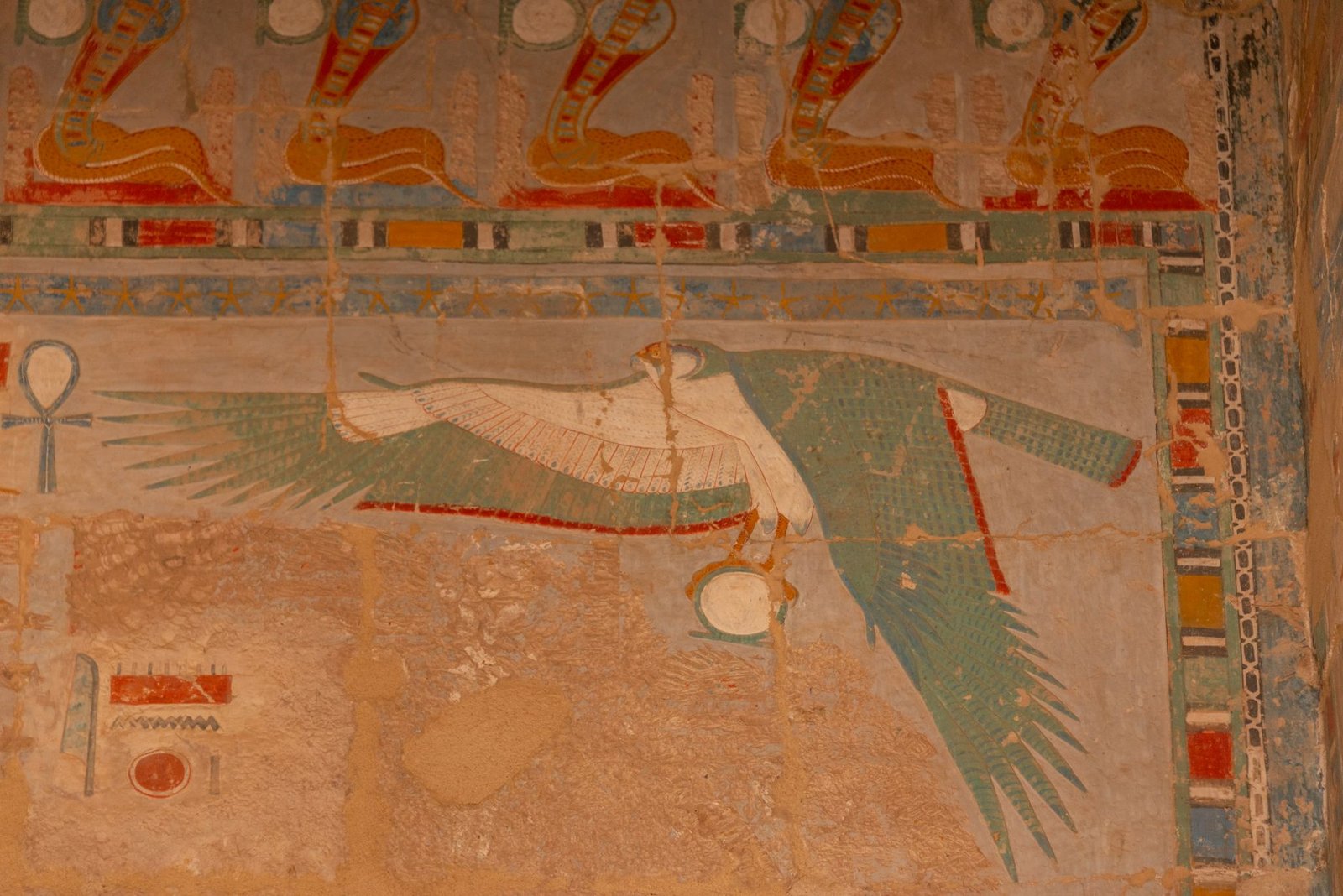
Who Is Mut in Egyptian Mythology? An Encyclopedia Guide
Mut, one of the most important goddesses in ancient Egyptian religion, was revered as a mother figure, royal protector, and powerful divine presence in Thebes. To understand who is Mut in Egyptian mythology is to trace how a goddess of motherhood became a central force in the Theban triad with Amun and Khonsu, and how her role evolved across Egyptian history.